
Why Your Lawn Looks Thin and Weak: Common Causes and Fixes?
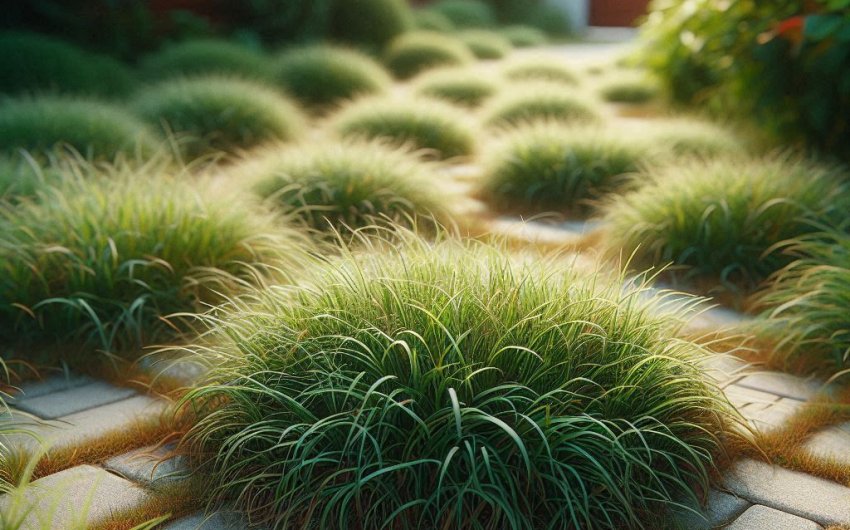
A lush, green lawn is the dream of many homeowners, but sometimes, despite your efforts, your grass might appear sparse, patchy, or just generally unhealthy. If you're wondering why your lawn looks thin and weak, you're not alone. This common issue can stem from a variety of causes, from improper care to hidden problems beneath the surface. Understanding these culprits is the first step toward diagnosing the problem and implementing effective fixes to restore your lawn to its vibrant best.
Why Does My Lawn Look Thin and Weak?
A thin or weak lawn is a clear sign that something isn't quite right. It could be a single issue or a combination of factors, each contributing to the decline of your turf.
Common Signs of a Struggling Lawn
- Sparse Patches: Areas where grass is noticeably thinner or missing altogether, showing more soil than blades.
- Lack of Density: Even if there are no bare spots, the overall lawn might lack the thick, carpet-like appearance of healthy turf.
- Poor Color: Grass blades may appear dull green, yellowish, or even brown, indicating stress or nutrient deficiencies.
- Weed Invasion: A thin lawn provides ample opportunity for weeds to take over, as there's less competition from healthy grass.
- Slow Growth: The lawn doesn't seem to grow vigorously, even during peak growing seasons.
- Easily Damaged: Grass may not recover quickly from foot traffic, pet activity, or minor environmental stressors.
The Underlying Principle: Stress
Ultimately, a thin and weak lawn is a stressed lawn. When grass plants are under stress, they divert energy from growth and density to survival, leading to a diminished appearance. Identifying the source of this stress is crucial for bringing your lawn back to life.
What Are Common Cultural Practice Mistakes That Lead to a Thin Lawn?
Many of the reasons why your lawn looks thin and weak can be traced back to incorrect or inconsistent lawn care practices. These are often the easiest problems to fix.
Improper Mowing Techniques
Your mowing habits have a significant impact on lawn density and health.
- Cutting Too Short (Scalping): Mowing grass too short stresses the plant, forcing it to use more energy to regrow blades instead of developing strong roots or new tillers (shoots). It also exposes the soil to more sunlight, leading to increased evaporation and weed germination.
- Fix: Adjust your mower height. Most cool-season grasses (fescue, bluegrass, rye) prefer 2.5 to 3.5 inches. Warm-season grasses (Bermuda, Zoysia, St. Augustine) prefer 1.5 to 3 inches, depending on the variety. Always aim for the higher end of the range, especially during hot weather.
- Mowing with Dull Blades: Dull mower blades tear the grass blades rather than cutting them cleanly. This creates ragged, open wounds that are more susceptible to disease and pest entry, and cause the lawn to look frayed and stressed.
- Fix: Sharpen your mower blades at least once per season, or more frequently if you mow often or have a large lawn. A Rotary Lawn Mower Blade Sharpener can help with DIY sharpening.
- Removing Too Much at Once: Never remove more than one-third of the grass blade's total height in a single mowing session. This "one-third rule" prevents excessive shock to the plant.
- Fix: Mow more frequently if your grass grows quickly, or raise your mower deck to stay within the one-third rule.
Incorrect Watering Habits
Water is essential for grass health, but how and when you water makes a huge difference.
- Shallow, Frequent Watering: Watering lightly and often encourages shallow root systems. These roots are highly susceptible to drought stress when conditions get tough, leading to thin, weak grass that browns quickly.
- Fix: Water deeply and infrequently. Aim for 1-1.5 inches of water per week (from rain or irrigation), applied in one or two sessions. This encourages roots to grow deeper, making the grass more resilient.
- Watering at the Wrong Time: Watering in the late afternoon or evening leaves grass blades wet overnight, creating an ideal environment for fungal diseases to thrive.
- Fix: Water in the early morning (between 4 AM and 10 AM). This allows water to soak in before the midday sun causes excessive evaporation and gives grass blades time to dry before nightfall.
- Insufficient Water During Drought: During hot, dry periods, grass needs consistent moisture to survive and remain dense.
- Fix: Monitor your lawn for signs of thirst (dull, bluish-gray color; footprints remaining). Use a rain gauge to track rainfall and supplement with irrigation as needed. A XLUX T10 Soil Moisture Sensor Meter can help you determine if the soil is truly dry at root level.
Improper Fertilization
Fertilizer provides nutrients, but the wrong type or amount can harm your lawn.
- Insufficient Fertilization: A lack of essential nutrients will starve the grass, leading to stunted growth, poor color, and thinness.
- Fix: Follow a regular fertilization schedule appropriate for your grass type and climate. Perform a soil test to determine nutrient deficiencies.
- Over-Fertilization (Especially Nitrogen): Too much nitrogen can "burn" the lawn, causing brown patches. It also promotes rapid, weak top growth at the expense of root development.
- Fix: Always follow fertilizer package directions. Opt for slow-release granular fertilizers that provide nutrients gradually.
- Wrong NPK Ratio: Using a fertilizer with an incorrect nutrient balance for your grass's needs can lead to deficiencies or excesses.
- Fix: Base your fertilizer choice on a soil test. For a general boost, a balanced slow-release formula is a good starting point.
By correcting these common cultural practice mistakes, you can significantly improve the density and overall health of your lawn, addressing a primary reason why your lawn looks thin and weak.
How Does Poor Soil Health Contribute to a Thin Lawn?
Even with perfect watering and mowing, if your soil isn't healthy, your lawn will struggle. Poor soil conditions are a major reason why your lawn looks thin and weak.
Soil Compaction
This is arguably the most common and damaging soil problem, especially in lawns with heavy foot traffic or clay soil.
- Problem: Compacted soil has very little space between soil particles. This means water can't penetrate easily, air can't reach the roots, and roots struggle to grow and spread. Grass becomes shallow-rooted and unable to access nutrients effectively.
- Fix: Core aeration is the solution. An aerator removes small plugs of soil, creating channels for air, water, and nutrients to reach the root zone.
- Timing: Aerate once a year, or twice for severely compacted soil. Best times are fall for cool-season grasses and late spring/early summer for warm-season grasses.
- Tools: You can rent a core aerator for larger lawns or use a manual M.J. Hummel Manual Lawn Coring Aerator for smaller areas.
- Prevention: Avoid heavy foot traffic or vehicle movement on wet grass.
Poor Drainage
Whether due to compaction or heavy clay soil, poor drainage leads to waterlogging.
- Problem: Saturated soil deprives grass roots of oxygen, leading to root rot and a weakened plant that can't absorb water or nutrients.
- Fix:
- Aeration: Improves drainage by creating channels.
- Amending with Organic Matter: Topdressing with compost helps break up clay particles and improves soil structure over time, enhancing drainage.
- Consider French Drains/Grading: For persistent standing water, more significant landscaping solutions may be needed.
Nutrient Deficiencies or Imbalances
Even if you fertilize, your soil might not be providing the right balance of nutrients.
- Problem: A lack of essential nutrients (nitrogen, phosphorus, potassium, and micronutrients) directly impacts grass growth, color, and density.
- Fix:
- Soil Test: This is indispensable. A soil test provides a detailed report on your soil's current nutrient levels and pH, allowing you to apply precisely what's needed. Get a Rapitest 1818 Soil Test Kit for basic testing or send a sample to your local extension office.
- Targeted Fertilization: Based on test results, apply fertilizers or amendments that address specific deficiencies.
- Organic Matter: Regular topdressing with compost continuously replenishes a wide range of nutrients and fosters beneficial soil microbes.
Incorrect Soil pH
The pH level (acidity or alkalinity) of your soil dictates how well grass roots can absorb available nutrients.
- Problem: If the pH is too high or too low, even if nutrients are present in the soil, the grass can't take them up efficiently. Most lawn grasses prefer a slightly acidic to neutral pH (between 6.0 and 7.0).
- Fix:
- Soil Test: Essential for determining your current pH.
- Adjusting pH:
- To raise pH (make less acidic): Apply limestone (dolomitic or calcitic).
- To lower pH (make more acidic): Apply sulfur.
- Always follow recommended application rates based on your soil test.
Excessive Thatch Buildup
Thatch is a layer of organic material (dead grass stems, roots) that accumulates between the soil surface and the green grass blades.
- Problem: A thick layer of thatch (over 1/2 inch) acts as a barrier, preventing water, air, and nutrients from reaching the soil and roots. It also harbors pests and diseases.
- Fix: Dethatching (also called power raking). This process physically removes the excess thatch.
- Timing: Best done in early fall for cool-season grasses or late spring/early summer for warm-season grasses, when grass is actively growing and can recover quickly.
- Tools: You can rent a power dethatcher or use a robust manual dethatching rake for smaller areas.
Addressing these soil health issues directly targets core reasons why your lawn looks thin and weak, providing a stronger foundation for thriving grass.
What Environmental Factors Can Make a Lawn Thin?
Sometimes, external conditions beyond your direct control play a significant role in why your lawn looks thin and weak. Understanding these can help you choose the right grass type or implement protective measures.
Insufficient Sunlight
Most lawn grasses, especially popular varieties, require plenty of sun.
- Problem: Grass needs sunlight for photosynthesis, the process that creates energy for growth. In shady areas (under trees, next to tall buildings), grass can become thin, leggy, and weak as it stretches for light. It's also more susceptible to disease in damp, shady conditions.
- Fix:
- Choose Shade-Tolerant Grass: If your lawn is truly in a shady area (less than 4-6 hours of direct sun), choose a shade-tolerant grass seed blend. Fine fescues are excellent for cool climates, and St. Augustinegrass has good shade tolerance in warm climates.
- Prune Trees/Shrubs: Trim lower branches of trees and shrubs to allow more light to reach the grass.
- Consider Alternatives: For very dense shade where grass consistently fails, consider using shade-loving groundcovers (like creeping thyme, sedum, or clover), mulch, or creating garden beds instead of trying to force grass to grow.
Extreme Temperatures
Grass types are adapted to specific climate zones, and temperatures outside their optimal range can cause stress.
- Problem:
- Heat Stress: High summer temperatures combined with drought can cause cool-season grasses to go dormant, turn brown, and thin out.
- Cold Stress/Winterkill: Extreme cold or fluctuating winter temperatures can damage warm-season grasses, leaving them thin or patchy in spring.
- Fix:
- Choose Right Grass Type: Select grass varieties suited to your local USDA hardiness zone.
- Proper Watering: Ensure consistent deep watering during hot periods to help grass cope with heat stress.
- Winterizing Fertilizer: For cool-season grasses, a late-fall "winterizer" fertilizer (higher in potassium) can improve cold hardiness.
Drought and Water Restrictions
Prolonged periods without adequate rainfall or imposed water restrictions directly impact lawn density.
- Problem: Insufficient water leads to drought stress, causing grass to turn brown, go dormant, and thin out. In severe cases, it can lead to death.
- Fix:
- Drought-Tolerant Grass: Consider overseeding with more drought-tolerant varieties like Tall Fescue (for cool seasons) or Bermudagrass/Zoysiagrass (for warm seasons).
- Smart Watering: Implement deep, infrequent watering. Use a rain barrel to collect water for irrigation during dry spells.
- Raise Mower Height: Taller grass shades the soil, reducing water evaporation.
- Embrace Dormancy: For some grass types, allowing them to go dormant during severe drought is a natural survival mechanism. They will often green up again when water returns.
Storm Damage
Heavy rains, strong winds, or hail can physically damage the lawn.
- Problem: Downed branches, standing water, or physical bruising can create thin spots.
- Fix:
- Clean Up Debris: Promptly remove any fallen branches or debris.
- Address Standing Water: If drainage is an issue, implement solutions to prevent prolonged waterlogging.
- Repair/Overseed: Once conditions improve, repair damaged areas by reseeding or laying new sod.
By considering these environmental factors, you can better understand why your lawn looks thin and weak and adjust your strategy to create a more resilient turf.
What Pests and Diseases Can Cause a Thin Lawn?
Even with great cultural practices and ideal environmental conditions, your lawn can thin out if attacked by unwelcome guests or microscopic pathogens. Pests and diseases are often covert reasons why your lawn looks thin and weak.
Common Lawn Pests
Insects feeding on your grass roots or blades can quickly lead to widespread thinning and browning.
- Grubs (Larvae of Beetles): These C-shaped, milky-white larvae live underground and feed on grass roots, cutting off water and nutrient supply.
- Identification: Irregular brown patches that can be easily pulled back like a rug, revealing the grubs underneath. Increased bird or animal digging (skunks, raccoons) is another sign.
- Fix: Apply a grub killer (either preventative or curative) according to package directions, typically in late summer/early fall when grubs are small and actively feeding. Beneficial nematodes are an organic alternative. You might need to overseed damaged areas.
- Chinch Bugs: Tiny insects that suck sap from grass blades, injecting a toxin that causes grass to turn yellow, then reddish-brown, and die. They thrive in hot, dry conditions.
- Identification: Irregular patches of dead grass, often spreading quickly. Best identified by getting on your hands and knees and looking in the area where green grass meets dead grass.
- Fix: Ensure proper watering to reduce stress. Insecticides specific for chinch bugs may be necessary for severe infestations.
- Sod Webworms: Larvae of a moth that feed on grass blades at night, causing irregular brown patches that look like drought stress but don't green up with water.
- Identification: Look for silken tunnels or webbing in the thatch layer, and often small, chewed-off grass blades.
- Fix: Lawns usually recover once larvae mature, but insecticides can be used for severe damage.
- Armyworms/Cutworms: Caterpillars that chew grass blades, often causing a "clipped" appearance or bare spots.
- Identification: Visible caterpillars, often active at night.
- Fix: Can often be controlled with organic sprays like Bacillus thuringiensis (Bt) or targeted insecticides.
Common Lawn Diseases (Fungal)
Most lawn diseases are caused by fungi and thrive in specific conditions (e.g., prolonged moisture, certain temperatures, nutrient imbalances).
- Brown Patch: Appears as circular brown patches, often with a darker "smoke ring" around the edge, especially in hot, humid conditions.
- Fix: Improve air circulation, avoid late-day watering, and ensure balanced fertilization (avoid excessive nitrogen). Fungicides may be needed for severe outbreaks.
- Dollar Spot: Small, circular, straw-colored spots (the size of a silver dollar) that can merge to form larger irregular patches. Often seen in humid conditions with low nitrogen.
- Fix: Maintain adequate nitrogen levels, ensure good air circulation, and deep, infrequent watering.
- Red Thread: Patches of grass that appear reddish or pinkish, with thin, thread-like structures (mycelium) visible on the blades. More common in cool, wet conditions with low nitrogen.
- Fix: Fertilize with a balanced fertilizer. Often resolves with improved conditions, but fungicides can be used.
- Rust: Causes orange-red or yellowish-brown spores on grass blades that rub off on shoes or clothing.
- Fix: Fertilize to promote growth and improve vigor. Ensure good air circulation and adequate watering.
- Snow Mold: Appears as matted, bleached, or grayish-pink patches after snow melts.
- Fix: Rake affected areas to break up matting. Avoid excessive nitrogen fertilization late in the fall.
General Pest and Disease Prevention
- Proper Cultural Practices: A healthy lawn is your best defense. This includes correct mowing, watering, and fertilizing.
- Soil Health: Healthy soil with good drainage and balanced nutrients leads to more resilient grass.
- Resistant Varieties: Choose grass seed or sod varieties that are known to be resistant to common pests and diseases in your region.
- Scout Regularly: Inspect your lawn frequently for early signs of trouble.
- Identify Correctly: Always identify the specific pest or disease before applying any treatment. Misdiagnosis can lead to ineffective or harmful interventions.
- Crop Rotation (for Sod Farms): While not applicable to existing lawns, this is a key principle in preventing disease buildup.
- Minimize Chemical Use: Rely on cultural controls first. If chemicals are needed, choose targeted products and apply them according to label instructions.
By diligently monitoring and addressing pest and disease issues, you can eliminate another major reason why your lawn looks thin and weak and help it bounce back.
How Do You Fix a Thin and Weak Lawn?
Once you've identified why your lawn looks thin and weak, the good news is that most problems can be fixed with consistent effort and the right approach.
1. Correct Underlying Issues First
Before you rush to overseed, address the root causes of the thinness.
- Adjust Mowing: Immediately raise your mower deck to the proper height and follow the one-third rule.
- Improve Watering: Switch to deep, infrequent watering in the early morning.
- Aerate and Dethatch: If compaction or thatch is an issue, tackle these first.
- Soil Test and Amend: Get a soil test and apply necessary pH adjustments or nutrient supplements.
- Manage Pests/Diseases: Treat any active infestations or disease outbreaks.
- Increase Sunlight: Prune trees if shade is a major factor.
2. Overseeding for Density
Once the underlying problems are under control, overseeding is the most effective way to thicken a thin lawn.
- Timing: The best time for overseeding is late summer to early fall for cool-season grasses, or late spring/early summer for warm-season grasses. This gives new seedlings optimal conditions to establish before extreme temperatures arrive.
- Preparation:
- Mow Short: Mow your existing lawn shorter than usual (around 1.5-2 inches).
- Rake/Dethatch: Lightly rake the area to remove dead grass, thatch, and debris. This ensures good seed-to-soil contact. If thatch is over 1/2 inch, dethatch properly.
- Aerate (Optional but Recommended): If you haven't recently, aerating before overseeding greatly improves germination and establishment.
- Amend Soil (if needed): If your soil test showed major deficiencies, now is a good time to lightly apply appropriate amendments.
- Seed Selection: Choose a high-quality grass seed blend that matches your existing lawn and your specific site conditions (sun/shade, traffic). Consider a Jonathan Green Black Beauty Sun & Shade Grass Seed for versatility.
- Application:
- Spread Seed: Use a broadcast spreader or drop spreader for even distribution. Apply at the rate recommended for overseeding (often half the rate for starting a new lawn).
- Lightly Cover: Lightly rake the seed into the soil or apply a very thin layer (1/4 inch) of topdressing (compost or peat moss) over the seeds. This protects them and helps retain moisture.
- Roll (Optional): Lightly roll the area with a lawn roller to ensure good seed-to-soil contact.
- Watering New Seedlings: This is critical. New seedlings need constant moisture to germinate and establish.
- Light, Frequent Watering: Water lightly (but thoroughly enough to keep the top inch of soil moist) 2-3 times a day for the first 2-3 weeks, or until seedlings are 1-2 inches tall. Do not let the seed dry out.
- Gradual Reduction: As seedlings mature, gradually reduce watering frequency and increase duration to encourage deeper root growth.
- First Mow: Wait until new seedlings are at least 3 inches tall before their first mow. Set your mower to its highest setting and ensure blades are sharp.
3. Consistent Ongoing Care
Once your lawn starts to thicken, maintain its health with ongoing best practices.
- Regular Fertilization: Stick to a consistent, appropriate fertilization schedule.
- Correct Mowing: Continue proper mowing heights and techniques.
- Smart Watering: Maintain deep, infrequent watering.
- Monitor and Address: Stay vigilant for new issues. Promptly address any pests, diseases, or new weed invasions.
- Yearly Aeration/Topdressing: Continue these practices to maintain healthy soil structure and fertility.
Revitalizing a thin and weak lawn takes patience and consistent effort. By systematically identifying why your lawn looks thin and weak and applying these targeted solutions, you can transform your struggling turf into a dense, vibrant green space you'll be proud of.