
Why Lawn Grass Is Thinning Out and How to Fix It?
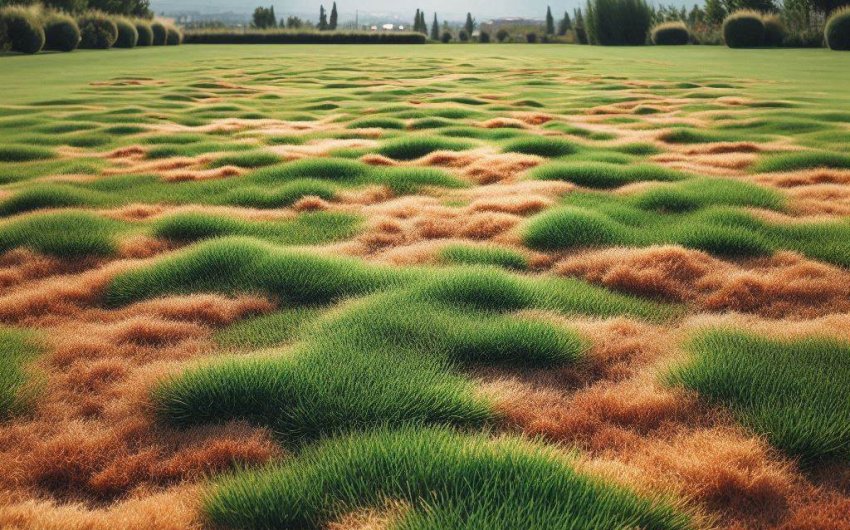
A lush, green lawn is a beautiful feature in any yard, but maintaining that vibrancy isn’t always easy. Over time, lawn grass may start thinning out, leaving bare patches or areas with sparse growth. Thin, patchy grass not only diminishes curb appeal but can also invite weeds, pests, and diseases. Fortunately, understanding why grass thins and learning how to address it can help you restore a healthy, full lawn. Here’s a comprehensive guide on the causes of thinning grass and actionable steps to fix it.
Common Causes of Thinning Lawn Grass
Several factors can lead to thinning grass, from poor soil quality and inadequate watering to pests and diseases. Identifying the underlying cause is the first step in effectively restoring your lawn.
1. Soil Compaction
Soil compaction occurs when soil particles are pressed tightly together, reducing air pockets and making it harder for roots to grow. This can result from foot traffic, lawn equipment, or even natural settling. Compacted soil restricts water and nutrients from reaching grass roots, leading to thin, weak growth.
2. Poor Soil Fertility
Lawns need the right balance of nutrients to thrive. Low soil fertility, particularly a lack of nitrogen, phosphorus, and potassium, can stunt grass growth. Without these nutrients, grass may struggle to establish deep roots and produce lush, green blades.
3. Incorrect Watering
Both overwatering and underwatering can cause grass to thin. Too much water creates a soggy environment that encourages root rot, while too little water dries out roots, leading to stressed, sparse grass.
4. Insufficient Sunlight
Most lawn grasses need sunlight to photosynthesize effectively. Areas shaded by trees, buildings, or fences may not receive enough light, causing grass to weaken or die.
5. Pest Damage
Lawn pests like grubs, chinch bugs, and armyworms feed on grass roots and blades, resulting in bare or thinning patches. Detecting pest activity early can prevent widespread damage.
6. Fungal Diseases
Common lawn diseases such as brown patch, dollar spot, and powdery mildew thrive in wet or humid conditions. They weaken grass, causing it to thin out, especially in shaded or overwatered areas.
7. Inappropriate Mowing Practices
Cutting grass too short or with dull mower blades can stress it out, making it more vulnerable to disease, pests, and environmental stress. Mowing too often or too low can damage grass and slow regrowth.
1. Aerate the Lawn to Relieve Soil Compaction
If soil compaction is the cause of thinning grass, aerating can help loosen the soil, allowing water, air, and nutrients to reach the roots. Aeration involves creating small holes in the lawn to improve soil structure and promote healthy growth.
- When to Aerate: Spring or early fall is ideal for aerating most lawns.
- How Often: Aerate annually or as needed in high-traffic areas.
Using a lawn aerator can make this process easier, enhancing root growth and helping your lawn grow thicker and healthier.
2. Improve Soil Fertility with Balanced Fertilizer
A balanced fertilizer provides essential nutrients that promote lush, green grass. Applying fertilizer with nitrogen, phosphorus, and potassium in the right proportions helps grass grow stronger roots and denser blades.
- Application Timing: Fertilize in early spring and late fall to support growth.
- Type of Fertilizer: Use a slow-release fertilizer for consistent nutrient distribution.
A slow-release lawn fertilizer allows for gradual feeding, which is essential for maintaining nutrient levels in the soil.
3. Adjust Your Watering Schedule
Watering correctly is crucial for maintaining a healthy lawn. For best results, water deeply but infrequently, as this encourages grass roots to grow deeper into the soil, making the lawn more drought-tolerant.
- Best Time to Water: Early morning to reduce evaporation and prevent fungal growth.
- Frequency: Water once or twice a week, adjusting based on rainfall and temperature.
Using a sprinkler timer helps you manage a consistent watering schedule, ensuring that your lawn gets the right amount of moisture.
4. Prune Trees and Shrubs for More Sunlight
If shade is causing thin grass, consider trimming nearby trees and shrubs to allow more sunlight to reach the lawn. More light will help grass photosynthesize effectively and strengthen growth.
- Where to Trim: Focus on overhanging branches and dense foliage that block sunlight.
- Routine Maintenance: Prune regularly to prevent shade from increasing.
Using pruning shears makes it easier to trim branches, ensuring that your grass receives enough sunlight for healthy growth.
5. Treat for Pests if Necessary
If pests are damaging your lawn, taking action quickly can prevent further thinning. Inspect your grass for signs of pest damage, such as chewed blades or bare patches, and apply the appropriate treatment.
- Common Pests: Grubs, chinch bugs, and armyworms are common lawn pests.
- Treatment Options: Use an organic or chemical insecticide as recommended for your pest type.
Applying a lawn insect killer can help eliminate pests, allowing grass to recover and fill in thinning spots.
6. Identify and Treat Fungal Diseases
If fungal diseases are affecting your lawn, identifying the specific disease can help you choose the right treatment. Fungicides can be effective, but it’s essential to improve overall lawn care practices to prevent future outbreaks.
- Disease Symptoms: Look for yellow or brown patches, powdery residue, or slimy spots on grass blades.
- Prevention Tips: Avoid overwatering and improve airflow around the lawn.
Using a natural fungicide can help control fungal diseases, allowing your lawn to recover without harsh chemicals.
7. Raise Mowing Height and Sharpen Blades
If mowing practices are causing thinning, adjusting your approach can help reduce stress on the grass. Keep mower blades sharp for clean cuts, and avoid cutting more than one-third of the grass blade at a time.
- Optimal Height: Most grass types do best at 2.5–3 inches.
- Mowing Frequency: Mow weekly, or as needed, based on grass growth rate.
A self-propelled lawn mower with adjustable height settings can make it easier to maintain the correct mowing height.
8. Overseed Thin Areas to Encourage Growth
Overseeding introduces new grass seed to thin areas, helping fill in bare patches and creating a denser lawn. For best results, use a grass variety that matches or complements your existing lawn.
- Best Time to Overseed: Early fall or spring for cool-season grasses, and late spring for warm-season grasses.
- Seed Application: Spread seed evenly over thin areas, then water lightly.
Using a grass seed spreader helps you distribute seed evenly, promoting even germination and growth in thinning spots.
9. Use Mulch Around Trees and Shrubs to Limit Competition
Trees and shrubs can compete with grass for water and nutrients, especially in close proximity. Adding mulch around the base of trees and shrubs can help create a buffer zone, reducing competition.
- Mulch Type: Organic mulch like wood chips or compost works well.
- Application Tips: Apply a 2-3 inch layer around the base of trees, keeping it away from the trunk.
Applying organic mulch not only reduces competition but also improves soil moisture retention, supporting healthier grass growth.
10. Perform a Soil Test and Adjust pH
Thinning grass may be a sign of soil pH imbalance. Most grasses prefer a pH between 6.0 and 7.0, so testing your soil can reveal if it’s too acidic or alkaline.
- Testing: Use a soil test kit to check pH and nutrient levels.
- Adjusting pH: Add lime to raise pH or sulfur to lower it as needed.
Using a soil pH test kit helps you determine the correct amendments to apply for optimal grass health.
11. Avoid Over-Fertilizing During Hot Weather
While fertilizer is essential for grass health, too much during hot weather can cause nutrient burn, leading to thin, discolored grass. Use fertilizers carefully, especially in summer.
- Application Timing: Avoid applying fertilizer in extreme heat; early spring and late fall are ideal.
- Type of Fertilizer: Opt for a balanced, slow-release formula.
A slow-release fertilizer provides steady nutrients without overwhelming your lawn, reducing the risk of nutrient burn.
12. Topdress with Compost to Enrich Soil
Topdressing involves applying a thin layer of compost or soil mix over the lawn, which improves soil structure and provides additional nutrients. This is particularly useful in areas with poor soil quality.
- Best Time to Topdress: Early fall or spring for cool-season grasses.
- How to Apply: Spread a 1/4-inch layer evenly over thin areas and rake in lightly.
Using organic compost as a topdressing enriches soil quality, promoting better growth and filling in thinning spots.
13. Reduce Foot Traffic on Damaged Areas
Heavy foot traffic compacts soil and stresses grass, particularly in thin or damaged areas. Redirect traffic or add stepping stones to protect the lawn from further thinning.
- Redirect Traffic: Encourage people to walk on pathways instead of the grass.
- Add Stepping Stones: Place stepping stones to create a designated path.
Adding garden stepping stones can reduce compaction and preserve grass health, preventing further thinning.
14. Increase Lawn Aeration in High-Traffic Areas
Areas with high foot traffic benefit from more frequent aeration, as this helps relieve compaction and improve grass growth. Regular aeration supports root health, allowing grass to recover and thicken over time.
- When to Aerate: Once or twice a year, ideally in spring or fall.
- High-Traffic Focus: Focus on aerating areas where foot traffic is highest.
A manual aerator is a useful tool for targeting high-traffic spots, enhancing airflow and nutrient access in compacted soil.
15. Avoid Scalping the Lawn During Mowing
Mowing too low, or scalping, stresses grass and exposes soil, making it more susceptible to weeds, pests, and disease. Keep your mower blades at the recommended height for your grass type.
- Mowing Height: Keep grass blades at about 2.5–3 inches.
- Avoid Cutting More Than 1/3: Mow only when the grass is at least 1.5 times the desired height.
A lawn mower with adjustable height makes it easy to maintain the right height, reducing the risk of scalping and stress.
16. Control Weed Growth with Mulch
Weeds compete with grass for water, nutrients, and sunlight, leading to thin patches. Applying mulch in flower beds and around trees helps prevent weed seeds from sprouting and spreading to your lawn.
- Mulch Type: Organic mulch like bark or compost is effective.
- Application Tips: Keep mulch at least a few inches away from grass edges to prevent spread.
Using weed control mulch helps reduce weed competition, allowing grass to grow thicker and healthier.