
Tips for Preventing Lawn Root Rot
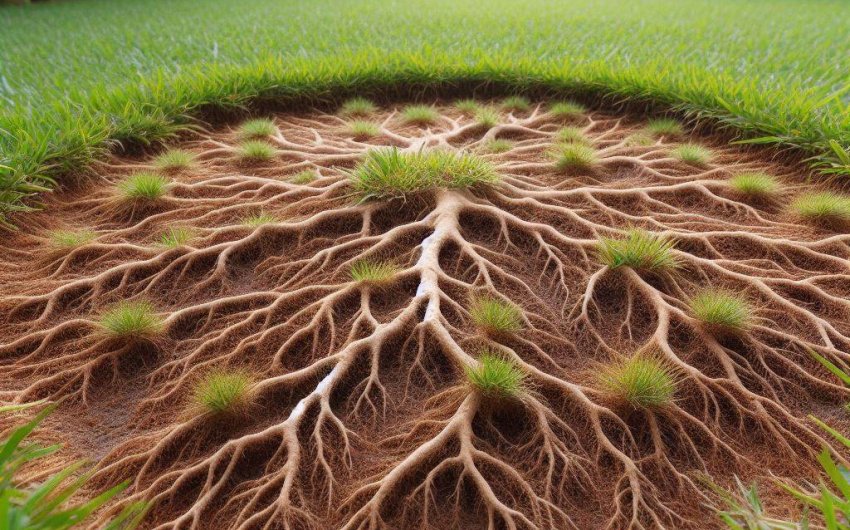
Preventing lawn root rot primarily involves improving drainage and managing watering practices to ensure the soil never remains waterlogged for extended periods. Healthy soil structure, proper lawn care, and good air circulation are key to maintaining a vigorous root system resilient to fungal attacks.
What is Lawn Root Rot and Why is it Harmful?
Lawn root rot is a destructive condition that affects the root system of grass, leading to significant damage and often death of the turf. It's primarily caused by various soil-borne fungi that thrive in specific environmental conditions.
What is Happening to the Roots?
When a lawn develops root rot, the fungal pathogens attack the grass roots. Healthy grass roots are typically white, firm, and extensive, effectively absorbing water and nutrients. In contrast, roots affected by root rot become:
- Discolored: Turning brown, black, or dark gray.
- Mushy and Soft: Losing their firm texture and becoming slimy or easily squished.
- Decaying: The outer layers of the root may slough off, leaving only a thin stringy core.
- Stunted: The root system may be severely reduced, unable to support the plant.
Why is it Harmful to Your Lawn?
Root rot is devastating because the roots are the lifeblood of your grass.
- Inability to Absorb Water and Nutrients: As roots decay, they lose their function. Even if the soil is wet, the grass cannot take up water, leading to drought-like symptoms.
- Yellowing and Browning Grass Blades: Without proper water and nutrient uptake, the grass blades become stressed, turn yellow, then brown, and eventually die.
- Patchy and Thinning Lawn: Root rot often appears as irregular patches of dying or dead grass, which can spread rapidly. The affected areas become thin and eventually bare.
- Increased Susceptibility to Other Problems: A weakened lawn is more vulnerable to other diseases, insect infestations, and weed encroachment.
- Difficult to Recover: Once root rot is established, especially in severe cases, it can be very challenging to eradicate without significant intervention, often requiring reseeding or sodding of affected areas.
- Foul Odor: In some cases, severely rotted areas may emit a foul, musty, or sulfurous odor due to anaerobic decomposition.
The Role of Fungi
Several types of fungi can cause root rot, with Pythium and Rhizoctonia being common culprits. These fungi are ubiquitous in soil, meaning they are almost always present. However, they only become problematic when environmental conditions favor their rapid growth and infection.
The Overriding Factor: Lack of Oxygen (Anaerobic Conditions)
The key environmental trigger for root rot is prolonged saturation of the soil, leading to a lack of oxygen.
- Oxygen for Roots: Grass roots, like all living organisms, need oxygen to respire and function.
- Oxygen for Good Microbes: Beneficial soil microbes, which help keep harmful fungi in check, also need oxygen.
- Fungus Thrives: When soil becomes waterlogged, oxygen is driven out. This creates an anaerobic (oxygen-deprived) environment that is perfect for the proliferation of root rot fungi, while simultaneously weakening the grass roots and beneficial microbes.
Therefore, preventing lawn root rot fundamentally means preventing the conditions that lead to prolonged soggy, oxygen-deprived soil.
What Are the Main Causes of Lawn Root Rot?
Lawn root rot doesn't just happen; it's almost always a symptom of underlying problems that lead to excessive moisture around grass roots. Identifying these causes is key to prevention.
1. Poor Soil Drainage
This is the number one culprit. If water doesn't drain freely through the soil, it will sit and suffocate grass roots.
- Heavy Clay Soil: Clay particles are very fine and pack tightly, leaving little space for water and air. Clay soils become easily waterlogged.
- Compacted Soil: Over time, foot traffic, heavy machinery, or even rain can compact soil, reducing pore space and hindering water infiltration. This is especially true for clay or silty soils.
- Hardpan: A dense, impermeable layer of soil or rock beneath the topsoil can prevent drainage, creating a perched water table above it.
- Poor Grading: Slopes that direct water into a low-lying area of your lawn, or flat areas with no subtle grade for runoff, can lead to standing water.
2. Overwatering
Applying too much water, too frequently, is a common and preventable cause of root rot.
- Too Much Water at Once: Flooding the lawn can saturate the soil beyond its capacity, especially if drainage is already poor.
- Too Frequent Watering: Watering every day, or every other day, keeps the topsoil constantly damp. This promotes shallow root growth (as roots don't need to grow deep for water) and doesn't allow the soil to dry out between waterings, creating a continuously soggy environment.
- Watering at the Wrong Time: Watering in the evening or at night means the lawn stays wet for longer periods, as evaporation is slower in cool, dark conditions. This provides ideal conditions for fungal growth.
3. Excessive Thatch Buildup
Thatch is a layer of dead and living organic material (stems, roots, clippings) that accumulates between the soil surface and the green grass blades.
- Water Retention: A thick layer of thatch (over 1/2 inch) acts like a sponge, holding moisture near the surface of the soil and crown of the grass plants.
- Reduced Air Circulation: Thatch can also restrict air movement into the soil.
- Shallow Rooting: Grass roots tend to grow within the thatch layer rather than deeper into the soil, making them more vulnerable to drought and disease.
4. Poor Air Circulation
While related to compaction and thatch, overall air circulation can also be a factor.
- Dense Shrubbery/Trees: Overhanging trees or dense shrubs can block air movement, keeping the lawn surface damp for longer.
- Overcrowded Planting: In specific areas, if grass is too dense, it can inhibit air flow.
5. Weakened or Stressed Grass
While not a direct cause, grass that is already weak or stressed is more susceptible to root rot.
- Nutrient Deficiency/Imbalance: Lack of proper nutrients can weaken the grass.
- Mowing Too Short: Scalping the lawn stresses the grass and reduces its ability to photosynthesize effectively, weakening its defense mechanisms.
- Disease/Pest Infestations: Existing problems can weaken roots, making them easier targets for root rot fungi.
By understanding these root causes, you can implement targeted strategies to prevent lawn root rot and maintain a healthy, vibrant lawn.
How Can I Improve My Lawn's Drainage to Prevent Root Rot?
Improving drainage is the single most effective way to prevent lawn root rot. If water can't drain away, the soil remains waterlogged, creating the perfect anaerobic environment for root rot fungi.
1. Core Aeration
- What it is: This involves using a machine to remove small plugs (cores) of soil from your lawn.
- How it Helps:
- Relieves Compaction: It breaks up compacted soil, creating channels for water, air, and nutrients to penetrate deeper into the root zone.
- Improves Water Infiltration: Allows water to soak into the ground rather than pooling on the surface.
- Promotes Deeper Roots: Encourages grass roots to grow deeper, making them more resilient.
- Best Practice:
- Timing: Aerate in the fall or spring when grass is actively growing and can recover quickly. Avoid aerating during hot, dry periods or when grass is stressed.
- Frequency: For lawns with heavy clay or significant compaction, aerate annually. For healthier lawns, every 2-3 years may suffice.
- Tools: You can rent a core aerator from a garden center or hire a professional lawn care service. For very small areas, a manual core aerator can be used. Leave the soil plugs on the lawn to break down and add organic matter.
2. Topdressing with Organic Matter
- What it is: Spreading a thin layer of organic material over your lawn.
- How it Helps:
- Improves Soil Structure: Over time, the organic matter works its way into the soil, improving its ability to hold air and water. It helps heavy clay soils become more granular and light sandy soils retain more moisture.
- Enhances Drainage: Reduces compaction and increases pore space, allowing water to drain more efficiently.
- Feeds Soil Microbes: Boosts the population of beneficial microbes that contribute to healthy soil.
- Best Practice:
- Material: Use a thin (1/4 to 1/2 inch) layer of high-quality compost or composted manure. Avoid fresh manure or uncomposted wood chips directly on the lawn.
- Timing: Apply after aeration, as the holes provide an easy entry point for the organic matter.
- Frequency: Annually or bi-annually, especially for problem areas.
3. Correcting Grading and Low Spots
- What it is: Physically altering the slope of the land to ensure proper water runoff.
- How it Helps: Prevents water from pooling in depressions, which are prime locations for root rot. Water should drain away from your home and landscape beds.
- Best Practice:
- Identify Problem Areas: Observe your lawn during and after heavy rainfall to identify areas where water collects.
- Fill Low Spots: For minor depressions, fill them gradually with a mixture of topsoil and sand, then reseed or sod.
- Regrading: For severe grading issues, you may need to hire a professional to reshape the landscape.
- French Drains: In persistently wet areas, installing a French drain (a trench with a perforated pipe, gravel, and fabric) can effectively divert excess subsurface water away.
4. Improving Soil Composition
- What it is: Directly addressing the composition of your soil.
- How it Helps: If you have extremely heavy clay soil throughout your yard, significant amendments can improve its long-term drainage.
- Best Practice:
- Incorporate Coarse Sand: For very heavy clay, incorporating coarse sand (never fine sand or play sand, which can worsen compaction) along with organic matter can help. This is often best done during initial lawn installation or significant renovation.
- Gypsum (Limited Use): While gypsum can sometimes help break up certain types of clay soil by improving aggregation, its effects are often temporary and limited, especially for non-sodic clays. It's not a universal solution for drainage. A soil test can determine if gypsum might be beneficial for your specific clay type.
By implementing these strategies, you create a soil environment where grass roots can breathe, significantly reducing the risk of lawn root rot.
What Are the Best Watering Practices to Prevent Lawn Root Rot?
Overwatering is a leading cause of lawn root rot. Adopting smart watering practices is essential to ensure your grass gets enough moisture without becoming waterlogged.
1. Water Deeply and Infrequently
- Concept: This is the golden rule of lawn watering. Instead of light, frequent sprinkles, water long enough for the moisture to penetrate 4-6 inches into the soil.
- Why it Works:
- Encourages Deep Roots: Deep watering forces grass roots to grow further down into the soil in search of moisture, making them stronger, more resilient, and less susceptible to drought stress and surface fungal issues.
- Allows Soil to Dry: Between deep watering sessions, the top layers of soil are allowed to dry out. This is crucial as it reintroduces oxygen into the root zone, which suffocated in waterlogged conditions, and discourages the growth of root rot fungi.
- How Much? Aim for about 1 inch (2.5 cm) of water per week, including rainfall.
- You can measure this by placing an empty tuna can or rain gauge in your sprinkler's path to see how long it takes to collect 1 inch of water.
- For example, if it takes 30 minutes to apply 1/2 inch, you'd water for 30 minutes twice a week.
2. Water in the Early Morning
- Timing: The absolute best time to water your lawn is in the early morning, typically between 4 AM and 9 AM.
- Why it Works:
- Minimizes Evaporation: The air is cooler and calmer, reducing water loss to evaporation.
- Allows Leaves to Dry: Grass blades have ample time to dry off before nightfall. Wet foliage overnight is a major contributor to various fungal diseases, including some that affect roots.
- Reaches Roots Before Heat: The water can penetrate the soil and be absorbed by roots before the heat of the day increases the plant's water demand.
3. Avoid Evening or Night Watering
- Why it's Bad: Watering in the evening or at night keeps the grass blades and soil surface wet for extended periods (often 10-12 hours or more). This stagnant moisture creates an ideal breeding ground for root rot fungi and other lawn diseases.
4. Adjust Watering Based on Conditions
- Weather: Reduce watering during cool, cloudy, or rainy periods. Increase it during hot, dry, or windy weather.
- Soil Type: Sandy soils drain quickly and may need more frequent (but still deep) watering than heavy clay soils, which retain water longer.
- Grass Type: Different grass species have different water requirements.
- Signs of Thirst: Look for visual cues like grass blades turning a dull bluish-gray, footprints remaining visible after walking on the lawn, or blades curling. These are signs the lawn needs water.
5. Check Your Sprinkler System
- Uniform Coverage: Ensure your sprinklers provide even coverage. Areas that receive too much water are prone to rot. Perform a "catch can" test to check uniformity.
- No Runoff: If water starts to run off before you've applied enough, stop watering for an hour or two to let it soak in, then resume. This is known as cycle and soak watering.
- Maintenance: Regularly check for broken or clogged sprinkler heads.
By implementing these strategic watering practices, you prevent the prolonged soggy conditions that lead to root rot, ensuring your lawn's roots remain healthy and well-oxygenated.
How Do Lawn Maintenance Practices Affect Root Rot Prevention?
Beyond watering and drainage, overall lawn maintenance practices play a significant role in creating a healthy environment that naturally resists root rot and other diseases. A strong, vigorous lawn is your best defense.
1. Proper Mowing Height
- Recommendation: Mow your grass at the highest recommended height for your specific grass type (typically 2.5 to 3.5 inches).
- Why it Helps Prevent Root Rot:
- Promotes Deeper Roots: Taller grass blades encourage roots to grow deeper, making them more robust and resilient. Shallow roots are more susceptible to rot.
- Shades Soil: Taller grass blades shade the soil surface, keeping it cooler and reducing water evaporation, thus maintaining more consistent soil moisture.
- Improves Photosynthesis: More leaf blade area means more photosynthesis, leading to a stronger, healthier plant.
2. Mowing Frequency and Sharp Blades
- Frequency: Mow regularly enough so that you are removing no more than one-third of the grass blade length at each mowing.
- Sharp Blades: Always use a sharp mower blade.
- Why it Helps:
- Clean Cuts: Sharp blades make clean cuts, which heal quickly. Dull blades tear and shred grass blades, creating ragged wounds that are vulnerable to disease entry and stress the plant.
- Reduced Stress: Mowing correctly reduces overall stress on the grass, allowing it to direct energy towards root health rather than recovery from injury.
3. Thatch Management (Dethatching)
- What is Thatch: A layer of dead and living organic material that accumulates between the soil surface and the green grass blades.
- Why Excess Thatch is Bad (and promotes root rot):
- Traps Moisture: A thick layer of thatch (over 1/2 inch) acts like a sponge, holding excess moisture around the crown of the grass plants, promoting fungal growth.
- Blocks Air and Water: It can prevent water, nutrients, and crucial oxygen from reaching the soil and roots.
- Promotes Shallow Roots: Grass roots tend to grow within the thatch layer, making them weak and prone to rot and drought stress.
- Solution:
- Dethatching: If your thatch layer is excessive, physically remove it using a dethatching rake or a power dethatcher (rentable).
- Timing: Dethatch in the fall or spring when the grass is actively growing and can recover.
- Regular Core Aeration: This helps to manage thatch by breaking it up and incorporating it into the soil.
- Leave Clippings (if short): Short grass clippings can be left on the lawn to break down and add nutrients, but ensure they are short enough to decompose quickly and not contribute to thatch buildup.
4. Proper Fertilization
- Why it Helps: A balanced fertilization program provides the necessary nutrients for strong, healthy grass growth, building a robust root system capable of resisting disease.
- Best Practice:
- Soil Test: Perform a soil test every few years to determine your lawn's specific nutrient needs and pH.
- Balanced Nutrients: Apply fertilizers based on soil test recommendations. Avoid excessive nitrogen, which can promote lush top growth at the expense of root development and make grass more susceptible to disease.
- Slow-Release Fertilizers: Opt for slow-release nitrogen fertilizers, which provide a steady supply of nutrients rather than a sudden flush. Milorganite is a popular organic choice.
- Timing: Fertilize according to the needs of your grass type and climate, typically in fall and spring.
By integrating these sound lawn maintenance practices, you contribute to the overall health and vigor of your turf, creating a resilient lawn that is naturally more resistant to root rot.
What Are Other Environmental Factors and Solutions for Preventing Root Rot?
Beyond direct watering and soil issues, several other environmental factors can contribute to lawn root rot. Addressing these holistic elements provides a more complete strategy for prevention.
1. Sunlight and Air Circulation
- Problem: Shady, damp areas with poor air circulation create persistently moist conditions on the soil surface and grass blades, favoring fungal growth. Dense trees, shrubs, or structures can exacerbate this.
- Solution:
- Pruning: Thin out dense tree canopies or limb up lower branches to allow more sunlight to reach the lawn and improve air movement.
- Strategic Planting: Consider if grass is the best choice for persistently shady and damp spots. Perhaps shade-loving groundcovers or a shade garden would be more appropriate.
- Spacing: Ensure adequate spacing between turf and surrounding landscape plants to promote airflow.
2. Soil pH
- Problem: Extreme soil pH (too acidic or too alkaline) can stress grass roots and make them more vulnerable to disease. Some root rot fungi thrive in specific pH ranges.
- Solution:
- Soil Test: Regularly test your soil's pH.
- Amend as Needed:
- If soil is too acidic (low pH), apply agricultural limestone to raise the pH.
- If soil is too alkaline (high pH), apply elemental sulfur to lower the pH.
- Gradual Changes: Soil pH adjustments take time. Apply amendments gradually over several seasons.
3. Proper Grass Selection
- Problem: Planting a grass type that is not well-suited to your climate or specific site conditions (e.g., too much shade, heavy soil) will result in a weak lawn prone to disease.
- Solution:
- Choose Adapted Grass: Select grass varieties that are known to thrive in your USDA Hardiness Zone and local climate conditions.
- Consider Site Conditions: If you have areas with persistent shade or heavy soil, research grass varieties that are more tolerant of these conditions (e.g., certain fescues for shade). However, remember that no grass will thrive in constantly waterlogged soil.
4. Addressing Known Disease Patches
- Problem: If you've had root rot in specific areas before, the fungal pathogens are likely still present in the soil.
- Solution:
- Remove Affected Turf: For severely affected, dead patches, dig out the diseased soil and replace it with fresh, healthy topsoil before reseeding or sodding.
- Improve Drainage in That Area: Focus intensely on improving drainage in historically problematic areas.
- Fungicides (Last Resort, Professional Advice): For persistent, severe, or widespread outbreaks, a systemic fungicide might be considered. However, this is generally a last resort, as it doesn't solve the underlying environmental problems that cause root rot. Always consult with a local extension office or certified lawn care professional before applying fungicides, as improper use can cause more harm. Focus on cultural controls first.
5. Prevent Compaction in High-Traffic Areas
- Problem: Repeated foot traffic or vehicle use can quickly compact soil, especially in pathways or play areas.
- Solution:
- Create Pathways: Install stepping stones, pavers, or mulch pathways in high-traffic areas to direct foot traffic away from turf.
- Regular Aeration: Regularly aerate these compact-prone areas.
By considering and managing these broader environmental factors in conjunction with proper watering, drainage, and maintenance, you can create a truly resilient lawn that is well-equipped to prevent root rot and stay healthy for years to come.