
How to Deal with Fairy Rings in Your Lawn?
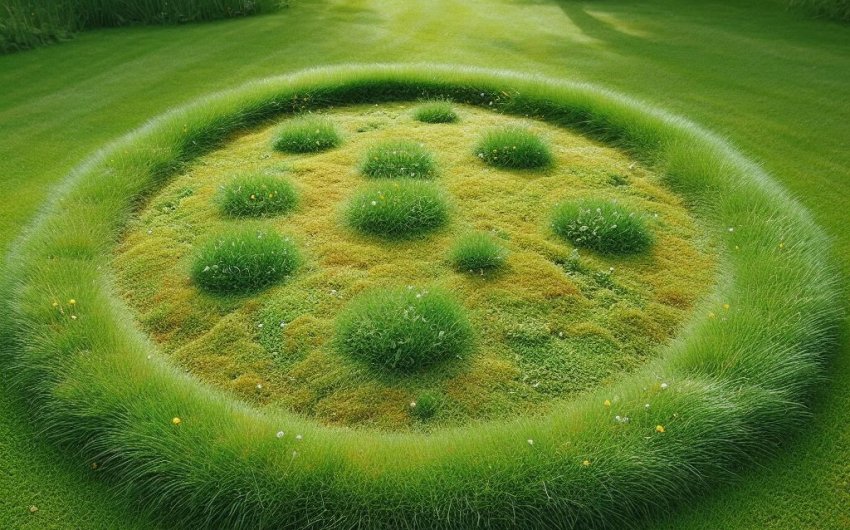
Dealing with fairy rings in your lawn involves a combination of cultural practices, targeted treatments, and often, patience, as completely eradicating the underlying fungus can be challenging. Focus on improving soil health and addressing the conditions that allow the fungus to thrive.
What Exactly Are Fairy Rings in My Lawn?
Fairy rings are a common and often puzzling lawn phenomenon, appearing as circular or semi-circular patterns of mushrooms, dark green grass, or dead/stressed grass. They are caused by the underground growth of certain types of fungi, making them more than just surface-level mushroom rings.
The Science Behind Fairy Rings
- Fungal Growth: Fairy rings are not caused by one single fungus but by over 60 different species of basidiomycete fungi. These fungi are saprophytic, meaning they feed on decaying organic matter in the soil.
- The Mycelial Mat: What you see above ground is just a small part of the fungal organism. The main body of the fungus is an extensive network of thread-like structures called mycelia, which grow outwards in a circular pattern from a central point.
- Source of Organic Matter: The fungus typically starts growing on a buried piece of decaying organic matter, such as old tree stumps, roots, construction debris (like buried lumber), or even thick layers of thatch.
- Outward Expansion: As the fungus consumes nutrients in the soil, its mycelial network expands outwards, often at a rate of several inches to over a foot per year. The center of the circle is the oldest part, where nutrients may be depleted.
Visible Signs of a Fairy Ring
Fairy rings can manifest in several ways, often categorized into different "types":
- Type I (Necrotic Ring): This is the most damaging type. The fungus produces compounds that create a hydrophobic (water-repellent) layer in the soil, making it difficult for water to penetrate. This leads to:
- An outer ring of dark green, stimulated grass (due to nitrogen release from fungal activity).
- An inner ring or patch of dead or dying grass (due to water stress and nutrient depletion from the dense fungal mat).
- Mushrooms may or may not be present, but the dead grass is the most obvious sign.
- Type II (Stimulated Growth Ring): This type is characterized by:
- A distinct ring of lush, dark green, fast-growing grass.
- No dead grass within the ring.
- This is due to the fungus breaking down organic matter and releasing nutrients, particularly nitrogen, which acts as a fertilizer for the grass.
- Mushrooms may or may not be present, usually appearing at the outer edge of the dark green ring.
- Type III (Mushroom Ring): This is the most commonly recognized type and often the least problematic for the lawn itself.
- A ring of mushrooms (the fruiting bodies of the fungus) appears, typically after a period of rain.
- The grass within the ring may appear normal or slightly greener.
- These mushrooms are simply the reproductive part of the fungus. Many species are non-toxic, but some can be poisonous, so it's best not to consume them.
Why Do They Form a Ring?
The circular pattern occurs because the mycelium grows outwards uniformly from its starting point. The mushrooms appear at the leading edge of the fungal growth, where the mycelium is most active in breaking down organic matter and where conditions are optimal for fruiting. The green ring is where nitrogen is released, and the dead ring is where water is repelled and nutrients are depleted by the dense fungal mat.
Fairy rings are a natural part of the soil ecosystem, but their aesthetic impact and potential damage to lawns often lead homeowners to seek management strategies.
Can I Get Rid of Fairy Rings Completely?
Completely getting rid of fairy rings in your lawn can be very challenging and often requires aggressive measures. The fungus exists deep within the soil, and simply treating the surface or removing the mushrooms won't eradicate the entire mycelial network. Patience and a multi-pronged approach are usually necessary.
Why Complete Eradication is Difficult
- Extensive Underground Mycelium: The visible ring is just the tip of the iceberg. The fungal body (mycelium) can extend several feet deep into the soil and spread outwards significantly beyond the visible ring.
- Hard to Access: Reaching and killing all parts of this underground network without destroying the entire lawn area is difficult with common methods.
- Resilience: Fungi are resilient organisms. If even a small piece of the mycelium survives, the fairy ring can regenerate.
- Continuous Food Source: The fungus feeds on decaying organic matter. Unless this underlying food source is completely removed or depleted, the fungus will persist.
Methods for Eradication (Aggressive and Labor-Intensive)
For Type I fairy rings (those causing dead grass), complete removal is often the most effective, albeit drastic, solution.
Physical Removal:
- Excavation: Dig out the entire affected area. You need to dig beyond the visible ring, typically 1-2 feet beyond the outer edge of the ring and at least 1 foot deep, to ensure you remove the entire fungal mat and its food source (e.g., old tree roots).
- Dispose of Soil: Bag and dispose of the excavated soil and turf. Do NOT put it in your compost pile, as you risk spreading the fungus.
- Refill: Refill the hole with fresh, uncontaminated topsoil, preferably a high-quality loam.
- Reseed/Sod: Rake the area smooth and reseed or lay new sod.
- Drawbacks: This is very labor-intensive, disruptive to the lawn, and expensive if hiring professionals. It creates a noticeable patch in the lawn.
Fumigation (Professional Only):
- In extreme cases, particularly on golf courses, chemical fumigants might be used to sterilize the soil. This is not a viable or recommended option for home lawns due to toxicity and complexity.
Why Suppressing Symptoms is More Common
For most home gardeners, especially with Type II (green ring) or Type III (mushroom only) fairy rings, completely digging them out is not practical. Instead, the focus shifts to managing the symptoms and improving overall lawn health to make the conditions less favorable for the fungus.
- Patience: Fairy rings can persist for many years, but some may eventually die out on their own as they deplete their food source or encounter obstacles.
- Containment: Sometimes, aggressive digging out the outer edge of the ring can help slow its spread.
While complete eradication is a lofty goal, focusing on symptom management and creating an environment where the fungus struggles to thrive is often the more realistic and sustainable approach for dealing with fairy rings in your lawn.
How Can I Manage the Symptoms of Fairy Rings?
If complete eradication isn't feasible, managing the symptoms of fairy rings focuses on making them less noticeable and improving the overall health of your lawn. This involves cultural practices that address the fungus's preferred conditions.
1. Address Water Repellency (for Type I Rings)
The biggest issue with Type I rings is the hydrophobic (water-repellent) layer created by the fungus, which causes dead or dying grass.
- Aeration: Repeatedly aerate the affected area. Use a garden fork, an Aerator Tool, or even a core aerator machine to poke holes throughout the ring. Make holes every few inches, penetrating deeply into the soil. This breaks up the fungal mat and allows water and air to penetrate.
- Wetting Agents (Surfactants): Apply a soil wetting agent (surfactant) to the affected area. These products reduce the surface tension of water, allowing it to penetrate the hydrophobic soil layer. Follow product directions carefully.
- Deep Watering: After aerating and applying a wetting agent, water the area deeply and thoroughly for an extended period. This helps rehydrate the soil and the grass.
2. Improve Overall Lawn Health
A healthy, dense lawn can often outcompete or obscure the signs of fairy rings.
- Proper Fertilization: Maintain a consistent fertilization schedule for your entire lawn. This promotes uniform grass growth. For Type II rings (dark green grass), avoid applying extra nitrogen to the ring itself, as this will only make the greener ring more prominent. Instead, ensure the surrounding lawn is well-fed to blend in.
- Adequate Watering: Ensure your lawn receives consistent, deep watering, especially during dry periods. This helps grass stay healthy and masks the rings.
- Dethatching: If you have a thick thatch layer (more than 1/2 inch), consider dethatching. Thick thatch can contribute to fungal growth and poor water penetration.
- Aeration (General): Regular lawn aeration (once a year) improves overall soil health, air circulation, and water infiltration, creating less favorable conditions for some fungi.
3. Masking and Blending
- Regular Mowing: Mowing at a consistent height helps disguise the rings, especially Type II (green rings), by keeping the grass uniform.
- Overseeding: For dead patches within Type I rings, once the water repellency has been addressed, overseed the area with fresh grass seed to fill in the gaps. Apply a light top dressing of fresh soil or compost over the seed.
- Topdressing: Apply a thin layer of compost or fresh topsoil over the entire lawn, particularly the affected areas. This introduces new organic matter and beneficial microbes, which can help break down the existing fungal mat.
4. Remove Mushrooms (Type III Rings)
- Physical Removal: While removing mushrooms doesn't kill the underlying fungus, it does prevent them from spreading spores, and it makes the lawn look tidier. Simply pick or kick off the mushrooms as soon as they appear.
- Safety: If children or pets are present, remove mushrooms promptly as some species can be poisonous.
Managing fairy rings is about persistence. Consistent cultural practices can often make the rings less noticeable over time, allowing your lawn to look healthy even if the fungus is still present underground.
How Can I Prevent Fairy Rings from Forming?
Preventing fairy rings from forming or recurring involves good lawn care practices and addressing the conditions that allow the causal fungi to thrive. The key is to reduce sources of decaying organic matter and promote overall turf health.
1. Remove Buried Organic Matter
- Primary Cause: Fairy rings often start from buried stumps, logs, construction debris (like lumber scraps), large roots, or even excess thatch.
- Before Planting: If you are establishing a new lawn or renovating an area, thoroughly clear the site of any large pieces of wood or other organic debris before laying sod or seeding.
- Existing Lawns: If you suspect a buried stump or large root is the cause, consider carefully excavating and removing it. This can be a major undertaking but is the most direct preventative measure for recurrence in that spot.
2. Promote Good Soil Drainage and Aeration
- Prevent Waterlogging: Fungi that cause fairy rings often thrive in areas with poor drainage and excessive moisture.
- Regular Aeration: Conduct core aeration of your lawn at least once a year, preferably in spring or fall. This improves air and water penetration into the soil, reducing compaction and creating less favorable conditions for the fungus. You can rent a core aerator or use an Aerator Tool.
- Improve Soil Structure: Incorporate organic matter like compost into your soil, especially during lawn establishment or renovation. This improves overall soil structure, drainage, and aeration.
3. Manage Thatch Layer
- Thatch Defined: Thatch is a layer of dead and living grass stems, roots, and stolons that accumulates between the soil surface and the green grass blades.
- Excessive Thatch: A thick thatch layer (more than 1/2 inch) can provide a food source for fairy ring fungi and hinder water and nutrient penetration into the soil.
- Dethatching: Dethatch your lawn annually or biennially if thatch buildup is significant. This can be done with a dethatching rake or a powered dethatcher.
4. Maintain Overall Lawn Health
A healthy, vigorously growing lawn is more resilient and can often mask or outcompete fungal issues.
- Proper Fertilization: Follow a balanced fertilization program that meets the nutritional needs of your specific grass type. Avoid excessive nitrogen, which can lead to rapid, succulent growth that is more susceptible to some diseases.
- Appropriate Watering: Water deeply and infrequently to encourage deep root growth. Avoid light, frequent watering that keeps the soil surface constantly moist, which can favor fungal growth.
- Mow Correctly: Mow at the appropriate height for your grass type. Taller grass shades the soil, helping to conserve moisture and promoting deeper roots.
- Overseeding: Regularly overseed thin areas of your lawn to maintain a dense turf, which can make fairy rings less noticeable and more difficult for the fungus to spread into.
5. Encourage Beneficial Microbes
- Compost Topdressing: Apply a thin layer (1/4 - 1/2 inch) of good quality compost over your lawn annually. Compost introduces a diverse range of beneficial microorganisms that can compete with or break down fairy ring fungi.
- Avoid Over-Application of Fungicides: While fungicides may be used for active fairy rings, avoid their indiscriminate use, as they can also kill beneficial fungi and soil microbes that contribute to overall soil health.
By focusing on these preventative strategies, you can significantly reduce the likelihood of fairy rings taking hold in your lawn and maintain a healthier, more resilient turfgrass environment.
What Are Common Misconceptions About Fairy Rings?
Fairy rings have been part of folklore and garden lore for centuries, leading to several common misconceptions. Understanding the truth behind these myths helps in proper diagnosis and management.
1. Misconception: Fairy Rings are Caused by Fairies Dancing
- Truth: This is the most enduring and charming myth. While enchanting, fairy rings are purely biological, caused by the outward growth of underground fungal mycelium. The name itself comes from ancient European folklore, where these rings were thought to be meeting places for fairies or elves.
2. Misconception: All Mushrooms in the Lawn Mean a Fairy Ring
- Truth: Not all mushrooms in your lawn indicate a fairy ring. Mushrooms are simply the fruiting bodies of various fungi. Many fungi are benign decomposers that appear transiently after rain, feeding on buried organic matter like dead roots or leaves, without forming a distinct ring. A true fairy ring will show a distinct circular or semi-circular pattern in the grass (darker green, dead, or both), not just scattered mushrooms.
3. Misconception: Removing the Mushrooms Will Get Rid of the Fairy Ring
- Truth: Removing the visible mushrooms (fruiting bodies) is a good practice for aesthetics and preventing spore spread, but it has no effect on the underlying fungal mycelium. The mycelium is the main body of the fungus, extending deeply and widely in the soil, and it will continue to grow and produce mushrooms as long as conditions are favorable and its food source exists.
4. Misconception: Fairy Rings Will Just Disappear on Their Own Quickly
- Truth: While some small, isolated fairy rings may eventually die out, many can persist for many years, even decades, growing larger each year. They will only disappear if their food source is depleted, they encounter a barrier, or if environmental conditions become unfavorable for their particular species of fungus.
5. Misconception: Fairy Rings are Always Bad for Your Lawn
- Truth: This depends on the type.
- Type I rings (necrotic/dead grass) are indeed damaging due to water repellency and nutrient depletion.
- Type II rings (dark green grass) are actually a sign that the fungus is releasing beneficial nitrogen, acting as a natural fertilizer. While they can be unsightly if uneven, they aren't harming the grass directly.
- Type III rings (mushrooms only) are largely aesthetic and don't typically cause harm to the turf itself.
- In general, the presence of these saprophytic fungi indicates a healthy ecosystem with active decomposition of organic matter.
6. Misconception: Chemical Fungicides Are Always the Best Solution
- Truth: While some fungicides can suppress fairy rings, they are often difficult to get deep enough into the soil to kill the entire fungal mat. They are also expensive, may require multiple applications, and can harm beneficial soil microbes. Cultural practices like aeration, wetting agents, and promoting overall turf health are often more effective and sustainable for home lawns. Complete excavation remains the most reliable "cure."
By dispelling these common myths, gardeners can approach dealing with fairy rings in their lawn with realistic expectations and adopt the most appropriate and effective management strategies.
When Should I Consider Professional Help for Fairy Rings?
While many cultural practices can help manage fairy rings, there are situations where calling in a professional lawn care service or arborist might be the most effective or necessary approach to deal with them in your lawn.
1. Persistent and Spreading Type I Rings
- Problem: If you have aggressive Type I fairy rings that are causing significant dead or dying patches of grass, and your efforts with aeration, wetting agents, and deep watering aren't making a noticeable difference, professional intervention may be warranted.
- Why a Pro: Professionals have access to stronger, more targeted fungicides (though still not a guaranteed cure) and specialized equipment like deep-tine aerators or injection tools that can penetrate the hydrophobic layer more effectively. They can also accurately identify the underlying fungus species, which might inform treatment.
2. Very Large or Numerous Rings
- Problem: If your lawn is overtaken by multiple or very large fairy rings, managing them individually becomes overwhelming and labor-intensive for a homeowner.
- Why a Pro: A professional service can assess the entire lawn, develop a comprehensive treatment plan, and apply products or perform services efficiently across a large area.
3. Suspected Underlying Large Organic Debris
- Problem: If the fairy ring consistently reappears in the same spot, especially in areas where old trees were removed, there might be a large buried stump or root system fueling the fungus.
- Why a Pro: An arborist or landscape contractor can assess the likelihood of buried debris and, if necessary, safely and efficiently excavate and remove the source of the problem. This often requires heavy equipment.
4. If You Prefer a "Clean Slate" (Excavation)
- Problem: You want the fairy ring completely gone and are willing to undertake the most aggressive solution.
- Why a Pro: Professional landscapers have the crew and equipment to efficiently excavate and remove the affected soil, replace it with fresh topsoil, and re-sod or reseed the area, ensuring proper leveling and preparation. This is often the most expensive option but offers the highest chance of complete eradication.
5. When Mushrooms Are a Safety Concern
- Problem: If you have very young children or pets who might ingest the mushrooms, and identifying/removing them daily is a struggle.
- Why a Pro: While professionals usually can't permanently stop mushroom growth, they can advise on safe removal practices and might suggest fungicides that suppress fruiting for a period.
6. Lack of Time or Expertise
- Problem: You simply don't have the time, physical ability, or confidence to perform the necessary treatments yourself.
- Why a Pro: Delegating the task to experts ensures the problem is addressed with appropriate knowledge and tools, saving you frustration.
Before calling a pro, always thoroughly explain the problem, inquire about their specific approach to fairy rings, and ask for references. Understanding how to deal with fairy rings in your lawn, whether through DIY methods or professional help, is about choosing the most practical and effective solution for your situation.