
Best Techniques to Control Bentgrass in Your Lawn
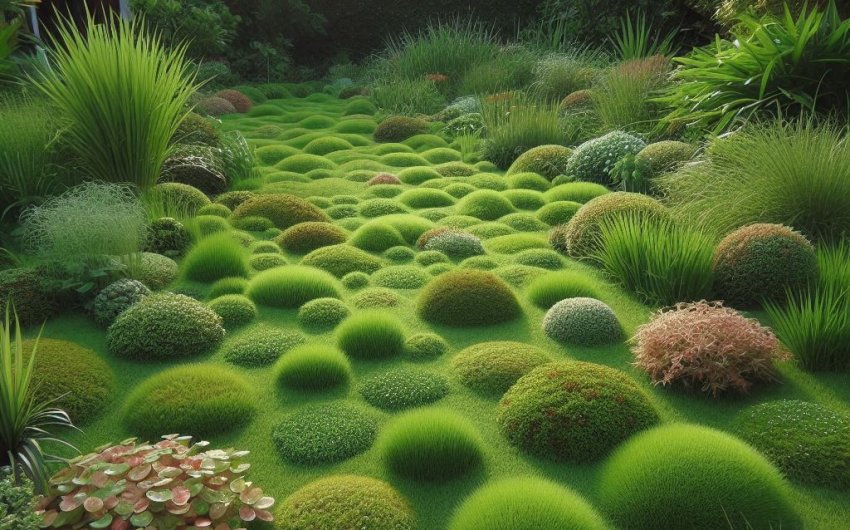
To control bentgrass in your lawn, a multi-faceted approach combining cultural practices, manual removal, and selective herbicides is most effective. Maintaining a dense, healthy turf with proper mowing, watering, and fertilization is key to suppressing this aggressive, low-growing grass.
What is Bentgrass and Why is it a Problem in Lawns?
Bentgrass (Agrostis species) is a fine-bladed, low-growing perennial grass often admired on golf course putting greens. However, when it invades a home lawn, it quickly becomes a problematic weed due to its aggressive growth habit and different maintenance requirements compared to common turfgrasses.
- Appearance: Bentgrass has very fine, narrow blades, a lighter green color than most lawn grasses, and a distinct horizontal, mat-forming growth habit due to its stolons (above-ground runners). It often forms distinct, dense, spreading patches that feel spongy underfoot.
- Aggressive Spreader: It spreads rapidly via stolons, quickly choking out desirable turfgrasses like Kentucky Bluegrass, Fescue, or Ryegrass.
- Different Mowing Needs: Bentgrass thrives on very low mowing heights (0.5 inches or less), which is impractical and detrimental for typical home lawns that are mowed at 2-3 inches. Mowing at regular heights for other grasses leaves bentgrass looking shaggy and out of place.
- High Maintenance: To look good, bentgrass requires frequent, very low mowing, specialized fertilization, and often daily watering, making it unsuitable for a typical home lawn.
- Unsightly Patches: Its different color and texture create unsightly patches and an uneven appearance in a mixed-species lawn.
- Drought Sensitivity: Despite its love for low mowing, bentgrass is surprisingly susceptible to drought stress at typical lawn heights, often turning brown quicker than surrounding grass.
What Are the Cultural Practices to Control Bentgrass?
Strong cultural practices create a healthy lawn that naturally suppresses bentgrass. These methods don't eliminate existing bentgrass quickly, but they make your lawn less hospitable to it.
1. Mowing at the Correct Height
- Raise Mower Blade: Mow your lawn at the highest recommended height for your turfgrass species, typically 2.5 to 3.5 inches.
- Why it Helps: Bentgrass thrives on short mowing. A taller desirable turfgrass shades out the low-growing bentgrass, reducing its vigor and ability to spread. This is one of the most effective long-term deterrents.
- Frequency: Continue regular mowing to remove any seed heads produced by bentgrass, preventing further spread.
2. Proper Watering Techniques
- Water Deeply and Infrequently: Encourage deep root growth in your desirable turfgrass by watering thoroughly (1 inch of water) but allowing the soil to dry out between waterings.
- Avoid Frequent, Shallow Watering: Bentgrass has shallow roots and thrives on frequent, light watering. This practice creates the ideal moist environment bentgrass loves, while discouraging deeper-rooted grasses.
- Morning Watering: Water in the early morning to allow grass blades to dry quickly, which reduces humidity and discourages fungal diseases that bentgrass is prone to.
3. Fertilization Strategies
- Balanced Fertilization: Fertilize your lawn based on a soil test, providing balanced nutrients without over-applying nitrogen.
- Avoid Excess Nitrogen: High nitrogen applications can disproportionately benefit bentgrass, making it grow faster and spread more aggressively.
- Focus on Overall Lawn Health: A strong, healthy, and dense turfgrass outcompetes bentgrass for nutrients, light, and water.
4. Improve Soil Drainage and Aeration
- Bentgrass Loves Wet Feet: Bentgrass thrives in compacted, poorly draining soils.
- Aeration: Core aeration helps relieve soil compaction, allowing air, water, and nutrients to penetrate deeper into the root zone. This benefits desirable turfgrasses and makes the environment less favorable for bentgrass. You can rent a Lawn Aerator.
- Topdressing: Applying a thin layer of compost or sand (for clay soils) after aeration can further improve soil structure and drainage over time.
5. Overseeding
- Increase Turf Density: Overseed your lawn regularly with desirable turfgrass varieties. A dense lawn leaves less room and fewer resources for bentgrass to establish and spread.
- Timing: The best time to overseed cool-season grasses is late summer to early fall. For warm-season grasses, it's late spring to early summer. Use quality Grass Seed Mix appropriate for your region.
What Are the Manual and Non-Chemical Techniques to Control Bentgrass?
For smaller infestations, manual removal and other non-chemical methods can be effective ways to control bentgrass in your lawn.
1. Manual Removal (Digging It Out)
- Best for Small Patches: This method is most effective for small, isolated patches of bentgrass.
- Method:
- Use a shovel or spade to dig up the entire patch, making sure to get all the stolons and roots. Bentgrass has very shallow roots, but its stolons spread widely.
- Remove a few inches beyond the visible patch to ensure you get all the runners.
- Carefully remove all excavated bentgrass material; even small pieces can re-root.
- Refill the hole with fresh soil and reseed or patch with sod.
- Persistence is Key: Bentgrass is tenacious. Be prepared to repeat this process if new growth emerges from missed stolons.
2. Smothering
- For Larger Patches: If you have a larger, but still manageable, patch of bentgrass, you can smother it.
- Method:
- Mow the affected area as short as possible.
- Cover the bentgrass patch with a layer of cardboard or several layers of newspaper.
- Cover the cardboard/newspaper with a thick layer (6-12 inches) of organic material like compost, wood chips, or straw.
- Leave it in place for several months (or a full growing season) to completely kill the bentgrass.
- Once killed, you can amend the soil and reseed the area.
3. Solarization
- Utilizing Sunlight: This method uses the sun's heat to kill bentgrass and other weeds.
- Method:
- Mow the affected area very short.
- Water the area thoroughly to moisten the soil.
- Cover the patch tightly with clear plastic sheeting (4-6 mil thick). Bury the edges of the plastic with soil to seal it in and trap heat.
- Leave the plastic in place for 4-8 weeks during the hottest part of the summer. The sun's heat will "cook" the bentgrass.
- Remove the plastic and prepare the area for reseeding.
What Are the Chemical Control Options for Bentgrass?
For widespread or stubborn infestations, chemical control options may be necessary to control bentgrass in your lawn. However, these often require careful application and may affect desirable grasses.
1. Non-Selective Herbicides (Glyphosate)
- How it Works: Glyphosate (like Roundup Weed and Grass Killer) kills almost all green plants it contacts, including bentgrass and desirable turfgrass.
- Use Cases: Best for spot treatments of isolated patches where you are willing to kill the surrounding lawn as well.
- Method:
- Apply carefully to the bentgrass patch on a calm, non-windy day to avoid drift onto desirable grass.
- Allow 7-10 days for the bentgrass to die completely.
- Once dead, remove the thatch and dead grass, prepare the soil, and reseed or lay new sod.
- Caution: This method leaves bare spots that will need to be re-established.
2. Selective Herbicides (Mesotrione)
- How it Works: Mesotrione is a pre-emergent and post-emergent herbicide that can suppress or control bentgrass in certain turfgrass types without killing them. It is commonly found in products like Tenacity.
- Use Cases: Used in cool-season turf (Kentucky Bluegrass, Tall Fescue, Perennial Ryegrass) to suppress or control bentgrass. It won't kill bentgrass outright but can stunt its growth and make it more manageable.
- Method:
- Follow product label instructions precisely, including mixing rates, application frequency, and timing.
- Often requires multiple applications over several weeks or months.
- May cause temporary whitening (bleaching) of desirable turfgrass, which usually recovers.
- Availability: Professional-grade mesotrione products are available, but home garden formulations designed for homeowner use may be less potent or specifically formulated for certain turf types. Read labels carefully.
3. Ethofumesate
- How it Works: Ethofumesate (often sold under brand names like Prograss) is a selective herbicide used to control bentgrass in certain desirable turfgrasses, primarily cool-season grasses.
- Use Cases: Similar to mesotrione, it's a specialized product often used by professionals for more aggressive bentgrass control.
- Caution: Requires very precise application as per label instructions to avoid damaging desirable turf.
General Chemical Control Cautions:
- Read the Label: Always read and strictly follow all product label instructions. This includes application rates, safety precautions, environmental considerations, and what types of turfgrass it can be used on.
- Personal Protective Equipment (PPE): Wear appropriate gloves, eye protection, and long sleeves/pants.
- Timing: Apply herbicides when bentgrass is actively growing for best results.
- Avoid Rain/Wind: Do not apply before rain or on windy days to prevent runoff and drift.
- Children and Pets: Keep children and pets off treated areas until the product has dried or as specified on the label.
What Are the Long-Term Prevention Strategies for Bentgrass?
Once you've managed an existing bentgrass infestation, long-term prevention is crucial to ensure it doesn't return to control bentgrass in your lawn effectively.
1. Maintain a Dense, Healthy Lawn
- Vigorous Turf: This is your primary defense. A thick, healthy lawn simply outcompetes bentgrass and leaves no room for it to establish.
- Proper Care: Continue all the cultural practices discussed earlier: high mowing, deep and infrequent watering, and balanced fertilization.
2. Regular Monitoring
- Early Detection: Regularly walk your lawn and inspect for any new patches of bentgrass. The sooner you catch it, the easier it is to remove manually.
3. Address Drainage Issues Proactively
- If you have low spots or areas with perpetually wet soil, take steps to improve drainage. This could involve installing a French drain, grading the land, or ongoing aeration and topdressing with compost.
4. Clean Equipment
- If you've mowed an area with bentgrass, clean your mower blades and equipment thoroughly before moving to unaffected areas. This prevents spreading bentgrass stolons or seeds.
5. Be Careful with Imported Soil/Sod
- If bringing in new topsoil or laying sod, ensure it's from a reputable source and free of bentgrass seeds or rhizomes.
6. Consider Grass Type
- If you're in an area highly prone to bentgrass invasion, research turfgrass varieties that are known to be more competitive against it, or those that blend in better with its appearance if complete eradication proves impossible.
The Patience and Persistence Needed to Control Bentgrass
Controlling bentgrass in your lawn is rarely a quick fix; it's a marathon, not a sprint. Its aggressive spreading nature and ability to thrive in common lawn conditions make it a persistent weed. However, by consistently applying cultural best practices, promptly addressing new invasions with manual removal or targeted herbicides, and committing to a healthy, dense lawn, you can effectively manage and significantly reduce the presence of this unwanted grass. The effort will result in a more uniform, healthy, and visually appealing lawn you can be proud of.