
The Science Behind Lawn Aeration and Why It Matters
Maintaining a healthy lawn involves more than just regular mowing and watering. One of the key techniques for keeping your lawn vibrant and resilient is lawn aeration. Aeration may look like a simple process, but it’s backed by scientific principles that have a significant impact on the health of your grass. From improving soil structure to enhancing root growth, aeration brings a multitude of benefits that can transform your lawn. This guide dives into the science behind aeration, how it works, and why it’s essential for a thriving lawn.
What is Lawn Aeration?
Lawn aeration is the process of creating small holes in the soil to allow air, water, and nutrients to penetrate the grassroots more effectively. Aeration helps break up compacted soil and reduces thatch buildup, making it easier for the roots to grow and absorb the essentials they need. There are two primary methods of aeration:
- Core Aeration: This method uses a core aerator to remove small plugs of soil from the lawn, which opens up the soil and reduces compaction.
- Spike Aeration: This method uses a spike aerator to poke holes in the soil without removing any material. While effective for minor compaction, it doesn’t provide the same long-term benefits as core aeration.
Why Lawn Compaction is a Problem
Over time, soil can become compacted due to foot traffic, rainfall, and even regular lawn maintenance. Compacted soil restricts the movement of air, water, and nutrients to the roots, leading to weakened grass that is more susceptible to diseases and weeds.
Effects of Soil Compaction
- Reduced Root Growth: Compacted soil makes it difficult for roots to grow deep, which weakens the grass.
- Water Runoff: Instead of seeping into the soil, water often runs off compacted areas, reducing moisture availability.
- Poor Air Circulation: Compacted soil lacks proper oxygen levels, which are essential for root respiration and growth.
The Science Behind Aeration: How It Works
Aeration introduces air pockets into the soil, which promotes root health by increasing oxygen levels and improving nutrient absorption. When soil is loosened through aeration, several positive changes occur that enhance the overall structure and fertility of the lawn.
Improving Soil Structure
Healthy soil is made up of sand, silt, clay, and organic matter that form an intricate structure. Compaction destroys this structure, leading to poor growth. Aeration breaks up dense soil particles, creating room for air, water, and nutrients to move freely. This improvement in soil structure allows roots to expand and strengthens the grass.
- Organic Matter Breakdown: Aeration helps with the decomposition of thatch (a layer of dead grass and organic matter). As oxygen flows into the soil, beneficial microbes break down thatch faster, preventing buildup.
- Increased Microbial Activity: Oxygen-rich soil supports beneficial organisms that improve soil fertility and keep it aerated over time.
Enhancing Water Absorption
When soil is compacted, water often runs off rather than being absorbed. Aeration allows water to penetrate deeper into the soil, where it can be accessed by the roots. This increased water absorption not only prevents runoff but also supports consistent hydration for the grass.
- Moisture Retention: With more room for water to enter, the soil holds onto moisture longer, reducing the need for frequent watering.
- Prevents Puddling: Aeration helps prevent puddling after rainfall by allowing water to drain properly.
Promoting Root Growth
Aeration enables roots to grow deeper into the soil by reducing compaction. Deep-rooted grass is more resilient to stress, including drought, heat, and heavy foot traffic.
- Deeper Roots: Grass with deep roots is better equipped to absorb water and nutrients.
- Resilience to Stress: Deep roots make grass more durable, helping it withstand extreme weather and improve overall lawn health.
Benefits of Lawn Aeration
The benefits of lawn aeration extend far beyond simply relieving compaction. By improving soil structure, water absorption, and root growth, aeration creates an environment where grass can thrive. Here’s a closer look at the benefits:
1. Improved Nutrient Uptake
Aeration increases the amount of nutrients that reach the roots by allowing fertilizers and other nutrients to penetrate deeper into the soil.
- Enhanced Fertilizer Efficiency: When you apply lawn fertilizer after aerating, nutrients reach the roots more effectively, resulting in better growth.
- Balanced pH Levels: Aeration allows amendments like lime or sulfur to penetrate the soil, helping to maintain balanced pH levels.
2. Reduction of Thatch Buildup
Thatch is a layer of dead grass, roots, and debris that forms between the soil and live grass. When thatch becomes too thick, it can prevent water and nutrients from reaching the roots.
- Faster Decomposition: By increasing airflow, aeration speeds up the decomposition of thatch, keeping it in check.
- Prevent Disease: Thatch buildup often harbors pests and diseases. Aeration reduces this risk by promoting a healthier soil environment.
3. Increased Drought Resistance
Aeration encourages the growth of deep, strong roots, which makes grass more resilient to drought.
- Improved Water Efficiency: Aerated lawns require less water because the roots can access moisture deeper in the soil.
- Resistance to Drought Stress: Grass with deep roots is less likely to wilt during dry periods, maintaining a healthy appearance.
4. Enhanced Resilience to Foot Traffic
A well-aerated lawn can better withstand foot traffic, which is particularly useful for homes with children or pets.
- Prevents Compaction from Traffic: Aerated soil is more flexible, meaning it resists compaction from repeated foot traffic.
- Better Recovery from Damage: Aerated grass recovers faster from wear and tear, maintaining its appearance even with frequent use.
Types of Aeration Equipment
Choosing the right aeration equipment depends on the size of your lawn and the severity of compaction. Here are some common options:
Core Aerators
Core aerators are the most effective tools for relieving compaction. These machines remove plugs of soil from the ground, creating holes that allow air, water, and nutrients to reach the roots.
- Manual Core Aerators: A manual core aerator is ideal for small lawns or specific problem areas.
- Powered Core Aerators: For larger lawns, a powered core aerator is more efficient and can cover more ground in less time.
Spike Aerators
Spike aerators simply poke holes in the soil without removing any material. While they’re easier to use, they don’t provide the same long-term benefits as core aeration.
- Handheld Spike Aerators: A handheld spike aerator is suitable for small areas or specific problem spots.
- Spike Aerator Shoes: Aerator shoes can be strapped to your feet, allowing you to aerate as you walk across the lawn.
Liquid Aerators
Liquid aerators use a solution to break down soil particles, effectively reducing compaction without physical holes. While not as effective as core aeration, liquid aeration can be beneficial for maintaining already healthy soil.
- Liquid Aeration Solution: A liquid aeration solution can be sprayed on the lawn, helping to loosen the soil and improve water absorption.
When and How Often to Aerate
The best time to aerate your lawn depends on the type of grass and the local climate. For cool-season grasses like Kentucky bluegrass and fescue, aeration is best done in the fall. For warm-season grasses like Bermuda and zoysia, late spring or early summer is ideal.
- Frequency: Most lawns benefit from annual aeration, though high-traffic areas may need it twice a year.
- Preparation: Water the lawn the day before to soften the soil, making it easier to penetrate.
Steps to Aerate Your Lawn
Here’s a step-by-step guide to effective lawn aeration:
- Water the Lawn: Water the lawn a day before aeration to soften the soil. This makes it easier for the aerator to penetrate and pull out soil plugs.
- Mark Obstacles: Use lawn markers to indicate areas with sprinkler heads, shallow pipes, or other obstacles that could be damaged by the aerator.
- Aerate: Run the aerator over the lawn in a straight line, then go over it again in a perpendicular direction to ensure even coverage.
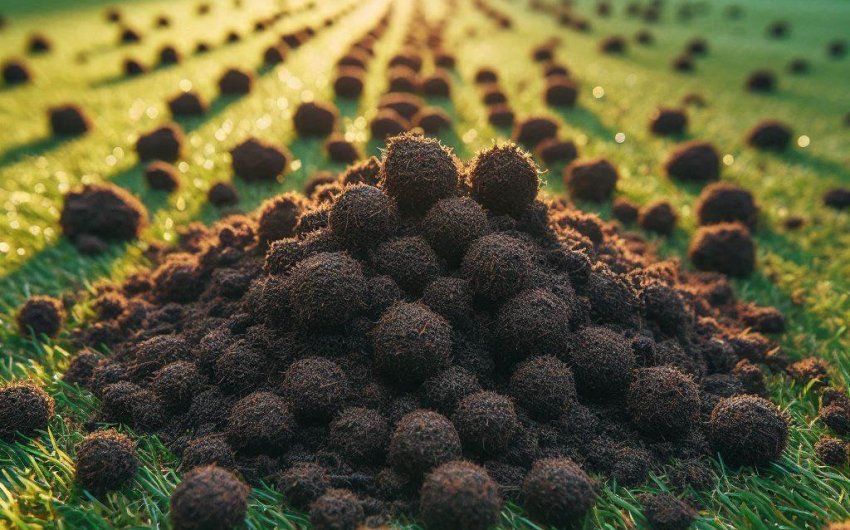
- Leave the Soil Plugs: After core aeration, leave the soil plugs on the lawn. They’ll break down over time, returning nutrients to the soil.
- Fertilize and Water: Apply fertilizer after aerating to take advantage of the open soil, then water thoroughly.
Common Misconceptions About Aeration
There are some common misconceptions about aeration that can lead to ineffective results. Here are a few myths debunked:
- Myth 1: Aeration is Only Needed for Heavy Soil: Even sandy soils can benefit from aeration, as it improves root development and nutrient uptake.
- Myth 2: Spike Aeration Works as Well as Core Aeration: While spike aeration can be beneficial for minor compaction, core aeration is much more effective for long-term health.
- Myth 3: Aeration Damages Grass: Aeration may look rough initially, but it promotes healthier growth, helping your lawn thrive.
Additional Tips for Maximizing Aeration Benefits
To make the most of aeration, consider pairing it with complementary lawn care practices.
- Overseed After Aeration: Applying grass seed after aeration encourages new growth and thickens the lawn.
- Apply Soil Amendments: After aerating, add compost or peat moss to improve soil quality.
- Use a Balanced Fertilizer: Applying fertilizer after aeration helps roots absorb essential nutrients more effectively.
Lawn aeration is a scientifically proven technique that enhances lawn health by improving soil structure, promoting root growth, and ensuring better access to water and nutrients. Whether you use core, spike, or liquid aeration, incorporating this process into your lawn care routine can lead to a greener, more resilient lawn that’s prepared to handle environmental stresses.