
Solutions for Lawn Brown Rings: Causes and Treatments
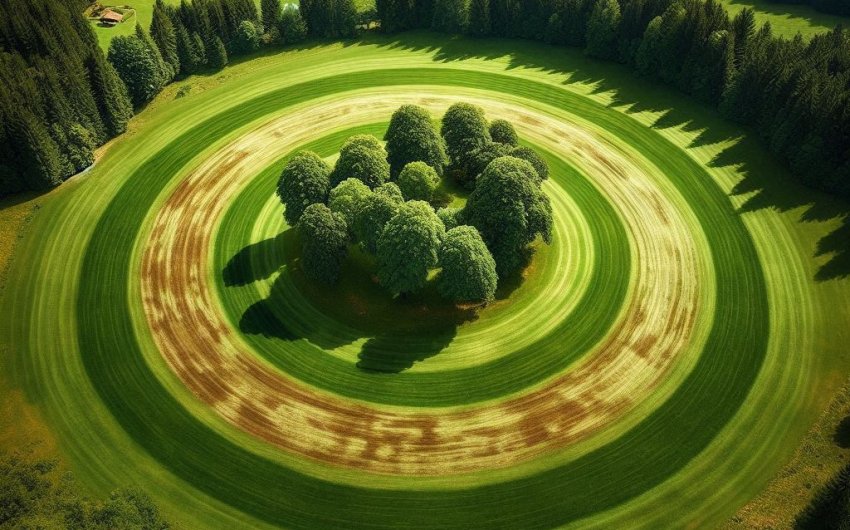
Lawn brown rings are most often caused by fungal diseases like Brown Patch, Dollar Spot, or Fairy Ring, or sometimes by environmental stressors. Effective solutions involve accurate identification of the cause, cultural control practices, and targeted fungicide applications when necessary to restore your lawn's health and appearance.
What are Lawn Brown Rings?
Lawn brown rings are a common and frustrating sight for homeowners: circular or semi-circular patches of discolored, dead, or thinning grass that appear on an otherwise healthy lawn. These rings can range in size from just a few inches to many feet in diameter, and their appearance often indicates an underlying problem that needs to be addressed for your lawn to return to its lush, green state. Understanding these patterns is the first step in finding solutions for lawn brown rings.
Key Characteristics of Lawn Brown Rings:
- Circular or Arc Shape: The defining feature is their circular or semi-circular pattern.
- Color Change: The grass within the ring can be brown, yellow, tan, or even darker green depending on the specific cause.
- Variable Size: Rings can be very small (a few inches) or very large (10+ feet across).
- Outer Ring of Darker Grass (Sometimes): With some fungal diseases, you might notice a darker green, actively growing outer ring surrounding the dead or discolored grass.
- "Smoke Ring" (Sometimes): A grayish-black, water-soaked border can appear on the outer edge of the ring in humid conditions, particularly in the morning.
- Timing: They can appear at various times of the year, but many are more prevalent during warm, humid conditions.
- Spreading: Some rings, particularly those caused by fungi, can expand outwards over time.
Common Underlying Causes:
While "lawn brown rings" is a general description, the most frequent culprits are:
- Fungal Diseases: This is the most common cause. Specific fungi (like Rhizoctonia solani for Brown Patch, or Sclerotinia homoeocarpa for Dollar Spot) grow outwards in a circular pattern from a central infection point.
- Environmental Stress: Sometimes, non-fungal issues can mimic ring patterns, such as localized dry spots, chemical spills, or even dog urine.
- Compaction or Obstruction: Less common, but something buried underground (like a forgotten hula hoop or old pipe) can create a ring pattern of stressed grass.
Accurately diagnosing the specific cause of your lawn brown rings is essential because the treatments will vary greatly depending on what's actually creating the problem.
What Causes Brown Patch Disease in Lawns?
Brown Patch disease is one of the most prevalent and damaging fungal diseases that causes lawn brown rings. Understanding its causes and conditions for development is crucial for effective treatments and prevention.
The Culprit:
- Fungus: Brown Patch is caused by the fungus Rhizoctonia solani.
Identifying Brown Patch:
- Ring Shape: Irregularly shaped circular or semi-circular patches of tan, brown, or straw-colored grass. They can range from a few inches to several feet in diameter.
- "Smoke Ring": In the early morning, especially after a humid night, you might see a distinctive, dusky, dark purplish-gray "smoke ring" or border around the outer edge of the patch. This is the actively growing fungus. It usually disappears as the day dries.
- Leaf Lesions: Individual grass blades within the patch may have distinct tan spots with dark brown margins.
- Affected Grass Types: Primarily affects cool-season grasses like tall fescue, perennial ryegrass, and bentgrass, but can also appear on warm-season grasses such as St. Augustinegrass, zoysiagrass, and centipedegrass.
Conditions That Cause Brown Patch Outbreaks:
Brown Patch thrives in a specific combination of environmental factors:
- Warm Temperatures:
- Cool-Season Grasses: Outbreaks typically occur when daytime temperatures are consistently above 80°F (27°C) and nighttime temperatures stay above 65°F (18°C).
- Warm-Season Grasses: Can occur in slightly cooler conditions, but still favors warm weather.
- High Humidity or Prolonged Leaf Wetness:
- This is the most critical factor. The grass blades must remain wet for an extended period (10-12+ hours) due to dew, rain, or irrigation. High humidity (above 90%) further exacerbates this.
- Excessive Nitrogen Fertilizer (especially in warm weather):
- Over-fertilizing with nitrogen during hot, humid periods can promote lush, succulent growth that is more susceptible to fungal infection.
- Poor Air Circulation:
- Dense turf, overgrown shrubs, or lack of tree pruning can trap humidity around the grass blades.
- Compacted Soil:
- Reduces drainage and can stress grass roots, making them more vulnerable.
- Thatch Buildup:
- A thick layer of thatch (undecomposed organic matter) can harbor fungal spores and keep the crown of the grass plant moist.
By recognizing these causes, you can understand why your lawn has brown rings and begin to implement appropriate treatments and cultural practices to prevent future outbreaks of Brown Patch.
How to Treat Brown Patch Disease?
Once you've identified Brown Patch as the cause of your lawn brown rings, applying the right treatments is key. A combination of cultural practices and, if necessary, fungicides, will help control the disease and restore your lawn's health.
1. Cultural Control (Most Important for Long-Term Solutions):
These practices focus on modifying the conditions that favor the fungus:
- Adjust Watering Practices:
- Water Early in the Morning: Water deeply and infrequently, preferably between 6 AM and 10 AM. This allows the grass blades to dry completely before nightfall. Avoid evening watering at all costs, as it leaves foliage wet overnight, creating ideal conditions for fungal growth.
- Reduce Frequency: Only water when the lawn shows signs of needing it (e.g., foot traffic leaves impressions).
- Improve Air Circulation:
- Prune Trees/Shrubs: Trim branches that shade the lawn and restrict airflow.
- Avoid Over-Fertilizing with Nitrogen: Especially during hot, humid periods. Use a slow-release, balanced fertilizer or one with lower nitrogen in summer. A Lawn Fertilizer with Lower Nitrogen in summer can help.
- Mow at Proper Height:
- Taller is Better: Mow cool-season grasses at their higher recommended height (3-4 inches) during warm periods. Taller grass encourages deeper roots and better stress tolerance.
- Dethatch and Aerate (Preventative, not during active disease):
- Reduce Thatch: A thick thatch layer can harbor fungi. Dethatch in late spring or early fall.
- Relieve Compaction: Aeration improves drainage and air penetration. Perform in spring or fall when disease is not active.
- Remove Dew (Optional):
- If practical for small areas, dragging a hose or broom across the lawn in the morning can help dry the blades faster.
2. Fungicide Application (For Severe or Persistent Outbreaks):
For severe cases where cultural practices aren't enough, fungicides may be necessary.
- Choose the Right Fungicide: Look for a lawn fungicide specifically labeled for Brown Patch control. Active ingredients often include propiconazole, azoxystrobin, or myclobutanil. BioAdvanced Fungus Control for Lawns is a common product.
- Application:
- Follow Instructions: Read and follow the product label directions precisely, including application rates, timing, and safety precautions.
- Timing: Apply at the first signs of the disease or preventatively if you have a history of severe outbreaks and conditions are favorable.
- Repeat Applications: Most fungicides require repeat applications (e.g., every 14-21 days) to be effective against the fungus's life cycle.
- Rotate Active Ingredients: If you use fungicides regularly, it's wise to rotate products with different active ingredients to prevent the fungus from developing resistance.
By diligently applying these treatments, you can bring your lawn brown rings under control and restore the health and appearance of your turf.
What Causes Dollar Spot Disease in Lawns?
Dollar Spot disease is another common culprit behind lawn brown rings, distinct from Brown Patch. Understanding its specific causes helps in accurate identification and effective treatments.
The Culprit:
- Fungus: Dollar Spot is caused by the fungus Sclerotinia homoeocarpa.
Identifying Dollar Spot:
- Small, Silver-Dollar Sized Spots: The most defining characteristic is the size of the spots. They are typically small, circular, sunken patches, about the size of a silver dollar (2-6 inches in diameter). They can coalesce to form larger, irregular areas if conditions remain favorable.
- Bleached or Straw-Colored: The grass within the spots appears bleached white or straw-colored.
- Web-like Mycelium: In the early morning, when dew is heavy, you might see a fine, silvery-white, cobweb-like fungal growth (mycelium) stretching across the affected grass blades. This disappears as the day dries.
- Hourglass-Shaped Lesions: Individual grass blades within the spots may have distinctive tan lesions with reddish-brown borders, often described as hourglass-shaped.
- Affected Grass Types: Affects a wide range of turfgrasses, both cool-season (e.g., bentgrass, perennial ryegrass, tall fescue, Kentucky bluegrass) and warm-season (e.g., zoysiagrass, Bermuda grass).
Conditions That Cause Dollar Spot Outbreaks:
Dollar Spot thrives in conditions that are often slightly different from Brown Patch:
- Moderate Temperatures:
- Outbreaks are most common when daytime temperatures are in the range of 60-80°F (15-27°C) and nighttime temperatures remain above 50°F (10°C). It can occur from late spring through fall.
- High Humidity or Prolonged Leaf Wetness:
- Like most fungal diseases, extended periods of leaf wetness (due to dew, rain, or irrigation) are crucial for infection, typically 10-12+ hours.
- Low Nitrogen Fertility:
- Paradoxically, low nitrogen levels in the soil or a lack of proper fertilization often make lawns more susceptible to Dollar Spot. Unlike Brown Patch, which thrives on excess nitrogen in warm weather, Dollar Spot attacks nitrogen-deficient grass.
- Dry Soil:
- While high humidity on the blades is key, the disease can be more severe in lawns that are under-watered or experiencing drought stress, especially if they are also nitrogen-deficient.
- Compacted Soil & Thatch:
- As with other diseases, these issues can stress the grass and harbor fungi.
Recognizing the small, distinct spots and understanding the favoring conditions of moderate temperatures and low nitrogen are key to accurate diagnosis and effective treatments for Dollar Spot and other lawn brown rings.
How to Treat Dollar Spot Disease?
Once you've confirmed Dollar Spot disease is the cause of your lawn brown rings, effective treatments involve a blend of cultural adjustments and targeted fungicide applications to bring your lawn back to health.
1. Cultural Control (Highly Effective and Preventative):
These practices are vital for long-term management:
- Optimize Nitrogen Fertility:
- Crucial Step: Unlike Brown Patch, Dollar Spot thrives in low nitrogen. Apply a light, frequent application of nitrogen fertilizer to affected areas during periods when the disease is active (moderate temperatures). This can often help the grass "grow out" of the disease.
- Use Balanced Fertilizer: Ensure a balanced fertilization program throughout the year. A Balanced Lawn Fertilizer helps maintain turf vigor.
- Adjust Watering Practices:
- Water Deeply and Infrequently: Water early in the morning (between 6 AM and 10 AM) to allow grass blades to dry completely before nightfall. Avoid evening watering.
- Adequate Moisture: Ensure the lawn is receiving enough water to prevent drought stress, as dry soil can exacerbate Dollar Spot even with wet leaves.
- Improve Air Circulation and Reduce Thatch:
- Prune Overhanging Branches: Increase light and airflow to turf areas.
- Dethatch: If you have a thick thatch layer (more than 1/2 inch), consider dethatching in late spring or early fall to reduce fungal harborage.
- Aerate: Aeration helps alleviate compaction and improve overall turf health.
- Mow at Proper Height:
- Recommended Height: Mow grass at its recommended height for your turf type, generally 2-3 inches for most lawn grasses. Avoid scalping.
- Sharp Blades: Always use sharp mower blades for clean cuts, which reduce stress on the grass.
2. Fungicide Application (For Severe or Persistent Outbreaks):
For severe or recurring Dollar Spot, fungicides may be necessary.
- Choose the Right Fungicide: Select a lawn fungicide specifically labeled for Dollar Spot control. Common active ingredients include propiconazole, chlorothalonil, thiophanate-methyl, or azoxystrobin. Scotts DiseaseEX Lawn Fungicide is often effective.
- Application:
- Follow Instructions: Always read and strictly adhere to the product label directions for application rates, timing, and safety precautions.
- Timing: Apply at the first signs of the disease, especially when conditions are favorable (moderate temps, wet foliage, low N).
- Repeat Applications: Most fungicides require repeated applications (e.g., every 10-21 days) to break the fungal life cycle and protect new growth.
- Rotate Active Ingredients: To prevent the fungus from developing resistance, rotate between fungicides with different active ingredients if you apply them regularly.
By consistently applying these treatments, you can effectively manage Dollar Spot and restore the uniform green appearance of your lawn, eliminating those frustrating lawn brown rings.
What are Fairy Rings and How Do They Affect Lawns?
Fairy Rings are one of the more mystical-sounding causes of lawn brown rings, and they are quite distinct from common turf diseases like Brown Patch or Dollar Spot. While they can be unsightly, they are generally not directly harmful to your lawn and are a sign of a fungal presence.
The Culprit:
- Fungi: Fairy Rings are caused by various species of ectomycorrhizal fungi that feed on decaying organic matter in the soil, such as old tree stumps, buried logs, construction debris, or even dense layers of thatch. The visible ring is just the fruiting body of a much larger underground fungal network.
Identifying Fairy Ring:
Fairy Rings appear in several forms, often simultaneously:
- Dark Green Ring: The most common sign is a dark green ring of lush, stimulated grass that grows faster and looks healthier than the surrounding lawn. This is due to the nitrogen and other nutrients released by the decomposing fungus.
- Dead or Brown Ring (Inner): Inside the dark green ring, or sometimes forming its own ring, there can be a band of brown, dying, or dead grass. This happens when the fungal mycelium (the network of fungal threads) becomes so dense that it makes the soil hydrophobic (water-repellent), preventing water from reaching the grass roots.
- Mushrooms (Fruiting Bodies): During periods of high moisture (after rain or irrigation), mushrooms (the actual fruiting bodies of the fungus) can appear in a circular or semi-circular pattern along the edge of the ring. These vary greatly in type and size depending on the specific fungus.
- Dry Spots: Even if the lawn is regularly watered, the areas within or around the ring might consistently appear dry and stressed due to the hydrophobic soil conditions created by the fungal mat.
Conditions That Cause Fairy Rings to Appear:
- Underground Organic Matter: The primary cause is the presence of buried decaying organic material (e.g., old tree roots, stumps, logs, construction lumber, buried leaves, thatch). The fungi feed on this material.
- Established Lawns: More common in older, established lawns where there's been time for large amounts of organic matter to accumulate underground.
- Drought Stress: Symptoms of the brown/dead zones (hydrophobic soil) are often more pronounced during drought or dry periods.
Unlike other fungal diseases, Fairy Rings do not "infect" individual grass plants; they primarily interact with the soil's organic matter. Their growth spreads outwards, expanding the ring year after year. Understanding these distinct causes helps in choosing the right treatments for lawn brown rings caused by Fairy Ring.
How to Treat Fairy Rings in Lawns?
Treating Fairy Rings (the lawn brown rings caused by specific fungi) is often more about management than eradication, as the fungal body can extend deep underground. However, several solutions can minimize their appearance and impact on your lawn.
1. Cultural Control (Managing Symptoms):
These methods aim to alleviate the hydrophobic conditions and promote overall lawn health.
- Aeration:
- Crucial Step: Aggressively core aerate the affected rings and the surrounding areas. Use a core aerator that pulls plugs of soil. This breaks up the dense fungal mycelium and creates channels for water and nutrients to penetrate the hydrophobic soil.
- Frequency: Repeat aeration as needed, possibly multiple times over the season.
- Deep Watering:
- Penetration: After aeration, water the rings deeply and thoroughly. You may need to apply a wetting agent or surfactant (often sold as "soil penetrants" or "wetting agents" for turf) to help water penetrate the dry spots. Hydro-Wet Soil Wetting Agent is an example.
- Consistency: Consistent deep watering can help dilute the effect of the fungus and reduce the contrast in grass color.
- Fertilization:
- Uniformity: Fertilize the entire lawn uniformly. This helps to mask the dark green ring by making the rest of the grass greener and more vigorous.
- Avoid Over-Fertilizing the Ring: Don't spot-treat the dark green areas, as this will only intensify the ring.
- Masking:
- Overseeding: Overseed the brown or dead patches within the ring with new grass seed to fill in the bare spots. This is more effective after aeration and watering.
- Topdressing: Apply a thin layer of compost or topsoil over the affected areas to encourage new growth.
2. Fungicide Application (Limited Effectiveness):
- General Fungicides are Not Effective: Most standard turf fungicides are not effective against Fairy Ring because they primarily target specific turf diseases and cannot penetrate the deep fungal mat.
- Specialized Fungicides: Some professional-grade fungicides specifically formulated for Fairy Ring can suppress the symptoms, but they rarely eradicate the fungus completely. These are typically applied by lawn care professionals.
3. Excavation (The Only Permanent Solution):
- Radical Method: This is the most drastic but most effective long-term solution if you want to completely eliminate a persistent Fairy Ring.
- Process: Dig up the entire affected area, extending at least 1-2 feet beyond the visible ring and 1 foot deep. Remove all the soil and any buried organic matter (stumps, logs, roots) you find. Dispose of this soil and debris away from your garden.
- Replant: Refill the area with new, clean soil and reseed or re-sod the lawn.
- Considerations: Very labor-intensive and disruptive. Only suitable for persistent or highly visible rings.
For most homeowners, managing the symptoms through aeration, proper watering, and balanced fertilization is the most practical approach to dealing with lawn brown rings caused by Fairy Rings.
What Other Factors Can Cause Brown Rings on Lawns?
While fungal diseases like Brown Patch, Dollar Spot, and Fairy Ring are the most common causes of lawn brown rings, other environmental or chemical factors can also create similar circular patterns. Identifying these non-fungal causes is crucial for choosing the correct solutions for lawn brown rings.
1. Localized Dry Spots (Hydrophobic Soil)
- Appearance: Circular areas of brown, dry, stressed grass, often appearing suddenly in warm, dry weather. They may have a distinct edge.
- Cause: Often, a patch of soil becomes hydrophobic (water-repellent) due to compacted soil, a dense thatch layer, or certain fungal growth (like in some Fairy Rings). Water beads up on the surface or runs off instead of penetrating.
- Solution: Aeration (core aeration is best) followed by deep, slow watering. Applying a wetting agent or soil penetrant to the affected areas can help break the surface tension of the water and allow it to soak in.
2. Dog Urine Spots
- Appearance: Distinct, dark green rings (sometimes just a crescent) with a central dead or brown spot.
- Cause: Dog urine is highly concentrated in nitrogen salts. The center of the spot receives an overdose, which "burns" and kills the grass. The outer ring receives a more diluted dose, which acts like a small fertilizer application, making the grass extra green.
- Solution:
- Dilute Immediately: If you catch it happening, immediately flush the spot with several gallons of water to dilute the urine.
- Train Pets: Encourage pets to use a designated area or dilute spots proactively.
- Repair: For dead spots, rake out dead grass, add fresh topsoil, and reseed or patch.
3. Chemical Spills or Over-Application (Fertilizer or Herbicide)
- Appearance: Can range from uniform brown spots to rings, depending on how the chemical was spilled or applied (e.g., if a bag of fertilizer broke and spilled in a circle).
- Cause: Over-application of granular fertilizer (especially nitrogen-heavy), accidental spills of liquid fertilizer or herbicides, or misapplication of weed-and-feed products.
- Solution:
- Flush: Immediately flush the area with large amounts of water to dilute the chemical.
- Repair: For dead areas, remove affected turf, replenish with fresh topsoil, and reseed or re-sod. Prevention is key: apply chemicals evenly and carefully, following all label instructions.
4. Buried Debris or Objects
- Appearance: A ring of stressed or dead grass directly above a buried object, which could be an old tree stump, construction debris (like a hula hoop or old pipe), or even a circular irrigation line.
- Cause: The object either interferes with root growth, drainage, or changes soil conditions above it, leading to localized stress.
- Solution: Identify the buried object and remove it. Amend the soil as needed before reseeding or replacing turf.
By carefully observing the symptoms, timing, and environmental context, you can often differentiate these non-fungal causes from actual diseases, leading you to the correct solutions for lawn brown rings.
What are the Best Preventative Measures for Lawn Brown Rings?
The best solutions for lawn brown rings often lie in preventative measures. By maintaining a healthy, vigorous lawn and addressing underlying conditions that favor disease, you can significantly reduce the likelihood of these unsightly rings appearing.
1. Proper Watering Practices:
- Deep and Infrequent: Water your lawn deeply (to encourage deep root growth) but infrequently.
- Morning Watering (Key!): Always water between 6 AM and 10 AM. This allows the grass blades to dry completely before evening. Prolonged leaf wetness, especially overnight, is the single biggest factor for most fungal diseases.
- Avoid Evening Watering: Never water in the late afternoon or evening.
2. Smart Fertilization:
- Soil Test: Get a soil test every 2-3 years to determine your lawn's specific nutrient needs. Don't fertilize blindly.
- Balanced Nutrients: Use a balanced fertilizer.
- Avoid Excess Nitrogen in Summer (Brown Patch): For cool-season grasses, reduce nitrogen application during hot, humid summer months. Excess nitrogen in warm weather promotes lush, susceptible growth.
- Adequate Nitrogen (Dollar Spot): Ensure your lawn isn't nitrogen deficient, as this can make it more prone to Dollar Spot. Light, frequent applications in spring and fall are often better than heavy, infrequent ones.
- Slow-Release: Opt for slow-release nitrogen fertilizers to provide a steady food supply without sudden flushes of growth.
3. Improve Air Circulation:
- Mow at Proper Height: Always mow your grass at the highest recommended height for your turf type (typically 2.5-4 inches). Taller grass shades the soil, encourages deeper roots, and is more resilient. Avoid scalping.
- Sharp Mower Blades: Dull blades tear grass, creating jagged cuts that are more susceptible to disease. Sharpen blades regularly.
- Prune Trees and Shrubs: Trim overhanging branches to improve light penetration and airflow to shady lawn areas.
- Avoid Over-Compaction: Try to limit heavy foot traffic or vehicle use on your lawn, especially when wet.
4. Manage Thatch and Compaction:
- Aeration: Perform core aeration once a year (or every few years) during the appropriate season for your grass type (spring or fall). This alleviates soil compaction and improves water, nutrient, and air penetration to the roots.
- Dethatching: If your thatch layer is consistently more than 1/2 inch thick, dethatch during late spring or early fall. Thatch can harbor disease spores and impede moisture.
5. Proper Seed Selection:
- Disease-Resistant Varieties: When overseeding or establishing a new lawn, choose grass seed varieties that are known for their resistance to common lawn diseases in your region. Many modern turfgrass blends include disease-resistant cultivars.
6. Sanitation:
- Clean Up Debris: Regularly remove fallen leaves, grass clippings (if excessive), and other organic debris that can create moist, fungal-friendly environments.
By consistently implementing these preventative measures, you build a stronger, more resilient lawn that is naturally less susceptible to developing lawn brown rings, saving you time and effort on reactive treatments.
When Should You Consult a Professional Lawn Care Service?
While many solutions for lawn brown rings can be attempted by a diligent homeowner, there are times when it's definitely best to consult a professional lawn care service. Knowing when to call in the experts can save you money, time, and further damage to your lawn.
1. Persistent or Spreading Rings:
- Problem: You've tried various cultural practices and maybe even an over-the-counter fungicide, but the brown rings continue to spread, multiply, or return year after year with increasing severity.
- Why a Pro: This indicates a deeply entrenched problem, a misdiagnosis, or a need for stronger, professional-grade treatments that aren't available to homeowners. Professionals have access to broader ranges of fungicides and specialized application equipment.
2. Unsure of the Cause:
- Problem: You have brown rings, but you're not confident whether it's Brown Patch, Dollar Spot, Fairy Ring, or something else entirely (like grubs or localized dry spots).
- Why a Pro: Accurate diagnosis is paramount. A professional can identify the specific disease or issue through their expertise, observation, and sometimes even soil or turf samples. Misdiagnosis leads to ineffective (and costly) treatments.
3. Large or Widespread Infestations:
- Problem: The brown rings cover a significant portion of your lawn, or your entire lawn seems to be struggling with widespread disease.
- Why a Pro: Treating large areas with precision and effectiveness requires professional equipment and knowledge of product coverage. A DIY approach on a large scale can be expensive and inefficient.
4. Desire for Preventative Program:
- Problem: You want to proactively prevent future outbreaks and maintain a consistently healthy lawn, but don't want to manage the year-round schedule yourself.
- Why a Pro: Many lawn care services offer comprehensive, scheduled programs for fertilization, weed control, aeration, and preventative fungicide applications tailored to your local climate and grass type.
5. Difficult-to-Manage Lawn Conditions:
- Problem: Your lawn has underlying issues like severe compaction, persistent thatch buildup, or very poor drainage that seem to contribute to recurring problems.
- Why a Pro: Professionals have specialized equipment (like commercial aerators, dethatchers) and the expertise to tackle these fundamental soil health issues that are often beyond a homeowner's capacity.
6. Safety Concerns:
- Problem: You're uncomfortable handling or applying chemical fungicides or pesticides yourself due to safety concerns for children, pets, or the environment.
- Why a Pro: Licensed professionals are trained in safe handling, proper application, and environmental impact mitigation, ensuring the products are used responsibly.
When you're faced with persistent lawn brown rings or simply want to hand over the complex task of professional lawn management, contacting a reputable lawn care service is a smart investment in your lawn's long-term health and appearance.