
The Complete Guide to Fixing Uneven Lawn Surfaces
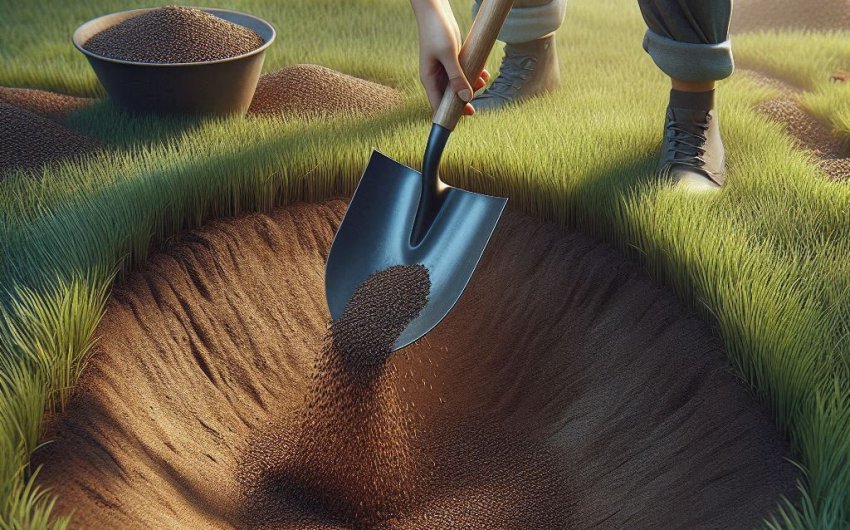
Dealing with an uneven lawn can be a real headache. Those dips and bumps aren't just an eyesore; they can make mowing a nightmare, trip hazards for kids and pets, and even cause drainage issues. But don't worry, a smooth, level lawn is totally achievable with the right approach. This guide will walk you through everything you need to know to transform your bumpy yard into a beautiful, uniform green carpet.
Why Does My Lawn Have Bumps and Dips?
It's common to wonder why your once-flat lawn suddenly looks like a miniature mountain range or a series of craters. Several factors contribute to an uneven lawn surface, and understanding them is the first step toward a lasting fix. Knowing the culprit helps you choose the most effective repair method and prevent future problems.
What Causes Settling and Compaction?
One of the most frequent reasons for an uneven lawn is the natural settling of the soil over time. After construction, for instance, backfilled trenches for utilities or foundation work might not be properly compacted. As years pass, this loose soil settles, creating noticeable depressions. Heavy foot traffic in certain areas, like pathways to a shed or a common play area, can also lead to soil compaction. When soil gets compacted, it becomes very dense, pushing out air and water, and often causing the surface to sink. You might notice this as a hard, almost concrete-like patch. Regular maintenance with a lawn aerator can help prevent severe compaction.
How Do Water Runoff and Drainage Issues Affect Lawn Levelness?
Water is a powerful force, and its movement across your lawn can significantly impact its flatness. If your yard has areas where water naturally pools or where downspouts from your house dump large amounts of water, it can erode the soil over time. This erosion washes away soil particles, creating depressions or ruts. Conversely, in areas with poor drainage, water might sit for long periods, leading to saturated soil that can compact or shift unevenly. Observing how water moves (or doesn't move) across your lawn after a rainstorm can give you big clues about your drainage situation. Consider using a rain gauge to monitor rainfall patterns.
Can Animal Activity Contribute to an Uneven Lawn?
Yes, critters can definitely mess with your lawn's levelness! Burrowing animals like moles, voles, and gophers create tunnels just beneath the surface, pushing up mounds of soil or causing the ground above their tunnels to collapse, forming sunken areas. Their extensive tunnel networks can loosen the soil, making it more prone to settling. Even larger animals like dogs digging in the yard can create unsightly holes and uneven patches. If you suspect animal activity, look for molehills, tunnels, or fresh digging. Setting up a critter deterrent might be necessary.
How Does Tree Root Growth Impact My Lawn's Surface?
As trees mature, their root systems expand. Large, shallow roots can push up the soil directly above them, creating ridges or elevated areas in your lawn. This is especially common with certain tree species that have aggressive, spreading root systems. While you can't stop tree roots from growing, understanding their impact can help you decide if certain areas need different approaches, like creating a mulch bed around the tree to hide the roots and provide an alternative to grass.
Do Construction and Landscaping Mistakes Cause Unevenness?
Sometimes, an uneven lawn is a legacy of past construction or landscaping work. If topsoil wasn't properly graded, or if fill dirt wasn't adequately compacted during initial landscaping, those issues will manifest as bumps and dips later on. Poorly installed irrigation systems or buried debris from construction can also lead to settling as the ground around them shifts. It's like building a house on a shaky foundation – problems will eventually appear. Using a leveling rake during initial landscaping can help prevent these issues.
How Do I Prepare My Lawn for Leveling?
Before you start adding anything to your lawn, a little preparation goes a long way. Proper preparation ensures that your leveling efforts are effective and long-lasting. Skipping these steps could mean you're redoing the work sooner than you'd like.
What Tools and Materials Will I Need?
Having the right equipment makes the job much easier and more efficient. For small dips, you might only need a few basic hand tools. For larger areas or significant unevenness, you'll want more substantial gear. Here's a list to get you started:
- Lawn leveler or leveling rake: This is crucial for spreading the topdressing material smoothly. A good one, like a landscaping rake, will have a wide, flat head.
- Shovel: For scooping and moving soil or topdressing mix. A round point shovel is versatile.
- Wheelbarrow: Essential for transporting large amounts of material. A heavy-duty wheelbarrow will save your back.
- Stiff-bristled broom or push broom: For working the topdressing material into the grass.
- Garden hose with a sprayer: For watering in the newly applied material.
- Topdressing mix: This is the material you'll use to fill in the low spots. We'll talk more about what goes into this mix shortly.
- Gloves and safety glasses: Always protect yourself when working.
- String and stakes (optional, for larger areas): To help you keep a straight line and check your work.
- Spirit level (optional): For checking smaller areas for true flatness.
When Is the Best Time to Level My Lawn?
Timing is super important. You want to level your lawn when the grass is actively growing but not under stress. This usually means spring or early fall.
- Spring: Once the threat of frost has passed and your grass is greening up, spring is an excellent time. The grass is ready to grow through the new material quickly.
- Early Fall: After the intense summer heat but before the ground freezes, early fall is another prime window. The cooler temperatures and often consistent rainfall help the grass recover.
Avoid leveling during periods of extreme heat or drought, as this can put too much stress on your grass. Also, don't try to level when the ground is waterlogged or frozen.
Should I Mow My Lawn Before Leveling?
Absolutely! Give your lawn a close mow before you start. You want the grass to be relatively short, ideally around 1 to 2 inches. This allows the topdressing material to reach the soil surface more easily and settle between the grass blades, rather than just sitting on top of long grass. Bag the clippings so they don't get mixed into your leveling material. A sharp lawn mower blade will give you a clean cut.
How Do I Identify and Mark Uneven Areas?
Walking your lawn and really looking at it is key. It's often easiest to spot the highs and lows right after a rain, when water pools in the depressions.
- Visual Inspection: Walk your lawn slowly, looking for noticeable dips and humps.
- Water Test: Turn on your sprinklers or use a hose to water a section. Watch where the water collects. Those are your low spots.
- Mowing Test: When you mow, do you notice your mower scalping high spots or dipping into low ones? This is a clear indicator.
- String and Stakes (for larger areas): For very uneven areas or when you're tackling a big section, drive stakes into the ground and run strings between them at a consistent height. This helps you visually identify high and low spots more accurately. You can then use spray paint or garden markers to outline the areas that need attention.
What is the Best Topdressing Mix for Lawn Leveling?
Choosing the right material to fill in those dips is critical for the health of your grass and the success of your leveling project. You can't just use any old dirt; the right mix will promote healthy grass growth while ensuring a smooth surface.
What is Topdressing Mix Made Of?
A good topdressing mix for lawn leveling typically consists of a blend of materials that provide good drainage, hold nutrients, and allow grass to grow through easily. The ideal ratio can vary slightly, but a common and effective mix includes:
- Sand: High-quality, coarse sand is essential. It provides structure, improves drainage, and helps the mixture flow easily into uneven areas. Do not use fine play sand, as it can compact too easily. Look for washed sand or builder's sand. Sand should typically make up the largest portion of your mix, often around 60-70%.
- Compost: Rich, organic compost adds vital nutrients to the soil and improves its ability to retain moisture. It also helps break down any clay in your existing soil, creating a healthier environment for roots. Use a fine, well-rotted compost that's free of large chunks. This usually makes up 20-30% of the mix.
- Topsoil: A small amount of loam-based topsoil (not heavy clay soil) can be added, especially if your existing soil is very poor. It provides additional structure and nutrients. If your existing soil is already decent, you might use less or no added topsoil. This might be 10-20% of the mix.
Some people also add a small amount of peat moss for moisture retention, but if you have good compost, it's often not necessary. The key is to have a mix that is neither too heavy (which would compact and suffocate the grass) nor too light (which would wash away). You can purchase pre-mixed topdressing or blend your own.
How Much Topdressing Material Will I Need?
Calculating the right amount of topdressing material can save you multiple trips to the garden center. It depends on the size of the area you're leveling and the depth of your uneven spots.
- Measure the Area: First, measure the length and width of the areas you plan to level. If you have several smaller patches, estimate their combined area.
- Estimate Depth: For mild unevenness, you might apply a layer of only 1/4 to 1/2 inch. For deeper depressions, you might need to fill them up to 1-2 inches per application. Remember, you should never bury more than about 1 inch of grass blades at a time. If a dip is deeper, you'll need multiple applications.
Calculate Volume: A general rule of thumb is that one cubic yard of material will cover approximately 300 square feet at a depth of 1 inch.
- To calculate cubic feet: (Length in feet Width in feet Desired Depth in feet)
- To convert to cubic yards: Divide cubic feet by 27 (since 1 cubic yard = 27 cubic feet).
For example, if you have an area of 500 square feet and want to apply 1/2 inch (0.0416 feet) of material: $$ 500 \text{ sq ft} * 0.0416 \text{ ft} = 20.8 \text{ cubic feet} $$ $$ 20.8 \text{ cubic feet} / 27 = 0.77 \text{ cubic yards} $$
It's always a good idea to order a little extra, maybe 10-15% more than your calculated amount, to account for settling and any miscalculations.
Can I Just Use Plain Topsoil or Sand?
No, using plain topsoil or just sand on its own is generally not recommended for leveling an existing lawn.
- Plain Topsoil: While good for starting new gardens, plain topsoil can be too heavy and dense for an existing lawn. It often contains a lot of clay, which compacts easily, restricts drainage, and can suffocate your grass roots. If you use too much, it can create new problems like poor aeration and unhealthy grass.
- Plain Sand: Using only sand might seem logical for leveling, but it lacks nutrients and has poor water retention. While it provides good drainage and structure, a pure sand layer won't support healthy grass growth long-term. Your grass will struggle to find the nutrients it needs, leading to weak, sparse patches.
The beauty of the topdressing mix (sand, compost, topsoil) is that it combines the best properties of each material, creating a balanced medium that promotes drainage, aeration, and fertility, allowing your existing grass to thrive while providing a level surface.
How Do I Level My Lawn with Topdressing?
Now for the main event! Applying the topdressing material correctly is crucial for achieving a smooth, healthy lawn. Take your time with these steps for the best results.
What is the Best Way to Spread Topdressing Mix?
Spreading the mix evenly is an art, not a science, but there are techniques to make it easier and more effective.
- Small Piles: Don't dump a huge mound in one spot. Instead, use your shovel to create small, evenly spaced piles of your topdressing mix across the area you're leveling. This makes it easier to distribute the material without having to move massive amounts by hand. Aim for piles that are manageable – perhaps a couple of shovelfuls each.
- Use a Lawn Leveler or Rake: This is where your specialized tool comes in handy. Use a lawn leveler or the back of a bow rake (a heavy-duty rake with a sturdy head) to carefully spread the topdressing material.
- Technique: Start by pushing and pulling the material across the surface. Focus on working the mix into the low spots.
- Smooth Motion: Use long, sweeping motions to feather the edges of the newly applied material into the existing lawn. The goal is to create a seamless transition.
- Light Layers: Remember the rule of not burying more than about 1 inch of grass blades. If a low spot needs more than an inch of material, you'll need to do it in multiple applications (more on that below).
- Work it In: After spreading, use a stiff-bristled broom or the back of your rake to gently work the mix down into the grass canopy. You want the blades of grass to still be visible and able to photosynthesize. Don't completely smother them.
How Much Topdressing Should I Apply at Once?
This is a critical rule to prevent damaging your existing grass. You should never apply more than 1/2 to 1 inch of topdressing mix in a single application over existing grass.
- Why the Limit?: Grass blades need sunlight for photosynthesis, the process where they create energy. If you bury them under too much material, they'll suffocate and die.
- Visibility: After applying the topdressing, you should still be able to see the tips of your grass blades poking through the material. If you can't, you've applied too much and need to gently rake some of it off.
- Multiple Applications for Deep Dips: If you have very deep depressions (more than an inch or two), you'll need to fill them gradually. Apply an inch or less, let the grass grow through it, then apply another layer. This process might take several weeks or even months for very significant unevenness. Patience is key!
How Do I Water My Lawn After Leveling?
Watering is essential after applying topdressing. It helps the new material settle, encourages the grass roots to grow into the new layer, and keeps the grass healthy.
- Gentle Watering: Immediately after spreading the topdressing, lightly water the entire area. Use a gentle spray from your garden hose or a sprinkler. You want to moisten the topdressing and help it settle around the grass blades, not wash it away.
- Consistency is Key: For the next week or two, continue to water the leveled areas regularly. The goal is to keep the topdressing consistently moist, especially if you also seeded (which is often recommended after leveling). How often depends on your climate, but daily light watering might be necessary in warmer, drier conditions.
- Monitor Moisture: Stick your finger into the topdressing; if it feels dry an inch or so down, it's time to water again. Don't let it dry out completely.
When Can I Mow My Lawn After Leveling?
Resist the urge to mow too soon! Giving your grass time to recover and grow through the new material is vital.
- Wait for Growth: Wait until the grass blades have grown noticeably through the topdressing material, and the roots have had a chance to establish themselves in the new layer. This usually takes 2 to 4 weeks.
- Check Stability: Gently pull on a few grass blades in the leveled area. If they feel firmly rooted and the topdressing isn't shifting, you're likely good to go.
- Higher Cut: For your first few mows after leveling, set your mower deck to its highest setting. This helps reduce stress on the newly recovering grass. Gradually lower the blade height over subsequent mows if desired.
- Sharp Blades: Always use a lawn mower with sharp blades to ensure a clean cut and minimize stress on the grass. Dull blades tear the grass, making it more susceptible to disease.
Can I Level My Lawn Without Removing Grass?
Yes, absolutely! The entire process described above is designed for leveling an existing lawn without removing the grass. This is often called topdressing or overseeding (if you add new grass seed), and it's the most common and least disruptive method for fixing uneven lawn surfaces.
What is Topdressing for an Existing Lawn?
Topdressing involves applying a thin layer of a specialized soil mixture (your topdressing mix) over your existing turf. The goal is not to bury the grass, but to fill in the depressions around the grass blades, allowing the grass to grow up through the new material.
- How it Works: The fine particles of sand, compost, and topsoil in your mix filter down between the grass blades, settling into the low spots. This gradually raises the elevation of the depressed areas to match the surrounding higher ground.
- Benefits:
- Less Invasive: You don't have to rip up your entire lawn.
- Maintains Existing Turf: Your current grass provides the base, so you don't have to start from scratch.
- Improves Soil Health: The compost in the mix adds organic matter and nutrients, improving the overall health and structure of your soil beneath the grass.
- Better Drainage: The sand component helps improve drainage, preventing future pooling in those low spots.
This method is suitable for minor to moderate unevenness, and even for significant dips if you're willing to apply multiple thin layers over time.
When Should I Consider Reseeding After Leveling?
While your existing grass should grow through the topdressing, some areas might benefit from a boost of new grass seed, especially if the original grass was sparse or if you had deeper dips that required a bit more material.
- Sparse Areas: If the grass in the low spots was already thin, or if some grass blades struggled to grow through the topdressing, overseeding (spreading new grass seed over an existing lawn) can help fill in those areas.
- Deeper Fills: After filling deeper depressions with multiple layers, the existing grass might be stressed or thinned out. Spreading a little grass seed on the final layer of topdressing can ensure a thick, even stand of grass.
- Timing: If you decide to reseed, do it at the same time you apply your final layer of topdressing. The best times for overseeding are spring or early fall, when soil temperatures are ideal for germination.
- Seed-to-Soil Contact: Make sure the grass seed makes good contact with the topdressing mix. A light raking or rolling with a lawn roller can help.
- Watering: Consistent watering is even more crucial when you've seeded, as the new seedlings need constant moisture to germinate and establish. Use a sprinkler system for even distribution.
What if I Have Very Deep Dips or Bare Spots?
For very significant dips or areas where the grass is completely gone, you might need a slightly different approach:
- Deep Dips (more than 2-3 inches): While you can still use the multi-layer topdressing method, for extremely deep dips, it might be more efficient to carefully cut out the existing sod in the immediate area of the dip. Fill the hole with a well-compacted mix of topsoil and sand, then replace the sod or seed the area. This ensures proper compaction and prevents future settling.
- Bare Spots: If you have completely bare, uneven patches, you'll treat them almost like starting a new lawn in that spot.
- Loosen Soil: Break up the compacted soil in the bare spot with a cultivator or shovel.
- Add Mix: Fill the depression with your topdressing mix, raking it level with the surrounding ground.
- Seed or Sod: Spread grass seed evenly over the area, lightly rake it in, and then water thoroughly. Alternatively, you can lay down a piece of sod cut to fit the spot, ensuring good contact with the underlying soil.
- Watering: Keep the area consistently moist until the new grass or sod is established.
Even for these more extreme cases, the principle remains similar: use the right leveling material, ensure good drainage, and allow the grass to grow healthy and strong.
How Can I Prevent My Lawn from Becoming Uneven Again?
Fixing your uneven lawn is a big accomplishment, but you want that smooth surface to last! Prevention is key to maintaining a beautiful, level lawn for years to come.
How Does Proper Drainage Help Maintain a Level Lawn?
Good drainage is paramount. When water sits on your lawn, it can soften the soil, making it more prone to compaction and settling. It also contributes to erosion.
- Address Standing Water: If you notice puddles after rain, those are prime spots for future dips. Consider:
- French Drains: For significant, persistent standing water, a French drain system can redirect water away from problem areas.
- Regrading: For larger areas with poor overall slope, professional landscape grading might be necessary to ensure water flows away from your house and off your lawn efficiently. This usually involves shaping the land with specific slopes.
- Downspout Extensions: Ensure your home's downspouts extend far enough away from your foundation so water doesn't dump directly onto the lawn, creating concentrated erosion spots. You can buy downspout extensions that roll out or bury them.
- Aeration: Regularly aerating your lawn (once a year or every other year) improves drainage by creating small holes that allow water and air to penetrate compacted soil. This helps prevent future compaction and settling. You can use a core aerator for this.
What Role Does Regular Lawn Maintenance Play?
Consistent and proper lawn care goes a long way in keeping your lawn level and healthy.
- Mowing Practices:
- Proper Height: Avoid mowing your grass too short. Taller grass (usually 2.5-3 inches) promotes deeper root growth, which makes the lawn more resilient to minor settling. Use a reliable lawn mower to maintain consistent height.
- Sharp Blades: Always use sharp mower blades. Dull blades tear the grass, causing stress and weakening the turf. A sharp blade ensures a clean cut.
- Fertilization: A well-fed lawn with a strong root system is more robust. Regular fertilization provides the nutrients grass needs to grow dense and strong, making it less susceptible to damage and helping it fill in any minor imperfections. Choose a lawn fertilizer appropriate for your grass type and soil conditions.
- Weed Control: Weeds compete with your grass for nutrients and water. A dense, healthy turf, encouraged by good weed control, helps prevent bare spots where new depressions could form. Use a weed killer designed for lawns if needed.
How Can I Prevent Animal Activity from Causing Unevenness?
If moles, voles, or other digging animals are a recurring problem, taking preventative measures can save your lawn.
- Traps and Repellents: For moles and gophers, mole traps or gopher traps can be effective. Various animal repellents are also available, often using castor oil or other natural ingredients to deter tunneling pests.
- Perimeter Barriers: For new garden beds or smaller lawn sections, installing a buried wire mesh (like hardware cloth) around the perimeter can prevent burrowing animals from entering. This is a more intensive solution but highly effective.
- Address Food Sources: Moles primarily eat grubs and earthworms. While you don't want to eliminate all earthworms (they're beneficial!), if you have a significant grub problem, treating your lawn for grubs can reduce the food source that attracts moles.
Is Proper Soil Compaction During New Construction Important?
Absolutely! If you're undertaking new construction, adding new garden beds, or doing any major landscaping, ensuring proper soil compaction is crucial to prevent future unevenness.
- Layering and Compacting: When filling in trenches or creating new graded areas, fill the soil in layers (e.g., 6-inch lifts) and compact each layer thoroughly with a plate compactor or a hand tamper before adding the next. This prevents the soil from settling dramatically later on.
- Proper Backfill Material: Use appropriate backfill material, ideally native soil or a well-draining mixture, free of large debris that could settle unevenly.
- Professional Grading: For large-scale projects, consider hiring a professional landscaper for final grading. They have the equipment and expertise to ensure proper slopes and compaction for a truly level and well-drained foundation for your lawn.
By being proactive with drainage, embracing consistent lawn care, managing pests, and ensuring proper construction techniques, you can enjoy a beautifully smooth and level lawn for years to come.