
Seasonal Lawn Care Tips for Preventing and Managing Lawn Problems
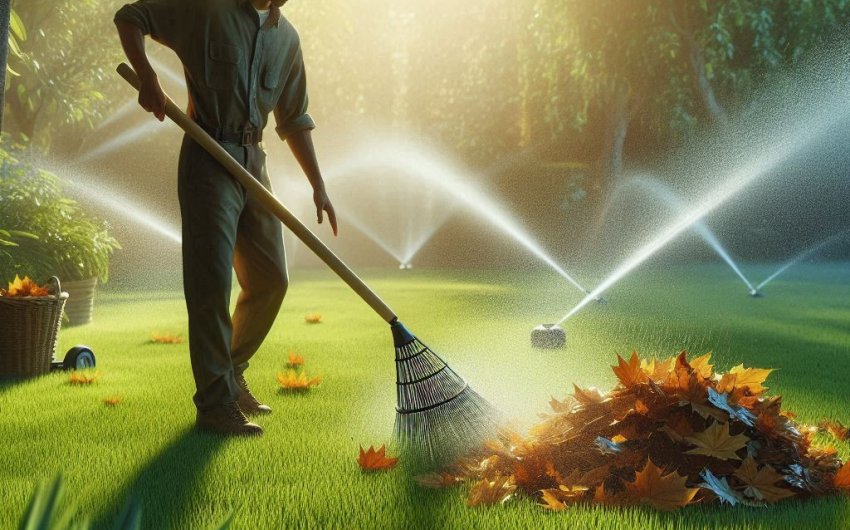
Achieving a lush, green lawn isn't a one-time effort; it's a year-round commitment to understanding and meeting your grass's changing needs. Just like any living organism, your turf requires different care as the seasons shift. By adjusting your maintenance routine according to spring, summer, fall, and winter conditions, you can proactively prevent common issues like weeds, diseases, and bare spots. This seasonal approach is the most effective way to cultivate a resilient and beautiful lawn that can withstand various challenges.
What Are the Key Lawn Care Tasks for Spring?
As temperatures rise and days lengthen, spring signals a time of vigorous growth for your lawn. This is a crucial period for laying the groundwork for a healthy year, focusing on nourishment, weed prevention, and initial repair. Spring lawn care sets the stage for a resilient turf.
When Should I Dethatch and Aerate?
Dethatching and aeration are vital spring tasks, especially if your lawn has a thick layer of thatch (a spongy layer of dead grass and organic matter on top of the soil) or compacted soil. Dethatching is best done in early spring for cool-season grasses (when they are actively growing) and late spring/early summer for warm-season grasses. A thatch layer thicker than half an inch can prevent water and nutrients from reaching the roots. You can use a dethatching rake for small areas or rent a power dethatcher for larger lawns. Aeration, the process of pulling out small plugs of soil, is also best done when your grass is actively growing. For cool-season grasses, early spring or early fall is ideal. For warm-season grasses, late spring or early summer is best. Aeration helps relieve compacted soil, allowing water, air, and nutrients to penetrate deeper into the root zone. You can rent an aerator or use lawn aerator sandals for small spots.
How Do I Prevent Weeds in Spring?
Spring is prime time for weed prevention. Applying a pre-emergent herbicide is highly effective against common grassy weeds like crabgrass. This type of herbicide forms a barrier in the soil, preventing weed seeds from sprouting. Apply it when soil temperatures consistently reach 50-55 degrees Fahrenheit, usually when forsythia bushes begin to bloom or dogwood trees are in bloom. Timing is critical for effectiveness. For broadleaf weeds, you can spot-treat with a post-emergent herbicide once they appear. Consistent mowing also helps reduce weed seed production.
What is the Best Way to Fertilize in Spring?
Spring fertilization provides essential nutrients to help your lawn green up and recover from winter dormancy. For cool-season grasses, a light feeding in early spring, once the grass has started growing, is beneficial. A second, heavier feeding can occur in late spring. For warm-season grasses, wait until late spring or early summer when they are actively growing. Choose a slow-release fertilizer to provide a steady supply of nutrients over several weeks, promoting healthy, even growth. Always follow the product instructions carefully regarding application rates. A broadcast spreader ensures even application.
When Should I Overseed and Repair Bare Spots?
Overseeding (spreading new grass seed over existing turf) and repairing bare spots are important for maintaining a dense, healthy lawn. While fall is generally the best time for overseeding cool-season grasses, spring can also work, especially for patching up winter damage. For warm-season grasses, late spring and early summer are ideal. When repairing bare spots, loosen the soil, add some new topsoil, spread grass seed, lightly rake it in, and keep the area consistently moist until new grass is established. Choose a grass seed type that matches your existing lawn.
How Should I Start Mowing in Spring?
Begin mowing once your grass starts actively growing and reaches about 3-4 inches tall. Set your mower blades to a higher setting (typically 2.5 to 3 inches or even higher for most turf types). Taller grass shades the soil, helping to retain moisture and suppress weeds. Always follow the "one-third rule": never remove more than one-third of the blade length in a single mowing. This prevents stressing the grass. Ensure your mower blades are sharp for a clean cut, which promotes healthier growth and less stress on the turf.
What Are Crucial Summer Lawn Care Tips?
Summer brings heat and often dry spells, putting your lawn under significant stress. Summer lawn care focuses on smart watering, continued weed and pest management, and avoiding excessive stress on the turf.
How Should I Water My Lawn in Summer?
Smart watering is paramount in summer. Deep and infrequent watering is key. Aim for 1 inch of water per week, either all at once or split into two half-inch applications, allowing the water to soak 4-6 inches into the soil. The best time to water is early morning (between 4 AM and 9 AM) to minimize evaporation and allow grass blades to dry before nightfall, preventing fungal diseases. Avoid watering at midday when evaporation is highest, or in the evening, which leaves the lawn wet overnight. Pay attention to signs of thirst, like a bluish-gray color or persistent footprints. A smart sprinkler controller can help with efficient watering.
How Can I Manage Summer Weeds?
Summer can bring a surge of weeds. Continue to spot-treat broadleaf weeds as they appear, but be mindful of applying herbicides during extreme heat, as it can damage your grass. A dense, healthy lawn is your best defense against weeds. Mowing at the proper height (taller) also helps by shading weed seeds and preventing them from germinating. Hand-pulling weeds is effective for smaller infestations. Consistent mowing also prevents existing weeds from going to seed and spreading.
What About Pests and Diseases in Summer?
Warm, humid summer conditions are often ideal for lawn pests like grubs and chinch bugs, and fungal diseases like brown patch or dollar spot.
- Pests: Look for irregular brown patches, thinning grass, or signs of insect activity. If you suspect grubs, you might see birds digging in your lawn. Apply appropriate insecticides if necessary, following product instructions.
- Diseases: Fungal diseases often appear as circular patches of discolored or thinning grass. Proper watering (early morning, deep and infrequent) and good air circulation help prevent many diseases. If a disease flares up, identifying it correctly and applying a targeted fungicide might be necessary. Avoid over-fertilizing with nitrogen in summer, as this can encourage some fungal diseases. A lawn disease diagnostic kit can help identify specific issues.
Should I Fertilize in Summer?
Generally, for cool-season grasses, avoid heavy fertilization during the peak of summer heat, as this can stress the lawn. A light, slow-release summer fertilizer designed for stress tolerance can be applied in mid-summer if needed, but often, the spring and fall feedings are sufficient. For warm-season grasses, summer is their active growing season, so continue light to moderate fertilization every 4-6 weeks with a product designed for warm-season turf. Always prioritize watering during dry spells over fertilization.
How to Mow During Summer Heat?
Continue mowing at the highest recommended height for your grass type throughout the summer. This provides maximum shade for the soil and promotes deeper root growth, making your lawn more resilient to heat and drought. Avoid mowing during the hottest part of the day, as this can stress both you and your lawn. Mowing in the early morning or late evening is preferable. If your lawn is stressed from drought, consider reducing mowing frequency or even letting it go dormant to conserve energy.
What Are Essential Fall Lawn Care Tasks?
Fall is arguably the most important season for lawn recovery and preparation for winter. The cooler temperatures and increased rainfall provide ideal conditions for grass to recuperate and build up energy reserves.
When is the Best Time to Fertilize in Fall?
Fall fertilization is crucial for cool-season grasses. The most important feeding for cool-season lawns is in late fall (late October to November, before the ground freezes). This "winterizer" application provides nutrients that strengthen roots and allow the grass to store energy, leading to a quicker green-up in spring. For warm-season grasses, stop fertilizing 6-8 weeks before the first expected frost to avoid stimulating new growth that could be damaged by cold. Using a fall lawn food blend specifically designed for your grass type is recommended.
How Important is Overseeding in Fall?
Fall is the absolute best time to overseed cool-season grasses. The cooler air temperatures, warm soil, and increased moisture create ideal conditions for seed germination and establishment. Overseeding helps thicken your lawn, filling in bare spots and improving its density, which naturally helps crowd out weeds next spring. For warm-season grasses, you would typically overseed in late spring/early summer. When overseeding, ensure good seed-to-soil contact by raking the area, and keep the new seedlings consistently moist until they are established. A handheld seed spreader can help distribute seeds evenly.
How Do I Control Weeds in Fall?
Fall is an excellent time for weed control, especially for perennial broadleaf weeds like dandelions and clover. Applying a post-emergent herbicide in early to mid-fall is very effective, as weeds are actively pulling nutrients down to their roots to store for winter, meaning they'll absorb the herbicide more readily. This targets the entire plant, providing more complete kill. Spot-treating is often sufficient for individual weeds.
Why is Leaf Removal Critical?
Removing fallen leaves from your lawn is a critical fall task. A thick layer of leaves can smother grass, blocking sunlight and trapping moisture, which creates conditions ripe for fungal diseases like snow mold. It can also inhibit spring growth and encourage pests. You can rake leaves, use a leaf blower, or mulch them into fine pieces with your lawnmower if the layer isn't too thick. Mulched leaves return valuable organic matter to the soil. For large yards, a leaf blower vacuum can save time.
Should I Aerate in Fall?
For cool-season grasses, fall is an ideal time for aeration, especially if you didn't do it in spring. The process allows air, water, and nutrients to penetrate the root zone, which is particularly beneficial before winter dormancy. It also helps with the success of overseeding, providing good seed-to-soil contact in the holes created by aeration.
How Should I Adjust Mowing in Fall?
Continue mowing at your regular higher height throughout early and mid-fall. As the weather gets colder and grass growth slows, gradually lower your mower blade setting for the last one or two mows of the season. The final cut should be shorter (around 2 inches for most types), but not scalp your lawn. A shorter height for winter helps prevent matting, which can lead to snow mold and other fungal issues. Ensure all clippings are mulched or removed.
What Winter Lawn Care Steps Are Necessary?
Winter lawn care is less about active maintenance and more about protection and planning. While your lawn may appear dormant, certain actions can prevent problems and ensure a healthy rebound in spring.
How Do I Protect My Lawn from Winter Damage?
Protecting your lawn from winter damage primarily involves avoiding unnecessary stress and ensuring it goes into dormancy healthy.
- Avoid heavy foot traffic: Try to limit walking on frozen grass, as the brittle blades can break, leading to brown spots in spring.
- Clear debris: Ensure your lawn is free of leaves, toys, and other debris that can smother the grass and promote disease.
- Manage snow piles: If possible, spread out large snow piles (from shoveling or plowing) to melt evenly, or place them off the lawn to prevent localized ice and disease issues.
- Salt precautions: Be careful when using de-icing salts on walkways and driveways, as runoff can damage grass edges. Opt for pet-safe or plant-safe de-icers.
Is Winter Watering Necessary?
For dormant warm-season grasses in mild climates, winter watering is generally not necessary. For cool-season grasses, if your region experiences a prolonged period of dry, unfrozen ground without snow cover, a light watering might be beneficial. However, avoid watering if the ground is frozen or if temperatures are expected to drop below freezing, as this can lead to ice damage. Most of the time, winter moisture from snow or rain is sufficient.
Should I Fertilize in Winter?
No, winter fertilization is typically not recommended. For cool-season grasses, the crucial fall fertilization provides the nutrients needed for dormancy and early spring growth. For warm-season grasses, they are dormant in winter and do not need additional nutrients. Fertilizing dormant grass can disrupt its natural cycle and lead to problems.
How Do I Plan for Spring in Winter?
Winter is an excellent time for planning and preparation for spring.
- Equipment maintenance: Clean and sharpen mower blades, service your mower, and check other lawn care tools.
- Soil testing: Send a soil sample for testing. This will give you insights into your soil's nutrient levels and pH, allowing you to tailor your spring fertilization and amendment plans precisely.
- Order supplies: Purchase seeds, fertilizers, and weed control products in advance to ensure you have them when needed.
- Research: Learn about new grass varieties, pest management strategies, or organic lawn care methods. Taking these steps in winter means you'll be ready to hit the ground running when spring arrives. A soil test kit is a great tool for winter planning.