
How to Solve Lawn Compaction Problems for a Healthier Yard?
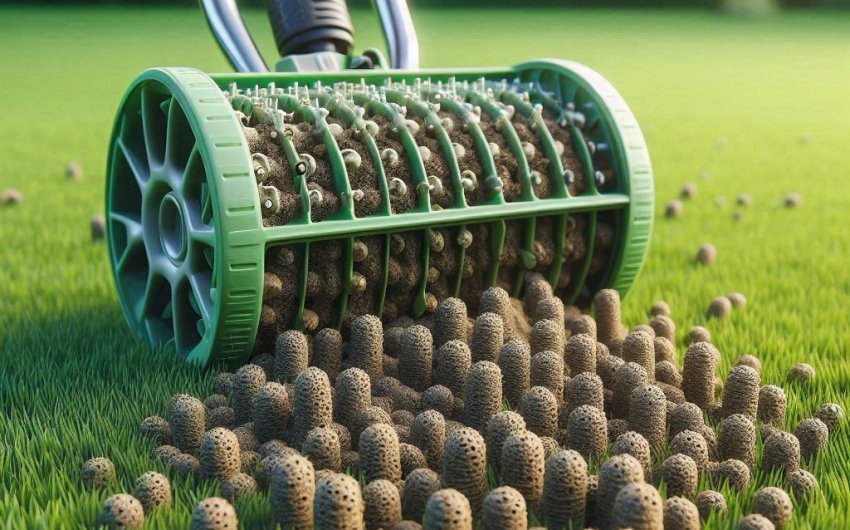
Addressing lawn compaction problems is a fundamental step toward cultivating a more vibrant and resilient yard. When soil becomes dense and compressed, it severely restricts the essential flow of air, water, and nutrients to your grass roots, leading to a host of issues from stunted growth to increased vulnerability to disease. Understanding the indicators of compacted soil and implementing effective solutions can significantly rejuvenate your lawn and pave the way for a truly healthier outdoor space.
What is Soil Compaction and Why is it Harmful to Your Lawn?
Soil compaction occurs when soil particles are pressed together, reducing the amount of pore space (gaps) between them. These pore spaces are critical for healthy lawn growth as they provide pathways for air, water, and nutrients to reach the grass roots. When soil is compacted, roots struggle to penetrate the dense layers, leading to a host of problems for your lawn.
How Does Soil Compaction Happen?
Soil compaction is a common issue in many yards, primarily caused by repeated pressure on the soil.
- Foot Traffic: Walking, playing, or frequent use of specific areas in your yard are major culprits. Paths across the lawn, play areas, or spots where children frequently run can become severely compacted.
- Heavy Machinery: Construction equipment, vehicles, or even heavy lawnmowers (especially when operating on wet soil) can exert significant pressure, compressing the soil. This is often seen in new home developments where heavy machinery has driven over the soil.
- Improper Tillage: In some cases, repeated tilling of garden beds or new lawn areas can destroy soil structure, leading to a compacted layer beneath the tilled topsoil, known as a tillage pan.
- Natural Causes (Less Common): Heavy rainfall can sometimes cause the surface of fine-textured soils (like clay) to compact and form a crust.
What are the Signs of Lawn Compaction?
Recognizing the symptoms of compacted soil is the first step toward solving the problem. Look for these common indicators in your lawn:
- Poor Water Drainage: Water puddles on the surface after rain or irrigation, taking a long time to soak in. This is a tell-tale sign that water can't penetrate the soil.
- Stunted Grass Growth: Your grass looks thin, patchy, or grows slowly, even with adequate fertilization and watering. Roots can't spread efficiently to absorb nutrients.
- Moss or Weeds: Moss thrives in wet, poorly drained, and acidic conditions often associated with compaction. Weeds like dandelions and plantain are also common in compacted soils as they can tolerate these harsh environments better than grass.
- Hard Soil: The soil feels very hard and resistant when you try to push a screwdriver or a shovel into it.
- Runoff: Water runs off the lawn into pathways or storm drains rather than infiltrating the soil.
- Dead Patches: Areas of your lawn may be struggling or dying off due to lack of air and water for the roots.
Why is Compacted Soil Bad for Grass Roots?
The negative impacts of compacted soil on grass roots are profound and interconnected.
- Reduced Oxygen: Roots, like all living organisms, need oxygen to respire and absorb nutrients. Compaction squeezes out air pockets, leading to oxygen deprivation.
- Poor Water Infiltration: Water struggles to penetrate compacted soil, leaving roots dry even if the surface appears wet. This leads to drought stress.
- Limited Nutrient Uptake: Even if nutrients are present, roots cannot properly absorb them without adequate water and oxygen.
- Restricted Root Growth: The physical density of compacted soil prevents roots from growing deeply and broadly, making the grass weak and less resilient to stress.
- Increased Disease Susceptibility: Weakened grass from compaction is more vulnerable to fungal diseases and insect infestations.
How Can Aeration Solve Lawn Compaction Problems?
Aeration is the most direct and effective solution for lawn compaction problems. This process involves creating small holes in the lawn to break up compacted soil, allowing air, water, and nutrients to penetrate more easily to the grass roots.
Understanding Lawn Aeration
Lawn aeration is the process of perforating the soil with small holes to allow air, water, and nutrients to penetrate the grass roots. It's often referred to as "core aeration" because it typically involves removing small plugs of soil, called "cores" or "plugs," from the lawn.
Benefits of Aeration for Your Lawn
The positive impacts of aeration on a compacted lawn are numerous and transformative.
- Improved Air Exchange: Creates pathways for oxygen to reach grass roots and for harmful gases (like carbon dioxide) to escape.
- Enhanced Water Penetration: Allows water to soak deeply into the soil rather than pooling or running off, leading to more efficient watering and drought resistance.
- Better Nutrient Uptake: Enables fertilizers and organic matter to reach the root zone more effectively, promoting stronger growth.
- Stronger Root Growth: Reduces the physical resistance in the soil, allowing grass roots to grow deeper and spread out, leading to a more resilient turf.
- Reduced Puddling and Runoff: By improving absorption, aeration minimizes water pooling on the surface.
- Thicker, Healthier Turf: Over time, with improved access to essentials, your lawn will become denser, greener, and more resistant to pests and diseases.
When is the Best Time to Aerate Your Lawn?
Timing is crucial for effective aeration. You want to aerate when your grass is actively growing, so it can quickly recover and fill in the newly opened holes.
- Cool-Season Grasses (e.g., Fescue, Ryegrass, Kentucky Bluegrass): Best aerated in the early fall (late August to October) or early spring (March to May). Fall is often preferred as it allows the grass to recover before winter and takes advantage of fall seeding.
- Warm-Season Grasses (e.g., Bermuda, Zoysia, St. Augustine): Best aerated in the late spring to early summer (late April to July), when the grass is growing vigorously.
Avoid aerating when your lawn is dormant (brown from heat or cold), when the soil is extremely dry and hard, or when it's overly wet and muddy, as this can cause more compaction.
Types of Aerators and How They Work
There are two main types of aerators commonly used for lawns.
Core Aerators (Plug Aerators)
- How they work: These machines have hollow tines that physically remove small plugs (cores) of soil from the ground, typically 2-4 inches deep and 0.5-0.75 inches in diameter.
- Benefits: This is the most effective method for relieving severe compaction because it actually removes material, creating lasting channels. The removed cores can be left on the lawn to break down, returning valuable organic matter and microbes.
- Availability: You can rent a core aerator from most equipment rental centers or home improvement stores. For smaller areas, a manual core aerator or aerator sandals (less effective but good for very small spots) are options.
Spike Aerators
- How they work: These machines or tools use solid tines or spikes to poke holes in the ground without removing soil. They simply push the soil aside.
- Benefits: Less expensive and easier to use than core aerators. Good for very mild compaction or as a light, frequent maintenance tool.
- Drawbacks: They can sometimes worsen compaction around the edges of the holes, especially in clay soils, because they don't remove any material. Not recommended for severe compaction. You can find spike aerator rollers or even aerator shoes.
Recommendation: For significant lawn compaction problems, core aeration is always the preferred method.
Steps for Effective Lawn Aeration
Follow these steps for the best results when aerating your lawn:
- Mow Your Lawn: Mow your lawn to its normal height, or slightly shorter, before aerating. This makes it easier for the aerator to penetrate the soil.
- Mark Obstacles: Mark any sprinkler heads, shallow utility lines, or other obstacles in your lawn to avoid damaging them with the aerator.
- Moisten the Soil: Water your lawn thoroughly a day or two before aerating. The soil should be moist but not waterlogged or muddy. This allows the aerator tines to penetrate more easily.
- Aerating Pattern:
- For light to moderate compaction, make one pass over the entire lawn.
- For severe compaction, make two passes, with the second pass perpendicular to the first (creating a cross-hatch pattern).
- Leave the Cores: After aerating, leave the soil cores on the lawn. They contain beneficial microorganisms and will break down over a week or two, returning nutrients to the soil. You can speed up their breakdown by running over them with a lawnmower or raking them slightly.
- Water After Aeration: Water your lawn lightly after aerating to help settle the soil and encourage root growth.
How Can Topdressing Improve Compacted Soil?
Topdressing is the practice of applying a thin layer of material, such as compost or sand, over the surface of your lawn. While not a direct solution for deep compaction like aeration, it works in conjunction with aeration to improve soil structure, enhance drainage, and provide essential nutrients, leading to a healthier, more resilient lawn.
What is Topdressing and Its Benefits?
Topdressing involves spreading a thin, even layer of organic matter, sand, or a blend of both, over your existing lawn. This practice has several long-term benefits for a lawn suffering from compaction.
- Improves Soil Structure: Organic matter in the topdressing helps to bind soil particles together, forming aggregates that create more pore space, improving drainage and aeration.
- Adds Nutrients: If using compost, it provides a slow-release source of nutrients, reducing reliance on synthetic fertilizers.
- Enhances Drainage: Over time, the added material, especially if it includes sand, can improve the percolation of water through the soil profile.
- Encourages Root Growth: A healthier topsoil layer encourages roots to grow deeper and more vigorously.
- Fills in Low Spots: Can help level minor irregularities in the lawn surface.
- Reduces Thatch: The microbes in compost can help break down excessive thatch layers.
Types of Materials for Topdressing
The best material for topdressing depends on your specific soil type and goals.
| Material Type | Benefits | Considerations |
|---|---|---|
| Compost | Rich in organic matter and nutrients, improves soil structure, increases water retention, feeds microbes. | Ensure it's well-rotted and screened to prevent weeds or large clumps. Can be sourced from your own compost bin or purchased. |
| Composted Manure | Similar benefits to compost, provides good nutrients. | Must be fully composted and aged to avoid burning grass or introducing weed seeds. |
| Sand | Improves drainage in clay soils by creating larger pore spaces. | Use only coarse, washed sand (like concrete sand), never fine play sand. Applying too much sand to clay without organic matter can create a concrete-like mixture. Use sparingly and in conjunction with compost. |
| Loam/Topsoil Blend | A mix of sand, silt, clay, and organic matter. Can be useful for building up areas or introducing better soil. | Ensure it's a high-quality, screened topsoil free of weed seeds and pathogens. |
Recommendation: For most lawn compaction problems, a high-quality, screened compost is the best choice for topdressing due to its organic matter content and nutrient benefits.
When and How to Apply Topdressing
Topdressing is most effective when applied after aeration, as the new holes provide direct pathways for the material to penetrate the root zone.
- Aerate First (Highly Recommended): Apply topdressing immediately after core aeration. The holes created by the aerator will allow the compost or other material to work its way directly into the compacted soil profile.
- Mow Your Lawn: Mow the lawn to a normal or slightly lower height before application.
- Prepare the Topdressing Material: Ensure your compost or other material is finely screened and relatively dry. This will make it easier to spread evenly.
- Spread Evenly:
- Small Areas: Use a shovel to drop small piles of topdressing material around the lawn, then spread it evenly with the back of a rake or a push broom.
- Large Areas: Consider renting a topdressing spreader for more efficient and uniform application.
- Desired Thickness: Aim for a very thin layer, typically 1/4 to 1/2 inch. The grass blades should still be visible through the material. Too thick a layer can smother the grass.
- Work into the Turf: Use a rake, broom, or the back of a leaf blower to work the topdressing material down into the turf and into the aeration holes.
- Water Lightly: Water the lawn lightly after topdressing to help settle the material and wash it into the soil.
What Long-Term Practices Prevent Soil Compaction?
While aeration and topdressing are excellent corrective measures for existing lawn compaction problems, adopting long-term, proactive practices is essential to prevent future issues and maintain a consistently healthy yard. These strategies focus on nurturing soil health and minimizing stress on your turf.
Smart Watering and Fertilizing Practices
How you water and fertilize your lawn directly impacts its susceptibility to compaction.
- Deep and Infrequent Watering:
- Why it helps: Encourages deeper root growth, making the grass more resilient. Shallow, frequent watering keeps moisture near the surface, leading to shallow roots that are more vulnerable to compaction and drought.
- How to do it: Water until the soil is moist 6-8 inches deep. Check by pushing a screwdriver into the soil. Allow the top few inches to dry out before watering again.
- A smart sprinkler timer can help automate this.
- Organic Fertilizers and Soil Amendments:
- Why it helps: Organic fertilizers feed the soil microbes, which in turn improve soil structure over time, making it less prone to compaction. Synthetic fertilizers can sometimes harm these beneficial microbes and don't contribute to long-term soil structure.
- Examples: Use granular organic lawn fertilizer, compost, or liquid humic acid liquid humic acid products.
Proper Mowing Techniques
Your mowing habits can also influence soil compaction.
- Mow at a Higher Setting:
- Why it helps: Taller grass blades create more surface area for photosynthesis, leading to stronger, deeper root systems. Deeper roots naturally resist compaction better. It also shades the soil, keeping it cooler and reducing water evaporation.
- How to do it: Adjust your lawn mower deck to its highest recommended setting for your grass type (typically 2.5-3.5 inches).
- Leave Grass Clippings (Mulch Mowing):
- Why it helps: Clippings are a free source of nitrogen and organic matter. As they decompose, they feed soil microbes, improve soil structure, and contribute to a healthier, less compacted soil over time.
- How to do it: Use a mulching mower blade that finely chops the clippings, allowing them to fall back into the turf.
Reducing Traffic and Creating Pathways
Minimizing foot traffic and heavy loads on your lawn is a direct way to prevent future compaction.
- Designated Pathways: If there are areas of high traffic, consider installing permanent pathways using stepping stones, gravel, or pavers to direct traffic away from the lawn.
- Alternate Routes: Encourage family members to use different routes across the lawn to spread out the impact of foot traffic.
- Avoid Wet Lawns: Never walk, play, or drive on a wet lawn, as this dramatically increases the risk of compaction.
Overseeding for Denser Turf
A dense, healthy turf provides a natural barrier against compaction.
- Why it helps: A thick lawn, particularly with resilient grass varieties, helps absorb impact and distributes weight more evenly, protecting the underlying soil. More grass means more roots, which naturally break up the soil.
- How to do it: Overseed your lawn annually or biennially, especially after aeration, to fill in thin spots and maintain a dense turf. Choose grass seed varieties that are well-suited to your climate and traffic levels. Look for drought-tolerant grass seed if your area experiences dry spells.
Amending Soil with Organic Matter (Continually)
While topdressing is an initial boost, continually adding organic matter is the long-term backbone of healthy, compaction-resistant soil.
- How it helps: Organic matter acts as a sponge, improving soil structure, increasing water and nutrient holding capacity, and fostering a thriving microbial ecosystem that naturally loosens the soil.
- Methods:
- Regular Topdressing: As discussed, periodic thin applications of compost are ideal.
- Compost Tea: Applying compost tea can introduce beneficial microbes that help break down organic matter and improve soil structure.
- Liquid Aerators (Humic Acid/Surfactants): While not truly aerators, products containing humic acid or surfactants can help improve water penetration and stimulate microbial activity, indirectly aiding in soil loosening. They are best used as part of a broader soil health program, not as a replacement for mechanical aeration. For example, liquid aeration products can be beneficial.
By understanding these multifaceted approaches and integrating them into your routine, you can effectively solve lawn compaction problems and maintain a thriving, more resilient yard for years to come.