
The Best Compact Folding Furniture for Small Urban Gardens
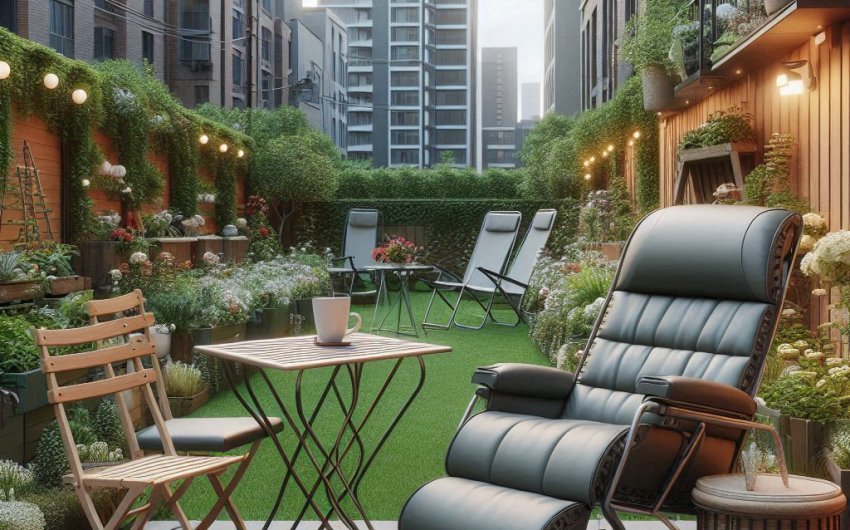
Creating a functional and inviting outdoor space in a city often comes with the challenge of limited square footage. Whether you have a tiny balcony, a compact patio, or a petite backyard, maximizing every inch is key to enjoying your urban oasis. This is where compact folding furniture becomes an absolute game-changer. Forget bulky, immovable pieces that hog precious space; the right folding furniture allows you to transform your small garden from a quiet retreat to an entertaining hub and back again, all with effortless ease. If you're looking to optimize your outdoor living without sacrificing style or comfort, let's explore the best solutions for making your small urban garden truly shine.
Why is Compact Folding Furniture Essential for Small Urban Gardens?
Living in a city often means making the most of every available space, and your outdoor area is no exception. Compact folding furniture isn't just a nice-to-have; it's a strategic necessity for anyone with a limited urban garden, balcony, or patio. Its benefits directly address the core challenges of small outdoor spaces.
How Does it Maximize Limited Space?
The primary advantage of folding furniture is its ability to free up valuable square footage when not in use.
- Dynamic Space Transformation: Imagine being able to convert your small balcony from a quiet reading nook to a dining area for two, and then back again, simply by unfolding or folding away furniture. This flexibility is impossible with fixed, bulky pieces. You can adapt your space to your current needs, rather than being limited by permanent arrangements.
- Vertical Storage Potential: Many folding chairs and tables are designed to be slim when folded, allowing them to be stored vertically against a wall, behind a door, or even hung on hooks. This utilizes vertical space, keeping your precious floor area clear.
- Unobstructed Pathways: In narrow balconies or small yards, large furniture can block pathways and make the area feel cramped. Folding pieces can be put away to ensure easy movement, preventing tripping hazards and creating a more open feel.
- Illusion of More Space: A clutter-free, open space always feels larger than one crammed with objects. By neatly stowing away folding furniture when it's not needed, you create an impression of spaciousness, making your small garden feel bigger and more inviting.
How Does it Offer Versatility and Adaptability?
Compact folding furniture is the chameleon of outdoor living, effortlessly adapting to various functions and social scenarios.
- Multi-Purpose Use: A small folding table can serve as a coffee table for your morning brew, a workstation for your laptop, a plant stand, or a side table for drinks when entertaining. Folding chairs can be extra seating for guests or a comfortable spot for solitary relaxation.
- Adjusting to Guest Count: Hosting a barbecue for friends? Pull out a few extra folding chairs and tables. Enjoying a quiet evening alone? Store the extras away. You're not stuck with seating for six when it's just you.
- Seasonal Changes: As seasons change, your outdoor needs might too. Folding furniture allows you to easily reconfigure your space for summer dining, autumn leaf-peeping, or winter storage, keeping only what's necessary out at any given time.
- Easy Relocation: Need to move your dining area from a sunny spot to a shady one? No problem. Folding furniture is lightweight and easy to carry, giving you the freedom to chase the sun or shade as desired, or simply rearrange your layout on a whim.
What are the Benefits of Portability and Storage?
The ease of moving and storing folding furniture is a significant advantage for urban dwellers.
- Effortless Movement: Most compact folding furniture is designed to be lightweight, often constructed from aluminum, plastic, or thinner wood profiles. This makes it easy to carry pieces from indoors to outdoors, or around your garden as needed, without strain.
- Off-Season Storage: When the colder months arrive, or if you simply want to free up your outdoor space, folding furniture can be compactly stored away. This protects it from harsh weather, extending its lifespan, and prevents it from cluttering your small garden during the off-season. You can tuck it into a shed, a garage, or even a closet.
- Easy Transport: If you're moving apartments or want to take your garden furniture to a friend's barbecue, its foldable nature makes transport incredibly simple. You don't need a large truck or professional movers.
- No Permanent Fixtures: Unlike built-in benches or large outdoor sofas, folding furniture requires no permanent installation. This is especially beneficial for renters who need flexible solutions that can move with them.
In essence, compact folding furniture empowers you to create a highly functional, beautiful, and adaptable outdoor living area, even within the tightest urban constraints. It's about smart design meeting practical needs, ensuring you get the most out of every precious square foot.
What Materials Work Best for Compact Folding Furniture?
The choice of material significantly impacts the durability, weight, maintenance, and aesthetic of your compact folding furniture. For small urban gardens, you'll want materials that balance these factors with the need for easy portability and resistance to the elements.
Aluminum: Lightweight and Rust-Resistant
Aluminum is a top contender for folding outdoor furniture due to its inherent properties.
- Pros:
- Extremely Lightweight: This is aluminum's standout feature, making chairs and tables incredibly easy to carry, fold, and store.
- Rust-Resistant: Aluminum does not rust, which is crucial for outdoor furniture exposed to rain and humidity. It will, however, oxidize and form a white powdery layer, which is generally harmless and can be cleaned.
- Durable: Despite being lightweight, aluminum is a strong metal that can withstand considerable weight and everyday use.
- Low Maintenance: Generally only requires occasional cleaning with soap and water.
- Modern Aesthetic: Often used for sleek, contemporary designs that fit well in urban settings.
- Cons:
- Can Get Hot: In direct sunlight, aluminum can heat up quickly, potentially becoming uncomfortable to touch.
- Prone to Dents/Scratches: While strong, it can dent or scratch more easily than steel.
- Price: Can sometimes be more expensive than steel or plastic options.
- Best For: Balconies, rooftop gardens, areas where furniture needs to be moved frequently, or climates with high humidity/rain.
- Example: Look for a folding aluminum bistro set for a stylish and practical solution.
Plastic (HDPE, Resin): Affordable and Weatherproof
Modern plastics, especially HDPE (High-Density Polyethylene) or resin, are far more sophisticated than the flimsy patio furniture of the past.
- Pros:
- Very Affordable: Often the most budget-friendly option.
- Extremely Weatherproof: Impervious to rain, humidity, and UV rays (if treated). It won't rot, rust, or fade significantly.
- Low Maintenance: Easy to clean with just soap and water.
- Lightweight (Generally): While sometimes heavier than aluminum, most plastic folding furniture is still easy to handle.
- Available in Many Colors: Can add a pop of color to a small space.
- Cons:
- Can Look Less Upscale: Some people perceive plastic as less luxurious, though higher-quality resin can mimic wicker or wood effectively.
- Can Be Less Sturdy: Cheaper, thinner plastics might feel less stable than metal options.
- Environmental Concerns: While recyclable, the production of virgin plastic has a higher environmental footprint than recycled options. Opt for recycled plastic folding furniture where possible.
- Best For: Budget-conscious shoppers, families with children, very wet climates, or casual settings.
- Example: A heavy-duty folding resin table can be surprisingly versatile.
Wood (Acacia, Teak, Eucalyptus): Natural Beauty with Some Maintenance
Natural wood offers a classic, warm aesthetic that many prefer. For folding furniture, specific types of wood are better suited due to their natural weather resistance.
- Pros:
- Classic Aesthetic: Adds natural beauty and warmth to any garden.
- Sturdy Feel: Often provides a solid, comfortable seating experience.
- Sustainable Options: Many woods like acacia or eucalyptus are fast-growing and can be sourced sustainably.
- Cons:
- Requires Maintenance: To retain its color and prevent degradation, wood usually needs regular oiling or sealing. Without it, it will weather to a silvery-gray patina (which some prefer).
- Heavier: Generally heavier than aluminum or plastic, making it less portable.
- Can Be Expensive: Especially for durable hardwoods like teak.
- Splintering/Cracking: Can splinter or crack over time if not maintained or if exposed to extreme drying/wetting cycles.
- Best For: Those who prioritize natural aesthetics and are willing to perform some maintenance. Ideal for covered patios or areas with milder climates where furniture can be easily stored indoors during off-seasons.
- Example: A folding acacia wood bistro set can offer charming appeal.
Steel (Powder-Coated): Durable and Strong
Steel, particularly when powder-coated, offers a robust and often more traditional look.
- Pros:
- Very Strong and Durable: Can withstand significant weight and heavy use.
- Stable: Feels very sturdy and secure.
- Affordable (Often): Can be more budget-friendly than aluminum or hardwood.
- Various Designs: Available in many classic and ornate styles.
- Cons:
- Heaviest Option: This is the main drawback for folding furniture. Its weight can make it less portable and harder to store.
- Rust Risk: If the powder coating is scratched or chipped, exposed steel can rust. Rust can stain patio surfaces.
- Can Get Hot: Similar to aluminum, it can heat up in direct sun.
- Best For: Those seeking maximum stability and durability, less frequent moving, and are conscious of budget. Ensure a high-quality powder coating.
- Example: A folding steel patio chair for a robust option.
When selecting your compact folding furniture, consider your climate, how often you plan to move the pieces, your budget, and the aesthetic you want for your small urban garden. Each material offers a unique balance of benefits.
What Types of Compact Folding Furniture Are Available?
The world of compact folding furniture extends far beyond basic chairs. Manufacturers have gotten creative, offering a wide array of pieces designed to maximize functionality in small spaces.
Folding Bistro Sets
These are the quintessential small-space dining solution.
- What it is: Typically includes one small folding table and two folding chairs.
- Pros:
- Perfect for Two: Ideal for intimate meals, coffee, or drinks for couples or a small household.
- Space-Saving: Both the table and chairs fold flat, making them incredibly easy to store when not in use.
- Versatile: Can be used for dining, as a workstation, or as a display area for plants.
- Considerations: Ensure the table size is adequate for your intended use (e.g., fitting two plates and drinks comfortably). Check stability when unfolded.
- Ideal for: Small balconies, tiny patios, or a secluded corner of a compact garden where you want a dedicated dining or seating spot. A PHI VILLA Outdoor Bistro Set is a popular choice for urban spaces.
Individual Folding Chairs and Stools
For ultimate flexibility and extra seating on demand.
- What they are: Single chairs or stools that fold flat.
- Pros:
- Highly Flexible: Can be brought out only when needed, accommodating unexpected guests.
- Minimal Storage Footprint: Can be hung on hooks, stacked in a corner, or slipped behind other furniture.
- Lightweight: Often very easy to carry and reposition.
- Variety: Available in many styles, from basic utility chairs to more decorative options like folding Adirondack chairs.
- Considerations: Ensure comfort for prolonged sitting. Stools are great for quick perching or as side tables.
- Ideal for: Adding adaptable seating to any small space, particularly when entertaining, or for creating a temporary reading nook.
Folding Tables (Dining, Side, Coffee)
These are the workhorses of versatile outdoor spaces.
- What they are: Tables of various sizes designed to fold flat or collapse for storage.
- Pros:
- Functionality: From small side tables to larger dining tables, they provide a surface for everything from drinks to full meals.
- Space Management: Crucial for small spaces where a permanent table would be too cumbersome.
- Adjustable Heights: Some models offer adjustable heights, allowing them to function as coffee tables or dining tables.
- Gateleg or Drop-Leaf Designs: Tables with these features have hinged leaves that can be folded down, dramatically reducing their footprint when not fully extended.
- Considerations: Check stability when unfolded. Consider the weight if you'll be moving it frequently.
- Ideal for: Anyone needing adaptable surface space for dining, working, or leisure. A Lifetime Folding Personal Table can be surprisingly useful.
Folding Benches
A good option for maximizing seating capacity along a wall or railing.
- What it is: A bench designed to fold flat, often with a backrest.
- Pros:
- Maximizes Seating: Offers more seating per linear foot than individual chairs.
- Slim Profile: When folded, can be very thin for storage.
- Versatile Placement: Can be placed against a wall, under a window, or at a dining table.
- Considerations: Check the weight if you plan to move it often. Stability is key for a bench.
- Ideal for: Providing multiple seating spots in a narrow balcony or along a perimeter in a small yard. A folding outdoor garden bench can be a great addition.
Wall-Mounted Fold-Down Tables
The ultimate space-saver for extremely tight areas.
- What it is: A table that attaches to a wall and folds down when in use, then folds flat against the wall when not needed.
- Pros:
- Zero Floor Footprint When Folded: Perfect for the smallest balconies where every inch matters.
- Instant Surface: Provides an instant dining or workspace.
- Permanent but Hidden: It's fixed, so it's always there, but completely out of the way.
- Cons:
- Requires Installation: Needs to be securely mounted to a wall.
- Less Flexible: Cannot be moved to another part of the garden.
- Ideal for: Tiny balconies, narrow passages, or areas where floor space is virtually non-existent. A wall-mounted fold-down desk can easily double as an outdoor table.
By strategically choosing a mix of these compact folding furniture types, you can create a highly efficient, beautiful, and adaptable urban garden that perfectly suits your lifestyle, no matter how small the space.
Tips for Choosing and Caring for Your Compact Folding Furniture
Selecting the right compact folding furniture and maintaining it properly will ensure it serves your small urban garden well for years to come. It's not just about finding pieces that fold; it's about smart choices and consistent care.
What Should I Consider Before Buying?
Making an informed decision upfront saves time, money, and hassle later.
- Measure Your Space (Accurately!): Before you even start browsing, measure your available outdoor area. Consider both the footprint when the furniture is unfolded and, more importantly, its dimensions when folded for storage. Don't forget to account for walking paths and clearances.
- Consider Your Needs and Lifestyle:
- How often will you use it? Daily coffee? Occasional dining?
- How many people do you typically need to seat? Just yourself, or do you entertain often?
- What activities will you do? Dining, reading, gardening tasks, working on a laptop? This will dictate table size and chair comfort.
- Check the Folding Mechanism: Ensure the folding and unfolding process is smooth, easy, and secure. You don't want a struggle every time you use it. Look for secure locking mechanisms that prevent accidental collapse.
- Stability and Weight Capacity: Even though it's folding, the furniture should feel sturdy and stable when fully extended. Check the weight capacity, especially for chairs and benches. Don't compromise on safety for portability.
- Material Suitability for Your Climate: Revisit the material section. If you live in a rainy climate, prioritize rust-resistant metals (aluminum) or non-porous materials (plastic). If you have intense sun, ensure UV protection.
- Aesthetics and Style: Does the furniture's design and color complement your home's exterior and your personal style? Even in a small space, aesthetics matter for creating a pleasant atmosphere.
- Review Customer Feedback: Read reviews for specific products. Look for comments on durability, ease of folding, comfort, and actual weather performance.
How Can I Optimize Storage in Small Spaces?
Smart storage solutions are crucial for maintaining a clutter-free small urban garden.
- Vertical Storage: As mentioned, many folding chairs and some tables can be hung on wall-mounted hooks. A simple garage storage hook system can work wonders on a balcony or patio wall.
- Slim Profile Design: Look for furniture that folds down to a very thin profile. Some chairs are designed to stack almost flat when folded.
- Under-Bench or Under-Table Storage: If you have a larger folding bench or table, consider if other smaller folded items can be tucked underneath it.
- Dedicated Storage Box/Shed: For multi-piece sets or items you want completely out of sight, a compact outdoor storage box or a small, slender garden shed can be invaluable. A Keter Factor Small Resin Storage Shed could fit neatly into a small corner.
- Maximize Unused Corners: Identify unused nooks and crannies where folded furniture can be discreetly tucked away.
What is the Best Way to Care for Folding Furniture?
Proper care extends the life and maintains the appearance of your compact folding furniture.
- Regular Cleaning: Most materials benefit from a simple wash with mild soap and water. Use a soft brush or cloth. Rinse thoroughly. This prevents dirt and grime buildup that can lead to deterioration or staining.
- Winter Storage: Even if your furniture is "weatherproof," bringing it indoors or storing it under cover during the harshest winter months (or periods of extreme non-use) will significantly extend its lifespan and maintain its appearance. If storing outdoors, use a breathable, waterproof outdoor furniture cover.
- Material-Specific Care:
- Aluminum: Rarely needs more than cleaning. Avoid harsh abrasive cleaners.
- Plastic/Resin: Simple cleaning. For stubborn stains, a magic eraser can work. Avoid strong chemicals that might degrade the plastic.
- Wood: If you want to maintain the original color, follow manufacturer recommendations for oiling or sealing, typically once or twice a year. If you prefer the silvery patina, less maintenance is needed, but an annual clean is still good.
- Steel: Inspect regularly for scratches or chips in the powder coating. Touch up promptly with rust-inhibiting paint to prevent rust spread.
- Check Hardware: Periodically inspect screws, bolts, and hinges. Tighten any loose connections. Apply a silicone spray lubricant to hinges if they start to stick or squeak.
- Avoid Overloading: Respect the weight limits of your furniture. Overloading can strain the folding mechanisms and lead to damage.
By carefully considering your purchase, optimizing your storage, and providing regular, simple care, your compact folding furniture will provide comfort, style, and invaluable flexibility for your small urban garden for many years to come, truly making the most of your outdoor living space.