
How to Choose Hammock Chairs for a Relaxing Garden Escape?
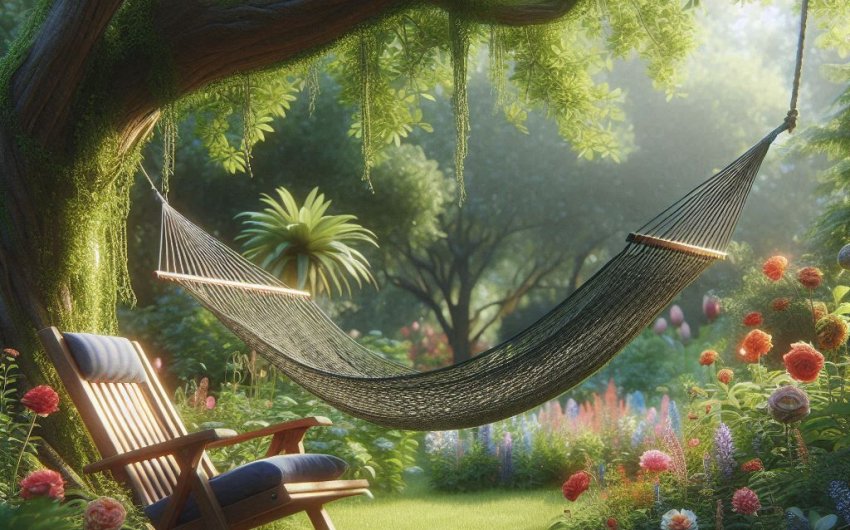
To choose hammock chairs for a relaxing garden escape, one must navigate a delightful array of styles, materials, and suspension options. These inviting pieces of outdoor furniture offer a unique blend of comfort and whimsical charm, transforming any patio, balcony, or shaded nook into a personal sanctuary. The ideal selection perfectly marries functionality with aesthetics, ensuring your chosen chair becomes the ultimate spot for unwinding amidst nature.
What is a Hammock Chair?
Before we delve into how to choose hammock chairs for a relaxing garden escape, let's first clarify what defines this unique piece of outdoor furniture. A hammock chair is a versatile seating option that combines the comfort of a hammock with the upright posture of a chair, perfect for unwinding in smaller spaces.
How Does it Differ from a Traditional Hammock?
The key distinction between a hammock chair and a traditional hammock lies in its suspension and seating position.
- Suspension: A traditional hammock usually requires two anchor points (like two trees or a stand with two ends) and allows for a lying, sprawling position. A hammock chair, conversely, requires only one overhead anchor point. This makes it incredibly versatile for smaller spaces.
- Seating Position: While a traditional hammock is designed for lying down horizontally, a hammock chair provides an upright, seated position. This makes it ideal for reading, sipping a beverage, or simply observing your surroundings comfortably, without having to recline fully.
- Footprint: Hammock chairs generally have a much smaller footprint, making them suitable for balconies, small patios, or even indoors, unlike traditional hammocks which need more sprawling space.
What are the Key Components?
A standard hammock chair typically comprises a few essential components:
- Spreader Bar: Most hammock chairs feature a solid spreader bar (often wood or metal) at the top. This bar keeps the fabric or rope spread open, maintaining the chair's shape and providing a stable sitting area. Some styles, like the Brazilian hammock chair, might omit a spreader bar for a more cocoon-like feel.
- Seating Material: This is the main body of the chair where you sit. It can be made from various materials like woven cotton, polyester, macrame rope, or even quilted fabric.
- Suspension Ropes/Chains: Multiple ropes or chains gather the seating material at the top, attaching to a single collection point, which then connects to your chosen anchor.
- Single Anchor Point: The entire chair hangs from just one hook or attachment point above.
What are its Primary Uses?
A hammock chair is incredibly versatile, making it perfect for creating a cozy nook in various settings:
- Reading Nook: Its upright position and gentle sway make it ideal for getting lost in a book.
- Relaxation Spot: Perfect for simply unwinding, meditating, or enjoying the garden view.
- Small Space Seating: An excellent solution for adding comfortable seating to balconies, small patios, or even indoors where a full lounge chair might not fit.
- Whimsical Accent: Adds a touch of playful charm and bohemian style to any outdoor area.
What are the Benefits for a Relaxing Garden Escape?
Incorporating a hammock chair into your garden escape elevates the relaxation experience.
- Gentle Sway: The subtle, rhythmic swing helps to soothe and relax, enhancing the feeling of peace.
- Elevated Comfort: It provides a soft, conforming seat that molds to your body, offering superior comfort compared to rigid chairs.
- Connection to Nature: Being suspended gently allows you to feel more immersed in your garden environment, closer to the breeze and the sounds of nature.
- Style Statement: A well-chosen hammock chair can become a beautiful focal point, adding personality and an inviting vibe to your outdoor oasis.
Understanding these characteristics forms the foundation for how to choose hammock chairs for a relaxing garden escape that truly fits your needs.
How Do I Choose the Right Material?
The material of your hammock chair is a crucial factor, impacting its comfort, durability, weather resistance, and aesthetic appeal. To choose hammock chairs for a relaxing garden escape, understanding the pros and cons of different fabrics and weaves is essential.
What are the Best Materials for Outdoor Use?
For outdoor use, the material's ability to withstand the elements is paramount.
- Polyester/Solution-Dyed Acrylic: These are top choices for weather resistance. Polyester is durable, quick-drying, and resistant to mildew and UV fading. Solution-dyed acrylic (like Sunbrella fabric) is incredibly resistant to fading, mildew, and harsh weather, making it ideal for full sun exposure and humid climates. It's also often soft to the touch. A polyester hammock chair will be durable.
- Textilene/PVC Mesh: A strong, synthetic fabric designed for outdoor furniture. It's highly resistant to UV rays, mold, and mildew, and dries very quickly. It offers a firm but comfortable support and is easy to clean.
- Weather-Resistant Cotton Blends: While pure cotton can degrade quickly outdoors, some manufacturers use cotton blends treated for UV and mildew resistance, offering a softer feel with improved durability.
What About Comfort and Texture?
The material's feel against your skin directly impacts your relaxation.
- Cotton: Offers the softest, most breathable, and most comfortable feel. It molds to the body beautifully. However, it's generally best for covered or temporary outdoor spaces as it can absorb moisture, leading to mildew, and degrade in sunlight.
- Quilted Fabric: Often made from cotton or polyester blends, these chairs feature padded, quilted sections for extra plushness and comfort. They provide a luxurious, pillow-like feel but can take longer to dry if wet.
- Woven Rope/Net: Offers a more open, airy feel, allowing good ventilation. The ropes conform to the body. Materials can be cotton (soft but less durable outdoors), polyester (more weather-resistant), or even sturdy nylon. A macrame hammock chair offers a unique look.
How Does Weather Resistance Factor In?
Weather resistance dictates how much maintenance your hammock chair will require and how long it will last outdoors.
- UV Resistance: Prevents colors from fading and materials from degrading in sunlight. Solution-dyed acrylic is best, followed by UV-treated polyester.
- Mildew/Mold Resistance: Crucial for humid climates. Synthetics generally outperform natural fibers here. Regular cleaning helps regardless of material.
- Water Resistance/Drying Time: Materials that shed water quickly or don't absorb much moisture (Textilene, treated polyester) are ideal for areas exposed to rain. Cotton can become heavy and prone to mildew if left wet.
What About Maintenance?
Consider how easy your chosen material is to clean and maintain.
- Easy Clean: Textilene and coated synthetics are often wipe-clean with mild soap and water.
- Machine Washable: Some fabric hammock chairs have removable covers that can be machine washed, which is a great convenience.
- Spot Clean: Leather or natural rope chairs might require spot cleaning.
- Storage: Even with weather-resistant materials, storing your hammock chair during extreme weather or off-season will significantly prolong its life. A storage bag for outdoor cushions can work for chairs too.
By carefully evaluating these material characteristics, you can confidently choose hammock chairs for a relaxing garden escape that not only look good but also stand up to outdoor living.
What Styles of Hammock Chairs Are There?
Beyond materials, hammock chairs come in a delightful array of styles, each offering a distinct aesthetic and comfort experience. To truly choose hammock chairs for a relaxing garden escape, exploring these styles helps align the chair with your garden's overall design and your personal preference for relaxation.
What is a Brazilian Hammock Chair?
The Brazilian hammock chair is renowned for its generous, fabric-rich design that encourages deep relaxation.
- No Spreader Bar: Unlike many other hammock chairs, traditional Brazilian styles often do not use a spreader bar. Instead, the fabric gathers at the top, allowing it to envelop the sitter in a soft, cocoon-like embrace.
- Comfort: This "no bar" design creates a sensation of being cradled, molding closely to the body for ultimate comfort. It's perfect for curling up with a book or taking a gentle nap.
- Aesthetics: They often feature vibrant colors, intricate weaving patterns, or fringe, adding a bohemian or tropical flair.
- Best For: Those prioritizing deep comfort, a snug embrace, and a relaxed, casual aesthetic.
What is a C-Stand Hammock Chair?
A C-Stand hammock chair combines a specific chair style with its own dedicated suspension system, offering unparalleled flexibility in placement.
- Integrated Stand: This style comes with a robust C-shaped stand (usually made of powder-coated steel or wood) from which the hammock chair hangs. The stand's curved design naturally centers the chair. A popular option is the Vivere C-Stand combined with a chair.
- Portability: Since it doesn't require overhead attachment points, a C-Stand hammock chair can be placed virtually anywhere in your garden – on a patio, lawn, or by the pool – making it highly versatile for creating temporary relaxation zones.
- Stability: A well-designed C-stand offers excellent stability, although the footprint of the stand itself needs to be considered.
- Best For: Those without suitable trees or overhead structures, or who want the flexibility to move their relaxation spot around the garden.
What is a Chair Hammock with a Spreader Bar?
This is perhaps the most common and versatile style, offering a balanced combination of upright seating and gentle sway.
- Classic Design: It features a single spreader bar at the top, which keeps the chair open and maintains a defined seating area. The seating material then hangs below, conforming to the body.
- Ease of Entry/Exit: The open design makes it easier to get in and out compared to a Brazilian style.
- Variety: Available in a vast array of materials (cotton, polyester, quilted fabric) and colors, allowing for diverse aesthetic choices.
- Best For: General outdoor relaxation, reading, and casual lounging where a defined seat is preferred, and suitable overhead attachment is available.
What is a Pod or Egg-Shaped Hammock Chair?
Pod or egg-shaped hammock chairs are modern, sculptural pieces that offer a more enclosed and cozy experience.
- Cocoon-like: These chairs feature a rigid outer shell (often rattan, wicker, or metal) woven into an enclosed, often open-weave, pod or egg shape.
- Comfort: They offer a sense of privacy and seclusion, perfect for snuggling up. They usually include plush cushions for added comfort.
- Aesthetics: Highly decorative and often serve as a strong design statement in a garden escape.
- Suspension: Can be hung from a sturdy overhead point or often come with their own dedicated stand (like a C-stand or a wider, heavier base) for greater flexibility. A hanging egg chair with stand is a popular choice.
- Best For: Those looking for a distinct visual element, a more private and enclosed seating experience, and often a higher budget.
By exploring these varied styles, you can effectively choose hammock chairs for a relaxing garden escape that not only cradles you in comfort but also enhances your outdoor aesthetic.
How Do I Safely Hang My Hammock Chair?
Once you've decided to choose hammock chairs for a relaxing garden escape, the next crucial step is ensuring they are safely and securely hung. Improper installation can lead to accidents and injury. Whether hanging from a tree, patio beam, or a dedicated stand, safety must be the top priority.
How Can I Hang from a Tree?
Hanging a hammock chair from a sturdy tree branch is a classic and aesthetically pleasing option, but it requires careful attention to safety and tree health.
- Choose a Healthy Branch: Select a strong, healthy hardwood branch that is at least 6-8 inches in diameter. Avoid dead, rotting, or diseased branches.
- Branch Height: The branch should be high enough to allow the chair to hang freely with enough clearance from the ground when you sit in it, typically 7-8 feet high.
- Protect the Tree: Do not use rope directly on the branch, as it can girdle (choke) and damage the tree as it grows. Instead, use wide tree protector straps or tree-friendly suspension kits that spread the load and prevent bark damage.
- Hardware: Use heavy-duty, outdoor-rated hardware, such as a large eye bolt or tree strap system specifically designed for hammocks. Ensure the eye bolt goes through the branch with a washer and nut on the other side, or the strap is securely looped.
- Test: Before full use, test the hanging point with gradually increasing weight to ensure stability.
How Can I Hang from a Patio or Porch Beam?
Hanging a hammock chair from a sturdy patio cover, porch beam, or pergola can provide a comfortable, shaded spot directly adjacent to your home.
- Locate a Joist/Beam: This is critical. You must hang the chair from a structural beam or joist that is capable of supporting the weight of the chair plus a person. Do not hang from thin slats, decorative panels, or drywall. Use a stud finder for ceilings.
- Reinforcement: For extra peace of mind or if the beam seems insufficient, consider reinforcing it with additional blocking or cross-bracing. Consult a carpenter if unsure.
- Hardware: Use heavy-duty swivel hooks, eye bolts, or spring clips rated for outdoor use and for weights significantly higher than the intended load (e.g., a 400-500 lb weight capacity). A heavy-duty swing hanger is a good option.
- Drill Pilot Holes: Always drill pilot holes before inserting screws or bolts to prevent wood splitting.
Are Hammock Chair Stands Safe?
Yes, hammock chair stands are designed to be safe and are an excellent option when permanent hanging points aren't available.
- Stability: Choose a stand made from sturdy, heavy-gauge steel or robust wood that is designed for outdoor use. Check the base for stability – wide, well-balanced bases are best.
- Weight Capacity: Always check the stand's weight capacity and ensure it exceeds your needs.
- Assembly: Follow assembly instructions precisely to ensure all parts are correctly fastened and secure.
- Placement: Place the stand on a flat, level surface. Avoid uneven ground that could cause instability. Many stands come with adjustable feet for leveling.
- Types: C-stands are common, but there are also tripod stands or A-frame stands, each with different footprints.
What is the Importance of Weight Capacity?
The weight capacity of both the hammock chair itself and its suspension hardware (and stand, if applicable) is paramount for safety.
- Check All Components: Always verify the weight limits for the chair, the hanging hardware (hooks, ropes, straps), and the stand. The lowest weight capacity among all components is your effective limit.
- Factor in Movement: The dynamic weight (weight of a person moving or swinging) can be higher than static weight. It's always best to choose hardware with a significantly higher rating than the weight it will bear.
- Don't Overload: Never exceed the stated weight capacity to prevent breakage and injury.
By prioritizing safety and proper installation, you can confidently choose hammock chairs for a relaxing garden escape and enjoy many worry-free hours of comfort.
How Do I Maintain My Hammock Chair?
Proper maintenance is key to prolonging the life, comfort, and appearance of your hammock chair, ensuring it remains a beloved feature of your relaxing garden escape for many seasons. Different materials require specific care routines.
How Should I Clean Different Materials?
Regular cleaning prevents dirt, mildew, and stains from building up.
- Cotton/Fabric:
- Spot Cleaning: For small spills, gently blot with a clean cloth and mild soap (like dish soap) and water. Rinse thoroughly.
- Hand Wash/Machine Wash: If the chair fabric is removable and the care label allows, hand washing in cool water with a mild detergent is best. Some might be machine washable on a gentle cycle. Always air dry.
- Mildew Removal: For mildew spots, a solution of 1 part bleach to 4 parts water can be used cautiously on white or colorfast fabrics, or a specialized mildew remover for fabric. Test on an inconspicuous area first.
- Polyester/Acrylic/Textilene:
- Easy Clean: These synthetic materials are very easy to clean. Most dirt can be wiped off with a damp cloth.
- Deeper Clean: Use a mild soap and water solution with a soft brush. Rinse thoroughly with a hose.
- Mildew: These materials are more resistant to mildew, but if it occurs, use a mild bleach solution or specialized cleaner.
- Rope/Macrame:
- Spot Clean: For small areas, use a mild soap and water solution and a brush.
- Hose Down: For a thorough cleaning, lay flat on a clean surface and hose down with mild soapy water. Scrub gently if needed. Rinse thoroughly until all soap is gone.
- Wood Spreader Bars/Stands: Wipe clean with a damp cloth. For outdoor wood, consider applying a wood sealer for outdoor furniture annually to protect against rot and UV damage.
- Metal Stands/Hardware: Wipe down with a damp cloth. Inspect for rust. If rust appears on powder-coated steel, clean and touch up with rust-inhibiting paint.
What About Protecting from Weather?
Even with weather-resistant materials, protecting your hammock chair from harsh elements prolongs its lifespan.
- Bring Indoors/Store: During heavy rain, prolonged periods of extreme sun, or during the off-season (winter), it's best to bring the hammock chair indoors or store it in a dry shed or garage.
- Use Covers: If bringing indoors isn't practical, use a waterproof outdoor furniture cover designed to protect against UV, rain, and dirt.
- Regular Drying: After rain, allow the chair to fully air dry before sitting on it or covering it to prevent mildew.
How Often Should I Inspect the Hardware?
Regular inspection of all hanging hardware is critical for safety and longevity.
- Frequency: Inspect monthly during active use, and before and after seasonal storage.
- What to Look For:
- Fraying Ropes/Cracked Fabric: Check the chair's ropes, fabric, and attachment points for any signs of wear, fraying, tearing, or discoloration.
- Rust or Corrosion: Inspect metal hooks, chains, and stands for rust or corrosion, which can weaken the material.
- Loose Connections: Ensure all bolts, screws, and attachments are tight and secure.
- Tree/Beam Health: If hanging from a tree, check the branch for any signs of stress, splitting, or bark damage. If hanging from a beam, check for any new cracks or signs of weakness.
- Replace Worn Parts: Immediately replace any worn, rusted, or damaged components. Do not take chances with safety.
By diligently maintaining your hammock chair, you ensure its continued comfort, beauty, and safety, making it a lasting centerpiece for your relaxing garden escape.