
Eco-Friendly Reclaimed Wood Furniture for Rustic Garden Designs
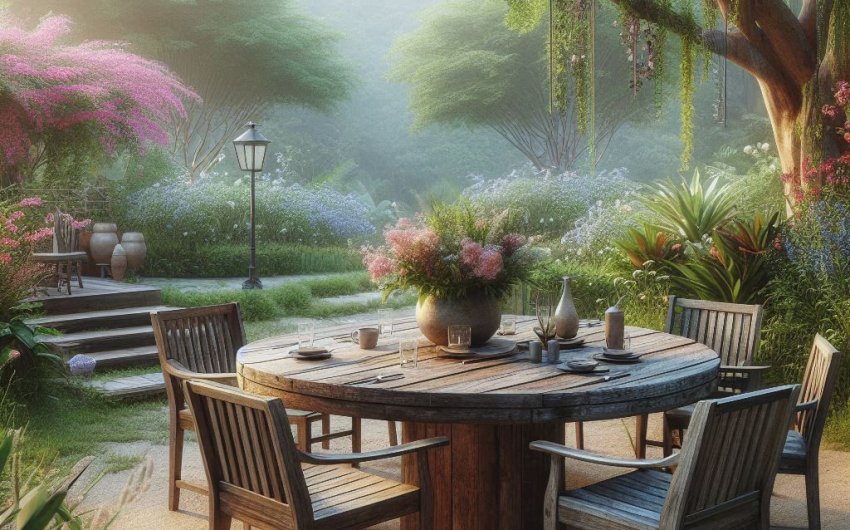
Embracing eco-friendly reclaimed wood furniture offers a sustainable and exceptionally charming way to craft an authentic rustic garden design. By choosing pieces crafted from salvaged timber, you not only infuse your outdoor space with unique character and a rich history but also actively contribute to environmental conservation. This thoughtful selection of garden furnishings provides a tangible connection to nature while enhancing the relaxed, natural aesthetic inherent in a rustic garden setting.
What is Reclaimed Wood Furniture?
Reclaimed wood furniture is crafted from timber that has been salvaged and repurposed from old structures or materials rather than newly harvested trees. This process gives wood a second life, transforming aged lumber into beautiful and functional pieces. It's a cornerstone of sustainable design, embodying both environmental responsibility and a unique aesthetic appeal perfect for rustic garden designs.
Where Does Reclaimed Wood Come From?
The sources of reclaimed wood are diverse, each contributing to the unique character and history of the timber.
- Old Barns and Factories: A significant portion of reclaimed wood comes from deconstructed old barns, factories, warehouses, and other industrial buildings. The large timbers and planks from these structures, often made from old-growth trees, are highly prized for their strength, density, and rich patinas.
- Deconstructed Houses: Timber from old homes undergoing demolition or renovation can also be a source, including floorboards, beams, and siding.
- Old Fences and Decking: Weathered fences, deck boards, and even old railway ties (though often treated and less suitable for direct furniture) are sometimes repurposed.
- Sunken Logs: In some cases, timber submerged in rivers or lakes for decades or even centuries can be salvaged. This "sinker wood" is often exceptionally dense and beautiful.
- Wine Barrels and Crates: Even smaller sources like retired wine barrels can be broken down and reformed into unique furniture pieces, often retaining hints of their original purpose.
What Makes Reclaimed Wood Eco-Friendly?
The environmental benefits of using reclaimed wood are substantial, making it a truly sustainable choice for your garden furniture.
- Reduced Deforestation: By utilizing existing timber, reclaimed wood furniture lessens the demand for newly logged trees, helping to protect forests and reduce deforestation.
- Lower Carbon Footprint: The production of new lumber involves significant energy consumption for harvesting, milling, and transportation. Reclaiming wood drastically reduces this energy demand and the associated carbon emissions. Additionally, wood stores carbon (sequesters it), so reusing it keeps that carbon out of the atmosphere longer than if it were incinerated or left to decompose.
- Reduced Waste in Landfills: Instead of ending up in landfills, old buildings and discarded timber are given new life, minimizing waste.
- Avoidance of Harmful Chemicals: Older wood was often harvested before modern chemical treatments were common, making it a naturally safer material, especially for outdoor use (though always verify the history of any specific batch of reclaimed wood if possible).
Why Choose Reclaimed Wood for Your Garden?
Opting for reclaimed wood furniture for your outdoor spaces, particularly for a rustic garden design, offers a unique blend of aesthetic charm, unparalleled durability, and significant environmental advantages. It provides a deeper connection to nature and history than newly manufactured pieces.
Unique Character and Aesthetic Appeal
Each piece of reclaimed wood tells a story, lending an inimitable character to your garden.
- Aged Patina: Years of exposure to the elements (sun, wind, rain) naturally weather the wood, creating a beautiful, often silvered or richly textured patina that cannot be replicated with new timber. This authentic aging is central to the rustic aesthetic.
- Visible History: Nail holes, saw marks, natural imperfections, and original distressing from its previous life add depth and authenticity, making each piece genuinely one-of-a-kind. These subtle details contribute to the charm and uniqueness.
- Warm and Inviting: The natural tones and textures of aged wood create a warm, inviting, and grounded feeling in the garden, perfectly complementing the organic forms and colors of plants. It effortlessly blends with natural surroundings, enhancing a relaxed, earthy atmosphere.
Durability and Strength
Much of the appeal of reclaimed wood lies in its inherent strength and resilience.
- Old-Growth Timber: Many sources of reclaimed wood come from old-growth trees (trees that grew slowly over centuries). This timber is incredibly dense and strong, having developed tightly packed growth rings over a long period. This makes it more resistant to warping, shrinking, and swelling than faster-growing, newly harvested wood.
- Seasoned and Stable: Having already experienced years of natural drying and environmental exposure, reclaimed wood is typically more stable than freshly cut lumber. It has already undergone much of its natural expansion and contraction, reducing the likelihood of cracking or significant movement once crafted into furniture. This pre-stabilized nature makes it ideal for outdoor use where temperature and humidity fluctuate.
Contributing to Sustainability
Choosing reclaimed wood furniture directly supports a more sustainable future.
- Circular Economy: By selecting reclaimed materials, you participate in the circular economy, a system that minimizes waste and makes the most of resources by reusing and recycling. This stands in contrast to the traditional linear "take-make-dispose" model.
- Reduced Environmental Impact: As discussed, it significantly reduces deforestation, lowers carbon emissions associated with new timber production, and diverts waste from landfills. This makes your choice not just aesthetically pleasing but also environmentally responsible, aligning perfectly with the ethos of an eco-friendly garden design.
What Kinds of Eco-Friendly Reclaimed Wood Furniture are Available?
The versatility of reclaimed wood allows for a wide array of furniture pieces suitable for enhancing any rustic garden design. From classic seating to unique accent pieces, these items bring both functionality and character to your outdoor living spaces.
Seating Options
Comfortable and characterful seating is essential for any garden.
- Benches: Perhaps the most iconic use of reclaimed wood in a garden. A sturdy, reclaimed wood bench can serve as a focal point, a quiet spot for reflection, or additional seating for gatherings. The aged timber naturally blends with pathways and planting beds.
- Chairs: From robust dining chairs to comfortable lounge chairs, reclaimed wood can be shaped into various seating styles. Often, these chairs are designed with simple, clean lines to let the wood's natural beauty shine. Look for designs that are sturdy and comfortable for outdoor use.
- Picnic Tables and Dining Sets: A reclaimed wood picnic table becomes the heart of outdoor entertaining. The substantial nature of reclaimed timber is perfectly suited for durable, long-lasting dining sets that can withstand the elements and the rigors of outdoor use.
Tables and Surfaces
Functional surfaces are vital for outdoor living.
- Coffee and Side Tables: A reclaimed wood coffee table or side table can anchor an outdoor lounge area, providing a natural and rustic surface for drinks, books, or small decor items. Their weathered appearance adds instant character.
- Consoles and Potting Benches: A narrow reclaimed wood console table can be placed against a garden wall, offering a display surface for potted plants or garden tools. A substantial potting bench made from reclaimed timber is both practical and aesthetically pleasing for any gardener.
Decorative and Functional Accents
Beyond primary furniture, reclaimed wood excels in creating unique accent pieces.
- Planters and Raised Beds: Large, sturdy containers or raised garden beds made from reclaimed wood can bring the rustic aesthetic directly into your planting areas. Ensure they are properly lined or treated for prolonged soil contact.
- Arbors and Pergolas: More ambitious projects like a garden arbor or pergola crafted from large reclaimed wood beams can create stunning focal points, providing shade and vertical interest, while showcasing the impressive scale and history of the timber.
- Garden Gates and Fencing: A bespoke reclaimed wood garden gate or sections of fencing can define areas, add privacy, and enhance the rustic charm of your garden's boundaries.
- Sculptural Elements: Sometimes, a single piece of uniquely shaped or highly weathered reclaimed timber can stand alone as a sculptural element, adding natural artistry to a garden bed or seating area.
How Do You Choose Quality Reclaimed Wood Furniture?
When investing in eco-friendly reclaimed wood furniture for your rustic garden design, it's important to know what to look for to ensure you're getting a high-quality, durable, and safe piece. The unique nature of salvaged timber means there are specific considerations beyond what you'd look for in new furniture.
Verify the Source and Treatment
Understanding the origin and past life of the wood is crucial.
- Reputable Suppliers: Purchase from reputable furniture makers or suppliers who can provide information about the reclaimed wood's origin. They should be transparent about where the wood was sourced (e.g., specific barns, factories, or deconstructed buildings). This helps ensure the wood is genuinely reclaimed and not simply new wood distressed to look old.
- Previous Treatments: Inquire about any past treatments the wood might have undergone. For outdoor furniture, it's essential to ensure the wood is free of harmful chemicals like lead paint, arsenic (found in older pressure-treated wood like CCA), or excessive creosote (often in railway ties), which could leach into your soil or pose a health risk. Responsible reclaimers clean and process the wood to remove hazardous substances.
Assess the Wood's Condition and Stability
Even though it's reclaimed, the wood should be stable and structurally sound.
- Moisture Content: Quality reclaimed wood furniture should be made from timber that has been properly dried and seasoned to a stable moisture content. This process, often involving kiln-drying, prevents excessive warping, cracking, or splitting once the furniture is in your garden. Ask the seller about their drying process.
- Structural Integrity: Inspect the joints and construction of the furniture. Are they sturdy and well-built? Are the individual pieces of wood free from significant rot, active insect infestations, or severe structural cracks that could compromise the furniture's durability? Minor imperfections and surface cracks are part of the reclaimed aesthetic, but deep structural flaws are not.
- Species Identification (Optional but helpful): Knowing the wood species (e.g., oak, pine, Douglas fir) can give you an idea of its natural durability and density, helping you set expectations for its outdoor performance. Old-growth oak and Douglas fir are typically very robust.
Consider Finishes and Hardware
The finish and hardware protect the wood and contribute to the furniture's longevity outdoors.
- Outdoor-Appropriate Finish: For garden furniture, inquire about the finish. It should be an exterior-grade sealant or oil that protects the wood from moisture, UV radiation, and mildew. Common options include outdoor-specific polyurethanes, natural oils (like teak oil or tung oil), or breathable stains. Ensure the finish maintains the rustic look you desire. Some pieces might be left unfinished to weather naturally, which is acceptable if the wood type is naturally durable (like teak or cedar) and you prefer a silver-grey patina.
- Hardware: Check the quality of any metal hardware (screws, bolts, brackets). It should be stainless steel, galvanized, or coated for rust resistance, as outdoor exposure will quickly corrode unprotected metal.
Evaluate Craftsmanship and Design
The overall construction and aesthetic appeal should meet your expectations.
- Joinery: Look for strong joinery methods, such as mortise and tenon, dado, or sturdy screws reinforced with plugs. Good craftsmanship ensures the furniture will hold up to use and weather.
- Comfort and Functionality: If it's seating, sit on it! Ensure it's comfortable and meets your functional needs for the garden space.
- Aesthetic Alignment: Does the piece genuinely capture the rustic garden design you envision? Does its unique character enhance rather than detract from your outdoor space?
How Do You Care for Reclaimed Wood Furniture Outdoors?
Caring for eco-friendly reclaimed wood furniture in your rustic garden design is essential to preserve its unique beauty and ensure its longevity. While reclaimed wood is inherently durable, outdoor exposure requires specific maintenance to protect it from the elements and maintain its desired aesthetic.
Regular Cleaning
Routine cleaning helps prevent buildup and keeps the wood looking fresh.
- Mild Soap and Water: Clean your reclaimed wood furniture periodically with a soft brush or cloth, warm water, and a mild, pH-neutral soap. Avoid harsh detergents or abrasive scrubbers, which can damage the finish or the wood surface.
- Rinse Thoroughly: After washing, rinse the furniture thoroughly with clean water to remove all soap residue.
- Air Dry: Allow the furniture to air dry completely before covering it or exposing it to prolonged moisture.
Protection from the Elements
While designed for outdoors, some protection is always beneficial.
- Sun Protection: Even with a UV-resistant finish, prolonged, intense sun exposure can lead to fading and drying over time. Consider placing your reclaimed wood furniture under a patio umbrella or in a partially shaded area during the hottest parts of the day.
- Moisture Protection: While the wood is stable, continuous exposure to standing water can still lead to degradation. Ensure the furniture has good drainage and isn't sitting directly in puddles. During prolonged rainy seasons or winter months, especially in climates with freezing temperatures and snow, consider moving the furniture to a covered area or covering it with a breathable outdoor furniture cover. Breathable covers prevent moisture buildup and mildew.
- Elevate from Ground: If possible, elevate furniture legs slightly off damp ground using small risers or coasters to prevent moisture wicking up into the wood.
Reapplying Protective Finish
The finish on your reclaimed wood furniture is its primary defense against the elements and will need occasional reapplication.
- Monitor the Finish: Observe the wood's appearance. If water no longer beads on the surface or if the wood looks dry and faded, it's time to reapply the protective finish. This might be annually or every few years, depending on the type of finish, climate, and exposure.
- Choose Appropriate Finish: Use an exterior-grade wood sealant, outdoor wood oil (like teak oil or tung oil), or a compatible stain recommended by the furniture manufacturer or a reputable wood care expert. These products are designed to penetrate the wood, offer UV protection, and repel water.
- Preparation: Before reapplying any finish, clean the furniture thoroughly and ensure it's completely dry. Lightly sand any rough spots if necessary.
- Application: Apply the new finish according to the product instructions, ensuring even coverage.
Addressing Minor Damage
Small issues can be addressed proactively to prevent larger problems.
- Splinter Removal: If the rough texture of reclaimed wood results in splinters, gently sand down the affected area with fine-grit sandpaper.
- Minor Cracks: Small surface cracks are common and part of the character. If a crack appears to be deepening or compromising structural integrity, consult a wood furniture repair specialist.
- Insect Watch: While properly processed reclaimed wood should be free of active infestations, it's always wise to periodically check for signs of new insect activity, especially if the furniture is kept near untreated wood.
By committing to these simple care practices, your eco-friendly reclaimed wood furniture will not only retain its unique charm but will also provide durable and beautiful rustic garden designs for many years, enhancing your outdoor oasis with sustainability and style.