
Waterproof Outdoor Cushions: The Ultimate Guide to Comfort and Durability
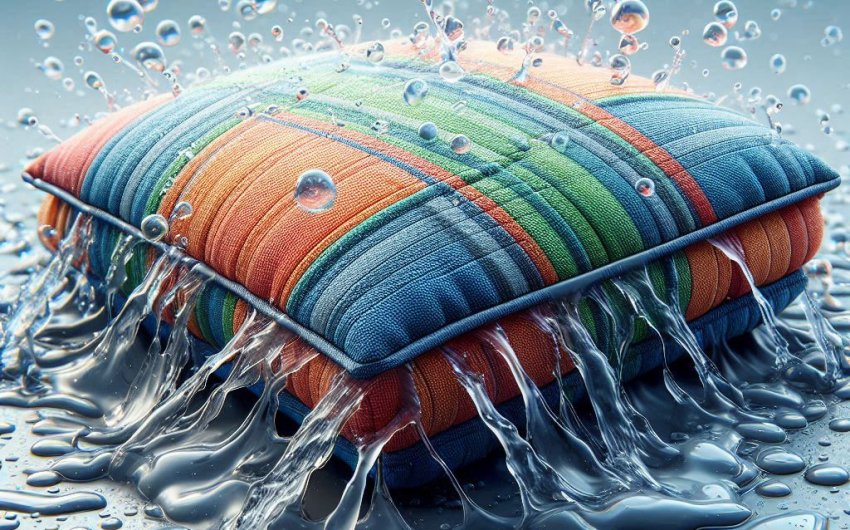
Investing in quality outdoor furniture can elevate your patio or deck into a true extension of your living space, and the comfort factor largely hinges on its cushions. When considering how to ensure these vital components withstand the elements while providing lasting comfort, the answer lies in understanding waterproof outdoor cushions: the ultimate guide to comfort and durability. These specialized cushions are designed to resist moisture, fading, and mildew, allowing you to enjoy your outdoor oasis without constant worry about weather damage.
What's the Difference Between Water-Resistant and Waterproof Outdoor Cushions?
Understanding the distinction between "water-resistant" and "waterproof" is crucial when shopping for outdoor cushions, as it directly impacts their performance and longevity in various weather conditions. This differentiation is the first step in deciphering waterproof outdoor cushions: the ultimate guide to comfort and durability.
Water-Resistant
Water-resistant materials are treated to repel water to some extent. They can handle light rain, spills, and splashes, causing water to bead up and roll off the surface. However, if exposed to heavy, prolonged rain or standing water, water will eventually saturate the fabric and penetrate the cushion's core. This means the cushion will get wet and need time to dry out, and the internal foam could still be susceptible to mildew if not properly aired out. Most common outdoor fabrics fall into this category, such as many polyester outdoor cushion fabrics.
Waterproof
Waterproof materials, on the other hand, are designed to completely prevent water from passing through. This usually involves a membrane or coating that forms an impenetrable barrier. True waterproof cushions would keep the inner foam completely dry, even during heavy downpours. However, finding truly 100% waterproof and comfortable outdoor cushion fabrics is rare, as comfort often requires some breathability. More often, what's marketed as "waterproof" for cushions refers to highly water-resistant fabrics combined with excellent drainage systems within the cushion design, or even a waterproof liner around the foam core.
Why the Distinction Matters
The practical difference for you is how much protection your cushions offer and how much maintenance they require after a rain shower.
- Water-resistant cushions are good for covered patios or areas with light, infrequent rain, but may still require bringing them indoors or flipping them during prolonged wet periods.
- Truly waterproof cushions (or those with internal waterproof liners) offer superior protection, making them ideal for areas fully exposed to the elements or in very rainy climates, requiring less immediate action after a downpour.
What Materials Make the Best Outdoor Cushion Fabrics?
The fabric is the first line of defense for your outdoor cushions, directly influencing their ability to repel water, resist fading, and endure the elements. Choosing the right material is paramount for waterproof outdoor cushions: the ultimate guide to comfort and durability.
Solution-Dyed Acrylic (e.g., Sunbrella)
Solution-dyed acrylic is widely considered the gold standard for outdoor cushion fabric. In this process, the color pigment is added to the acrylic fibers before they are spun into yarn, meaning the color goes all the way through the fiber, like a carrot.
- Pros: Exceptionally fade-resistant (won't bleach from sun exposure), highly water-resistant (water beads and rolls off), breathable (resists mildew), soft feel, and very durable. Brands like Sunbrella outdoor fabric are renowned for this.
- Cons: Can be more expensive than other options.
Spun Polyester
Spun polyester is a common and more affordable outdoor fabric. It's often treated with a water-repellent coating.
- Pros: Good value, soft feel, and available in a vast array of colors and patterns. Can be reasonably water-resistant when new.
- Cons: Less fade-resistant than solution-dyed acrylic (color is typically printed on the surface), and the water-repellent coating can wear off over time, reducing its water resistance. It can also be prone to mildew if not dried quickly.
Olefin (Polypropylene)
Olefin, also known as polypropylene, is another popular and cost-effective outdoor fabric. It's solution-dyed, similar to acrylic, but typically less expensive.
- Pros: Good colorfastness (resists fading), excellent moisture wicking properties (dries quickly), stain-resistant, and relatively durable. Good for environments that experience frequent moisture. You'll find many olefin outdoor cushions.
- Cons: Can be less resistant to UV damage than acrylic over very long periods, and might feel slightly less soft.
PVC-Coated Polyester (Textilene)
While often used for sling chairs, PVC-coated polyester (like Textilene) is extremely durable, tear-resistant, and completely waterproof.
- Pros: Very strong, excellent water resistance, and highly resistant to mildew.
- Cons: Less soft and cushion-like than other fabrics, often used for more rigid applications rather than plush cushions.
What Types of Foam and Fillings Work Best for Outdoor Cushions?
The interior filling of your outdoor cushions dictates their comfort, how quickly they dry, and their resistance to mildew. The right internal materials are just as important as the fabric for waterproof outdoor cushions: the ultimate guide to comfort and durability.
Open-Cell Foam
Open-cell foam is designed with interconnected pores that allow water to drain through freely and air to circulate.
- Pros: Dries very quickly, which helps prevent mildew and odors. Provides good comfort and support. Often specified as quick-dry outdoor foam.
- Cons: Can be more expensive than standard foam. Still needs to be aired out if soaked to prevent any lingering moisture.
Closed-Cell Foam
Closed-cell foam has individual, sealed cells that do not absorb water, similar to a swimming noodle.
- Pros: Truly waterproof, highly resistant to mildew, and very durable.
- Cons: Can be very firm and less comfortable for seating, often used for floatation devices or seat backs rather than primary seating cushions.
Dacron Wrap
Many quality outdoor foams are wrapped in a layer of Dacron polyester fiberfill.
- Pros: Adds a softer, fuller feel to the cushion, improves loft, and can help prevent the foam from breaking down as quickly. It also provides a smooth surface for the fabric cover.
- Cons: Can absorb some moisture itself, though it dries faster than standard batting.
Polyester Fiberfill
This is a synthetic fiber similar to pillow stuffing.
- Pros: Inexpensive, soft, and easy to mold.
- Cons: Tends to flatten and compress over time, can retain water (leading to long drying times and mildew), and offers less support. Best used for throw pillows or very casual cushions rather than primary seating.
How Do Cushion Construction and Design Affect Water Resistance?
Beyond just the materials, the way an outdoor cushion is constructed plays a significant role in its ability to manage moisture and maintain its form. Smart design contributes to waterproof outdoor cushions: the ultimate guide to comfort and durability.
Zippers for Removable Covers
Cushions with zippers that allow the covers to be removed are highly practical.
- Pros: Enables easy cleaning of the fabric cover. More importantly, it allows you to remove and air out the internal foam if it gets wet, preventing mildew and extending cushion life.
- Cons: Zippers can sometimes break or corrode if not rust-resistant.
Proper Drainage Systems (Vents/Mesh Bottoms)
High-quality outdoor cushions often incorporate design elements to facilitate water drainage.
- Mesh Bottoms: Some cushions have a mesh panel on the underside, which allows water to drain out quickly and air to circulate, significantly speeding up drying time and preventing water from pooling inside.
- Drainage Vents: Small vents or grommets can be strategically placed to allow water to escape and air to enter.
Double-Welting or Piping
Welting (also called piping) is the corded edge often seen on cushions.
- Pros: While primarily decorative, double-welting can provide a slightly stronger seam, potentially reducing the likelihood of water penetrating through the stitching, though it's not a primary waterproofing feature. It also helps the cushion hold its shape.
Internal Waterproof Liners (Less Common)
Some higher-end outdoor cushions might feature an internal waterproof liner that completely encases the foam core.
- Pros: This provides a true waterproof barrier, keeping the foam dry even if the outer fabric gets saturated.
- Cons: Can make the cushion less breathable and potentially less comfortable. It's also an added cost.
What About UV Resistance and Colorfastness?
While water protection is key, an outdoor cushion that holds up to moisture but fades in a single season isn't durable. UV resistance and colorfastness are equally important for waterproof outdoor cushions: the ultimate guide to comfort and durability.
UV Resistance Explained
UV resistance refers to a material's ability to withstand damage from ultraviolet (UV) radiation from the sun. UV rays can break down the chemical bonds in fabrics, leading to fading, brittleness, and a loss of strength.
Solution-Dyed vs. Pigment-Printed
- Solution-Dyed Fabrics (e.g., Sunbrella, Olefin): These are dyed before the fibers are formed, so the color is an integral part of the fiber. This makes them exceptionally resistant to fading, maintaining their vibrancy for years even with constant sun exposure. They are the best choice for areas with intense sunlight. You can find vibrant solution-dyed outdoor fabrics.
- Pigment-Printed Fabrics (e.g., many polyesters): Here, the dye is applied to the surface of the woven fabric. These colors are more prone to fading over time, especially in direct sunlight, leading to a washed-out appearance.
Importance of Colorfastness
Colorfastness is the resistance of a material's color to fading or running when exposed to light, water, or other agents. High colorfastness is essential for outdoor cushions to retain their aesthetic appeal. Good outdoor fabrics will specify their UV resistance rating (e.g., "resists fading for 5 years").
Preventing Fading
Even with the most fade-resistant fabrics, some practices can further extend their vibrancy:
- Use Outdoor Furniture Covers: When not in use for extended periods or during harsh weather, cover your furniture with outdoor furniture covers.
- Rotate Cushions: If possible, periodically flip and rotate cushions to ensure even exposure to the sun.
- Store Indoors: During off-seasons or prolonged periods of non-use, store cushions in a cool, dry place indoors.
How Do You Clean and Maintain Waterproof Outdoor Cushions?
Even the most durable outdoor cushions require regular cleaning and maintenance to keep them looking their best and extend their lifespan. Proper care helps preserve the properties of waterproof outdoor cushions: the ultimate guide to comfort and durability.
Regular Cleaning
- Brush Off Loose Debris: Regularly brush off loose dirt, leaves, and other debris.
- Spot Clean Spills Immediately: Blot (do not rub) spills with a clean cloth. For most outdoor fabrics, a mild soap (like dish soap) and water solution can be used for spot cleaning. Rinse thoroughly.
- General Cleaning (Monthly/Seasonally):
- Mix a solution of mild soap and lukewarm water.
- Use a soft brush or sponge to gently scrub the fabric.
- Rinse thoroughly with a hose to remove all soap residue.
- Allow cushions to air dry completely, preferably on their side or angled to promote drainage, before returning them to furniture or storing them.
- For tougher stains, consult the fabric manufacturer's cleaning guide, as some may recommend specific outdoor fabric cleaners like Sunbrella fabric cleaner.
Preventing Mildew
Mildew thrives in damp, dark environments. Even "mildew-resistant" fabrics can develop mildew if left perpetually wet.
- Ensure Complete Drying: Always ensure cushions are completely dry before stacking, storing, or covering them.
- Good Air Circulation: Place cushions in an area with good airflow to help them dry quickly after rain or cleaning.
- Mildew Removal: For mildew spots, mix a solution of 1 part bleach to 4 parts water (test on an inconspicuous area first). Apply, let sit for a few minutes, scrub gently, and rinse thoroughly. For bleach-sensitive fabrics, use a commercial outdoor mildew remover.
Protection and Storage
- Outdoor Furniture Covers: Use waterproof outdoor furniture covers when furniture is not in use for extended periods or during severe weather.
- Storage Boxes: An outdoor cushion storage box can protect cushions from the elements and pests. Ensure cushions are completely dry before storing them in a sealed box.
- Winter Storage: In climates with harsh winters, it's best to store cushions indoors in a dry, well-ventilated area to prolong their life significantly.
Re-applying Water Repellent (for some fabrics)
For some spun polyester or similar fabrics, the factory-applied water-repellent coating can wear off over time. You can re-apply a fabric water repellent spray to restore their performance. Always test on an inconspicuous area first.
What Factors Affect the Comfort of Outdoor Cushions?
While durability and water resistance are key for outdoor longevity, comfort is what makes you want to spend time on your patio. Several elements contribute to the plushness and support of outdoor cushions, making them truly desirable waterproof outdoor cushions: the ultimate guide to comfort and durability.
Foam Density and Firmness
- Density: Refers to the weight of the foam per cubic foot. Higher density foam generally holds its shape better and lasts longer without sagging.
- Firmness (ILD): Measured by Indentation Load Deflection (ILD), this indicates how hard or soft the foam feels. Higher ILD means a firmer cushion.
- Recommendation: For seating, a medium to high-density, medium-firm open-cell foam typically offers the best balance of support and comfort. Too soft, and it will flatten quickly; too firm, and it won't be inviting.
Thickness of the Cushion
A thicker cushion generally equates to more comfort, as it provides more material to conform to your body and absorb pressure.
- Seating Cushions: Aim for at least 4-6 inches thick for comfortable seating.
- Back Cushions: Can be slightly thinner, around 3-5 inches, depending on design.
Dacron Wrap and Batting Layers
The addition of a Dacron polyester fiberfill wrap around the foam core significantly enhances comfort. It provides a softer, plush top layer and fills out the cushion cover beautifully, giving it a well-padded look and feel. Without it, foam cushions can feel a bit too rigid or blocky.
Fabric Softness and Texture
The feel of the fabric against your skin is also part of comfort. Solution-dyed acrylics and spun polyesters are generally soft and pleasant to the touch. Avoid very rough or stiff fabrics if comfort is a high priority.
Cushion Shape and Ergonomics
- Contouring: Cushions designed with slight contouring or support for the lower back can enhance comfort, especially for lounge chairs or deeper seating.
- Fit: Ensure the cushion fits your furniture properly. A cushion that is too small will shift around, and one that is too large will bulge and feel awkward.
How Long Can I Expect Waterproof Outdoor Cushions to Last?
The lifespan of your outdoor cushions varies greatly depending on the quality of materials, the local climate, and how well they are maintained. Understanding these factors helps set realistic expectations for waterproof outdoor cushions: the ultimate guide to comfort and durability.
Material Quality (Fabric and Foam)
- High-Quality (e.g., Sunbrella fabric with open-cell foam): These cushions can last 5 to 10 years or even longer with proper care. Their fade resistance and quick-dry properties significantly extend their useful life.
- Mid-Range (e.g., good quality spun polyester with standard foam): You can expect these to last 2 to 5 years. Their color may fade over time, and the foam might show some compression.
- Budget (basic polyester with fiberfill): These might only last 1 to 2 seasons before significant fading, flattening, and potential mildew issues.
Climate and Exposure
- Intense Sun: Regions with strong, year-round sun will cause even the best fabrics to fade eventually, though solution-dyed options hold up far better.
- High Humidity/Frequent Rain: These conditions put a higher demand on water resistance and quick-drying properties, increasing the risk of mildew if not properly maintained.
- Extreme Temperatures: Both very hot and very cold temperatures can accelerate the breakdown of foam and fabric over time.
Maintenance and Storage
- Regular Cleaning: Keeping cushions clean prevents dirt and mildew from degrading the fabric.
- Prompt Drying: Ensuring cushions dry completely after getting wet is critical for preventing mildew and foam breakdown.
- Winter Storage: Storing cushions indoors during off-season or harsh weather significantly prolongs their lifespan. This protects them from prolonged exposure to elements, frost, and pests. An outdoor cushion bag can protect them in storage.
- Using Covers: Protecting furniture and cushions with protective outdoor covers during non-use periods greatly extends their life.
By focusing on quality materials like solution-dyed fabrics and quick-dry foams, coupled with diligent maintenance, you can maximize the comfort and durability of your waterproof outdoor cushions, ensuring they remain a welcoming and resilient part of your outdoor living space for many years to come.