
Wicker vs. Rattan: Which is Better for Your Patio Furniture?
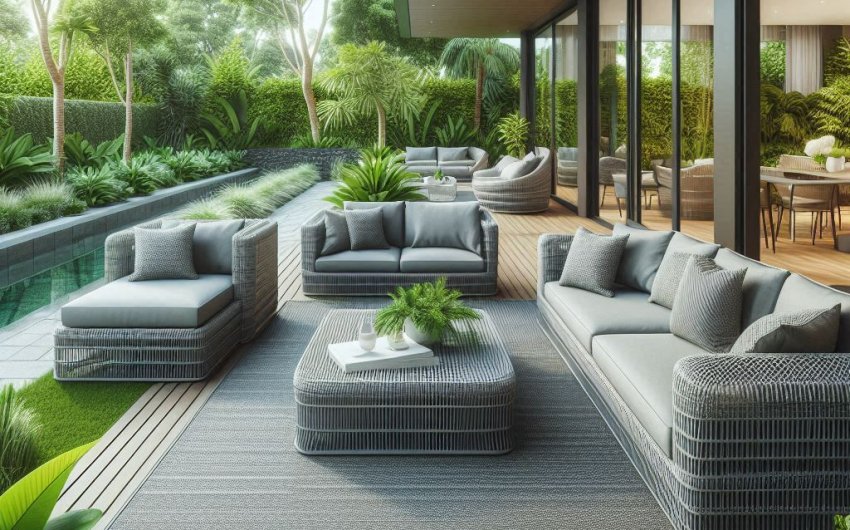
When furnishing your outdoor space, the choice between wicker and rattan often comes up. These terms are sometimes used interchangeably, but they refer to different aspects of furniture making, leading to distinct qualities in your patio pieces. Understanding the differences is key to picking the best fit for your home, whether you're looking for a cozy patio dining set or a sprawling outdoor sectional sofa.
What Exactly Are Wicker and Rattan?
Many people get confused about wicker and rattan, thinking they are the same thing. They are not. One is a material, and the other is a method of crafting.
What is Rattan?
Rattan is a natural material, a type of vine that grows in tropical regions, mainly in Southeast Asia. It's known for being incredibly strong and durable, yet also flexible. Think of it like a woody vine that grows incredibly long. When harvested, the outer skin is peeled off, and the core is used for furniture frames and other items. The solid core of the rattan vine can be steamed and bent into various shapes without breaking, making it ideal for creating intricate designs and sturdy structures. It's often compared to bamboo, but rattan is solid all the way through, while bamboo is hollow. This makes rattan much more resilient for furniture construction. You'll find natural rattan furniture often has a beautiful, earthy look, varying in color from light yellows to darker browns, depending on the type of rattan and how it's processed.
What is Wicker?
Wicker, on the other hand, is not a material but a weaving technique. It's an ancient craft that involves weaving pliable materials like rattan, willow, bamboo, or even synthetic fibers into furniture and other objects. So, when you hear "wicker furniture," it means furniture made using this specific weaving method. The term wicker describes how the strands are intertwined to create a textured, often open-weave pattern. This weaving can be tight or loose, creating different looks and feels. Because wicker is a technique, you can have furniture that is "rattan wicker," meaning it's made from rattan using the wicker weaving method. You can also have "resin wicker" or "synthetic wicker," which means it's made from man-made materials woven in the wicker style.
Which is More Durable for Outdoor Use: Wicker or Rattan?
When it comes to withstanding the elements, durability is a major concern for patio furniture. The type of material used makes a huge difference in how long your furniture will last outdoors.
Is Natural Rattan Durable Outdoors?
Natural rattan, while very strong indoors, doesn't hold up well to outdoor conditions, especially direct sunlight and rain. The natural fibers can become brittle and crack when exposed to UV rays for extended periods. Moisture can also cause rattan to mildew, rot, or swell, weakening its structure. If you have a fully covered patio or a sunroom, natural rattan patio furniture like a natural rattan lounge chair might be an option, but for open-air patios or areas exposed to weather, it's generally not recommended. It simply isn't designed to handle the fluctuations in temperature and humidity that outdoor environments present. Think of it like a beautiful piece of indoor wooden furniture; you wouldn't leave it out in the rain, and the same goes for natural rattan.
Is Wicker Durable Outdoors?
The durability of wicker furniture for outdoor use depends entirely on the material it's made from. If it's wicker woven from natural materials like willow or un-treated rattan, it will suffer the same fate as natural rattan when exposed to the elements. However, most wicker patio furniture sold today is made from synthetic materials, often called resin wicker or all-weather wicker. These materials are specifically designed for outdoor use.
What is Resin Wicker?
Resin wicker is made from synthetic fibers, usually polyethylene (PE) or PVC, which are extruded and then woven in the wicker style. This material is incredibly durable and resistant to the harsh outdoor environment. It's designed to mimic the look and feel of natural wicker but without its weaknesses. Resin wicker furniture is:
- UV Resistant: It won't fade, crack, or become brittle from sun exposure. This means your outdoor resin wicker sofa will maintain its color for years.
- Waterproof: It won't absorb moisture, so it's resistant to mold, mildew, and rot, making it perfect for areas prone to rain or humidity.
- Easy to Clean: A simple wipe-down with soap and water is usually all it takes to keep it looking new.
- Lightweight but Strong: The synthetic fibers are durable, and the weaving technique adds to its structural integrity, yet it's often lighter than traditional wooden furniture.
So, when comparing wicker and rattan for outdoor durability, resin wicker is the clear winner. If a piece of furniture is advertised as "outdoor wicker," it almost certainly means it's made from resin wicker or a similar synthetic material.
Appearance and Style: Wicker vs. Rattan
Both wicker and rattan furniture offer distinct aesthetic appeals, making them suitable for different design preferences.
What Does Natural Rattan Look Like?
Natural rattan furniture has a unique, organic, and often bohemian or tropical look. The individual strands of the rattan vine are visible, and the furniture often showcases the natural variations in the material's color and texture. It typically comes in earthy tones, from light blonde to medium brown. The solid nature of the rattan poles allows for sturdy, often curved frames, which can be quite elegant. Natural rattan lends itself well to indoor spaces or covered patios where you want to create a warm, natural, and inviting atmosphere. It often features intricate details in the frame itself, showcasing the craftsmanship involved in bending and shaping the material. A natural rattan coffee table can be a stunning focal point in an indoor living room.
What Does Wicker Look Like?
The appearance of wicker furniture is defined by its weave. Because wicker is a technique, its look can vary greatly depending on the material used and the tightness of the weave.
- Natural Wicker (e.g., willow or un-treated rattan): This type of wicker will have the rustic, textural appearance of the natural fibers it's made from. It often appears lighter in color and has a more rustic, cottage-like charm.
- Resin Wicker: This is the most common type for outdoor use. Resin wicker is manufactured to imitate the look of natural wicker, but it comes in a much wider range of colors and finishes. You can find resin wicker patio furniture that looks like dark espresso, classic brown, gray, or even white. The strands are often uniformly sized, creating a consistent and clean look. The weaves can range from tight, traditional basket-like patterns to more open, contemporary designs. Many manufacturers also texturize the synthetic strands to give them a more natural, slightly uneven feel, mimicking the subtle variations found in real rattan. This versatility makes resin wicker suitable for a broad array of outdoor design styles, from modern and minimalist to traditional and coastal. An outdoor resin wicker dining set can be sleek and contemporary or warm and inviting depending on the color and style chosen.
In summary, if you're seeking a genuinely organic, earthy look for an indoor or covered space, natural rattan is ideal. For outdoor spaces where you want the aesthetic of woven furniture with maximum durability and color options, resin wicker is the way to go.
Maintenance and Care: Wicker vs. Rattan
Looking after your patio furniture helps it last longer and look better. The care required for wicker and rattan depends on the materials.
How to Care for Natural Rattan Furniture?
Natural rattan furniture requires careful maintenance, especially if it's placed in a sunroom or a very protected outdoor area that doesn't get wet.
- Dusting: Regularly dust your rattan furniture with a soft cloth or a vacuum cleaner with a brush attachment to prevent dirt buildup in the crevices.
- Cleaning: For deeper cleaning, wipe it down with a damp cloth using a mild soap and water solution. Be sure to dry it thoroughly immediately afterward to prevent moisture absorption, which can lead to mold or mildew.
- Protection from Moisture: Never let natural rattan furniture get wet. If it does get caught in the rain, dry it immediately and thoroughly.
- Protection from Sun: Direct sunlight can dry out rattan and make it brittle, leading to cracking. Consider placing it in a shaded area or using furniture covers when not in use. You might also want to apply a good quality furniture oil or wax occasionally to help keep the fibers supple.
- Repairs: Minor damage like unraveling strands can sometimes be repaired with wood glue or by carefully re-weaving the strand.
How to Care for Resin Wicker Furniture?
Caring for resin wicker patio furniture is much simpler, which is one of its biggest advantages for outdoor use.
- Cleaning: Most resin wicker can be cleaned with a simple hose-down and a soft brush or cloth. For stubborn dirt or grime, a mild soap and water solution works well. Rinse thoroughly to remove all soap residue.
- No Special Treatments: Unlike natural materials, resin wicker does not need oiling, waxing, or sealing. Its synthetic nature makes it inherently resistant to the elements.
- UV Resistance: While resin wicker is UV resistant, consistent exposure to extreme, intense sunlight for many years can still cause very minor fading over a very long period, especially with darker colors. However, this is usually negligible compared to natural materials. Good quality resin wicker will have UV inhibitors built into the material during manufacturing.
- Storage: While it can remain outdoors year-round in most climates, covering your resin wicker furniture during off-seasons or extreme weather will extend its life even further and keep it cleaner. Using outdoor furniture covers is a good practice.
- Cushions: Remember that while the resin wicker frame is low maintenance, the accompanying outdoor cushions will require separate care, usually involving spot cleaning or machine washing removable covers.
For ease of maintenance, resin wicker clearly outperforms natural rattan, making it a more practical choice for busy households or those who prefer minimal upkeep for their outdoor furniture.
Cost Comparison: Wicker vs. Rattan
The price of patio furniture can be a significant factor in your decision-making process. While there's a range within both categories, general trends can be observed.
How Much Does Natural Rattan Furniture Cost?
The cost of natural rattan furniture can vary widely depending on the quality of the rattan, the complexity of the design, and the brand. Because rattan is a natural resource and its processing often involves skilled handcraft, it can sometimes be more expensive than lower-end synthetic options. High-quality natural rattan outdoor furniture intended for protected areas or sunrooms, especially pieces with intricate designs or from renowned manufacturers, can be quite pricey, reflecting the material's beauty and the craftsmanship. However, there are also more affordable natural rattan pieces, often smaller items or those with simpler designs. Generally, you're paying for the authentic material and the unique aesthetic it provides.
How Much Does Wicker (Resin Wicker) Furniture Cost?
The price of resin wicker furniture also has a broad spectrum. There are very affordable, entry-level resin wicker patio sets, and then there are high-end, luxury resin wicker furniture collections. The cost is influenced by several factors:
- Quality of Resin: Higher quality resin wicker uses virgin polyethylene (PE) which is more durable, UV resistant, and flexible than cheaper PVC or recycled materials. This higher quality resin will naturally increase the price.
- Frame Material: The frame underneath the resin wicker weaving also impacts cost. Aluminum frames are common for outdoor patio furniture because they are lightweight and rust-resistant, but they can be more expensive than steel frames, which are heavier and can rust if not properly treated.
- Weave Quality: The tightness and consistency of the weave, as well as the complexity of the design, can influence the price. Hand-woven resin wicker will generally be more expensive than machine-woven or less intricately designed pieces.
- Brand and Design: Well-known brands and pieces with unique designs or extensive modular options (like a large modular outdoor sectional) will command higher prices.
- Cushions: The quality and type of outdoor fabric and foam used for cushions are major cost drivers. Sunbrella fabric, for example, is highly durable and fade-resistant but adds significantly to the price.
In general, while you can find natural rattan at various price points, resin wicker tends to offer more accessible options for outdoor use, especially when considering its superior durability and lower maintenance needs. For long-term value in an outdoor setting, resin wicker often proves to be a more cost-effective investment due to its longevity and resistance to wear and tear.
Environmental Impact: Wicker vs. Rattan
Understanding the environmental footprint of your patio furniture can be an important consideration for many buyers. Both rattan and wicker materials have different impacts.
Is Natural Rattan Environmentally Friendly?
Natural rattan is generally considered a sustainable material. Here's why:
- Renewable Resource: Rattan palms grow quickly and abundantly in tropical forests. Unlike hardwood trees, harvesting rattan doesn't require cutting down entire trees; the vines can be sustainably harvested without harming the forest ecosystem.
- Biodegradable: As a natural fiber, rattan is biodegradable, meaning it breaks down naturally at the end of its life cycle, returning to the earth without leaving lasting pollution.
- Forest Protection: The cultivation and harvesting of rattan can provide an economic incentive for local communities to preserve their forests rather than clearing them for other uses. This makes rattan an important non-timber forest product.
- Low Energy Production: The processing of natural rattan into furniture is typically low-energy and involves traditional crafting methods, reducing its carbon footprint compared to industrial manufacturing.
However, there are also potential downsides. Unsustainable harvesting practices (though less common than with timber) can occur, and long-distance shipping from tropical regions adds to its transportation footprint.
Is Resin Wicker Environmentally Friendly?
The environmental impact of resin wicker is more complex because it's a synthetic material derived from fossil fuels.
- Non-Renewable Resource: The primary raw materials for resin wicker (polyethylene or PVC) are petroleum-based, which are non-renewable resources.
- Manufacturing Process: The production of synthetic polymers involves industrial processes that consume energy and can generate emissions.
- Durability and Lifespan: A significant environmental advantage of resin wicker is its extreme durability. Because it lasts for many years outdoors, it reduces the need for frequent replacement, which can offset some of the initial environmental impact of its production. A long-lasting outdoor sofa set made from quality resin wicker means less waste in landfills over time compared to natural materials that degrade quickly outdoors.
- Recyclability: Some types of resin wicker (especially PE-based) are recyclable, but the availability and widespread practice of recycling depend on local facilities and the specific type of plastic used. Many furniture pieces are also difficult to recycle due to mixed materials (e.g., metal frames and plastic weaving).
- Microplastics: Like other plastics, resin wicker can potentially shed microplastics over time as it degrades, though high-quality materials are designed to resist this.
In terms of environmental impact, natural rattan generally has a lower footprint due to its renewable and biodegradable nature. However, for outdoor use where longevity is critical, the extended lifespan of resin wicker can be argued to be more sustainable than constantly replacing natural materials that quickly deteriorate in the elements. The "better" choice depends on your priorities: supporting natural, renewable resources versus choosing a durable product that avoids frequent replacement and associated waste.
Weather Resistance: Wicker vs. Rattan
The primary function of patio furniture is to withstand outdoor conditions. Understanding how wicker and rattan handle different types of weather is crucial.
How Does Natural Rattan React to Weather?
Natural rattan is quite vulnerable to all forms of harsh weather.
- Sunlight (UV Rays): Direct, prolonged sun exposure is one of the biggest enemies of natural rattan. UV rays break down the natural fibers, causing them to dry out, become brittle, crack, and lose their natural color (fade). Over time, this weakens the furniture's structural integrity, making it unsafe to use.
- Rain and Humidity: Rattan is highly absorbent. When it gets wet, it swells. Repeated wetting and drying cycles can lead to warping, cracking, and loss of shape. Constant moisture also creates an ideal environment for mold and mildew to grow, which not only looks unsightly but also degrades the material, leading to rot. In very humid climates, even without direct rain, rattan can absorb enough moisture to suffer damage.
- Temperature Fluctuations: Rapid changes in temperature can also stress the natural fibers of rattan, contributing to cracking and weakening.
- Wind: While strong winds themselves won't directly damage rattan, a weakened piece due to sun or water damage will be more susceptible to breaking in windy conditions.
For these reasons, natural rattan is unsuitable for uncovered outdoor spaces. It's best reserved for indoors, sunrooms, or fully enclosed patios where it is protected from direct rain and intense sun.
How Does Resin Wicker React to Weather?
Resin wicker, also known as all-weather wicker, is specifically engineered to be highly resistant to various weather conditions.
- Sunlight (UV Rays): High-quality resin wicker contains UV inhibitors during its manufacturing process. This makes it highly resistant to fading, cracking, and becoming brittle from prolonged sun exposure. It retains its color and structural integrity for many years, even in bright sunshine.
- Rain and Humidity: Resin wicker is non-porous, meaning it does not absorb water. This makes it completely resistant to mold, mildew, and rot caused by moisture. Rain simply beads off the surface, and the furniture dries quickly. It will not swell or warp from humidity. This makes it perfect for pool decks and open patios.
- Temperature Fluctuations: Good quality resin wicker can withstand a wide range of temperatures, from hot summers to freezing winters, without becoming brittle or degrading. However, extreme prolonged cold might make some lower-quality resins slightly more rigid, but they will not crack.
- Wind: Resin wicker furniture is generally lightweight, so it can be moved easily. For very windy areas, you might consider heavier pieces or anchoring your furniture. However, the material itself is strong enough to resist damage from wind unless struck by flying debris.
When prioritizing weather resistance for your patio furniture, resin wicker is the superior choice, designed to endure the full range of outdoor elements without significant wear or damage. This makes a weather-resistant patio set made of resin wicker a smart investment for most outdoor living areas.
Comfort and Feel: Wicker vs. Rattan
Beyond durability and looks, how furniture feels is important for your relaxation. Both wicker and rattan offer distinct experiences.
What is the Comfort of Natural Rattan?
Natural rattan furniture, particularly pieces where the rattan poles form the primary seating surface, can be firm. The solid nature of the rattan provides a sturdy but often unyielding base. For this reason, natural rattan furniture, especially chairs and sofas, almost always comes with cushions. These cushions are essential for comfort, providing the necessary padding for a pleasant seating experience. The smooth, natural finish of rattan is pleasant to the touch, and it doesn't tend to splinter if well-maintained. The natural materials also give off a slightly organic, earthy scent that some find appealing. A rattan papasan chair exemplifies how crucial the accompanying cushion is for comfort.
What is the Comfort of Wicker (Resin Wicker)?
Resin wicker furniture is designed with comfort in mind, much like its natural counterparts, relying heavily on cushions for softness.
- Frame and Weave: The underlying frame (often aluminum or steel) provides stability, and the woven resin wicker creates a slightly springier and more forgiving surface than solid rattan poles. The texture of the resin wicker strands is smooth and uniform, designed to be comfortable to the touch and not snag clothing.
- Cushions: Like natural rattan, resin wicker patio furniture is almost always accompanied by thick, comfortable outdoor cushions. These cushions are specifically designed to be weather-resistant and quick-drying, making them ideal for outdoor use. The quality of the cushions (foam density, fabric type, thickness) significantly impacts the overall comfort of the resin wicker piece. High-quality cushions will hold their shape and provide excellent support for years.
- Ergonomics: Many resin wicker furniture designs prioritize ergonomics, with contoured backs and armrests that contribute to a comfortable lounging experience, whether it's a deep-seating patio set or a single armchair.
- Temperature: While resin wicker itself doesn't retain heat excessively, the color of the weave can influence how hot it gets in direct sun. Lighter colors will generally stay cooler than dark ones.
In terms of fundamental comfort without cushions, neither natural rattan nor resin wicker is inherently soft. Their comfort primarily derives from the quality and design of the accompanying cushions. Both offer a stable and supportive base, making them comfortable for lounging or dining when properly cushioned.
Common Uses: Wicker vs. Rattan
Understanding where each type of furniture excels can help you make the right choice for your specific needs.
Where is Natural Rattan Best Used?
Natural rattan furniture is best suited for indoor spaces or very well-protected outdoor areas.
- Sunrooms and Conservatories: These are ideal locations as they offer plenty of light but protect the furniture from direct rain and intense sun. Natural rattan brings a beautiful, airy, and tropical feel to these spaces.
- Living Rooms and Bedrooms: Natural rattan chairs, sofas, and accent pieces can add a touch of bohemian, coastal, or exotic charm to indoor living spaces. A natural rattan bookshelf or room divider can be a stylish addition.
- Covered Patios and Porches: If your patio or porch is fully covered, preventing any direct rain or prolonged sun exposure, natural rattan can be used. However, humidity should still be considered, as prolonged high humidity can still cause issues.
- Boho or Tropical Decor: If your interior design theme leans towards bohemian, tropical, or a relaxed, natural aesthetic, natural rattan furniture blends seamlessly, adding texture and warmth.
Natural rattan furniture is chosen more for its aesthetic appeal and connection to natural materials, rather than its outdoor resilience.
Where is Wicker (Resin Wicker) Best Used?
Resin wicker patio furniture is designed for the outdoors and thrives in various exterior settings.
- Open Patios and Decks: This is where resin wicker truly shines. Its weather resistance makes it perfect for seating areas that are fully exposed to sun, rain, and changing temperatures. From outdoor sectional sofas to dining sets, it can handle anything Mother Nature throws at it.
- Poolside Areas: Being waterproof and mold-resistant, resin wicker is an excellent choice for poolside lounging, where splashing water is common.
- Gardens and Lawns: Lightweight and easy to move, resin wicker pieces can be placed directly on grass or gravel, creating inviting seating zones in your garden.
- Commercial Outdoor Spaces: Many restaurants, hotels, and resorts choose resin wicker furniture for their outdoor dining and lounging areas due to its durability, low maintenance, and ability to withstand heavy use.
- Four-Season Rooms: While durable enough for uncovered outdoor spaces, resin wicker also works well in four-season rooms, offering a cohesive look with outdoor areas while enjoying protection from extreme weather.
- Any Style Patio: Due to the wide variety of colors and weave patterns, resin wicker can complement almost any patio style, from modern and minimalist to traditional or coastal. You can find wicker dining chairs that perfectly match your home's exterior.
When you're looking for outdoor furniture that can truly stand up to the elements and provide years of enjoyment with minimal fuss, resin wicker is the undisputed champion. It's built for the outdoor life.