
How Do I Choose Foldable Garden Furniture for Tiny Homes with Limited Outdoor Space?
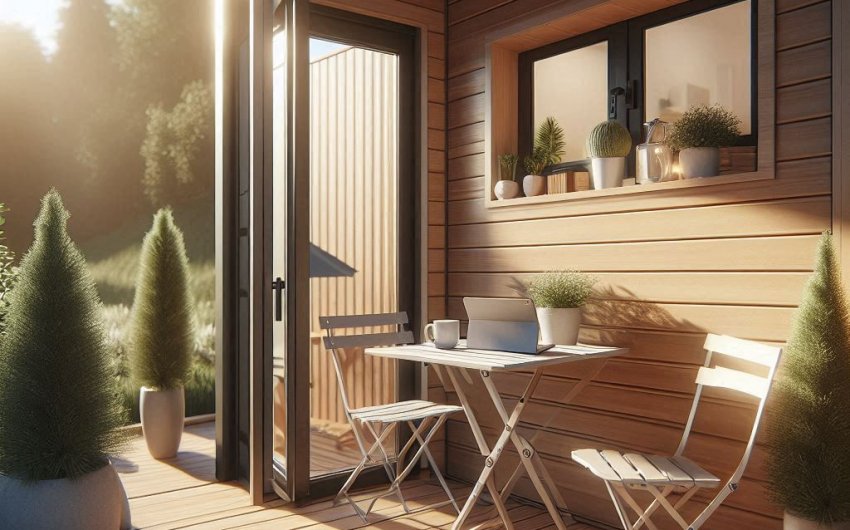
Living in a tiny home often means embracing clever solutions for maximizing every inch, and the outdoor space is no exception. If you're wondering, "How do I choose foldable garden furniture for tiny homes with limited outdoor space?" you're on the right track to creating a functional and inviting exterior without clutter. The key lies in selecting pieces that not only look good but can effortlessly transform your patio or balcony, offering flexibility and convenience for enjoying the fresh air. This comprehensive guide will walk you through the essential considerations for picking the perfect compact and versatile outdoor furniture.
Why is foldable garden furniture ideal for tiny homes?
For those with limited outdoor real estate, traditional bulky patio sets are simply not an option. Foldable furniture provides the perfect balance of utility and space-saving design, making it an indispensable choice for tiny homes, small balconies, or compact patios.
What are the main advantages of foldable furniture?
- Maximizes Space: This is the most obvious benefit. When not in use, foldable chairs, tables, or benches can be neatly tucked away, freeing up valuable floor space. This is crucial for small outdoor areas.
- Versatility: You can adapt your outdoor setup to different needs. Need a dining spot for two? Unfold a table and chairs. Want space for a yoga mat? Fold them away.
- Easy Storage: During off-seasons or bad weather, foldable furniture can be quickly stored in a shed, garage, or even indoors, protecting it from the elements and extending its lifespan. A foldable furniture cover can also help.
- Portability: Many foldable pieces are lightweight, making them easy to move around your limited space or even take with you for a picnic or day trip.
- Clutter Reduction: A neatly folded and stored set of furniture makes a small space appear larger and more organized.
- Affordability: Often, foldable sets are more budget-friendly than large, fixed patio furniture.
What types of foldable garden furniture are available?
The market offers a surprising variety of foldable outdoor furniture designed to cater to different needs and styles, even within the constraints of a tiny home's outdoor footprint.
What are common foldable furniture pieces?
- Foldable Chairs:
- Bistro Chairs: Often part of a bistro set, these are compact and charming. A foldable bistro chair is a popular choice.
- Adirondack Chairs (Foldable Versions): Offer comfort with a rustic look, and some models fold flat for storage.
- Camping Chairs/Event Chairs: While not always the most stylish, modern versions can be surprisingly comfortable and durable for temporary use.
- Deck Chairs/Loungers: Some recline and fold flat for sunbathing, perfect for a tiny deck.
- Foldable Tables:
- Bistro Tables: Small, round, or square tables perfect for drinks or a meal for two. A foldable bistro table is essential for small spaces.
- Coffee Tables: Lower tables that can fold away when not in use.
- Wall-Mounted Fold-Down Tables: These are brilliant for extremely tiny spaces. They attach to a wall and fold down when needed, then fold flat against the wall. A wall-mounted fold-down table is a top space-saving solution.
- Foldable Benches: Can offer seating for multiple people and fold relatively flat.
- Foldable Serving Carts/Bars: Less common, but some innovative designs allow for compact storage.
Consider what activities you plan to do most often in your outdoor space to guide your furniture selection.
What materials are best for foldable garden furniture?
The material of your foldable garden furniture impacts its durability, weight, maintenance, and overall aesthetic. For tiny homes, durability and weather resistance are paramount.
What are popular and practical materials?
- Metal (Steel, Aluminum, Wrought Iron):
- Steel: Durable and strong, but can be heavy and prone to rust if not properly coated. Look for powder-coated steel for better weather resistance.
- Aluminum: Lightweight, rust-resistant, and easy to move. Often a great choice for portability. A foldable aluminum chair is a solid option.
- Wrought Iron: Very heavy and durable, but can rust. Often less common for foldable pieces due to weight.
- Pros: Strong, can be sleek and modern.
- Cons: Can get hot in direct sun (especially steel), some types prone to rust without proper coating.
- Wood (Acacia, Teak, Eucalyptus):
- Acacia: A popular, moderately priced hardwood that is naturally resistant to rot and insects.
- Teak: The gold standard for outdoor wood furniture. Highly durable, weather-resistant, and develops a beautiful silvery patina over time. It is generally more expensive.
- Eucalyptus: A sustainable and more affordable alternative to teak, with good durability.
- Pros: Natural aesthetic, comfortable, can be very durable with proper care.
- Cons: Requires regular maintenance (oiling/sealing) to prevent weathering and cracking, heavier than aluminum. A good wood furniture oil is essential.
- Plastic/Resin:
- High-Density Polyethylene (HDPE): A durable, weather-resistant plastic that often mimics the look of wood. It's low-maintenance and lightweight.
- Woven Resin (Wicker-look): Often combined with an aluminum frame, this creates the look of wicker without the maintenance issues of natural wicker.
- Pros: Lightweight, very low-maintenance, weather-resistant, often affordable.
- Cons: Can look less premium, some cheaper plastics can fade or become brittle in sunlight over time.
- Textilene Fabric: Often used for chair seats and backs, this synthetic mesh fabric is durable, quick-drying, and comfortable without cushions. It's usually paired with a metal frame.
Consider your local climate – if you have harsh sun, heavy rain, or extreme temperatures, choose materials known for their resilience.
What size and design considerations are important for tiny spaces?
For limited outdoor areas, every inch counts. Smart sizing and design features of foldable garden furniture can make a huge difference in functionality and aesthetics.
How to maximize space with furniture design?
- Compact Footprint:
- Small Dimensions: Look for chairs and tables that are genuinely small when unfolded. Measure your available space precisely before purchasing.
- Stackability (in addition to folding): Some chairs not only fold but can also be stacked, offering another layer of space-saving.
- Vertical Storage: Can the furniture be stored upright against a wall? This helps free up floor space. Some designs have built-in hooks or stands for this.
- Nesting Designs: Some furniture sets are designed so pieces nest together when folded or even when partially unfolded, creating a more compact unit.
- Multi-Functional Pieces:
- A small foldable bench might double as a side table when not seating people.
- An outdoor storage bench that also has a foldable component could provide both seating and storage.
- Thin Profiles When Folded: How flat does the item fold? The thinner the profile, the easier it will be to store behind a door, against a wall, or in a narrow cupboard.
- Integrated Carrying Handles: For highly portable furniture, a built-in handle makes it easier to move.
- Aesthetics: Even in a small space, you want furniture that looks good. Choose a style and color that complements your tiny home's exterior and your personal taste. Light colors can make a small space feel larger.
What are key features to look for in foldable mechanisms?
The folding mechanism itself is critical. It should be easy to operate, secure when in use, and durable enough to withstand repeated folding and unfolding.
What makes a good folding mechanism?
- Ease of Operation: Can you fold and unfold the furniture quickly and with minimal effort? Look for simple, intuitive mechanisms. Read reviews to ensure it's not stiff or prone to sticking.
- Secure Locking: When unfolded, the furniture should lock firmly into place, providing a stable and safe seating or surface area. Avoid wobbly or flimsy designs.
- Durability of Hinges/Joints: These are the stress points. Check that hinges are robust and made of corrosion-resistant materials (e.g., stainless steel bolts and nuts).
- Pinch Points: Inspect for any areas where fingers could get pinched during operation. Good designs minimize these risks.
- Number of Folds: Fewer folding points often mean greater stability and durability. Simple designs are often better for folding patio furniture.
- Maintenance of Mechanism: Some mechanisms might benefit from occasional lubrication with a silicone spray lubricant to ensure smooth operation over time.
A well-designed folding mechanism ensures your furniture is a convenience, not a frustration.
How do you plan the layout for limited outdoor space?
Even with foldable garden furniture, thoughtful layout is essential to make your tiny outdoor area feel spacious and functional.
What are smart layout strategies?
- Define Zones: Even a small space can have "zones." A tiny dining zone, a relaxation zone, or a plant zone. This helps organize your furniture choices.
- Measure, Measure, Measure: Before buying, accurately measure your available space. Mark it out with tape on the ground. This prevents purchasing furniture that's too big when unfolded.
- Think Vertically: Use wall-mounted planters or shelves to add greenery without taking up precious floor space.
- Keep Pathways Clear: Ensure there's enough room to walk comfortably around your unfolded furniture. This makes the space feel more inviting and less cramped.
- Consider Built-Ins: If your tiny home allows for it, a small built-in bench or corner seating can provide permanent seating while still leaving room for a foldable table and chairs to be brought out as needed.
- Lighting: Add solar string lights or small lanterns to enhance the ambiance without taking up floor space.
- Minimalism: Embrace the "less is more" philosophy. Only choose furniture that you truly need and will use frequently. Avoid cluttering the space with too many decorative items.
By carefully considering these factors, you can effectively choose foldable garden furniture for tiny homes with limited outdoor space, transforming a small area into a highly functional and enjoyable extension of your living environment.