
What Garden Furniture Is Best for Minimalist Scandinavian-Style Outdoor Spaces?
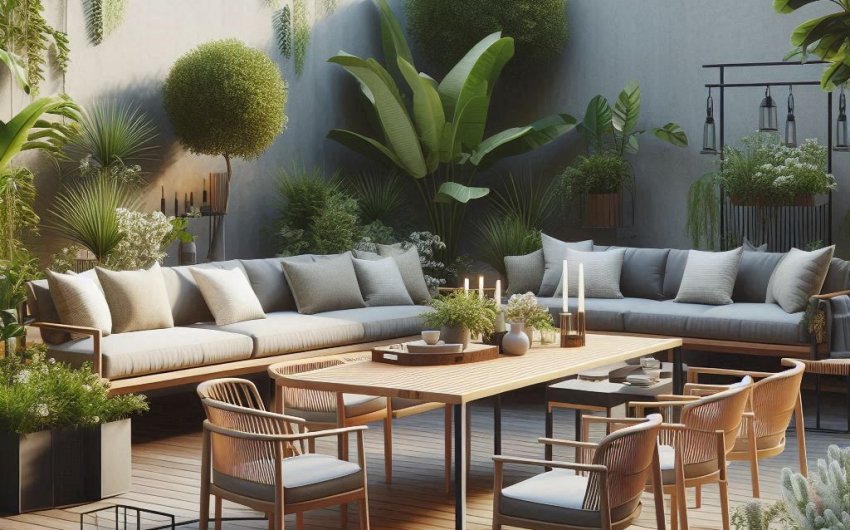
Choosing what garden furniture is best for minimalist Scandinavian-style outdoor spaces means focusing on clean lines, natural materials, functionality, and an understated elegance that prioritizes simplicity and comfort. The Scandinavian design aesthetic translates seamlessly to the outdoors, emphasizing light, open spaces, and a deep connection to nature. Achieving this look requires a thoughtful selection of pieces that blend seamlessly with the environment, rather than competing with it, creating a serene and inviting extension of your home.
What defines minimalist Scandinavian outdoor design?
Before diving into specific furniture pieces, understanding the core principles of minimalist Scandinavian outdoor design is crucial. This aesthetic is a natural extension of its interior counterpart, valuing simplicity, functionality, and a deep connection to nature.
What are the core principles of Scandinavian design?
Scandinavian design emerged in the Nordic countries (Denmark, Sweden, Norway, Finland, Iceland) in the early 20th century and gained global popularity in the 1950s. Its key characteristics are:
- Simplicity & Clean Lines: uncluttered spaces, absence of excessive ornamentation. Furniture often features sleek, straightforward forms.
- Functionality: Every item serves a purpose. Design is practical and user-friendly, enhancing daily life.
- Natural Materials: A strong emphasis on wood (especially light-colored woods like birch, ash, oak, pine), wool, cotton, linen, leather, and natural fibers. These materials bring warmth and texture.
- Neutral Color Palette: Predominantly white, grey, beige, and natural wood tones, often with muted accent colors (soft blues, greens, blush pinks). This creates a calm and airy atmosphere.
- Focus on Light: Maximizing natural light is paramount due to long, dark winters in Nordic countries. This translates to open layouts and light-colored surfaces.
- "Hygge" & Comfort: Though minimalist, Scandinavian design is far from stark. It prioritizes creating a cozy, comfortable, and inviting atmosphere ("hygge" in Danish/Norwegian, pronounced "hoo-gah").
- Craftsmanship & Durability: Well-made pieces that are built to last, valuing quality over quantity.
- Connection to Nature: Bringing elements of the outdoors in, and seamlessly blending indoor and outdoor spaces.
How do these principles apply to outdoor spaces?
Translating the minimalist Scandinavian aesthetic to your outdoor space means creating an area that feels like a natural extension of your home, embracing the surrounding environment.
- Uncluttered Layout: Keep the number of furniture pieces to a minimum. Each piece should have a clear purpose. Resist the urge to over-decorate.
- Natural Harmony: Allow nature to be the star. The furniture should complement, not overpower, the plants, trees, and views. Focus on natural textures and subtle colors.
- Emphasis on Light & Air: Design for open, airy spaces. Furniture shouldn't block light or create a cramped feeling.
- Durability & Weather Resistance: Outdoor furniture needs to withstand the elements. Scandinavian design achieves this using robust, well-chosen materials.
- Comfort & Coziness: Even with minimalist forms, outdoor seating should be comfortable. Think about adding simple, plush cushions or throws.
- Practicality: Choose furniture that is easy to clean and maintain. Consider modular pieces that can be rearranged to suit different needs.
- Blend with Landscape: Use materials and colors that harmonize with your garden's existing palette and natural elements. Light-colored wood, stone, and subtle greens/greys are common.
- Subtle Textures: Incorporate texture through woven elements, slatted wood, or simple textiles to add warmth without complexity.
By focusing on these core principles, you'll be able to select garden furniture that authentically embodies the minimalist Scandinavian style, creating an outdoor oasis of calm and beauty.
What materials are best for Scandinavian-style outdoor furniture?
The choice of materials is fundamental to achieving the authentic minimalist Scandinavian aesthetic in your outdoor space. Scandinavian design strongly favors natural, durable, and understated materials that blend seamlessly with nature.
What are preferred natural materials?
Wood: This is the cornerstone of Scandinavian design, both indoors and out.
- Teak: Highly durable, naturally resistant to rot, pests, and weather. It weathers to a beautiful silvery-grey patina over time if left untreated, which aligns perfectly with the natural, understated look. It's an investment but lasts for decades. Look for teak outdoor dining sets or teak lounge chairs.
- Eucalyptus: A more budget-friendly hardwood alternative to teak. It's dense and naturally resistant to rot and insects. It also weathers nicely. Requires oiling to maintain its rich color or can be left to a natural grey. Search for eucalyptus patio furniture.
- Acacia: Another durable hardwood that's good for outdoor use. Often comes in a warm, natural tone. Requires regular oiling to maintain its color and protection. Find Acacia wood outdoor furniture.
- Painted Wood (White/Grey): For a slightly different take, painted wood (white, light grey, or muted tones) can also fit the Scandinavian aesthetic, especially for slatted benches or Adirondack chairs.
- Key Characteristics: Choose solid wood construction, simple slatted designs, and visible grain for texture.
Metal: Used sparingly and thoughtfully, often as a supporting element or for sleek, slender frames.
- Powder-Coated Aluminum: Lightweight, rust-proof, and durable. Often used for chair frames or table bases. Choose matte finishes in black, white, or dark grey. Aluminum outdoor dining chairs are a good example.
- Stainless Steel: For a truly modern and minimalist look, especially for accents or slender frames. Resistant to rust.
- Consideration: Avoid overly ornate or shiny metal designs. The focus should be on clean lines and understated presence.
Woven Synthetics (Mimicking Natural Fibers):
- All-Weather Wicker (HDPE Resin Wicker): High-density polyethylene (HDPE) resin wicker is a synthetic material designed to look like natural wicker but is completely weather-resistant, fade-resistant, and durable.
- How it fits: Choose designs with simple, clean lines and neutral colors (greys, taupes, natural browns). The woven texture adds warmth and softness without being overly decorative, aligning with the "hygge" aspect.
- Look for HDPE resin wicker outdoor lounge sets.
What materials should generally be avoided or used sparingly?
- Shiny, Ornate Metals: Brass, highly polished chrome, or excessively decorative wrought iron do not fit the understated aesthetic.
- Bright, Artificial Colors: Avoid furniture in neon colors or highly saturated primary colors. The palette should be muted and natural.
- Fussy Patterns: Keep upholstery fabrics and cushion patterns simple, preferably solid colors or subtle textures.
- Overly Plush or Bulky Furniture: While comfort is key, overly large, puffy furniture can clutter the space and detract from the minimalist feel. Look for streamlined forms.
By selecting garden furniture crafted from these preferred materials, you're laying the foundation for an authentic minimalist Scandinavian-style outdoor space that values natural beauty, durability, and functional elegance.
What types of furniture pieces work best in a minimalist Scandinavian garden?
In a minimalist Scandinavian outdoor space, the focus is on quality over quantity. Each piece of garden furniture should be thoughtfully selected for its clean design, natural materials, functionality, and ability to contribute to an airy, inviting atmosphere without clutter.
What are essential seating options?
- Slatted Benches:
- Why they work: embody simplicity and clean lines. Made of teak, eucalyptus, or acacia, their open slatted design enhances the airy feel. They can be placed against a wall, under a tree, or as part of a dining area.
- Style: Look for straight lines and minimal ornamentation. Often, they come with a natural wood finish that will gracefully patina over time.
- Examples: A simple slatted wooden bench or a modern take with metal legs.
- Streamlined Lounge Chairs:
- Why they work: Offer comfort without bulk. Designs with thin frames (aluminum or slender wood) and simple, low-profile cushions are ideal.
- Materials: Teak, eucalyptus, or powder-coated aluminum frames with weather-resistant fabric cushions in neutral tones (grey, white, beige).
- Examples: Modern outdoor lounge chairs with minimal frames.
- Modular Seating:
- Why they work: Offers flexibility and adaptability for different gatherings without needing many separate pieces. A few modular sections can create a large sofa, two smaller sofas, or individual seats.
- Style: Keep the lines clean and low-profile.
- Materials: All-weather wicker, wood, or aluminum frames with thick, comfortable cushions.
- Search for modular outdoor sofa sections neutral.
What about dining and accent tables?
- Slatted Dining Tables:
- Why they work: Reinforce the natural and minimalist aesthetic. The slatted design allows water to drain easily and prevents pooling.
- Materials: Solid wood (teak, eucalyptus, acacia) is preferred, reflecting warmth and durability.
- Style: Straightforward rectangular or square shapes are common. A teak slatted outdoor dining table is a prime example.
- Simple Side Tables:
- Why they work: Essential for holding drinks or small items without cluttering the space. Choose tables that echo the simplicity of the seating.
- Materials: Wood, powder-coated aluminum, or even a simple concrete block for a raw, industrial touch.
- Style: Minimalist, often round or square, with thin legs or a solid, geometric base. A small round teak side table fits perfectly.
What additional elements enhance the Scandinavian style?
- Cushions and Throws:
- Why they work: Essential for adding "hygge" and comfort without compromising minimalism.
- Style: Choose solid, neutral colors (off-white, light grey, muted blue, subtle green). Fabrics should be weather-resistant (e.g., Sunbrella).
- Texture: Subtle textures in the fabric add warmth.
- Examples: Outdoor throw pillows in grey or waterproof outdoor throws.
- Planters:
- Why they work: Integrate greenery and add natural elements.
- Style: Simple, geometric forms in natural materials like concrete, terracotta, or unglazed ceramic. Avoid ornate or brightly colored planters.
- Plants: Fill with lush, green foliage plants or simple, textural grasses.
- Consider modern concrete planters.
- Subtle Lighting:
- Why it works: Creates atmosphere and extends usability into the evening.
- Style: Minimalist string lights (simple outdoor string lights warm white), simple lanterns, or solar-powered path lights with warm light.
- Consideration: Avoid overly bright or decorative lighting.
By carefully curating these furniture pieces and accents, you can effectively define your minimalist Scandinavian-style outdoor space, creating an inviting and serene environment that prioritizes comfort, functionality, and timeless design.
How do I arrange furniture for a Scandinavian outdoor look?
Achieving a minimalist Scandinavian outdoor space is as much about the arrangement of furniture as it is about the pieces themselves. The goal is to create an open, airy, and functional layout that encourages relaxation and conversation without feeling cluttered.
What are key principles for arrangement?
- Prioritize Flow and Openness:
- Strategy: Ensure there are clear, unobstructed pathways between furniture pieces and around the outdoor area. Avoid blocking views or creating awkward traffic flows.
- Why: This creates a sense of spaciousness and encourages easy movement, contributing to the serene and airy feel characteristic of Scandinavian design.
- Define Zones (Without Walls):
- Strategy: Even in a small space, you can create distinct "zones" for different activities (e.g., dining, lounging, reading) by the thoughtful placement of furniture.
- How: Use an outdoor rug to define a seating area, or position a dining table away from the lounge chairs. Keep the boundaries soft and open.
- Focus on Functionality:
- Strategy: Arrange furniture to serve its purpose efficiently. A dining set should allow comfortable seating and easy access to the table. Lounge chairs should invite relaxation.
- Why: Scandinavian design is inherently practical. Each piece should be placed where it makes the most sense for its intended use.
- Embrace Negative Space:
- Strategy: Don't feel the need to fill every corner. Allow for empty space around furniture.
- Why: Negative space is crucial in minimalist design. It allows the eye to rest, makes the existing pieces stand out, and prevents the area from feeling cramped or busy.
- Create Focal Points:
- Strategy: While minimalist, you can still draw attention to certain areas. This might be a comfortable seating arrangement, a beautiful plant grouping, or a simple fire pit.
- How: Arrange seating to face a desirable view, a garden feature, or towards an outdoor fireplace.
What are common Scandinavian outdoor layouts?
- Dining and Lounge Combination (for smaller spaces):
- Use a compact outdoor dining set near the house, and then a small grouping of 2-3 lounge chairs with a shared side table in another section.
- Consider a foldable dining table or stackable chairs for maximum flexibility and to create more open space when not in use.
- Modular Seating for Adaptability:
- If using modular pieces, arrange them to form an L-shape or a straight sofa, depending on the space. Add a simple coffee table in the center.
- The beauty of modular is you can reconfigure them quickly for different occasions.
- Intimate Seating Nooks:
- Create smaller, more private areas with just two chairs and a small side table, perfect for morning coffee or quiet reading. Place these in a sun-dappled spot or with a pleasant view.
- Verticality with Plants:
- While not furniture, integrate vertical garden elements or simple, tall planters (tall black planters modern) at the edges of the space. This draws the eye upward and adds greenery without taking up valuable floor space.
What simple touches complete the look?
- Understated Textiles: Layer comfortable, weather-resistant cushions and throws in solid neutral colors.
- Natural Decor: Add a few simple, well-chosen decorative elements like a large smooth stone, a concrete planter with a single striking plant, or a cluster of lanterns.
- Keep it Tidy: Regularly clear away clutter. A clean, organized space is fundamental to minimalism.
By carefully arranging your garden furniture according to these principles, you'll ensure your minimalist Scandinavian-style outdoor space is not only beautiful but also incredibly functional and serene, making it a true extension of your living environment.
How do I incorporate plants into a minimalist Scandinavian outdoor space?
In a minimalist Scandinavian outdoor space, plants are not just an afterthought; they are integral to the design, blurring the lines between the built environment and nature. The approach is about thoughtful selection, embracing natural forms, and contributing to a sense of calm and freshness, rather than creating a riot of color or overly complex plantings.
What plant selection principles should I follow?
- Focus on Form and Texture over Flowers:
- Strategy: While some simple flowers are fine, prioritize plants with interesting shapes, elegant structures, and varied leaf textures.
- Why: This aligns with the minimalist aesthetic, where subtle variations create visual interest without clutter. Lush green foliage is highly valued.
- Examples: Various ferns (outdoor fern varieties shade), hostas (large leaf hosta plants) (for their bold leaves), simple grasses (ornamental grass plants outdoor), conifers (dwarf conifer trees for pots) (especially upright or sculptural varieties), and broad-leaved evergreens.
- Limited Color Palette for Flowers:
- Strategy: If including flowers, choose simple, muted colors. White, soft blues, delicate purples, and subtle greens are preferred. Avoid overly bright or clashing hues.
- Why: To maintain the serene and calm atmosphere.
- Examples: White hydrangeas, lavender, simple white or blue campanula, delicate white astilbes.
- Native or Climate-Appropriate Plants:
- Strategy: Select plants that naturally thrive in your climate.
- Why: They require less maintenance, water, and fewer interventions, aligning with the low-fuss nature of minimalist design. They also connect the space to its local environment.
- Consider Evergreen Options:
- Strategy: Incorporate plants that retain their foliage year-round.
- Why: They provide continuous structure and green interest, especially during winter months, contributing to the "hygge" feeling of bringing nature indoors.
- Examples: Dwarf conifers, certain types of euonymus, hellebores (with their persistent foliage).
How should I arrange plants in the space?
- Defined Containers: Use simple, modern planters in natural materials (concrete, terracotta, unglazed ceramic, matte black or white metal) to contain plants. Avoid busy patterns or bright colors.
- Placement: Group a few pots of varying heights together for visual interest, or use a single, striking specimen plant in a prominent corner. Consider tall, slender planters for vertical accents.
- Minimalist Groupings: Avoid overcrowding. A few well-placed plants are more impactful than many clustered together.
- Strategic Placement: Use plants to define subtle zones, add privacy, or soften hard architectural lines.
- Embrace Moss and Groundcovers: In shady areas, simple groundcovers like moss, creeping thyme, or sedum can create a lush, low-maintenance green carpet that reinforces the natural aesthetic.
- Vertical Greenery: For small spaces, consider a simple vertical garden planter with herbs or simple foliage plants.
What are specific plant examples that fit the style?
| Category | Examples of Plants for Scandinavian Style | Notes |
|---|---|---|
| Grasses | Fountain Grass, Blue Fescue, Japanese Forest Grass | Provide movement and soft texture. Blue Fescue offers cool tones. |
| Foliage | Hostas, Ferns, Heuchera (subtle colors) | Emphasize leaf shape, size, and texture. |
| Evergreens | Dwarf Alberta Spruce, Boxwood (for sculpted forms) | Provide year-round structure and green. |
| Flowering | White Hydrangea, Lavender, White Astilbe, simple Alliums | Muted colors and delicate forms. Lavender adds scent. |
| Herbs | Rosemary, Thyme, Chives (in simple pots) | Practical and aromatic additions, reinforcing the natural and functional aspects. |
By thoughtfully integrating plants that complement your chosen garden furniture and align with the principles of natural beauty and simplicity, you'll create an authentic minimalist Scandinavian-style outdoor space that is both serene and deeply connected to nature.