
How Can I Incorporate Repurposed Boat Wood into Custom Garden Furniture?
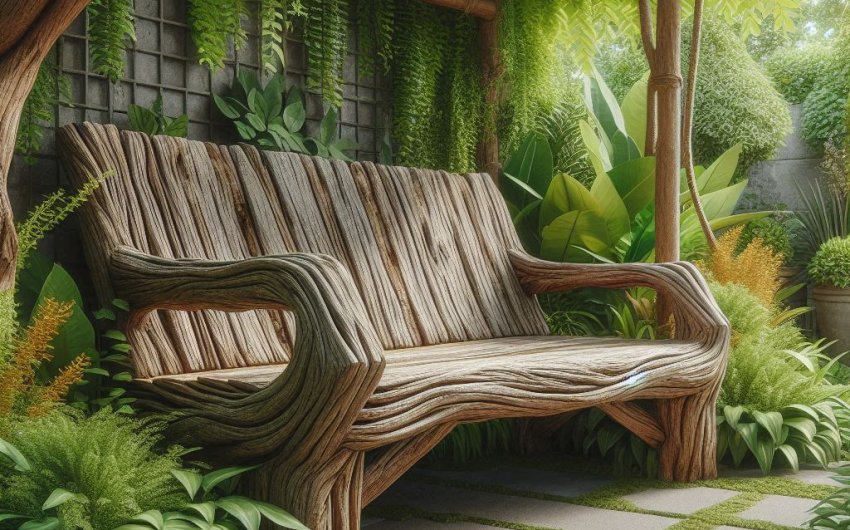
Transforming old nautical timbers into unique outdoor pieces offers a compelling blend of sustainability and style. If you're wondering how can I incorporate repurposed boat wood into custom garden furniture, the possibilities are as vast as the ocean itself. This weathered material, imbued with character from its maritime past, lends an unparalleled rustic charm and resilience to benches, tables, planters, and other bespoke items, elevating your outdoor living space with a story-rich aesthetic.
What Makes Repurposed Boat Wood Unique for Furniture?
Repurposed boat wood is more than just salvaged timber; it's a material with a rich history, unique aesthetic qualities, and inherent durability that sets it apart from new lumber. Its distinct characteristics contribute significantly to the charm and longevity of custom garden furniture.
What are the Aesthetic Qualities of Boat Wood?
The visual appeal of repurposed boat wood is truly remarkable.
- Weathered Patina: Years of exposure to sun, salt, and water create a natural weathered patina with varied shades of grey, silver, and muted browns. This aged look cannot be replicated with new wood.
- Unique Textures: The surfaces often bear signs of their previous life, such as subtle scuffs, grooves, nail holes, or remnants of old paint. These imperfections add character and a tactile quality.
- Irregularities and Imperfections: Unlike uniformly milled lumber, boat wood often comes with natural variations in shape, thickness, and surface, which contribute to a one-of-a-kind, authentic feel in custom garden furniture. Each piece tells its own story.
- Color Variations: Depending on the type of wood and its original treatment, you might find subtle hints of faded blues, greens, or reds from old boat paint, adding unexpected pops of color that blend beautifully with natural tones.
What are the Practical Advantages of Using Boat Wood?
Beyond aesthetics, repurposed boat wood offers significant practical benefits for outdoor furniture.
- Durability: Boat wood is often sourced from resilient hardwoods like teak, mahogany, or ironwood, chosen for their ability to withstand harsh marine environments. This inherent toughness translates directly into highly durable outdoor furniture that can endure various weather conditions.
- Water Resistance: Having spent years in or around water, these timbers are often naturally resistant to moisture, rot, and decay. This makes them inherently suitable for garden and patio settings where exposure to rain and humidity is common.
- Pest Resistance: Many types of wood used in boat building, especially hardwoods, possess natural oils and compounds that make them resistant to common garden pests and insects.
- Sustainability: Using repurposed boat wood is an environmentally friendly choice. It gives new life to material that might otherwise be discarded, reducing the demand for new timber and contributing to a more sustainable use of resources. This makes your custom garden furniture an eco-conscious statement.
Where Can You Source Repurposed Boat Wood?
Finding authentic repurposed boat wood requires a bit of detective work and knowing where to look. It's not as readily available as new lumber, but the unique character it brings to your custom garden furniture makes the search worthwhile.
Traditional Sources for Salvaged Timber
- Boat Salvage Yards: These are primary locations for finding old boat hulls, planks, and other components. You might find yards specializing in marine demolition. Searching for "boat salvage near me" or "marine lumber reclamation" can yield results.
- Marinas and Docks: Sometimes, old boats are left to deteriorate at marinas. Building relationships with marina owners or staff might give you access to discarded vessels or parts.
- Online Marketplaces: Websites like eBay, Craigslist, or specialized architectural salvage sites often list unique materials like reclaimed boat wood. Be prepared for shipping costs if the source is distant. Look for sellers advertising "reclaimed teak boat wood" or "salvaged marine timber."
- Demolition Projects: Occasionally, old boathouses, pier structures, or waterfront buildings are demolished. These projects can be a source of large, weathered timbers.
- Specialty Wood Suppliers: Some timber suppliers specialize in reclaimed wood and may have a stock of repurposed boat wood. These suppliers often clean and process the wood, making it more ready for use, though at a higher cost.
Important Considerations When Sourcing
- Wood Species: Try to identify the wood species. Hardwoods like teak, iroko, or mahogany are ideal for outdoor furniture due to their natural durability and weather resistance. Softer woods might require more extensive sealing.
- Condition of the Wood: Inspect for excessive rot, insect damage, or structural weaknesses. While a weathered look is desired, you need timber that is structurally sound. Small cracks or holes can add character, but large areas of decay should be avoided.
- Fittings and Fasteners: Be aware that boat wood often contains embedded metal fasteners (nails, screws, bolts). These will need to be removed or accounted for when cutting and joining, as they can damage woodworking tools. A metal detector wand can be invaluable.
- Salt and Contaminants: Wood from saltwater vessels might contain salt crystals. While this contributes to the patina, excessive salt can potentially corrode metal fasteners used in your new furniture. It's often recommended to rinse salt-laden wood thoroughly with fresh water and allow it to dry before use, though the unique aesthetic from salt is also part of its charm.
- Legality and Safety: Ensure you are acquiring the wood legally and safely. Always ask for permission before taking wood from any location. Some old boats might have been treated with chemicals; research if unsure.
What Preparations are Needed for Boat Wood?
Before you can transform repurposed boat wood into stunning custom garden furniture, it needs careful preparation. This stage is crucial for ensuring the wood's stability, safety, and longevity, allowing its unique character to shine through in your finished piece.
Cleaning the Wood
Cleaning is the first and most vital step to remove dirt, grime, marine growth, and loose paint.
- Brush Off Loose Debris: Use a stiff bristle brush to remove any loose dirt, mud, or flaky paint. A wire brush can be useful for stubborn areas, but be careful not to damage the underlying wood if you want to preserve the aged look.
- Rinse Thoroughly: Use a garden hose to thoroughly rinse the wood. For heavily soiled pieces, a pressure washer on a low setting can be effective, but again, use caution to avoid damaging the wood's surface or blasting away desired patina.
- Scrub with Mild Cleaner: For any stubborn grime or salt residue, scrub the wood with a mild detergent mixed with water. A solution of 1 part bleach to 10 parts water can also be used to kill mildew and algae, but rinse very thoroughly afterwards.
- Allow to Dry Completely: Crucially, allow the wood to air dry completely for several days, or even weeks, depending on its thickness and moisture content. Stacking the wood with spacers (stickers) between layers will promote even drying and prevent warping.
Removing Embedded Metal and Fasteners
This is a critical step to protect your tools and ensure safety.
- Visual Inspection: Carefully inspect all surfaces of the wood for exposed nails, screws, bolts, or other metal fragments.
- Use a Metal Detector: Even after visual inspection, a handheld metal detector is highly recommended. Run it over every surface where you plan to cut, drill, or plane. Metal hidden inside the wood can severely damage saw blades or router bits.
- Extraction Tools: Use a nail puller, pry bar, or pliers to remove any detected metal. If a fastener cannot be removed, consider cutting around it or adjusting your design.
Stabilizing and Preparing Surfaces
Depending on the desired look and the wood's condition, some stabilization might be necessary.
- Light Sanding (Optional): If you want a smoother surface for sitting or comfort, light sanding with a random orbital sander (e.g., with 80-120 grit sandpaper) can be done. However, be mindful that excessive sanding will remove the valuable weathered patina and much of the wood's character. Often, minimal sanding to remove splinters is sufficient.
- Joint Preparation: For structural joints, ensure surfaces are flat and square where necessary. You may need to use a jointer or planer if you're aiming for precise dimensions, but often, the charm of repurposed boat wood comes from its slight irregularities.
- Filling Voids (Optional): Small holes or deep cracks can be filled with epoxy wood filler if desired, especially for surfaces where food or drinks will be placed. Choose a filler that matches the wood's color or can be stained.
What Custom Garden Furniture Designs are Best for Boat Wood?
The unique characteristics of repurposed boat wood lend themselves beautifully to specific types of custom garden furniture. Designs that highlight the wood's natural shape, patina, and irregularities often result in the most striking and authentic pieces.
Robust Outdoor Benches and Seating
Benches are a fantastic way to showcase the long planks and sturdy nature of boat wood.
- Simple Plank Benches: Use thick, weathered planks for the seat and uprights. The natural variations in the wood will be the focal point. Consider adding a backrest for comfort, keeping the design clean to emphasize the wood. A simple design for an outdoor bench works best.
- L-Shaped Sectionals: For larger patios, an L-shaped sectional made from boat wood can create a cozy outdoor living area. The substantial nature of the wood makes these pieces feel grounded and inviting.
- Adirondack Chairs: While more intricate, the broad planks of boat wood can be adapted to create classic Adirondack chairs, providing deep comfort with a unique, rustic appeal.
Distinctive Garden Tables
A table crafted from repurposed boat wood becomes an instant focal point for outdoor dining or entertaining.
- Dining Tables: A large, solid tabletop made from several joined boat wood planks showcases the wood's character. Pair it with sturdy, simple legs, perhaps also from reclaimed timber or contrasting metal for an industrial look.
- Coffee Tables: For a casual seating area, a low coffee table built from a few chunky boat wood pieces adds rustic elegance.
- Side Tables/End Tables: Smaller pieces of boat wood can be assembled into compact side tables to accompany seating.
Planters and Raised Garden Beds
The inherent water resistance of boat wood makes it excellent for planters and raised garden beds, especially those meant to hold soil and moisture.
- Large Planter Boxes: Construct sturdy, rectangular planter boxes from wide boat wood planks. The weathered look of the wood contrasts beautifully with lush greenery or vibrant flowers. Ensure proper drainage holes.
- Tiered Raised Beds: For a multi-level garden, stacked boat wood planks can create attractive tiered raised beds, ideal for herbs, vegetables, or cascading plants. The wood's durability will withstand continuous exposure to soil and moisture.
- Unique Flower Boxes: Even smaller offcuts can be assembled into charming, one-of-a-kind flower boxes for windowsills or railings, adding a nautical touch to your home's exterior.
Decorative Garden Accents
Beyond functional furniture, repurposed boat wood can be incorporated into decorative elements that enhance the overall garden aesthetic.
- Garden Gates: A rustic garden gate made from weathered boat wood planks can create a welcoming and characterful entrance.
- Arbors and Pergolas: While requiring larger, structural pieces, boat wood can be used to construct parts of arbors or small pergolas, adding a unique, weathered framework for climbing plants.
- Signage: Simple wooden signs, perhaps indicating garden zones or family names, can be crafted from smaller, characterful pieces of boat wood, adding a personalized touch.
What Tools and Techniques are Best for Working with Boat Wood?
Working with repurposed boat wood requires a thoughtful approach, as its characteristics differ from new lumber. Having the right tools and employing suitable techniques will help you manage its irregularities and harness its unique beauty in your custom garden furniture projects.
Essential Hand and Power Tools
- Safety Gear: Always wear safety glasses, hearing protection, and a dust mask when cutting or sanding.
- Metal Detector: As mentioned, a handheld metal detector is crucial to avoid damaging saw blades on hidden fasteners.
- Circular Saw or Miter Saw: For straight cuts and crosscuts. A good quality circular saw is versatile. Ensure you have sharp, good quality blades, as boat wood can be dense and potentially have hidden imperfections.
- Jigsaw: For cutting curves or intricate shapes. A heavy-duty jigsaw will handle the dense wood.
- Drill/Driver: For pre-drilling holes and driving screws. Use sharp wood drill bits.
- Random Orbital Sander: For smoothing surfaces if desired. Start with 80-grit and move to 120-grit. A cordless random orbital sander offers flexibility.
- Clamps: Essential for holding pieces securely in place during cutting, drilling, and gluing. A set of F-clamps or bar clamps will be invaluable.
- Hand Tools: Measuring tape, speed square, carpenter's pencil, level, and a rubber mallet are all fundamental.
Joining and Fastening Techniques
Choosing the right joining and fastening methods is vital for durability in outdoor furniture.
- Pilot Holes: Always pre-drill pilot holes when screwing into dense hardwoods like boat wood. This prevents splitting and ensures the screws drive in cleanly.
- Stainless Steel Fasteners: Due to exposure to the elements and potential residual salt in the wood, use only stainless steel screws or bolts. These will resist rust and corrosion, preventing unsightly stains and structural weakening over time.
- Wood Glue (Exterior Grade): For strong, durable joints, use a high-quality exterior-grade wood glue in addition to fasteners. Apply glue to mating surfaces before assembling.
- Butt Joints with Reinforcement: Simple butt joints (where two pieces are joined end-to-end or edge-to-edge) reinforced with screws or pocket hole joinery are common and effective.
- Half-Lap Joints: For robust connections, especially for legs or frame members, half-lap joints provide good strength and increased glue surface area.
- Mortise and Tenon (Advanced): For the strongest, most traditional joints, consider mortise and tenon joinery. This is more labor-intensive but creates extremely durable furniture.
Finishing and Sealing Repurposed Boat Wood
The goal of finishing repurposed boat wood is usually to preserve its character while protecting it from further degradation.
- Minimal Finishing: Often, the beauty of boat wood lies in its natural, weathered state. For maximum preservation of this look, consider a simple application of teak oil or a marine-grade wood preservative that enhances the natural color without creating a glossy film. These need reapplication periodically.
- Clear Outdoor Sealer: For increased protection against UV rays and moisture, a clear outdoor polyurethane sealer or spar varnish can be applied. Choose a matte or satin finish to avoid an overly shiny look that detracts from the aged patina. This will require more maintenance than simply oiling.
- Avoid Paint/Stain (Unless Desired): Generally, painting or heavily staining boat wood defeats the purpose of its unique weathered look. If you desire color, consider transparent stains that allow the wood grain and subtle imperfections to show through.
- Consider the End Use: For surfaces that will be frequently touched or exposed to food (like a tabletop), a more durable, wipeable finish like a marine-grade epoxy or a more robust clear coat might be preferable, even if it slightly alters the natural feel.
What Are the Design Considerations for Outdoor Living Spaces?
Incorporating repurposed boat wood furniture into your garden requires thoughtful consideration of your overall outdoor living space. The goal is to create a cohesive and inviting environment where these unique pieces enhance, rather than clash with, the existing aesthetics.
Harmonizing with Garden Style
- Rustic and Coastal Themes: Repurposed boat wood naturally complements rustic, coastal, or nautical garden themes. It fits perfectly with natural landscaping, informal plantings, and elements like driftwood, sea glass, or native plants.
- Modern Contrasts: Don't shy away from contrasting it with modern garden designs. The raw, textured nature of boat wood can provide a striking counterpoint to sleek lines, minimalist planters, and contemporary materials like metal or concrete, creating an intriguing blend of old and new.
- English Cottage Gardens: Even in a lush English cottage garden, a weathered boat wood bench can serve as a charming focal point, inviting contemplation amidst abundant flowers. Its aged look blends seamlessly with established greenery.
Placement and Functionality
- Traffic Flow: Plan the placement of your custom garden furniture to ensure clear pathways and comfortable movement around your outdoor area.
- Sunlight and Shade: Consider how sun and shade patterns will affect the usability of your furniture throughout the day. A bench under a tree might be perfect for afternoon reading, while a dining table might need a patio umbrella for midday meals.
- View and Focal Points: Position furniture to maximize views of your garden, a water feature, or a beautiful landscape. A particularly striking piece of boat wood furniture can itself serve as a focal point.
- Comfort: While boat wood is durable, consider adding outdoor cushions or throw pillows for enhanced comfort, especially for seating areas. Look for weather-resistant outdoor cushions.
Combining Materials
Repurposed boat wood can be beautifully paired with other materials to create diverse looks.
- Metal Accents: For an industrial or modern rustic aesthetic, combine boat wood with black steel, wrought iron, or stainless steel hardware. Metal legs for tables or frames for benches can provide structural stability and a contemporary edge.
- Stone and Concrete: The organic texture of boat wood harmonizes well with the solidity of stone pavers, gravel pathways, or concrete planters.
- Glass: For tabletops, a clear piece of tempered glass placed over a boat wood base can protect the surface while allowing the unique wood grain and imperfections to remain visible.
- Natural Fibers: Woven outdoor rugs, jute lighting, or rope accents can complement the rustic charm of the wood.
By carefully planning and executing your designs, you can effectively incorporate repurposed boat wood into custom garden furniture, creating a truly unique and sustainable outdoor haven.