
What Garden Furniture Is Ideal for Edible Landscaping Areas?
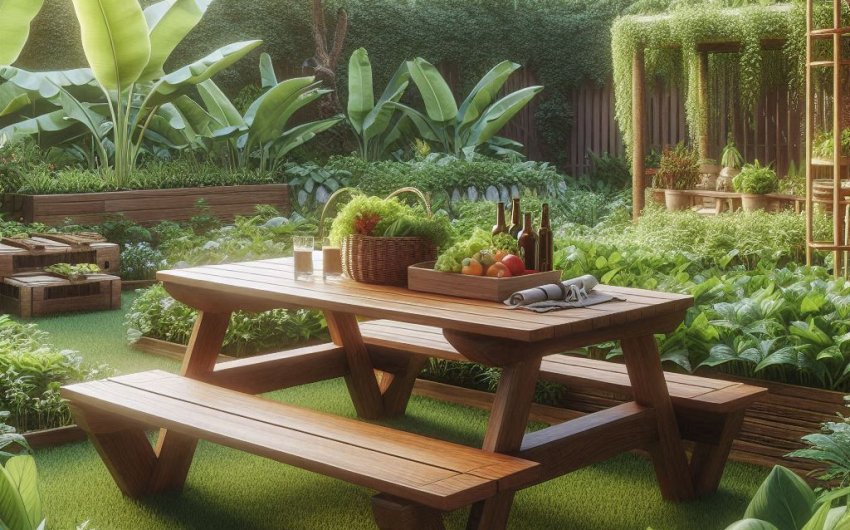
Integrating functional and appealing seating and dining options into areas where you grow food is a wonderful way to enhance your outdoor living experience. Choosing garden furniture ideal for edible landscaping areas means selecting pieces that are durable, low-maintenance, and complement the natural, productive aesthetic of your vegetable beds, herb spirals, or fruit tree groves. This guide explores various options to help you create inviting spaces within your edible garden.
Why Choose Specific Garden Furniture for Edible Landscaping?
Selecting distinct garden furniture ideal for edible landscaping areas goes beyond mere aesthetics; it involves practical considerations for durability, cleanliness, and integration with your food-growing environment. The aim is to create inviting spaces that encourage interaction with your plants while withstanding the unique conditions of an active garden.
What are the Practical Considerations?
The unique environment of an edible garden demands furniture that can withstand moisture, soil, and constant interaction with plants.
- Durability and Weather Resistance: Edible landscaping areas are often watered frequently, exposed to sun, rain, and sometimes even frost. Furniture made from materials that can endure these elements without quickly deteriorating, rusting, or rotting is crucial. This means selecting materials like treated wood, certain metals, or durable plastics.
- Ease of Cleaning: Soil splashes, plant debris, and occasional bug encounters are part of gardening. Furniture that is easy to wipe down, hose off, or quickly clean ensures it remains presentable and hygienic. Smooth, non-porous surfaces are often ideal.
- Pest and Disease Resistance: While furniture doesn't typically host plant pests, choosing materials that don't become havens for slugs, snails, or mold (which can then affect plants) is beneficial. Avoid rough, untreated wood that can harbor moisture and fungi.
- Non-Toxic Materials: Especially important when food is involved. Avoid furniture treated with harsh chemicals or paints that could leach into the soil or affect nearby edible plants. Natural or food-grade finishes are preferred.
- Stability: Furniture should be stable on potentially uneven garden terrain. Lightweight pieces might blow away in strong winds, while flimsy ones could tip over.
- Comfort and Ergonomics: You'll want to spend time observing, harvesting, and enjoying your edible garden. Comfortable seating that allows you to relax and easily reach plants is a bonus. Raised beds often pair well with benches that allow for comfortable seating while tending.
What are the Aesthetic and Experiential Benefits?
Thoughtfully chosen furniture can transform your edible landscaping area from a purely functional space into a delightful outdoor room.
- Creates Inviting Spaces: Furniture signals that an area is meant for lingering and enjoyment. A well-placed bench or dining set invites you to sit, relax, and appreciate the beauty and bounty of your edible garden.
- Enhances Garden Design: Furniture acts as a design element, breaking up planting areas, creating focal points, and defining pathways or "rooms" within the garden. It can complement the natural textures and colors of your plants.
- Encourages Interaction with Food: Imagine picking fresh herbs directly from a raised bed and adding them to a meal you're eating at a nearby table. Furniture facilitates this direct connection with your food source.
- Observation and Enjoyment: A comfortable seat allows you to spend more time observing the nuances of your garden – watching pollinators, checking for ripening produce, or simply enjoying the sounds and smells of nature.
- "Garden Room" Feel: By adding seating and a table, your edible garden transcends being just a growing space and becomes an extension of your home, a true outdoor living room.
- Versatility: Furniture can be positioned to offer different perspectives of your garden throughout the day or season, following the sun or seeking shade.
What Materials are Ideal for Edible Garden Furniture?
The choice of material for your garden furniture ideal for edible landscaping areas significantly impacts its durability, maintenance, and how well it blends with the natural environment. Prioritizing weather-resistant and low-impact options is key.
What are Durable Wood Options?
Wood brings warmth and a natural aesthetic to any garden, but specific types are better suited for outdoor, exposed conditions.
- Cedar: Highly praised for its natural resistance to rot, insect infestations, and moisture. Cedar garden furniture weathers beautifully to a silvery-gray but can be sealed for longer life. It is lightweight yet sturdy. A cedar garden bench is a classic choice.
- Redwood: Another excellent choice for its natural durability, resistance to rot and insects, and rich color. Like cedar, it ages gracefully.
- Teak: A premium hardwood renowned for its extreme durability, natural oils that resist water and pests, and beautiful golden-brown color. Teak furniture is very long-lasting but can be quite expensive. It requires minimal maintenance if left to weather naturally. A teak garden chair is an investment.
- Acacia: A more affordable hardwood option that is naturally resistant to rot and insects. It's often used for outdoor furniture and can be quite durable with proper care and sealing.
- Pressure-Treated Wood: While highly resistant to rot and pests, pressure-treated wood is infused with chemicals. If using for furniture near edibles, ensure it's rated for above-ground contact and ideally covered with a non-toxic sealant, or choose an alternative material entirely, especially for direct food contact.
- Reclaimed/Salvaged Wood: An extremely eco-friendly option. Old barn wood, pallets, or structural timbers can be repurposed into unique benches, tables, or seating. Ensure it's not chemically treated (like old railroad ties) if it will be near edible plants. A reclaimed wood garden table adds rustic charm.
What are Weather-Resistant Metal Options?
Metal furniture offers sleek lines, contemporary appeal, and exceptional durability, making it a strong contender for various garden styles.
- Wrought Iron: Classic and elegant, wrought iron garden furniture is incredibly heavy and stable, making it ideal for windy areas. It is very durable but requires occasional painting or rust-proofing to prevent corrosion. A wrought iron bistro set can create a charming nook.
- Aluminum: Lightweight, rust-proof, and low-maintenance. Aluminum garden furniture is often powder-coated for extra durability and comes in a wide range of styles and colors. It's easy to move around and stack for storage. An aluminum outdoor dining set is practical.
- Stainless Steel: Extremely resistant to rust and corrosion, stainless steel garden furniture offers a modern, sleek look. It's durable but can be more expensive and may show fingerprints or water spots.
- Galvanized Steel: Steel that has been coated with a protective layer of zinc to prevent rust. It's durable and often used for more industrial or rustic-looking furniture. A galvanized steel planter bench combines function and style.
What are Low-Maintenance Synthetic Options?
Modern synthetic materials offer the look of natural materials with added benefits of weather resistance and minimal care.
- High-Density Polyethylene (HDPE) or Recycled Plastic: This material, often made from recycled milk jugs or plastic bottles, is incredibly durable, weatherproof, fade-resistant, and requires virtually no maintenance. It will not rot, crack, or splinter and is often designed to mimic wood. Look for recycled plastic garden furniture for an eco-friendly choice.
- Resin Wicker: Synthetic wicker, typically made from PVC, polyethylene, or polypropylene, woven over an aluminum or steel frame. It's durable, UV-resistant, and can withstand various weather conditions without fading or rotting. It offers the look of natural wicker without the maintenance. A resin wicker patio chair is comfortable and stylish.
- Fiberglass: Lightweight, strong, and highly resistant to weather and corrosion. Fiberglass furniture can be molded into various contemporary designs and is easy to clean.
What Types of Garden Furniture are Ideal for Edible Zones?
Beyond material, the style and function of the furniture play a role in its suitability for an edible landscaping area. Think about how you want to interact with your plants and the overall design of your outdoor space.
What are Practical Seating Options?
Comfortable and strategically placed seating allows you to relax, observe, and engage with your edible plants.
- Benches: A simple garden bench is incredibly versatile. It can be placed along a pathway, at the end of a raised bed for easy access to plants, or under a fruit tree for shade. Look for a durable material like cedar or recycled plastic. A bench with a back offers more comfort.
- Adirondack Chairs: These classic, comfortable chairs are perfect for lounging and observing your garden. Their wide armrests can even hold a cup of tea or a small plate of harvested produce. An Adirondack chair made from weather-resistant wood or HDPE is ideal.
- Stools or Small Ottomans: Small, portable stools or garden kneeling benches are excellent for working comfortably at ground level or in raised beds. They can also double as a place to set tools or harvested items.
- Gliders or Rocking Chairs: For a more relaxed and contemplative space, a garden glider bench or rocking chair provides gentle movement and comfort, perfect for enjoying a cup of coffee amidst your herbs.
- Integrated Seating: Consider building benches directly into raised garden beds, combining the growing space with a resting spot. This can be done with wood, stone, or even concrete blocks.
What are Dining and Gathering Area Solutions?
If you envision sharing meals or hosting gatherings amidst your edible plants, a dedicated dining set is a wonderful addition.
- Bistro Sets: For smaller spaces or intimate settings, a bistro set (a small table and two chairs) is charming and practical. Look for aluminum or wrought iron for durability.
- Outdoor Dining Sets: For larger families or frequent entertaining, a full outdoor dining set with a table and multiple chairs can create a beautiful al fresco dining experience. Choose materials like treated wood, powder-coated aluminum, or recycled plastic for weather resistance.
- Picnic Tables: A classic picnic table made from cedar or pressure-treated wood (with appropriate sealing) is durable and provides ample seating.
- Portable Tables: A small, foldable outdoor folding table can be brought out when needed and stored away to maximize planting space.
- Serving Carts or Potting Benches: A mobile outdoor serving cart or a potting bench with a flat top can serve as a temporary dining or preparation surface when needed.
What are Multi-Functional Furniture Pieces?
Maximize space and utility in your edible landscaping area with furniture that serves more than one purpose.
- Storage Benches: A storage bench outdoor provides seating while offering concealed storage for garden tools, gloves, or harvesting baskets, keeping the area tidy.
- Planter Benches: These combine seating with integrated planting boxes. A planter bench can be perfect for growing herbs or small edibles right next to your sitting area.
- Compost Bins with Seating: Some larger wooden or recycled plastic compost bins are designed with a sturdy lid that doubles as a bench. This is a very eco-friendly and space-saving solution.
- Movable Carts with Tops: A sturdy garden cart with a flat top can be rolled to different areas, serving as a work surface, a temporary dining table, or a place to set drinks.
- Tiered Planter Structures that Incorporate Seating: Create custom designs using repurposed wood or cinder blocks that have varying heights for planting and a lower, stable surface for seating.
Choosing the garden furniture ideal for edible landscaping areas transforms your functional garden into a comfortable and engaging extension of your home. By prioritizing durability, ease of maintenance, and complementary aesthetics, you can create inviting spots to relax, dine, and connect intimately with the delicious bounty you cultivate.