
How Do I Select UV-Resistant Cushions for Sun-Drenched Gardens?
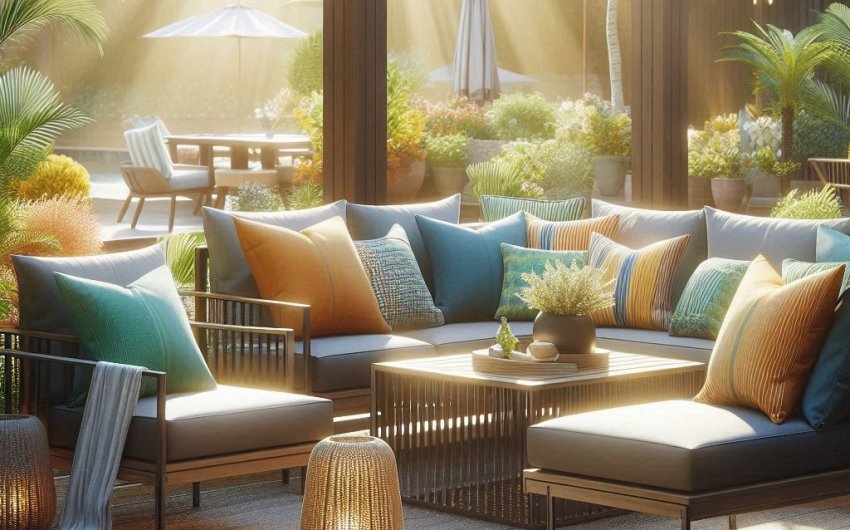
For gardens that receive abundant sunshine, selecting UV-resistant cushions is paramount to ensuring your outdoor seating remains vibrant and comfortable season after season. Intense sunlight can quickly degrade fabrics, causing them to fade, weaken, and ultimately look worn and uninviting. Investing in cushions specifically designed to withstand the sun's harsh rays protects your investment and maintains the beauty of your sun-drenched outdoor living space.
Why is UV Resistance Critical for Sun-Drenched Gardens?
In areas that receive relentless sunlight, ordinary outdoor cushions simply won't last. Understanding why UV resistance is so important will highlight the value of investing in high-quality materials for your sun-drenched garden.
What Happens to Non-UV Resistant Fabrics in the Sun?
When fabrics that are not designed to withstand ultraviolet (UV) radiation are exposed to constant, direct sunlight, they undergo a rapid and irreversible degradation process. This leads to a multitude of unsightly and uncomfortable problems for your outdoor cushions.
Fading (Color Loss): This is the most immediate and noticeable effect. UV rays break down the chemical bonds in the dyes and pigments that give the fabric its color. Over time, vibrant hues will become dull, washed-out, and unevenly faded, often turning into an unappealing pale shade or even white in areas. A deep red might become a dusty pink, and a bright blue could turn a pale, sad sky blue. This drastically diminishes the aesthetic appeal of your sun-drenched garden.
Weakening of Fibers: Beyond color, UV radiation directly attacks the molecular structure of the fabric fibers themselves. This causes the fibers to become brittle, lose their elasticity, and weaken over time. A fabric that once felt strong and pliable will become stiff, crackly, and eventually, prone to tearing. You might notice the fabric becoming thin and almost transparent in heavily exposed areas.
Loss of Durability: As the fibers weaken, the overall durability of the cushion fabric is severely compromised. It will be much more susceptible to rips, tears, and fraying, even from normal use or slight stress. Seams might pull apart easily. This means a shorter lifespan for your cushions, leading to frequent and costly replacements.
AdvertisementShrinkage or Distortion: Some fabrics, particularly natural fibers, can shrink or distort when repeatedly exposed to intense sun and then potentially dampen (from rain or dew). This can make cushions no longer fit their frames properly, looking lumpy or ill-fitting.
Mold and Mildew Susceptibility: While not directly caused by UV, faded and weakened fabrics can become more prone to retaining moisture in their damaged fibers, creating a hospitable environment for mold and mildew to grow. This leads to unsightly stains and a musty odor.
Comfort Degradation: A faded, brittle, and weakened fabric is also much less comfortable to sit on. It can feel scratchy or stiff against the skin, detracting from the relaxation you seek in your outdoor living space.
Investing in UV-resistant cushions directly addresses these issues, ensuring your furniture remains vibrant, strong, and comfortable, even under the most intense sun exposure.
What are the Benefits of Investing in UV-Resistant Cushions?
Choosing UV-resistant cushions for your sun-drenched garden isn't just about avoiding problems; it's about unlocking a host of benefits that enhance the longevity, beauty, and enjoyment of your outdoor space.
Long-Lasting Color Vibrancy: The most obvious benefit is that these cushions retain their original color and vibrancy for significantly longer periods. Their dyes and fibers are engineered to resist the damaging effects of UV rays, preventing the unsightly fading and discoloration that plagues standard outdoor fabrics. Your garden will consistently look fresh and inviting.
Extended Lifespan and Durability: UV-resistant fabrics maintain their structural integrity and strength even with prolonged sun exposure. This means the cushion covers won't become brittle, crack, or tear prematurely. Your investment lasts longer, reducing the need for frequent replacements and saving you money in the long run.
Reduced Maintenance and Worry: With UV-resistant cushions, you don't have to constantly worry about pulling cushions indoors or covering them every time the sun shines. While covers are still recommended for winter or extended periods of non-use, these cushions are designed to withstand daily exposure. This frees up your time and allows for more spontaneous enjoyment of your outdoor space. A waterproof outdoor furniture cover can offer extra protection.
Enhanced Comfort: Fabrics designed for outdoor use are often not only UV-resistant but also durable and sometimes specifically woven to be comfortable against the skin, even after hours in the sun. They resist feeling brittle or scratchy.
Improved Aesthetic Consistency: Faded, mismatched cushions can make an otherwise beautiful garden look neglected. UV-resistant cushions ensure your outdoor decor remains cohesive and attractive, maintaining the intended design and color scheme of your garden.
Better Resale Value (of the furniture): If you ever decide to sell your outdoor furniture, cushions that have retained their color and integrity will significantly add to its overall appeal and potential resale value.
Withstand Harsh Elements: Many UV-resistant fabrics are also designed to be resistant to other outdoor challenges like mildew, stains, and water, providing comprehensive protection against the elements.
Investing in UV-resistant cushions is a smart, long-term decision that pays off in sustained beauty, durability, and peace of mind for your sun-drenched garden.
What Materials Offer the Best UV Resistance?
The type of fabric used for outdoor cushions is the single most important factor in determining its UV resistance. Some materials are inherently better equipped to handle the sun's harsh rays than others.
Why is Solution-Dyed Acrylic a Top Choice?
Solution-dyed acrylic is widely considered the gold standard for UV-resistant outdoor fabrics, making it an excellent choice for cushions in sun-drenched gardens. Brands like Sunbrella are leading examples of this material.
The "Solution-Dyed" Advantage: This is what sets it apart. Instead of dyeing the yarn or fabric after it's produced, the pigment (color) is actually added to the acrylic solution before the fiber itself is extruded. This means the color goes all the way through the fiber, like a carrot, rather than just being on the surface, like a radish.
- Unrivaled Fade Resistance: Because the color is an integral part of the fiber, it cannot be washed out or bleached by the sun's UV rays. This results in virtually unparalleled fade resistance, even with years of intense sun exposure.
- Long-Lasting Vibrancy: Cushions made from solution-dyed acrylic retain their vibrant colors and look new for much longer than other fabrics.
Durability and Strength:
- Inherently Strong: Acrylic fibers are naturally strong and resistant to abrasion.
- UV Degradation Resistance: Beyond fade resistance, the acrylic fibers themselves are highly stable when exposed to UV radiation, meaning they don't break down or become brittle like other synthetic fibers can. This ensures the cushion covers remain durable and tear-resistant for years.
Weather Resistance (Beyond UV):
- Water Repellent: While not fully waterproof, solution-dyed acrylic fabrics are typically treated with a durable water-repellent (DWR) finish, causing water to bead up and roll off. This prevents moisture absorption into the cushion foam, which helps prevent mold and mildew.
- Mildew Resistance: The material itself doesn't support mildew growth. Any mildew that appears is usually growing on dirt or organic debris on the fabric surface and can be easily cleaned.
- Easy to Clean: Resistant to most stains and can be cleaned with mild soap and water. Even bleach can be used on tough stains (following manufacturer instructions) without affecting the color, thanks to the solution-dyed process. A Sunbrella fabric cleaner can maintain their pristine look.
Comfort and Aesthetics:
- Soft Hand: Modern solution-dyed acrylic fabrics have a surprisingly soft "hand" or feel, making them comfortable for seating.
- Wide Range of Colors and Textures: Available in an extensive palette of colors, patterns, and woven textures, allowing for diverse design choices.
Cost vs. Value: Solution-dyed acrylic cushions are more expensive upfront than those made from other materials. However, their exceptional longevity, fade resistance, and low maintenance often make them a more cost-effective investment over their lifespan, as they won't need to be replaced nearly as often.
For the ultimate protection against the sun and a beautiful, long-lasting outdoor space, solution-dyed acrylic cushions are the superior choice for sun-drenched gardens.
How Does Solution-Dyed Olefin Compare?
Solution-dyed olefin (also known as polypropylene) is another excellent contender for UV-resistant outdoor cushions, often providing a more budget-friendly alternative to solution-dyed acrylic while still offering impressive performance for sun-drenched gardens.
Solution-Dyed Process: Like solution-dyed acrylic, olefin fibers are dyed by adding the color pigment to the polymer solution before the fibers are formed. This means the color is embedded throughout the fiber, giving it excellent resistance to fading.
- Good Fade Resistance: While perhaps not quite as legendary as Sunbrella-grade acrylic over extreme decades, solution-dyed olefin offers very good to excellent fade resistance, far superior to conventionally dyed fabrics. It holds its color well under strong sun.
Durability and Strength:
- Strong and Abrasion-Resistant: Olefin fibers are inherently strong and durable, standing up well to wear and tear.
- Hydrophobic: Olefin is naturally hydrophobic, meaning it repels water. This makes it incredibly quick-drying and highly resistant to mold and mildew. Water beads up on the surface and dries quickly, which is a big advantage in humid environments or after rain.
Comfort and Feel: Olefin fabrics often have a slightly waxier or slicker feel than acrylic, but many modern weaves are developed to be soft and comfortable.
Cost-Effectiveness: This is where olefin often shines. It is typically less expensive than solution-dyed acrylic, making it an attractive option for those seeking high performance without the premium price tag. You can find excellent olefin outdoor cushion sets that balance cost and durability.
Environmental Aspect: Olefin is recyclable and has a relatively low environmental impact in its production, which can be a consideration for eco-conscious consumers.
Limitations:
- Heat Sensitivity: Olefin has a lower melting point than acrylic. While it won't typically ignite easily, intense, sustained heat (like a direct flame from a nearby fire pit or hot BBQ) can cause it to melt or distort. Always maintain safe distances.
- Cleaning: While generally easy to clean, it might not tolerate bleach as well as solution-dyed acrylic for severe stains (always check manufacturer guidelines).
For sun-drenched gardens, solution-dyed olefin cushions offer a very strong combination of fade resistance, water repellency, and durability at a more accessible price point, making them an excellent value choice.
What Other Fabrics Offer Some UV Resistance?
While solution-dyed acrylic and olefin are the top performers, other outdoor fabric materials offer varying degrees of UV resistance, making them suitable for certain applications or budgets in a sun-drenched garden.
Polyester (UV-Treated):
- Composition: Often the most common and affordable outdoor fabric. Typically woven polyester fibers that are dyed and then topically treated with a UV-stabilizer finish.
- UV Resistance: Good in the short to medium term. The topical UV treatment helps resist fading for a period, but over prolonged intense sun exposure, this coating can break down, and the fabric will eventually fade. The fading will often be more pronounced and less even than with solution-dyed fabrics.
- Durability: Polyester is durable and resistant to stretching and shrinking. Many are also treated for water repellency and mildew resistance.
- Cost: Generally the most budget-friendly option.
- Best for: Areas with partial sun, shaded spots, or if you're looking for an affordable seasonal refresh and don't mind replacing cushions every (1-3) years. A polyester outdoor cushion is a common sight.
PVC Mesh/Textilene:
- Composition: A synthetic mesh fabric made from polyester fibers coated with PVC (polyvinyl chloride). Often used for sling chairs, patio furniture webbing, or some outdoor rugs.
- UV Resistance: Good. The PVC coating provides inherent UV resistance, and the material is generally fade-resistant.
- Durability: Extremely durable, resistant to tears, mildew, and very easy to clean. It's often found on furniture frames designed to be left out year-round.
- Comfort: Less plush than traditional cushions, as it's a mesh. Often requires a separate cushion or padding for comfort.
- Best for: Sling chairs, dining chairs that need minimal cushioning, or areas where extreme durability and quick drying are priorities over plush comfort.
Cotton Duck/Canvas (Treated):
- Composition: Natural cotton fabric, often densely woven. For outdoor use, it must be specifically treated for water repellency and mildew and UV resistance.
- UV Resistance: Generally poor, even with treatment. Cotton is highly susceptible to fading and degradation from UV rays. Treatments are topical and will break down over time.
- Durability: Can be strong when new, but weakens significantly with sun exposure. Very prone to mildew if left wet.
- Comfort: Soft and breathable.
- Best for: Highly shaded areas, or if you prefer natural fibers and are diligent about bringing cushions indoors or covering them when not in use. Not recommended for sun-drenched gardens.
Acrylic (Topically Dyed/Printed):
- Composition: Fabric made from acrylic fibers, but dyed or printed on the surface rather than being solution-dyed.
- UV Resistance: Better than polyester or cotton, but not as good as solution-dyed acrylic. The surface color will eventually fade, though the fibers themselves are more UV-resistant than polyester.
- Cost: Middle ground.
When choosing these alternative fabrics, always temper your expectations about fade resistance in a sun-drenched garden. For optimal performance and longevity, solution-dyed materials remain the superior choice.
What Features and Maintenance Tips Help with UV Resistance?
Beyond the core fabric material, certain features and maintenance practices can significantly enhance the UV resistance and overall lifespan of your outdoor cushions in a sun-drenched garden.
Why is Foam Core and Cushion Construction Important?
While the fabric cover gets all the attention for UV resistance, the foam core and internal cushion construction are equally vital for the longevity, comfort, and performance of your outdoor cushions, especially in demanding, sun-drenched environments.
Open-Cell vs. Closed-Cell Foam:
- Open-Cell Foam (Most Common): This type of foam (like standard polyurethane foam) has interconnected cells, allowing water to pass through and drain easily.
- Pros: Very comfortable, soft, and breathable. Dries relatively quickly if the fabric cover allows moisture to escape.
- Cons: Can retain water if not allowed to drain properly, leading to potential mildew issues if not properly designed and if the cover isn't water-resistant. Most high-quality outdoor cushions use open-cell foam designed to allow drainage.
- Closed-Cell Foam: This foam has individual, sealed cells that do not absorb water.
- Pros: Completely waterproof.
- Cons: Much firmer and less comfortable than open-cell foam, often feeling stiff. Usually found in marine applications or very specific outdoor seating where firm, waterproof cushioning is needed.
- Best for Cushions: High-density, open-cell foam specifically designed for outdoor use, allowing water to drain and air to circulate. A quick-dry outdoor foam indicates good water management.
- Open-Cell Foam (Most Common): This type of foam (like standard polyurethane foam) has interconnected cells, allowing water to pass through and drain easily.
Drainage and Air Circulation in Construction:
- Vented Zippers/Mesh Bottoms: Look for cushion designs that incorporate features to facilitate drainage and air circulation within the cushion. This might include strategically placed vents, mesh panels on the underside, or even small grommet holes that allow accumulated water to escape. This prevents the foam from staying waterlogged, which can lead to mold, mildew, and degradation of the foam itself.
- Loose Fill vs. Solid Core: Solid foam cores tend to hold their shape better. Loose fill (like polyester fiberfill) can become clumpy and lose loft over time, especially with moisture.
- Wrapped Foam Core: Often, the foam core is wrapped in a layer of batting (like Dacron) to give the cushion a softer feel and prevent the foam from breaking down as quickly.
UV-Resistant Thread: Even if the fabric is UV-resistant, if the thread used for stitching the seams isn't, it will degrade, causing seams to unravel and cushions to fall apart prematurely. High-quality outdoor cushions use UV-resistant sewing thread.
Molding and Mildew Resistance (Integral):
- Beyond quick-drying foam, some foams are treated with antimicrobial agents to inhibit mold and mildew growth.
- The combination of a water-repellent fabric, quick-draining foam, and good construction prevents the humid, stagnant conditions that mold and mildew love.
Investing in cushions with high-quality internal components and thoughtful construction ensures that your UV-resistant fabric covers aren't just for show, but are protecting a durable and comfortable core that will last for many seasons in your sun-drenched garden.
How Can I Clean and Maintain UV-Resistant Cushions?
Even the most UV-resistant cushions will benefit from regular cleaning and proper maintenance to ensure their longevity, maintain their appearance, and maximize their performance in sun-drenched gardens.
Regular Cleaning:
- Brush Off Debris: Regularly (weekly or bi-weekly) brush off loose dirt, pollen, leaves, and other debris from the cushion surface. This prevents organic matter from building up, which can trap moisture and promote mildew. A soft bristled outdoor brush works well.
- Vacuum: Use a vacuum cleaner with a brush attachment to remove dust and dirt that gets embedded in the weave.
- Spot Clean: For small spills or stains, spot clean immediately with a mild soap (like dish soap) mixed with lukewarm water. Use a soft cloth or sponge and blot the stain, rather than rubbing vigorously. Rinse thoroughly.
Deeper Cleaning (Seasonally):
- Mild Soap Solution: For a more thorough cleaning (perhaps once or twice a season), mix a quarter cup of mild liquid soap per gallon of lukewarm water.
- Apply and Scrub: Apply the solution generously to the fabric with a soft-bristle brush.
- Rinse Thoroughly: Rinse completely with clean water from a garden hose, ensuring no soap residue remains (which can attract dirt).
- Air Dry Completely: Stand cushions on their side to allow them to drain and air dry completely before putting them back on furniture or storing them. Ensure all sides get air exposure.
Addressing Mold and Mildew (for Solution-Dyed Acrylic):
- For solution-dyed acrylic fabrics (like Sunbrella), a diluted bleach solution can be used for stubborn mold/mildew spots without affecting the color.
- Mix (1/4) cup of bleach with (1) gallon of water and a quarter cup of mild soap. Apply, scrub gently, and rinse thoroughly. Always test on an inconspicuous area first.
Protective Measures:
- Covers: For extended periods of non-use (e.g., during a vacation, overnight, or off-season), invest in waterproof outdoor cushion covers or a full furniture cover. This protects against UV, rain, dirt, and pests.
- Storage: During the off-season or long periods of inclement weather, store cushions indoors in a dry, clean place. A ventilated cushion storage bag can protect them.
- Rotate Cushions: If possible, periodically rotate your cushions or flip them over to ensure even exposure to the sun, minimizing uneven fading.
Avoid Harsh Chemicals: Do not use harsh detergents, abrasive cleaners, or pressure washers, as these can damage the fabric's UV-resistant properties or water-repellent finish.
Consistent cleaning and proactive protection will significantly extend the life and vibrant appearance of your UV-resistant cushions, ensuring they look great in your sun-drenched garden for many seasons.
What Role Does Shade and Cover Play?
Even with the best UV-resistant cushions, providing some form of shade or cover can significantly extend their lifespan, enhance comfort, and contribute to the overall enjoyment of your sun-drenched garden.
Increased Lifespan of Cushions: While UV-resistant fabrics are designed to withstand sun, even they will eventually degrade over many years of relentless direct exposure. Providing shade, even for a portion of the day or during peak sun hours, dramatically reduces the cumulative UV exposure, prolonging the life and vibrancy of your cushions for many more years.
Enhanced Comfort: Sitting on a cushion that has been baking in direct sun can be uncomfortable and even hot to the touch. Shade provides immediate relief, making your outdoor seating area much more inviting and usable, especially during summer afternoons.
Protecting Other Furniture Elements: Shade also protects other components of your outdoor furniture (frames, bindings, plastic parts) from UV degradation and heat stress, extending their life too.
Types of Shade and Cover:
- Patio Umbrellas: A classic solution. Choose a sturdy patio umbrella with a UV-resistant canopy (often solution-dyed acrylic or olefin fabric) and a heavy base for stability. Some designs tilt or cantilever for adjustable shade.
- Pergolas/Arbors: Permanent structures that provide partial or full shade depending on their design (e.g., with slats, a retractable canopy, or climbing vines). These add architectural interest and consistent shade.
- Shade Sails: Modern and versatile. Shade sails are tensioned fabric structures that can be installed to cover specific areas. They come in various shapes and sizes and are usually made of UV-stabilized HDPE fabric.
- Retractable Awnings: Attached to the house, these offer on-demand shade for patios or decks.
- Strategic Planting: Deciduous trees or large shrubs planted to provide shade during the hottest parts of the day can be a long-term, natural solution.
Routine Covering/Storage:
- Furniture Covers: For periods when you won't be using the furniture for a few days or longer, using a full outdoor furniture cover offers comprehensive protection from sun, rain, and dirt.
- Cushion Storage: Bringing cushions indoors or storing them in a dedicated outdoor cushion storage box when not in use is the ultimate protection for their longevity.
While UV-resistant cushions are designed to face the sun, augmenting them with strategic shade or covers offers maximum protection, longevity, and comfort, ensuring your sun-drenched garden remains an inviting retreat for years.