
What Are the Best Garden Furniture Choices for Water-Conscious Desert Landscapes?
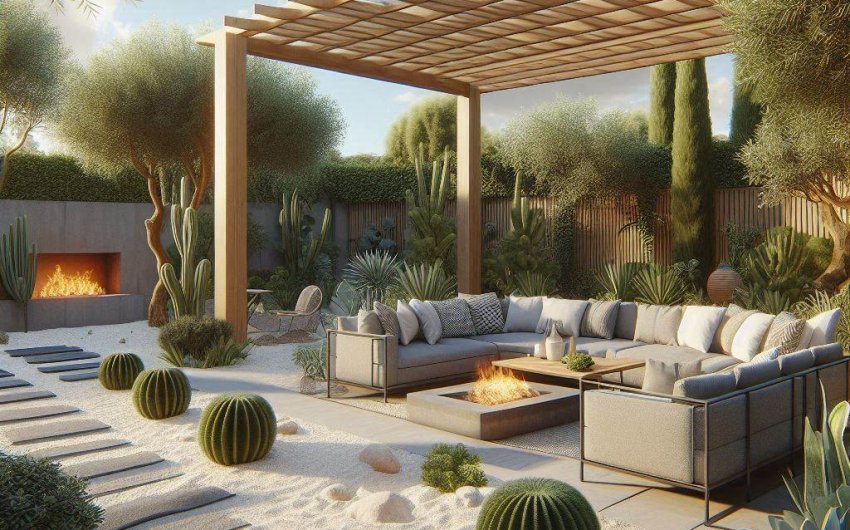
Designing an outdoor living space in an arid climate requires careful consideration of every element, right down to the furnishings. For those cultivating water-conscious desert landscapes, selecting the right garden furniture choices is crucial not only for aesthetics but also for durability and alignment with sustainable practices. The harsh sun, extreme temperatures, and often minimal moisture dictate a different approach than traditional lush gardens, favoring materials that can withstand the elements without requiring excessive maintenance or contributing to water waste. The goal is to create inviting, comfortable, and stylish areas that seamlessly blend with the rugged beauty of the desert environment.
What defines furniture choices suitable for water-conscious desert landscapes?
When selecting garden furniture choices for water-conscious desert landscapes, the typical considerations for outdoor furnishings are amplified by the unique challenges of an arid climate. It's not just about what looks good, but what will last, blend in, and require minimal resources to maintain.
What are the key environmental factors in a desert climate?
Understanding the specific conditions of a desert landscape is fundamental to making informed furniture decisions. These environments are characterized by:
- Intense Sunlight: Deserts receive an abundance of strong, direct sunlight, often with high UV (ultraviolet) radiation levels. This can quickly degrade materials that aren't UV-resistant, causing fading, cracking, and brittleness.
- Extreme Temperatures: Desert climates experience wide temperature swings, from scorching hot days to surprisingly cool or even cold nights. Materials must be able to withstand these rapid and extreme changes without expanding, contracting, or cracking excessively.
- Low Humidity: The air in deserts is typically very dry. While this can be good for preventing mold and mildew, it can also cause certain materials (like untreated wood) to dry out, warp, or crack.
- Dust and Sand: Arid regions are often prone to dust storms and blowing sand. Furniture needs to be easily cleaned and resistant to scratching or abrasion from these airborne particles.
- Limited Water Resources: The core principle of a water-conscious landscape is minimizing water use. This extends to furniture maintenance. Cleaning furniture should ideally not require excessive amounts of water or harsh chemicals that could pollute limited water sources.
What characteristics should ideal desert garden furniture possess?
Given these challenging conditions, the best garden furniture choices for a desert landscape should exhibit several key characteristics:
- UV Resistance: The material must be able to withstand prolonged exposure to intense sunlight without fading, degrading, or becoming brittle. This is perhaps the most critical factor.
- Temperature Stability: It should not warp, crack, or become structurally compromised by extreme heat or cold and rapid temperature fluctuations.
- Durability and Longevity: Investing in furniture that lasts for many years minimizes waste and the need for frequent replacement, aligning with sustainable principles.
- Low Maintenance: Ideally, furniture should require minimal cleaning and no specialized treatments (like oiling or sealing) that could require water or chemicals. When cleaning is needed, it should be simple, often just a wipe-down.
- Material Compatibility: The chosen materials should be inherently resistant to dry conditions, dust, and potential abrasion.
- Aesthetic Integration: The furniture should complement the natural color palette and textures of the desert environment. Earthy tones, natural materials, and designs that evoke ruggedness or simplicity often work best. Avoid overly lush or delicate designs that would feel out of place.
- Comfort (with consideration): While durability is key, comfort is still important for enjoying your outdoor space. This might involve using cushions that are easily stored or made from outdoor, quick-drying fabrics.
By focusing on these defining traits, you can ensure your garden furniture choices not only look great but also perform optimally and align with the principles of water-conscious desert landscapes.
What are the best materials for garden furniture in desert climates?
Choosing the right material is the single most important decision when selecting garden furniture choices for water-conscious desert landscapes. The material must be able to endure relentless sun, extreme temperatures, and often dusty conditions with minimal maintenance.
Why is metal a top choice?
Metal is one of the most durable and long-lasting options for desert environments, provided it's the right type of metal and properly treated.
Wrought Iron:
- Pros: Extremely heavy and stable, so it won't blow away in desert winds. It's incredibly durable and can last for decades. Its classic, often intricate designs can add an elegant, timeless touch.
- Cons: Can get very hot in direct sun. Prone to rust if its protective coating is scratched or wears off, especially if there's any occasional moisture. Requires regular inspection and touch-ups with rust-resistant paint.
- Consideration: Look for powder-coated wrought iron furniture for enhanced rust resistance. It's a great choice for permanent, stately pieces.
Aluminum:
- Pros: Lightweight, making it easy to move. Most importantly, it is naturally rust-resistant because it forms a protective oxide layer. It's highly durable and often comes with a powder-coated finish for added protection and color. It handles temperature swings well and is easy to clean.
- Cons: Can be blown around by strong winds if not heavy enough or anchored. Can still get hot in direct sun, though less so than wrought iron.
- Consideration: Powder-coated aluminum is arguably the best overall choice for desert furniture due to its balance of durability, low maintenance, and rust resistance. Look for powder-coated aluminum patio furniture for longevity.
Stainless Steel:
- Pros: Extremely durable and resistant to rust and corrosion. Has a sleek, modern aesthetic.
- Cons: Can be very expensive. Also gets very hot in direct sun. Fingerprints and smudges can be visible.
- Consideration: Best for high-end, contemporary designs where budget is not a primary concern.
What about synthetic materials like HDPE resin wicker?
HDPE (High-Density Polyethylene) Resin Wicker is an excellent modern option that mimics the look of natural wicker but with superior performance in harsh climates.
- Pros: Highly UV-resistant, preventing fading and brittleness in intense sun. Resists temperature extremes, moisture, and common outdoor elements. It's lightweight, durable, and very easy to clean (just a hose-down or wipe). Does not mold, rot, or attract pests. It's often woven over an aluminum frame, combining the best of both materials.
- Cons: Can sometimes look less natural than real wicker, though quality has improved greatly. Can still get warm in direct sun, but generally not as hot as metal.
- Consideration: When buying, ensure it's HDPE and not cheaper PVC or other plastics, which will degrade quickly in the sun. Look for all-weather HDPE wicker patio furniture.
Are there stone and concrete options?
Stone and concrete are exceptional for desert landscapes, especially for built-in features.
- Pros: Extremely durable, heavy, and virtually impervious to sun, temperature extremes, and wind. They blend seamlessly with the natural, rugged aesthetics of the desert. Require minimal maintenance beyond occasional cleaning.
- Cons: Very heavy, making them difficult or impossible to move. Can absorb and radiate heat, becoming very hot to the touch. Can be expensive for large pieces or custom work.
- Consideration: Best for permanent installations like built-in benches, tables, or decorative elements. Use concrete outdoor furniture for a modern, minimalist look or natural stone benches for a rustic, earthy feel.
What about natural woods?
While some woods can be used, they require more maintenance in a desert climate compared to other materials.
- Teak and Cedar:
- Pros: Naturally resistant to rot, pests, and some weather extremes due to their oils. Teak, in particular, is highly durable. They develop a beautiful silver-gray patina over time if left untreated.
- Cons: Require more maintenance than metal or synthetics in dry heat. They can crack, split, or become brittle if not regularly oiled or sealed to prevent excessive drying out. Can be expensive.
- Consideration: If choosing wood, it must be regularly treated (oiled or sealed) to prevent drying and cracking, which adds to water usage for cleaning before treatment. Less ideal for a truly water-conscious approach unless maintained diligently with non-water-intensive methods. Look for teak outdoor furniture if this is your preference.
Avoid: Plastic resin furniture (like cheap white patio chairs) will degrade rapidly in desert sun, becoming brittle and discolored. Untreated or common woods (like pine or fir) will quickly warp and crack.
By prioritizing UV resistance, temperature stability, and low maintenance, you can select materials that truly embody optimal garden furniture choices for water-conscious desert landscapes.
What design considerations are important for desert landscape furniture?
Beyond the materials, the overall design and placement of your garden furniture choices are crucial for creating a cohesive and comfortable outdoor living space in water-conscious desert landscapes. These elements help to ensure the furniture not only withstands the environment but also enhances its natural beauty.
How should I consider color and aesthetics?
- Earth Tones and Naturals: The desert landscape is characterized by a palette of warm, earthy tones: reds, oranges, browns, grays, and muted greens. Choosing furniture in these natural colors will help it blend seamlessly with the environment rather than clash. Think of colors like terracotta, sand, charcoal, or deep bronze.
- Avoid Bright, Unnatural Hues: While a splash of color can be fun, overly bright or neon colors might feel out of place in a serene desert setting and can also fade more noticeably in intense sun.
- Minimalist or Rustic Designs: Designs that are simple, clean, and uncluttered often work well. Minimalist lines in metal or concrete can complement the vastness of the desert, while rustic, heavy forms in wrought iron or natural stone evoke a connection to the rugged terrain. Avoid overly ornate or delicate designs that would appear fragile against the robust desert backdrop.
- Texture: Incorporate varied textures to add interest. The smooth finish of powder-coated aluminum, the subtle weave of HDPE wicker, or the rough surface of stone can all contribute to the sensory experience without adding visual clutter.
What about comfort and accessories?
While the desert can be harsh, your seating areas should still be inviting.
- Cushions and Fabrics:
- Outdoor-Rated Fabrics: If using cushions, invest in high-quality, outdoor-rated fabrics like Sunbrella fabric or similar acrylic solutions. These are specifically designed to be UV-resistant (preventing fading), water-repellent (allowing quick drying after rare rain or dew), and resistant to mildew.
- Neutral Colors: Choose cushion colors that harmonize with your furniture and the desert palette, such as muted browns, grays, off-whites, or subtle rust tones.
- Storage: Provide a convenient, waterproof outdoor storage box for cushions. This protects them from intense sun, dust, and any unexpected moisture, extending their lifespan and keeping them clean.
- Throw Pillows and Blankets: Add small, outdoor-rated throw pillows for extra comfort and a touch of color or pattern. On cooler desert nights, a few outdoor throws or blankets can make the space more inviting.
- Shade Structures: This is perhaps the most important comfort accessory. Even with UV-resistant furniture, intense sun can make seating areas unusable during peak daylight hours. Incorporate patio umbrellas (with heavy bases to resist wind), pergolas draped with shade cloth, or even natural shade from well-placed desert-adapted trees (like Mesquite or Palo Verde). This provides essential respite and extends the usability of your outdoor space.
How can I integrate built-in features and natural elements?
- Built-in Seating: Integrate durable materials like stone, concrete, or stucco into built-in benches or retaining walls. These permanent structures become part of the landscape, requiring virtually no maintenance and offering a seamless transition between the built environment and nature. Add custom outdoor cushions for comfort.
- Fire Pits: A fire pit made of metal or stone is a fantastic addition for desert evenings, providing warmth and a focal point for gathering. Position seating around it to create an inviting conversation area.
- Use of Rocks and Boulders: Strategically placed rocks and boulders can serve as informal seating, natural tables, or simply decorative elements that tie the furniture into the broader landscape.
- Dry Riverbeds: Incorporate dry riverbeds (channels filled with gravel and larger stones) near seating areas. These are beautiful, water-conscious landscaping features that also serve as effective drainage solutions during rare rain events.
- Native Plants: Surround your furniture with appropriate drought-tolerant native plants and succulents. Their unique forms and textures will naturally complement your chosen furniture materials, creating a harmonious and truly water-conscious desert landscape.
By combining durable materials with thoughtful design, shade solutions, and seamless integration with natural elements, your garden furniture choices will not only withstand the desert environment but also enhance its raw, compelling beauty.