
How to Design a Sensory Garden for Kids and Families?
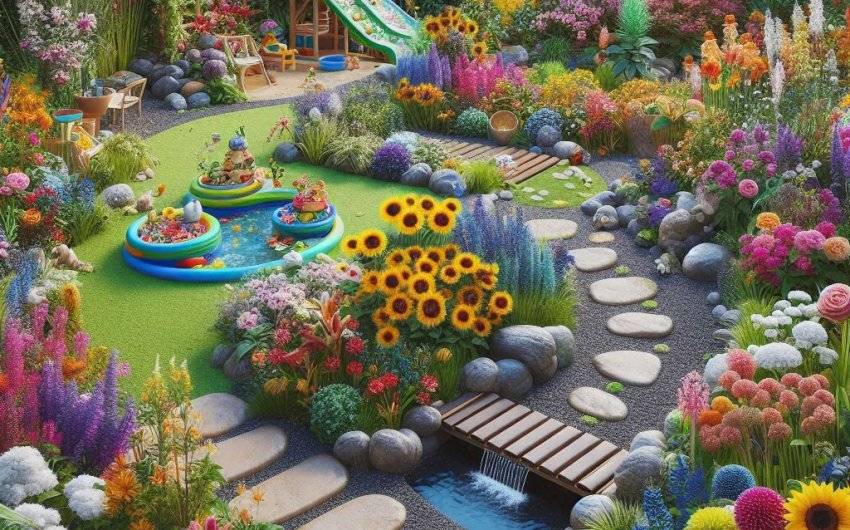
Creating a sensory garden is an enriching way to engage all five senses in an outdoor space, offering a unique and immersive experience for children, adults, and especially those with special needs. Imagine a place where you can touch soft lamb's ear, smell fragrant herbs, hear the gentle rustle of grasses, see vibrant colors, and even taste fresh berries. Designing a sensory garden for kids means thinking beyond just pretty flowers and incorporating elements that invite exploration, discovery, and relaxation through touch, smell, sight, sound, and taste. This guide will walk you through the key principles and practical steps to build a captivating children's sensory garden that encourages learning, play, and connection with nature for the whole family.
Why Create a Sensory Garden for Kids and Families?
A sensory garden offers far more than just aesthetic appeal; it provides a multi-faceted environment that supports development, learning, and well-being for everyone who steps inside.
What are the Benefits of a Sensory Garden for Children?
The advantages for young learners are profound and varied.
- Stimulates Development: Engaging all five senses helps children develop cognitive skills, fine motor skills (through touching and exploring), and gross motor skills (through movement and play).
- Enhances Learning: It provides a hands-on outdoor classroom where kids can learn about plants, insects, the seasons, and cause-and-effect in a natural, engaging way. It's a living laboratory.
- Encourages Exploration and Curiosity: The diverse textures, smells, and sounds invite children to explore freely, fostering a sense of wonder and curiosity about the natural world.
- Promotes Relaxation and Calm: For children, especially those with sensory processing sensitivities or autism, a sensory garden can be a calming and therapeutic space. Repetitive sounds, soft textures, and pleasant aromas can help regulate emotions and reduce stress.
- Boosts Creativity and Imagination: An open-ended garden environment encourages imaginative play, storytelling, and creative expression.
- Develops Social Skills: It offers a shared space for families and friends to interact, communicate, and collaborate on gardening tasks or play activities.
- Connects with Nature: In an increasingly digital world, a sensory garden provides a vital connection to the natural environment, fostering an appreciation for biodiversity and environmental stewardship.
How Do I Design for the Sense of Touch in a Sensory Garden?
The tactile experience is one of the most direct and engaging aspects of a sensory garden, especially for children. Focus on a variety of textures that invite exploration and discovery.
What Plants Offer Interesting Textures?
- Soft and Fuzzy:
- Lamb's Ear (Stachys byzantina): Its velvety, silver-grey leaves are irresistibly soft and are often a child's favorite. They are very hardy.
- Chenille Plant (Acalypha hispida): Known for its long, fuzzy, red catkin-like flowers that are soft to the touch.
- Pussy Willow (Salix discolor): The soft, fuzzy catkins that appear in spring are a delightful tactile experience.
- Smooth and Cool:
- Hostas: Their large, broad leaves can feel smooth and cool.
- Ferns: Many ferns have delicate, smooth fronds.
- River Rocks or Polished Stones: Incorporate smooth, cool stones into pathways or seating areas. A bag of polished river rocks can add a calming visual and tactile element.
- Rough and Bumpy:
- Pine Cones: Natural elements that offer a varied, rough texture.
- Bark: Tree bark can be rough and interesting to touch.
- Rough-textured Leaves: Some plants have textured leaves, like certain salvias or fuzzy-leafed herbs.
- Spiky or Prickly (with caution):
- While you want to avoid anything truly harmful, some plants with slightly spiky but interesting textures can be included with adult supervision. Examples could be certain ornamental grasses or succulents, but place them where little hands won't accidentally get hurt.
- Caution: Always ensure any spiky plants are placed away from main pathways or where children might fall onto them.
What Non-Plant Elements Can Add Tactile Experiences?
- Pathways: Use different materials for pathways: smooth stepping stones, soft bark mulch, coarse gravel, or even sand. This provides varied textures underfoot. A set of stepping stones can create an inviting path.
- Water Features: A small, shallow basin of water or a smooth fountain can offer a cool, wet tactile experience.
- Wood Textures: Smooth, sanded wood benches versus rough, natural log seats.
- Sculptures/Objects: Incorporate various garden ornaments made of metal, ceramic, or wood that offer different textures to feel.
- Sensory Bins/Tables: Set up an area with bins containing various natural materials: sand, smooth pebbles, pinecones, dried leaves, or even dried beans for pouring and scooping.
How Do I Design for the Sense of Smell in a Sensory Garden?
A fragrant garden is incredibly inviting and can evoke strong memories and emotions. Focus on plants with distinct and pleasing aromas.
What Plants Offer Delightful Scents?
- Sweet and Floral:
- Roses: Many varieties offer classic, beautiful fragrances.
- Jasmine: Especially Confederate Jasmine (Trachelospermum jasminoides) for its incredibly sweet evening scent.
- Honeysuckle: Offers a sweet, pervasive aroma.
- Sweet Alyssum: A low-growing annual with tiny, fragrant flowers.
- Lilacs: Classic spring bloomers with a strong, comforting scent.
- Herbal and Aromatic (release scent when touched):
- Mint: Many varieties (peppermint, spearmint, chocolate mint) have distinct, invigorating scents. Plant in containers as they can spread aggressively.
- Lavender: A soothing, calming aroma, and beautiful purple flowers. A lavender plant is a must-have.
- Rosemary: A pungent, woody aroma, great for culinary use.
- Thyme: Various types offer earthy, citrusy, or even pine-like scents when brushed against.
- Lemon Balm: A refreshing, lemony scent when its leaves are crushed.
- Spicy and Unique:
- Scented Geraniums: Come in a wide range of scents, including rose, lemon, peppermint, and even chocolate.
- Clove Pinks (Dianthus caryophyllus): Have a spicy, clove-like fragrance.
Where Should I Place Fragrant Plants?
- Near Pathways: Plant aromatic herbs and flowers along paths where they can be easily brushed against, releasing their scent.
- By Seating Areas: Place strongly scented plants near benches or gathering spots to be enjoyed while relaxing.
- At Entrances: A burst of fragrance at the garden entrance creates an inviting first impression.
- Plant in Pots: This allows you to move highly fragrant plants to maximize their impact or contain spreading herbs.
How Do I Design for the Sense of Sight in a Sensory Garden?
Visual appeal is a foundational element of any garden, but in a sensory garden, it's about more than just pretty colors. Think about contrast, movement, light, and the overall visual journey.
What Elements Create Visual Interest?
- Vibrant Colors:
- Use a diverse palette of flowers and foliage in bright, contrasting colors (red poppies, yellow marigolds, blue delphiniums, purple coneflowers).
- Consider plants with colorful foliage like Coleus, Heuchera, or variegated plants.
- Annuals like Zinnias, Petunias, and Impatiens offer continuous bursts of color throughout the season.
- Varied Shapes and Sizes:
- Include plants with different leaf shapes (large hosta leaves next to delicate ferns), flower forms (tall spires, round blossoms, star shapes), and overall plant habits (tall and columnar, low and spreading, mounding).
- Vary the height of plants to create layers and depth.
- Movement:
- Ornamental Grasses: Their graceful sway in the breeze creates visual movement and plays with light. Tall fountain grass can add drama.
- Wind Spinners and Mobiles: Add shiny or colorful wind spinners that catch the light and move with the wind.
- Light and Shadow:
- Consider how sunlight and shadows change throughout the day. Place reflective objects or water features where they can catch and reflect light.
- Use contrasting foliage colors to highlight areas, like silver-leafed plants against dark green ones.
- Focal Points and Paths:
- Create clear pathways using contrasting materials that draw the eye through the garden.
- Place a colorful bench, a unique sculpture, or a brightly painted birdhouse as a focal point. A brightly colored bird bath can attract birds, adding another visual element.
- Inviting Boundaries: Use low fencing or colorful raised garden beds to define the space and make it feel like a special, enclosed area.
How Do I Design for the Sense of Sound in a Sensory Garden?
The auditory experience in a garden can be surprisingly rich and calming, adding another layer of immersion.
What Elements Create Soothing or Engaging Sounds?
- Wind-Generated Sounds:
- Ornamental Grasses: The gentle rustle and whisper of tall grasses like Miscanthus or Karl Foerster feather reed grass as the wind blows through them is incredibly peaceful.
- Bamboo: Clumping bamboo varieties can create a soft clicking sound when their culms (stems) rub together in the breeze.
- Wind Chimes: Choose wind chimes with pleasant, melodious tones rather than harsh, clanging sounds. A bamboo wind chime offers a gentle, natural sound.
- Water Sounds:
- Water Features: The sound of trickling, bubbling, or cascading water from a fountain, small pond, or waterfall is highly calming and can mask unwanted background noise. Even a simple solar-powered bird bath fountain can add a pleasant gurgle.
- Rain Chains: Instead of traditional downspouts, a rain chain can create a gentle tinkling sound as rainwater flows down it.
- Wildlife Sounds:
- Bird Feeders: Attract birds with various bird feeders and a bird bath. Their chirping, singing, and wingbeats add natural sounds.
- Pollinator Plants: Plant flowers that attract bees (their buzzing is soothing) and butterflies.
- Frog Ponds: A small, shallow pond can attract frogs, whose croaking adds to the nighttime soundscape.
- Footstep Sounds:
- Varying pathway materials can create different sounds underfoot: the crunch of gravel, the soft pad of bark mulch, the solid thud of stepping stones.
- Musical Elements (Optional):
- If appropriate for the space, consider outdoor musical instruments like large chimes, drums, or a xylophone made from natural materials, encouraging interactive sound exploration for kids.
How Do I Design for the Sense of Taste in a Sensory Garden?
A "taste" element requires careful planning and, of course, ensures all plants included are safe for consumption. This makes the garden especially appealing to children, encouraging them to try fresh, healthy foods.
What Edible Plants are Safe and Easy to Grow for Kids?
- Berries:
- Strawberries: Easy to grow, delicious, and kids love picking them.
- Blueberries: Require acidic soil, but rewarding.
- Raspberries/Blackberries: Can be thorny, so consider thornless varieties.
- Herbs: Many herbs are safe, flavorful, and easy for kids to grow and snip.
- Mint: As mentioned, many varieties.
- Basil: Sweet, aromatic, great for cooking.
- Chives: Mild oniony flavor.
- Parsley: Fresh, earthy flavor.
- Vegetables:
- Cherry Tomatoes: Easy to pick and pop into mouths.
- Snap Peas/Snow Peas: Kids love to shell and eat them right off the vine.
- Carrots: Fun to pull from the ground.
- Lettuce/Spinach: Quick growing and easy to harvest for salads.
- Radishes: Quick gratification for impatient young gardeners.
- Edible Flowers: (Ensure they are indeed edible and not sprayed with pesticides!)
- Nasturtiums: Peppery flavor, beautiful in salads.
- Pansies/Violas: Mild, slightly sweet flavor.
- Borage: Light cucumber flavor.
Important Considerations for the Taste Zone:
- Label Everything Clearly: Crucial for safety! Use durable plant labels that kids can read, indicating what is safe to taste.
- Only Include Edible Plants: If a plant is not safe to eat, do not put it in the "taste" zone. Double-check all plant choices, as some common garden plants are toxic.
- Organic Practices: Grow all edible plants organically, avoiding synthetic pesticides or fertilizers, especially if children will be eating directly from the garden.
- Raised Beds/Containers: Consider growing edibles in raised garden beds or large containers to separate them from other plants and make them more accessible for harvesting. A kid-friendly raised garden bed can be a great addition.
- Easy Access: Plant edibles at a height easily reachable by children.
What is the Best Layout for a Sensory Garden?
The layout of your sensory garden is crucial for guiding visitors through the different experiences and making the space inviting and functional.
Key Design Principles:
- Zoning: Divide the garden into distinct zones for each sense or for different activities (e.g., a quiet zone, a noisy zone, an edible zone). This helps focus the sensory input.
- Pathways: Create clear, accessible pathways that encourage exploration. Vary the materials to engage the sense of touch underfoot. Ensure pathways are wide enough for comfortable movement, especially if accommodating wheelchairs or strollers.
- Circulation: Design the paths to flow naturally, perhaps with a looping path that encourages continuous movement and discovery, or a winding path leading to a hidden surprise.
- Accessibility: Consider all users. Flat, wide pathways are important. Raised beds make plants accessible for those with mobility challenges or for younger children.
- Focal Points: Create points of interest that draw visitors further into the garden. This could be a unique plant, a water feature, a colorful sculpture, or a comfortable bench.
- Seating Areas: Include comfortable seating throughout the garden, allowing visitors to relax, observe, and fully immerse themselves in the sensory experience. A garden bench under a fragrant climbing rose offers a perfect spot.
- Safety: Prioritize safety above all else. Avoid sharp edges, toxic plants, or slippery surfaces. Ensure any water features are safe, especially for young children.
- Shelter and Shade: Provide areas of shade, perhaps from a tree, a pergola, or a shade sail, for relief on sunny days.
How Do I Ensure My Sensory Garden is Safe and Accessible?
Safety and accessibility are paramount, especially when designing for children and individuals with diverse needs.
Essential Safety Considerations:
- Non-Toxic Plants: Thoroughly research all plants before including them, ensuring none are toxic if ingested or cause skin irritation. This is vital for the "taste" zone, but good practice throughout.
- No Spiky/Hazardous Plants: Avoid plants with sharp thorns, spines, or irritating sap in high-traffic or easily accessible areas. If you include them for textural variety, place them carefully away from paths.
- Smooth Edges: Ensure all raised beds, pathways, and hardscaping elements have rounded or smooth edges to prevent bumps and scrapes.
- Secure Structures: Any pergolas, arbors, swings, or play structures must be securely installed and regularly checked for stability.
- Water Feature Safety: If including a pond or fountain, ensure it is shallow enough for safety, or has a grate over it for very young children. Always supervise children around water.
- Pest Control: Use organic pest control methods and avoid harmful chemicals, especially in the edible areas.
- Clear Pathways: Keep pathways free of debris, tripping hazards, and overhanging branches.
Accessibility for All:
- Wide, Level Paths: Pathways should be wide enough (at least 36 inches, ideally 48 inches) to accommodate wheelchairs, strollers, and walkers. They should be level or have gentle slopes, avoiding steep inclines or steps.
- Firm Surfaces: Choose pathway materials that are firm and stable, such as concrete, pavers, compacted gravel, or firm bark mulch. Avoid loose gravel or slippery surfaces.
- Raised Beds: Incorporate raised garden beds at various heights (e.g., 24-30 inches for comfortable standing/sitting access, or lower for small children) to make gardening accessible to everyone. A wheelchair-accessible raised garden bed is a wonderful option.
- Accessible Seating: Include benches or seating that are easy to get in and out of, perhaps with armrests for support.
- Clear Line of Sight: Design the garden to avoid hidden corners or obstacles that could pose a challenge for individuals with visual impairments or those needing constant supervision.
- Sensory Labels: Use clear, large-print, and possibly braille labels for plants, especially in the taste and touch zones, to enhance the experience for visually impaired visitors.
How Do I Maintain a Sensory Garden for Long-Term Enjoyment?
Even after the initial design and planting, ongoing maintenance is crucial to keep your sensory garden thriving and engaging.
Key Maintenance Practices:
- Regular Pruning and Deadheading: Keep plants tidy, remove spent flowers to encourage new blooms, and prune any branches that obstruct pathways or become overgrown.
- Weeding: Regular weeding prevents unwanted plants from competing with your desired sensory plants for resources.
- Watering: Ensure consistent watering, especially for newly planted items. Consider a simple drip irrigation system for efficiency.
- Soil Health: Amend the soil periodically with compost to maintain fertility and structure.
- Pest and Disease Management: Monitor plants for signs of pests or diseases and address them promptly, using organic methods for edible plants.
- Path Maintenance: Keep pathways clear, level, and free of weeds. Replenish mulch or gravel as needed.
- Sensory Element Checks: Regularly inspect water features, wind chimes, and other non-plant sensory elements to ensure they are clean, functional, and safe.
- Seasonal Refresh: Plan for seasonal changes. Incorporate annuals for continuous color and fragrance. Consider planting bulbs for spring interest.
- Engage Kids in Maintenance: Involve children in simple gardening tasks like watering, weeding, and harvesting. This fosters responsibility and a deeper connection to their garden.
By thoughtfully designing and diligently maintaining a sensory garden, you create a dynamic, engaging, and enriching outdoor space that caters to the diverse needs of children and provides a wonderful escape and learning environment for the entire family. It's a place where every visit offers a new discovery and a chance to connect with nature on a multi-sensory level.