
What Are the Best Plants for a Water Garden or Pond?
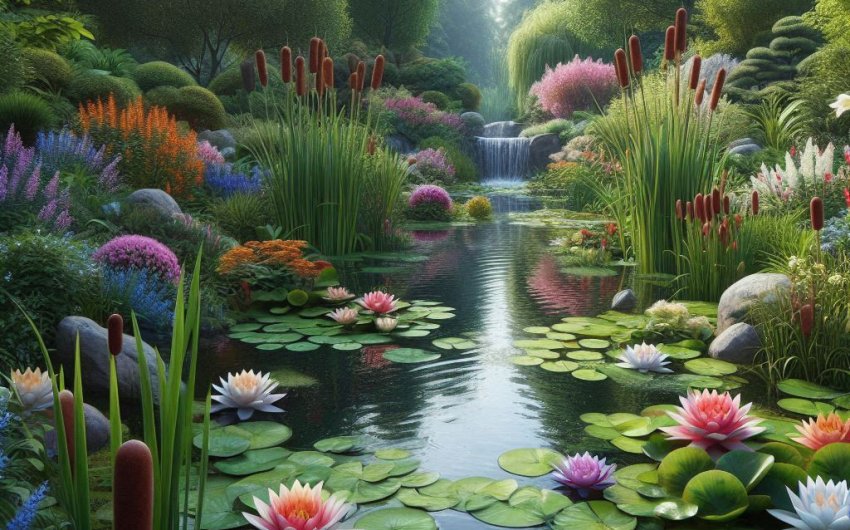
Selecting the best plants for a water garden or pond is crucial for creating a balanced, beautiful, and thriving aquatic ecosystem. Beyond their aesthetic appeal, aquatic plants play vital roles in maintaining water quality, providing habitat for wildlife, and controlling algae. Understanding the different types of water plants and their specific needs will allow you to design a harmonious water feature that is both visually stunning and ecologically sound.
Why Are Plants Essential for a Healthy Water Garden?
Plants are far more than just decorative elements in a water garden; they are living components that contribute significantly to the health, balance, and aesthetic appeal of the entire ecosystem. Their presence transforms a simple body of water into a dynamic, thriving environment.
How Do Plants Improve Water Quality?
One of the most important roles of aquatic plants is their ability to naturally filter and clean the water, contributing to a clearer and healthier pond environment. They are essential for maintaining ecological balance.
- Nutrient Absorption: Plants absorb excess nutrients like nitrates and phosphates from the water. These nutrients often come from fish waste, decaying organic matter, and runoff. If left unchecked, these nutrients can fuel excessive algae growth, leading to "green water" or string algae. By consuming these nutrients, plants directly compete with algae, helping to keep the water clear.
- Oxygenation: Many submerged and floating plants release oxygen into the water through photosynthesis. This oxygen is vital for fish, beneficial bacteria, and other aquatic life. A well-oxygenated pond supports a diverse and healthy ecosystem.
- Filtration: The roots of many aquatic plants, particularly bog and marginal plants, act as natural filters. They provide a surface area for beneficial bacteria to colonize, which further break down harmful substances in the water, converting ammonia and nitrites into less harmful nitrates.
- Shade and Temperature Control: Floating and lily pad plants provide shade, reducing the amount of direct sunlight that penetrates the water. This helps keep water temperatures stable and prevents the water from overheating, which can stress fish and promote algae growth. Shading is a key strategy for algae control in ponds.
How Do Plants Enhance the Ecosystem and Aesthetics?
Beyond water quality, plants bring life, beauty, and structure to a water garden, creating a more natural and inviting habitat for various creatures.
- Habitat for Wildlife: Aquatic plants provide essential shelter, breeding grounds, and food sources for a variety of pond inhabitants.
- Fish: Offer hiding places from predators (like birds) and shade from direct sun.
- Frogs, Toads, Newts: Use plants for cover, basking, and laying eggs.
- Insects: Attract beneficial insects and dragonflies, which can help control mosquitoes.
- Natural Beauty and Softening Edges: Plants add lushness, color, and texture to your water feature. They soften the hard edges of pond liners or rocks, making the pond look more natural and integrated into the surrounding landscape.
- Variety of Forms and Textures: Different types of aquatic plants (submerged, floating, marginal, lilies) add layers of visual interest, from the delicate patterns of submerged foliage to the bold pads of water lilies and the upright forms of marginal grasses. This creates a multi-dimensional display.
- Masking Pond Equipment: Strategic placement of plants can help hide pond pumps, filters, and hoses, improving the overall aesthetic of your water garden.
What Are the Main Categories of Water Garden Plants?
Aquatic plants are typically categorized by where they grow in or around the water, each type serving distinct functions and contributing to the overall beauty and health of your pond. Understanding these categories is essential for designing a balanced water garden.
1. Submerged (Oxygenating) Plants
Submerged plants (also known as oxygenating plants) live entirely underwater, with their roots typically anchored in soil at the bottom of the pond or in aquatic plant baskets. They are crucial for maintaining water quality and supporting aquatic life.
- Function:
- Oxygenation: Their primary role is to release oxygen into the water through photosynthesis, which is vital for fish and beneficial bacteria.
- Algae Control: They are highly effective at absorbing excess nutrients directly from the water, starving algae and helping to keep the pond clear.
- Habitat: Provide hiding places for small fish, fry (baby fish), and aquatic insects.
- Ideal Coverage: Aim for submerged plants to cover 30-50% of your pond's surface area.
- Planting: Often planted in weighted bundles or in mesh baskets at the bottom of the pond.
- Examples:
- Anacharis (Egeria densa): Very popular, fast-growing, excellent oxygenator, adaptable. Anacharis pond plants are widely available.
- Hornwort (Ceratophyllum demersum): Free-floating (not rooted), tolerant of various conditions, good oxygenator, provides excellent fish shelter.
- Cabomba (Cabomba caroliniana): Delicate, feathery foliage, good for oxygenation and aesthetics.
- Vallisneria (Water Celery): Long, ribbon-like leaves, provides a graceful, upright look underwater.
2. Floating Plants
Floating plants have leaves that float on the water's surface, with their roots dangling freely in the water. They are excellent for shading and nutrient absorption.
- Function:
- Shade: Provide shade to the water, reducing sunlight penetration which helps control algae growth and keeps water temperatures cooler for fish.
- Nutrient Absorption: Directly absorb nutrients from the water through their roots, competing with algae.
- Habitat: Offer cover for fish and a resting place for frogs and other pond creatures.
- Ideal Coverage: Aim for floating plants to cover 40-60% of your pond's surface area. They multiply quickly, so regular thinning is often required to prevent them from completely covering the surface.
- Planting: Simply place them on the water's surface.
- Examples:
- Water Lettuce (Pistia stratiotes): Resembles a floating head of lettuce, with velvety, pale green leaves. Highly effective nutrient absorber. Water lettuce plants grow fast.
- Water Hyacinth (Eichhornia crassipes): Beautiful purple flowers and bulbous, floating leaves. Also a powerful nutrient absorber.
- Duckweed (Lemna minor): Tiny, rapidly spreading, often considered a nuisance in large quantities but effective for small ponds.
- Frogbit (Hydrocharis morsus-ranae): Small, round, lily-like leaves, similar to miniature water lilies.
3. Water Lilies (Nymphaea)
Water lilies are the quintessential pond plant, known for their stunning flowers and broad, circular floating leaves. They are generally rooted in submerged soil at the bottom of the pond.
- Function:
- Aesthetics: Provide unparalleled beauty with their vibrant blooms and lily pads.
- Shade: Their large pads provide excellent shade for fish and help keep the water cool, reducing algae growth.
- Nutrient Absorption: Absorb nutrients from the soil, contributing to water clarity.
- Ideal Coverage: Water lilies should cover about 30-50% of the pond surface to provide adequate shade without overwhelming the water.
- Planting: Planted in heavy clay loam soil in aquatic planting pots or directly into the pond bottom.
- Types:
- Hardy Lilies: Tolerate cold winters, returning year after year. Flowers typically float on the surface. Many varieties with different colors (white, pink, red, yellow). Look for hardy water lily plants.
- Tropical Lilies: Often have more vibrant colors, stand higher above the water, and many are fragrant. Not cold-hardy and must be overwintered indoors or treated as annuals in most climates. Some are night-blooming.
4. Marginal (Bog) Plants
Marginal plants grow in the shallow areas around the edges of a pond, where their roots are submerged in water or consistently wet soil, but their foliage extends above the waterline.
- Function:
- Natural Transition: Create a natural transition between the pond and the terrestrial landscape, softening hard edges.
- Filtration: Excellent natural filters, as their root systems absorb nutrients and provide surfaces for beneficial bacteria. They are key for a natural pond filter system.
- Habitat: Provide cover for pond inhabitants entering and exiting the water, as well as nesting sites for some birds.
- Ideal Coverage: Plant around the edges or in shallow shelves of the pond.
- Planting: Planted directly into wet soil on pond shelves or in marginal plant baskets.
- Examples:
- Cattails (Typha latifolia): Iconic wetland plant, but can be aggressive. Good for large, naturalized ponds.
- Pickerelweed (Pontederia cordata): Beautiful purple-blue flower spikes and heart-shaped leaves. Less aggressive than cattails. Pickerelweed plants are attractive.
- Marsh Marigold (Caltha palustris): Bright yellow flowers in early spring.
- Louisiana Iris (Iris louisiana): Stunning iris varieties that thrive in boggy conditions.
- Horsetail (Equisetum hyemale): Unique, bamboo-like upright stems, great for modern or minimalist pond designs. Can be invasive if not contained.
How Do You Choose the Right Plants for Your Pond?
Selecting the right plants involves more than just aesthetics; it requires considering your pond's specific conditions and your gardening goals. A balanced approach ensures both beauty and health.
What Factors Influence Plant Selection?
Several key factors determine which plants will thrive in your particular water garden. Ignoring these can lead to struggling plants or an imbalanced ecosystem.
- Pond Size and Depth:
- Small Ponds: Choose compact varieties of water lilies and floating plants that won't quickly overwhelm the surface. Smaller marginal plants are also better. Avoid aggressive growers like cattails.
- Deep Ponds: Essential for hardy water lilies that need sufficient depth to survive winter dormancy. Submerged plants also thrive in deeper water.
- Shallow Ponds: Limit your choices primarily to marginal plants, some floating plants, and smaller water lilies that tolerate shallower depths.
- Sunlight Exposure:
- Full Sun (6+ hours): Most flowering aquatic plants, especially water lilies, thrive in full sun. Many marginals also prefer full sun.
- Partial Shade (4-6 hours): Some marginal plants and certain varieties of water lilies can tolerate partial shade. Floating plants are generally more adaptable.
- Full Shade (less than 4 hours): Very few aquatic plants do well in deep shade. Consider growing terrestrial shade-loving plants around the pond edges instead.
- Climate Zone:
- Hardiness: Always choose plants suited to your USDA hardiness zone. Hardy plants will survive winter and return year after year. Tropical plants will need to be brought indoors or treated as annuals in colder climates.
- Example: If you live in a cold zone, opt for hardy water lilies instead of tropical ones unless you plan to overwinter them indoors.
- Fish Load (If Applicable):
- Fish and Plants: If you have fish (especially koi), select plants that can withstand their munching and rooting. Overly delicate plants may be destroyed.
- Planting Methods: Plant lilies and submerged plants in sturdy aquatic planting baskets with gravel on top to prevent fish from disturbing the soil. Some fish, like goldfish, may eat certain oxygenating plants.
What is the 50/50 Rule for Balance?
The 50/50 rule is a widely accepted guideline for achieving a healthy balance between open water and plant coverage in your pond. This balance is crucial for both the health of the ecosystem and aesthetic appeal.
- 50% Open Water: This ensures that enough sunlight can penetrate the water for submerged plants and beneficial bacteria. It also provides open space for fish to swim and for you to enjoy reflections on the water's surface.
- 50% Plant Coverage: This includes the collective coverage from water lilies, floating plants, and the shading provided by marginal plants. This amount of coverage helps:
- Control Algae: By shading the water and absorbing excess nutrients.
- Provide Habitat: Offers shelter for fish and other aquatic life.
- Regulate Temperature: Helps keep water temperatures stable.
- Flexibility: This is a guideline, not a strict rule. You might adjust slightly based on your pond's specific needs (e.g., more plants if you have a high fish load, or less if you prefer more open water). However, significantly deviating from this can lead to issues like excessive algae or stressed fish.
How Do You Plant and Maintain Water Garden Plants?
Proper planting techniques and ongoing maintenance are crucial for ensuring your water garden plants thrive, contribute to a healthy ecosystem, and remain a beautiful feature in your landscape.
What Are the Best Planting Methods?
The way you plant your aquatic plants significantly impacts their health and how well they integrate into the pond environment. Most aquatic plants are planted in containers within the pond.
- Use Aquatic Plant Baskets:
- Type: Use specialized aquatic plant baskets (mesh or solid plastic, depending on plant type). Mesh baskets are great for root plants, allowing water to circulate, while solid baskets might be preferred for very fine soil or plants that need more containment.
- Why: They prevent plant roots from spreading too aggressively and help contain soil, keeping your pond water clearer. They also make it easier to move, trim, or repot plants.
- Use Heavy, Non-Floating Soil:
- Clay Loam: Use a heavy, clay-based soil or specialized aquatic plant soil for planting. Avoid lightweight potting mixes or those with perlite, as they will float out of the pot and cloud your water.
- No Fertilizer in Soil: Do not use regular garden soil that contains perlite, peat moss, or fertilizers, as these will release nutrients into the water and fuel algae growth.
- Cover Soil with Gravel:
- Purpose: After planting and filling the basket with soil, add a layer of clean pea gravel or small stones on top of the soil.
- Benefits: This prevents fish from digging up the soil, helps keep the soil in the basket, and prevents the soil from clouding the water. Ensure the gravel is rinsed thoroughly before use.
- Submerge at Correct Depth:
- Specific Needs: Each plant type has an ideal planting depth. Water lilies need deeper water, while marginals prefer shallow shelves. Refer to the plant tag or online resources for specific depth requirements.
- Gradual Lowering (for Lilies): For new water lilies, you might start them in shallower water and gradually lower them to their mature depth as they grow, allowing them to adjust.
What Is Essential Ongoing Maintenance?
Regular maintenance ensures your water garden remains healthy, vibrant, and free of issues like excessive algae or overgrown plants.
- Thinning and Trimming:
- Floating Plants: Regularly thin out fast-growing floating plants (like water lettuce or hyacinth) to maintain the 40-60% surface coverage rule. This prevents them from suffocating other plants and ensures enough light for submerged plants.
- Water Lilies: Remove yellowing or decaying leaves and spent blooms by cutting them at the stem base below the water level.
- Marginal Plants: Trim back overgrown foliage or dead leaves as needed to keep them tidy.
- Fertilizing Aquatic Plants:
- Aquatic Plant Fertilizer Tabs: Use specialized aquatic plant fertilizer tabs or spikes. These are designed to be pushed into the soil in the plant baskets, releasing nutrients directly to the roots without leaching into the pond water and feeding algae.
- Frequency: Fertilize according to the product's instructions, typically every 4-6 weeks during the active growing season.
- Pest and Disease Management:
- Aphids: Occasionally, aphids can infest water lily pads. A strong spray of water from a garden hose can often dislodge them. Avoid using chemical pesticides in or near the pond.
- Slime or Algae on Plants: If you see algae coating your plants, it might indicate a nutrient imbalance in the water. Re-evaluate your plant density and consider adding more nutrient absorbers.
- Winter Care (for Hardy Plants):
- Hardy Lilies: Ensure they are placed at a depth where the water won't freeze solid to the bottom of the pot.
- Tropical Plants: Bring tropical floating plants and lilies indoors before the first frost in colder climates. Overwinter them in a cool, dark place in a bucket of water.
What Are Some Common Problems and How Do You Solve Them?
Even with the best planning, water gardens can face challenges. Being able to identify common problems and apply effective solutions will help you maintain a beautiful and healthy pond.
1. Green Water (Algae Blooms)
Green water is a common issue where microscopic single-celled algae proliferate, turning the water murky green.
- Diagnosis: Pond water is opaque green, usually worse in sunny conditions.
- Causes:
- Too Much Sunlight: Insufficient shade on the pond surface.
- Excess Nutrients: High levels of nitrates and phosphates in the water, often from fish waste, overfeeding fish, or decaying organic matter.
- Insufficient Plant Coverage: Not enough floating or submerged plants to absorb nutrients and provide shade.
- Solutions:
- Add More Plants: Increase the density of floating plants (water lettuce, water hyacinth) and submerged oxygenating plants (anacharis, hornwort) to compete for nutrients and provide shade. Aim for 50-60% surface coverage.
- Reduce Fish Feeding: Overfeeding fish adds excess nutrients. Feed sparingly, only what they can consume in a few minutes.
- Install a UV Clarifier: A UV clarifier for ponds uses ultraviolet light to kill free-floating algae cells, often clearing water within days.
- Partial Water Changes: Remove some green water and replace it with fresh, dechlorinated water to dilute nutrient levels.
- Reduce Organic Debris: Regularly skim leaves and other organic debris from the pond surface and bottom to prevent them from breaking down and releasing nutrients.
2. String Algae (Filamentous Algae)
String algae appears as long, slimy green strands that often cling to plants, rocks, and waterfalls.
- Diagnosis: Long, hair-like green strands growing in the pond.
- Causes: Similar to green water, excess nutrients and sunlight are the main culprits. It often indicates a slight nutrient imbalance that favors this type of algae.
- Solutions:
- Manual Removal: Physically remove as much string algae as possible using a net or by hand. This is a temporary fix but reduces the immediate biomass.
- Increase Plant Competition: Ensure you have enough submerged and floating plants to outcompete the algae for nutrients.
- Barley Straw: Add barley straw bales for ponds or extract. As it decomposes, it releases compounds that inhibit algae growth. This is a natural and slow-acting solution.
- Pond Algaecides (Use with Caution): As a last resort, specialized pond algaecides can be used, but always choose fish-safe products and follow directions precisely, as misuse can harm fish and beneficial bacteria.
3. Plants Not Thriving (Yellowing, Stunted Growth)
If your aquatic plants are looking unhealthy despite seemingly good conditions, there might be an issue with their planting or nutrient supply.
- Diagnosis: Leaves turning yellow, brown, or looking sickly; stunted growth; lack of flowering.
- Causes:
- Nutrient Deficiency: The most common cause. Regular pond water typically lacks sufficient nutrients for plant growth, as the goal is to keep them out of the water column.
- Wrong Soil: Using lightweight or improperly fertilized soil in baskets.
- Incorrect Depth: Planted too shallow or too deep for their species.
- Insufficient Sunlight: Not enough light for photosynthesis, especially for flowering plants.
- Fish Damage: Fish (especially koi) disturbing roots or eating foliage.
- Solutions:
- Fertilize Correctly: Use aquatic plant fertilizer tabs pushed into the soil of the plant basket.
- Check Planting Depth: Ensure plants are at their ideal depth.
- Repot if Necessary: If the plant is root-bound or the soil is depleted, repot it into a larger aquatic basket with fresh aquatic soil.
- Move for More Light: If light is the issue, relocate the plant to a sunnier spot.
- Protect from Fish: Ensure plants are in sturdy baskets with a good layer of gravel on top if fish are disturbing them.
4. Overgrowth (Plants Taking Over Pond)
Some aquatic plants, particularly floating and certain marginal types, can grow very aggressively and quickly take over a pond if not managed.
- Diagnosis: Plants covering too much surface area, blocking light to other plants, or choking out open water.
- Causes: Fast-growing species not being thinned regularly.
- Solutions:
- Regular Thinning: This is the primary solution. Manually remove excess floating plants every week or two during the growing season. Divide and thin out aggressive marginal plants annually or biennially.
- Root Barriers (for aggressive marginals): For very aggressive marginals like cattails, plant them in solid-sided containers without drainage holes (or seal drainage holes) to restrict their root spread.
- Balance with Fish: Some fish will nibble on certain plants, helping to keep them in check, but this is not a primary control method for aggressive growers.
By thoughtfully selecting the best plants for a water garden or pond and committing to consistent care, you can create a beautiful, balanced, and healthy aquatic oasis that will bring joy and tranquility for years to come.