
Elevated Elegance: Adding Art Sculptures to Your Garden
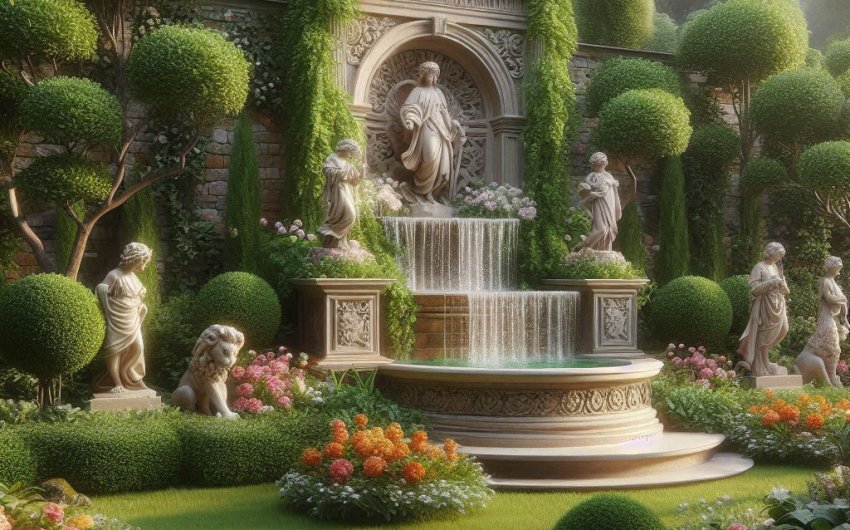
Introducing art sculptures to your garden is a transformative act, moving beyond mere decoration to truly unveil elevated elegance within your outdoor sanctuary. These carefully chosen pieces serve as captivating focal points, injecting personality, intrigue, and a layer of sophistication that complements the natural beauty of your plants and landscape. By thoughtfully integrating an outdoor sculpture, you can craft a unique narrative, define distinct zones, and create a dynamic interplay between art and nature, turning your garden into a living gallery.
Why Add Art Sculptures to Your Garden?
Adding art sculptures to your garden is much more than simply placing an object outdoors; it's a deliberate design choice that enriches the entire outdoor experience. These pieces elevate the garden from a collection of plants to a thoughtfully curated space, reflecting personal style and creating a dynamic interplay between natural and human-made beauty.
How Do Sculptures Enhance Garden Aesthetics?
Outdoor sculptures bring a layer of artistic depth and visual interest that plants alone cannot achieve.
- Focal Points and Vista Creation: A well-placed sculpture immediately draws the eye, serving as a powerful focal point that grounds a design or marks a specific area. It can create a "vista" – a designed view – pulling attention to a particular spot and inviting exploration. For instance, a tall, slender abstract piece can draw the eye upward, while a contemplative figure might lead one down a winding path.
- Adding Form, Texture, and Color: While plants provide organic forms and textures, sculptures introduce structured shapes, unexpected materials (metal, stone, glass), and often permanent colors that contrast or complement the planting around them. This contrast adds dynamic tension and visual richness. A smooth, reflective metal piece can contrast beautifully with the rough texture of natural stone and lush foliage.
- Year-Round Interest: Unlike many plants that are seasonal, an outdoor sculpture provides constant interest regardless of the season. In winter, when deciduous plants have shed their leaves, the sculpture remains a prominent feature, often highlighted by snow or frost.
- Creating Mood and Atmosphere: The style and subject matter of a sculpture can evoke specific emotions and define the overall mood of a garden. A serene Buddha statue brings calm, while a whimsical animal figure adds playfulness. Abstract pieces can invite contemplation.
Beyond Beauty: Functionality and Narrative
Art sculptures can serve practical purposes and tell a story within your landscape.
- Defining Spaces: Large sculptures can act as anchors to define different "rooms" within a garden, such as a seating area, a meditation spot, or a transition zone. They provide visual weight and a sense of enclosure.
- Guiding Movement: Strategic placement of multiple, smaller sculptures can subtly guide visitors through the garden, leading them from one area to another and encouraging exploration.
- Personal Expression and Narrative: Outdoor sculptures are deeply personal. They can reflect your tastes, interests, and even your values. Each piece can contribute to a unique narrative or theme in your garden, telling a story that is uniquely yours and inviting guests to engage with it.
- Sound and Movement (Kinetic Sculptures): Some sculptures are designed to incorporate sound (e.g., wind chimes, trickling water features built into a sculpture) or movement (kinetic art that moves with the wind), adding another sensory layer to the garden experience.
What Types of Art Sculptures Are Suitable for Gardens?
The world of art sculptures suitable for gardens is incredibly diverse, offering a range of styles, materials, and sizes to fit any aesthetic or budget. The key is to select pieces that resonate with your personal taste while being robust enough to thrive in an outdoor environment, truly achieving elevated elegance.
Traditional and Figurative Sculptures
These sculptures often depict recognizable forms, bringing a classic or evocative presence to the garden.
- Classical Figures: Replicas of Greek or Roman statues (e.g., a serene goddess, a contemplative philosopher) bring a timeless, elegant, and often formal atmosphere to a garden. They are typically made from cast stone, bronze, or marble.
- Mythological Creatures: Sculptures of gargoyles, griffins, or other mythical beings can add a whimsical or gothic touch, depending on their design.
- Animal and Human Forms: Realistic or stylized depictions of animals (e.g., a graceful deer, a playful fox, a watchful owl) or human figures (children at play, a tranquil meditator) can add life, narrative, and a sense of connection to nature. A bronze garden rabbit statue can add charm.
- Religious or Spiritual Icons: Statues of Buddha, saints, or other spiritual figures create serene, contemplative spaces for reflection and meditation.
Modern and Abstract Sculptures
These pieces emphasize form, line, and material, inviting interpretation and adding contemporary flair.
- Geometric Shapes: Clean lines, angles, and basic geometric forms (cubes, spheres, pyramids) can create striking contrasts with organic garden shapes. They often appear sleek and minimalist.
- Flowing and Organic Forms: Abstract sculptures that mimic natural shapes (e.g., swirling winds, a rising flame, a rippling wave) can blend seamlessly with the garden's natural curves and textures while still offering a contemporary edge.
- Kinetic Sculptures: Designed to move with the wind, kinetic sculptures add a dynamic, ever-changing element to the garden. Their graceful motion can be mesmerizing and provide a focal point that shifts throughout the day. Look for a metal kinetic wind spinner.
- Architectural Pieces: Large-scale abstract works can act as sculptural architecture, defining space or creating dramatic backdrops.
Found Object and Mixed Media Sculptures
These pieces often repurpose existing materials, offering unique charm and a sustainable twist.
- Recycled Metal Art: Sculptures made from salvaged metal (e.g., old farm tools, industrial scraps, bicycle parts) can create fascinating, often whimsical, or industrial-themed pieces. They often develop rich rust patinas over time.
- Driftwood and Natural Wood: Large, artistically shaped pieces of driftwood or salvaged wood can become natural sculptures, showcasing the beauty of the material itself. These are excellent for naturalistic or woodland garden styles.
- Glass and Ceramic Creations: Colorful glass elements (e.g., blown glass or fused glass pieces) or handcrafted ceramic forms can add vibrant pops of color and light-catching brilliance to specific areas. A colorful glass garden stake can catch sunlight.
Water Features as Sculptures
When designed artistically, water features transcend mere functionality to become living sculptures.
- Sculptural Fountains: Fountains where the water element is integrated into a unique, artistic form (e.g., a modern tiered sculpture with trickling water, a simple stone sphere from which water gently bubbles).
- Reflecting Pools with Focal Points: A still reflecting pool can act as a mirror, enhancing the beauty of a sculpture placed nearby or within it.
How Do You Choose the Right Sculpture for Your Garden?
Selecting the perfect art sculpture for your garden is a deeply personal and thoughtful process. It involves considering not only your aesthetic preferences but also the practicalities of your space, ensuring the chosen piece enhances your garden design and stands the test of time, contributing to an overall sense of elevated elegance.
Consider Your Garden's Style and Size
The existing aesthetic and physical dimensions of your garden should heavily influence your choice.
- Garden Style Alignment: Does your garden lean traditional, modern, minimalist, cottage, Asian-inspired, or rustic? The sculpture should complement, rather than clash with, this overarching style. For instance, a sleek metal abstract piece might look out of place in a whimsical cottage garden, while a classical stone figure might feel heavy in a contemporary minimalist space.
- Scale and Proportion: This is crucial. A small garden can be overwhelmed by a large, imposing sculpture, while a tiny piece can get lost in a sprawling landscape.
- Large Gardens: Can accommodate larger, more dramatic pieces, or multiple smaller sculptures distributed throughout.
- Small Gardens/Patios: Benefit from smaller, more intimate sculptures that fit the space without crowding. Consider vertical pieces to draw the eye upwards in limited horizontal space.
- Visual Weight: Consider how "heavy" the sculpture looks. A dark, solid piece will have more visual weight than a light, airy, open design, even if they are the same physical size.
Material Durability and Maintenance
Your chosen sculpture must be able to withstand outdoor conditions year-round.
- Weather Resistance: Select materials known for their outdoor durability:
- Bronze: Excellent, develops a beautiful patina over time.
- Stainless Steel: Highly resistant to rust, sleek, modern.
- Cast Stone/Concrete: Very durable, can mimic natural stone, good for stability.
- Fiberglass/Resin: Lightweight, can mimic other materials, but quality varies. Ensure UV-resistant coatings.
- Natural Stone: Extremely durable, long-lasting.
- Wood: Requires specific outdoor treatment and maintenance (sealing, protection from rot/pests) unless it's naturally rot-resistant (like teak or cedar).
- Maintenance Requirements: How much care are you willing to give? Some materials like bronze will naturally patina over time (which many prefer), while others might need occasional cleaning, sealing, or protection from frost. Ensure the base or mounting system is robust for outdoor exposure.
Placement and Viewing Angles
Where you place the sculpture will dictate how it is experienced.
- Focal Point: Will it be the main attraction, perhaps at the end of a pathway or in the center of a courtyard?
- Subtle Discovery: Will it be partially hidden amongst foliage, revealing itself upon closer inspection?
- Background Element: Will it serve as a visual backdrop for other plants or features?
- Lighting: Consider how natural light hits the sculpture throughout the day and year. Does it cast interesting shadows? Also, think about artificial lighting at night. A well-placed spotlight for outdoor sculpture can dramatically change its appearance after dark.
- Viewing Angles: Consider how the sculpture looks from different vantage points – from inside your home, from your patio, from different spots in the garden.
Personal Connection and Budget
Ultimately, the sculpture should bring you joy.
- Personal Taste: Choose a piece that genuinely speaks to you, one that you enjoy looking at and that brings you peace or inspiration. The most expensive piece isn't always the best fit if it doesn't resonate with you.
- Budget: Outdoor sculptures range widely in price. Set a realistic budget and explore options within that range. Consider starting with smaller pieces or repurposed items if budget is a concern.
How Do You Integrate Sculptures Seamlessly into Your Garden Design?
Successfully adding art sculptures to your garden goes beyond merely placing them; it involves thoughtful integration that harmonizes them with the existing landscape. The goal is to create a cohesive and visually pleasing scene where the outdoor sculpture feels like an organic part of the garden design, contributing to its elevated elegance.
Strategic Placement and Focal Points
The location of your sculpture dictates its impact and how it draws the eye.
- Create a Destination: Place a sculpture at the end of a winding path, within a quiet alcove, or at a cross-section of walkways to draw visitors deeper into the garden and create a sense of discovery. This makes the sculpture a goal or reward for exploration.
- Anchor a Space: Use a substantial sculpture to visually anchor a seating area, patio, or the corner of a large garden bed. It provides a focal point that grounds the space and gives it purpose.
- Frame a View: Position a sculpture to frame a specific view within your garden or beyond, such as a distant tree line or a unique plant specimen. This guides the eye and emphasizes the intended vista.
- Consider Eyelines: Think about the average height of a viewer and place the sculpture so it is comfortably viewed. For benches, a sculpture viewed while seated might differ from one viewed while standing.
Harmonizing with Plants and Landscaping
The interplay between the sculpture and its botanical surroundings is key to seamless integration.
- Complementary Forms: Pair the sculpture's form with nearby plants. For a bold, upright abstract sculpture, consider soft, mounding plants or fine-textured grasses at its base to create contrast and soften its edges. A flowing, organic sculpture might be enhanced by plants with similar graceful curves.
- Texture Contrast: Use plant textures to highlight the sculpture. A smooth, polished metal sculpture will stand out beautifully against the rough bark of a tree or the coarse leaves of a shrub. Conversely, a textured stone sculpture might be softened by delicate ferns or flowing grasses.
- Color Harmony: Choose plants whose colors complement or subtly contrast with the sculpture's material and any existing patina. A rusty metal sculpture might look stunning against deep green foliage or warm, autumnal hues. A sleek black sculpture can provide a dramatic backdrop for vibrant greens and bright flowers.
- Varying Heights: Use plants of varying heights around the sculpture to create depth and visual interest. Taller plants can frame it, while shorter plants at its base can provide a smooth transition into the surrounding landscape. Ensure the sculpture remains visible year-round, even when plants are at their peak.
Lighting and Seasonal Interest
Thoughtful lighting and consideration for seasonal changes enhance the sculpture's impact.
- Strategic Lighting: Integrate outdoor lighting to illuminate your sculpture after dark, extending its enjoyment into the evening. A subtle spotlight for garden statues can create dramatic shadows or highlight specific features. Consider up-lighting for tall sculptures or backlighting to create a silhouette effect.
- Seasonal Dynamics: Think about how the sculpture will look in different seasons. In winter, when deciduous plants lose their leaves, the sculpture might become even more prominent. In spring, new growth can emerge around it, giving it a fresh context. Some sculptures might even be designed to interact with snow or ice.
Installation and Stability
Proper installation ensures safety and longevity.
- Secure Foundation: For heavier or larger sculptures, a stable, level foundation is critical to prevent tipping, especially in areas with strong winds or unstable ground. This might involve pouring a small concrete pad or burying a sturdy base.
- Professional Installation: For very large or complex sculptures, consider hiring professionals for safe and proper installation.
- Drainage: Ensure water can drain away from the base of the sculpture to prevent standing water or accumulation that could lead to material degradation or frost heave in cold climates.
By meticulously planning these integration strategies, your chosen art sculptures will seamlessly become cherished and defining features of your garden, truly elevating its elegance and making it a unique outdoor expression.