
Rock-Solid Style: Creative Garden Decor Ideas Using Rocks
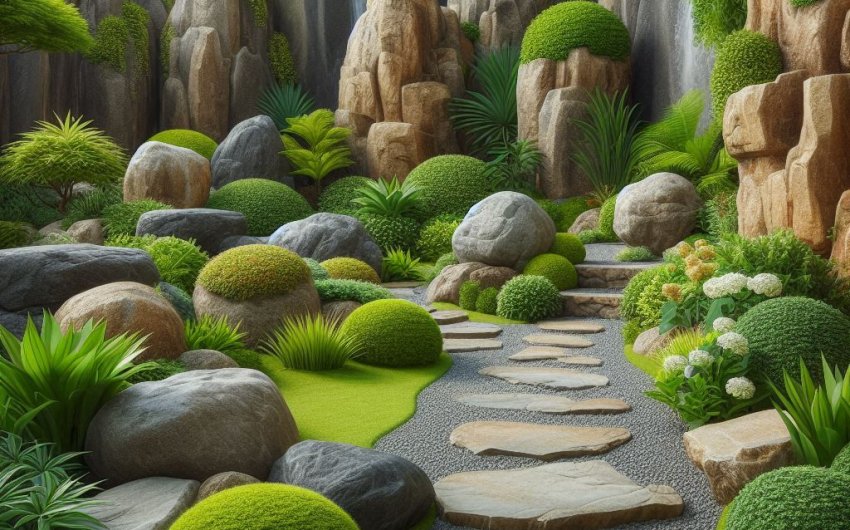
Unleashing the versatile beauty of natural elements, incorporating creative garden decor ideas using rocks can profoundly transform your outdoor space, adding texture, structure, and a timeless appeal. From bold statement pieces to subtle accents, rocks offer an unparalleled ability to ground your design, define areas, and create captivating focal points. Embracing these earthy components allows for a style that is both enduring and deeply connected to nature's inherent artistry.
What Makes Rocks a Great Choice for Garden Decor?
Rocks, in their infinite variety of shapes, sizes, colors, and textures, offer a unique and compelling medium for garden decor. Their natural origin, durability, and versatility make them an excellent choice for adding both aesthetic appeal and practical functionality to any outdoor space.
The Natural Beauty of Rocks
- Organic Shapes and Textures: Unlike manufactured materials, rocks possess an inherent organic beauty. Their irregular shapes, rough or smooth textures, and unique patterns tell a story of geological time. This natural imperfection adds character and authenticity to a garden.
- Diverse Colors: Rocks come in a surprising array of colors, from muted grays, browns, and blacks to vibrant reds, greens, and even blues (depending on mineral composition). This allows them to complement various planting schemes and design palettes.
- Timeless Appeal: Rocks are enduring. They don't fade, rust, or decompose. This timeless quality means your rock-based decor will look great for years, often improving with age as moss or lichen begin to grow on them.
- Connection to Nature: Incorporating rocks brings a piece of the natural landscape into your garden, fostering a sense of groundedness and tranquility.
Durability and Longevity
One of the most significant advantages of using rocks in garden decor is their unparalleled durability.
- Weather-Resistant: Rocks are impervious to rain, sun, snow, and extreme temperatures. They won't rot, warp, or crack in the same way wood or plastic might.
- Low Maintenance: Once placed, rocks require very little maintenance. They don't need painting, sealing (unless desired for a specific look), or protection from the elements. A simple rinse with water can remove dirt or debris.
- Permanent Fixtures: Large rocks or rock features can become permanent, structural elements of your garden, providing year-round interest.
Versatility in Design and Function
Rocks can serve multiple roles, from purely decorative to highly functional.
- Sculptural Elements: A single, large, striking boulder can act as a powerful focal point or a natural sculpture.
- Defining Spaces: Rocks can be used to delineate garden beds, create borders for pathways, or define different zones within a larger landscape.
- Water Features: Naturally integrate with ponds, streams, and fountains, creating a more naturalistic look.
- Pathways and Patios: Smaller pebbles or gravel form permeable surfaces for paths and informal patio areas.
- Erosion Control: Strategically placed rocks can help stabilize slopes and prevent soil erosion.
- Habitat Creation: Rock crevices provide shelter for small insects and reptiles, contributing to garden biodiversity.
- Microclimates: Large rocks can absorb and radiate heat, creating warm pockets for sun-loving plants, or provide shade for others.
Cost-Effectiveness (Often)
While large, specialty boulders can be expensive, many types of rocks are relatively affordable or even free (if sourced responsibly).
- Local Sourcing: Collecting rocks from your own property (if permitted) or sourcing from local quarries can be very cost-effective.
- Long-Term Value: Given their longevity and zero maintenance costs, the initial investment in rocks often pays off over time compared to other decor options that may need replacement or repair.
How Can Large Rocks and Boulders Create Focal Points?
Strategically incorporating large rocks and boulders into your garden design is a powerful way to create instant focal points, adding gravitas, visual interest, and a sense of permanence. These natural giants can anchor a space, mimic natural landscapes, or serve as standalone sculptures, truly elevating your garden decor ideas using rocks.
1. Solo Statement Boulder
- Concept: A single, carefully chosen large boulder can become the undeniable centerpiece of your garden.
- Selection: Look for a boulder with an interesting shape, texture, or color. It should feel sculptural and command attention. Its size should be proportionate to the space – large enough to be impactful, but not so large it overwhelms.
- Placement: Place it in a prominent position, perhaps at the end of a pathway, in the center of a minimalist gravel garden, or nestled among lower plantings. Ensure it is stable and safely set.
- Complementary Planting: Surround the boulder with contrasting textures and forms from plants. Think low-growing groundcovers, delicate ferns, or ornamental grasses that will highlight the rock's mass. For example, a lone moss-covered boulder within a bed of creeping thyme can be stunning.
2. Groupings for Naturalistic Scenes
- Concept: Arranging multiple boulders of varying sizes and shapes to mimic natural rock outcroppings found in nature. This creates a more dynamic and expansive focal point.
- The "Rule of Threes" (or Odd Numbers): When grouping, odd numbers (3, 5, 7) tend to look more natural and aesthetically pleasing.
- Vary Size and Shape: Use a mix of large, medium, and smaller boulders. Vary their heights, widths, and orientations.
- Partial Burial: For a natural look, bury part of each boulder into the ground. This gives the impression that the rocks have always been there, emerging naturally from the earth.
- Directionality: Position boulders so their lines or grain flow in a similar direction, creating a sense of unity.
- Complementary Planting: Plant low-growing, drought-tolerant plants, conifers, or ornamental grasses around and between the boulders to soften their edges and integrate them into the landscape. Think of a mini-mountain landscape.
3. As Part of a Water Feature
- Concept: Integrating large rocks into ponds, waterfalls, or streams creates a more natural and captivating water feature.
- Waterfall Source: A large, flat boulder can serve as the natural spillway for a waterfall, allowing water to cascade over its surface.
- Pond Edge: Larger rocks can define the edge of a pond, giving it a more organic look and providing perching spots for wildlife.
- Stream Bed: Line a dry streambed or a flowing stream with a variety of sizes and shapes of rocks, mimicking a natural creek.
- Examples: A recirculating waterfall rock kit can be built around larger natural stones.
4. Creating a Japanese Zen Garden Aesthetic
- Concept: In traditional Japanese Zen gardens, rocks are the primary elements, representing mountains, islands, or even animal forms.
- Careful Placement: Each rock is meticulously chosen and placed for its specific meaning and visual impact. Asymmetry and balance are key.
- Raked Gravel: Large rocks are typically set within a bed of raked gravel or sand, which represents water. The patterns in the raked gravel are integral to the design. A Zen garden raking tool is essential here.
- Minimalist Planting: Very sparse planting, often just moss or a few carefully pruned small trees or shrubs, complements the rock arrangement.
5. Incorporating into Hardscaping
- Retaining Walls: Larger, flat rocks can be dry-stacked (without mortar) to create informal, natural-looking retaining walls that manage slopes and create terraced garden beds.
- Steps: Large, flat boulders can serve as natural steps, blending seamlessly into a sloped garden.
- Path Edging: Large stones can be used to create a natural, rugged border for pathways.
Safety Note: Moving and placing large rocks can be dangerous. For very heavy boulders, always use appropriate heavy lifting equipment or professional landscapers to ensure safety and prevent injury or damage.
By creatively using large rocks and boulders, you can add significant impact, structure, and a deep connection to nature in your garden decor ideas using rocks.
How Can Smaller Rocks and Pebbles Enhance Garden Areas?
While large boulders create dramatic statements, smaller rocks and pebbles offer incredible versatility for subtle accents, textural contrast, and practical applications in your garden decor ideas using rocks. From defining spaces to creating soothing pathways, these smaller stones add intricate detail and cohesive flow.
1. Defining Pathways and Edging
- Gravel Paths: Laying down a path of garden gravel or pea pebbles creates a permeable, low-maintenance walkway that adds a delightful crunch underfoot.
- Installation: Prepare the base by compacting soil, laying down landscape fabric to suppress weeds, and then spreading a 2-4 inch layer of gravel.
- Edges: Use metal edging, repurposed brick edging, or larger stones to contain the gravel.
- Garden Bed Edging: Create neat and attractive borders for garden beds using uniform river rocks, tumbled basalt, or even flat stones. This provides a clean separation between lawn and planting areas, helping with maintenance and aesthetic appeal.
2. Decorative Mulch and Groundcover
- Rock Mulch: Instead of organic mulch, use a layer of pebbles, lava rock, or crushed stone around plants.
- Pros: Permanent, suppresses weeds, retains moisture by reducing evaporation (though can heat soil in direct sun), prevents soil splash on leaves.
- Cons: Can absorb heat (not ideal for all plants), difficult to add amendments to soil underneath, difficult to remove once installed.
- Best For: Drought-tolerant gardens, succulent beds, rock gardens, or around plants that prefer dry feet.
- Dry Stream Beds: Create a visually appealing "dry riverbed" by arranging varying sizes of smooth river stones and pebbles. This mimics a natural water feature without the need for plumbing and can also help with drainage in specific areas. It's a key element in many Zen garden designs.
3. Water Feature Enhancements
- Pond/Fountain Accents: Line the edges of small ponds or the base of fountains with smooth river stones and pebbles to create a natural transition and cover unsightly liners or pump equipment.
- Rain Chain Basins: Direct water from a rain chain into a decorative basin filled with polished river rocks, creating a soothing sound and visual display.
4. Crafting Unique Accents and Art
- Painted Rocks: A fun, family-friendly activity. Decorate smooth rocks with outdoor-grade paint to add pops of color, messages, or whimsical designs to garden beds. A rock painting kit can get you started.
- Rock Stacks (Cairns): Carefully balance flat or rounded stones on top of each other to create small, sculptural cairns. These add a meditative, natural feel, often associated with Zen aesthetics.
- Rock Mosaics/Inlays: For a more ambitious project, arrange flat pebbles or small stones into patterns or images within a concrete patio, stepping stone, or wall.
- DIY Bird Baths/Feeders: Use a wide, flat stone as the base for a simple bird bath, or create a small platform for bird seed.
5. Container Garden Accents
- Top Dressing: Add a layer of small decorative pebbles, polished river stones, or crushed granite to the top of your potted plants.
- Pros: Looks clean, prevents soil from splashing out during watering, helps deter fungus gnats, and can slightly reduce moisture evaporation.
- Cons: Can make it harder to gauge soil moisture by sight/finger.
Table: Small Rock Types & Their Uses
| Rock Type | Characteristics | Common Uses for Decor |
|---|---|---|
| Pea Gravel | Small, rounded, various colors | Pathways, drainage solutions, decorative mulch, groundcover |
| River Rocks | Smooth, rounded, diverse sizes/colors | Dry streambeds, pond/fountain edges, container top dressing, borders |
| Lava Rock | Porous, lightweight, black/red | Mulch, drainage, succulent gardens, fire pit media |
| Crushed Granite | Angular, compacts well, gray/pink | Pathways, driveways, modern mulch, xeriscape gardens |
| Beach Pebbles | Flat, smooth, rounded | Mosaics, borders, container accents, meditative spaces |
By skillfully incorporating smaller rocks and pebbles, you can add intricate detail, texture, and a touch of natural artistry to various areas of your garden, effectively realizing diverse garden decor ideas using rocks.
How Do You Integrate Rocks for Functionality and Erosion Control?
Beyond their aesthetic appeal, rocks offer significant practical benefits in garden decor ideas using rocks, particularly in terms of functionality and erosion control. Their stability and weight make them invaluable tools for shaping the landscape, managing water, and ensuring the long-term health of your garden.
1. Building Retaining Walls
- Purpose: Retaining walls are structures designed to hold back soil on a slope, preventing erosion and creating level planting areas or terraces. Rocks are a natural and attractive material for this purpose.
- Dry Stack Walls: For smaller, informal walls, stones can be stacked without mortar. This allows for excellent drainage and a very natural look. Ensure each stone is carefully placed and interlocked for stability.
- Mortared Walls: For taller or more structurally critical walls, rocks are laid with mortar. This requires more skill but creates a very strong and permanent structure.
- Terracing: On sloped properties, building a series of low rock retaining walls to create flat tiers (terraces) can transform unusable sloped land into productive garden space while effectively preventing soil erosion.
- Examples: Large, flat landscape rocks are often used for dry-stacking.
2. Creating Steps and Walkways on Slopes
- Purpose: Rocks can form durable and naturally integrated steps and pathways that traverse sloped areas safely, preventing foot traffic from causing erosion.
- Natural Steps: Select large, flat-topped boulders or flagstones that can be partially buried and leveled to create individual steps. Ensure they are wide enough for comfortable footing and stable.
- Embedded Pathways: For gentler slopes or decorative paths, small to medium-sized river rocks or pebbles can be embedded into a concrete or sand base, creating a textured, permeable surface.
- Safety: Always prioritize stability. Steps should have a consistent rise and run, and be securely set into the ground to prevent wobbling or slipping.
3. Managing Water and Drainage (Erosion Control)
Rocks are excellent tools for directing water flow and mitigating its erosive power.
- Rain Gardens and Swales: Incorporate rocks into the design of a rain garden (a depressed area that collects stormwater runoff) or a swale (a shallow, vegetated channel that slows and filters runoff). Rocks can line these features, preventing soil scour and adding aesthetic appeal.
- Dry Streambeds (Revisited): As previously mentioned, a dry streambed is not just decorative; it's a functional feature that can channel excess stormwater away from areas prone to flooding or erosion, directing it to a more appropriate drainage point.
- Gabion Walls: These are wire cages (gabions) filled with rocks. They are incredibly strong and permeable, used for substantial erosion control on very steep slopes, along streambanks, or for large retaining structures. They allow water to pass through while holding back soil. You can find gabion baskets in various sizes.
- Boulder Placement for Runoff: Strategic placement of individual large boulders at the top or along a slope can help break up the flow of stormwater, slowing it down and allowing it to infiltrate the soil rather than picking up speed and eroding the surface.
4. Creating Raised Beds and Borders
- Raised Garden Beds: Use flat, stacked stones to construct raised garden beds. This improves drainage, allows for better soil control, and prevents compaction from foot traffic around the growing area.
- Decorative Borders: Line garden beds, tree rings, or shrub areas with a single row of uniform rocks. This creates a neat, clean border that keeps mulch in place and prevents grass from creeping into beds.
5. Enhancing Pond Edges and Waterfalls
- Natural Transitions: Rocks provide a natural transition from the pond liner to the surrounding landscape, making the water feature appear as if it naturally emerges from the ground.
- Filter Hiding: Strategically placed rocks can cleverly hide pump equipment, filters, and hoses, maintaining the natural aesthetic.
- Spillways: Flat, wide rocks can create the perfect natural spillway for waterfalls, shaping the flow of water and creating pleasant sounds.
By leveraging the inherent strength and immobility of rocks, you can incorporate them into your garden decor ideas using rocks not just for beauty, but as fundamental elements for functionality, water management, and long-term erosion control.