
Zen in Your Backyard: Japanese Outdoor Garden Decor Ideas
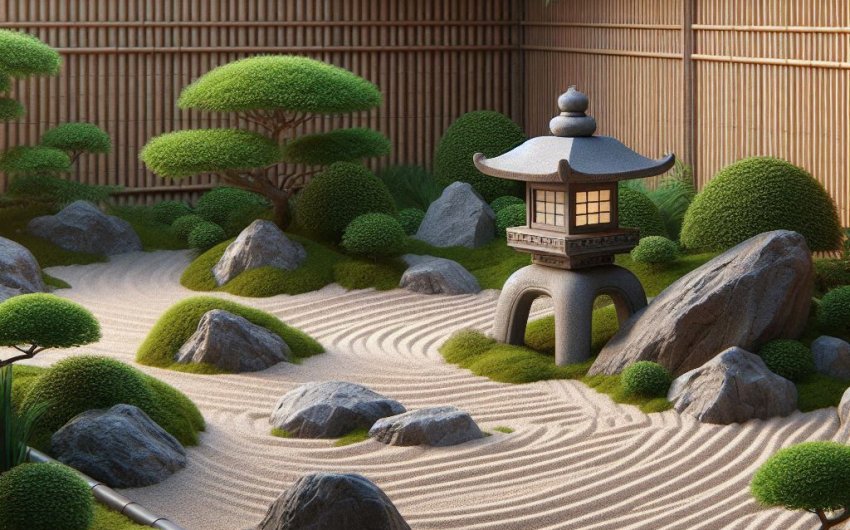
Creating a space for tranquility and reflection at home is increasingly sought after, and transforming your outdoor area into a peaceful sanctuary is entirely achievable. Embracing Zen in your backyard: Japanese outdoor garden decor ideas offers a profound way to cultivate serenity, balance, and natural beauty. These gardens are not just about aesthetics; they embody philosophical principles, using elements like stones, water, and carefully chosen plants to evoke nature's essence and inspire calm contemplation. By integrating key components, you can craft a personal retreat that soothes the senses and promotes inner peace.
What are the core principles of Japanese garden design?
Before diving into specific decor items, understanding the underlying core principles of Japanese garden design is essential. These principles are not merely stylistic choices but philosophical concepts that guide the arrangement and selection of every element, aiming to evoke natural landscapes and promote spiritual tranquility. Adhering to these tenets will ensure your Japanese outdoor garden decor ideas resonate with authentic Zen qualities.
How does asymmetry and balance apply?
Unlike Western gardens that often favor symmetry and repetition, Japanese gardens emphasize asymmetry and balance.
- Asymmetry (Fukinsei): This principle suggests that perfect symmetry is unnatural and boring. Instead, elements are arranged unevenly to create visual interest and a sense of dynamic energy. Think of an odd number of stones, or a path that curves rather than going straight.
- Balance (Sei): While asymmetrical, the garden must still feel balanced. This isn't about equal distribution, but about visual weight. A large, prominent rock on one side might be balanced by a group of smaller plants or a water feature on the other. It creates a sense of harmony and equilibrium despite the lack of formal symmetry, inviting the eye to explore.
What is the importance of naturalism and symbolism?
Japanese gardens strive to represent nature in a highly idealized, often miniaturized form, imbued with deep symbolism.
- Naturalism (Shizen): The goal is to mimic natural landscapes, such as mountains, islands, rivers, and forests, even in a small space. This means using natural materials and avoiding artificial or overtly man-made elements. Every element is carefully chosen and placed to look as if it occurred naturally, even if it was deliberately arranged.
- Symbolism (Yugen, Wabi-Sabi, Kanso):
- Yugen: Suggests a profound, mysterious sense of beauty or universal truth that is not immediately obvious but felt deeply. It's about subtle hints and suggestions rather than overt statements.
- Wabi-Sabi: Embraces imperfection, transience, and natural aging. Elements show their age and wear, telling a story. It finds beauty in the rustic, the simple, and the slightly flawed, celebrating authenticity.
- Kanso: Emphasizes simplicity and the elimination of clutter. It’s about creating clarity and emphasizing what is essential. Every element serves a purpose and contributes to the overall tranquility, without excess. It encourages contemplation of emptiness and space.
How do simplicity and restraint guide design?
These principles advocate for a less-is-more approach, focusing on depth and meaning over quantity.
- Simplicity (Kanso): As mentioned, minimalism is key. Avoid overcrowding the garden with too many plants or decor items. Each element should have space to breathe and be appreciated individually. The emptiness around an object can be as important as the object itself.
- Restraint (Shibumi): This refers to an understated beauty, a refined elegance that avoids ostentation or obvious decoration. It's about subtle depth and quiet richness, suggesting rather than stating. It encourages the viewer to find meaning in the understated details.
What is the significance of borrowed scenery?
Borrowed Scenery (Shakkei) is an advanced technique that integrates elements outside the garden (like distant mountains, a neighbor's beautiful tree, or even the sky) into the garden's composition, making them appear as if they are part of your design. This makes a small garden feel much larger and connects it to the wider natural world. It extends the garden's view beyond its physical boundaries.
By thoughtfully applying these core principles, your Japanese outdoor garden decor ideas will create a space that is not just visually appealing but deeply meaningful and genuinely tranquil, reflecting the profound artistry of Zen in your backyard.
What essential elements define a Japanese garden?
Once you understand the guiding principles, you can begin to integrate the essential elements that define a Japanese garden. These components are not simply decorative; each holds symbolic meaning and contributes to the garden's overall sense of harmony, balance, and natural representation, vital for achieving Zen in your backyard.
What role do rocks and stones play?
Rocks and stones are the backbone of many Japanese gardens, representing mountains, islands, or even animal forms. Their placement is highly deliberate and symbolic.
- Arrangement: Rocks are typically arranged in odd-numbered groupings (three, five, seven), often in triangular patterns, to create asymmetry and visual balance. They are partially buried to look naturally occurring, as if they emerged from the earth.
- Variety: Use a variety of sizes, shapes, and textures to create interest. Smooth, rounded stones might represent islands, while jagged, upright stones can symbolize mountains.
- Symbolism: Rocks can represent permanence, strength, or spiritual anchors. In a dry garden (Karesansui or Zen garden), carefully placed rocks can symbolize islands in a sea of raked gravel, or mountains emerging from clouds.
- Types: Look for natural, weathered stones that blend with your environment. River rocks, basalt, or granite are good choices.
How are water features incorporated?
Water is a fundamental element, symbolizing purity, renewal, and the flow of life. It can be represented literally or symbolically.
- Ponds: A calm, reflective pond is often central to a Japanese garden, representing oceans or lakes. It provides a mirror for the sky and surrounding plants. Ponds often feature koi fish and aquatic plants.
- Waterfalls: Small waterfalls or cascades add movement and the soothing sound of flowing water, symbolizing mountain streams.
- Tsukubai (Water Basin): A traditional stone water basin with a bamboo spout (often a shishi-odoshi, or deer scarer, which clacks) provides a simple, symbolic washing station and a gentle, rhythmic sound. These are often placed near a tea house or viewing area.
- Dry Stream Beds: In a dry garden, carefully raked white gravel or sand can symbolize water, with rocks acting as islands or rapids. The patterns raked into the gravel represent waves or ripples. A miniature zen garden rake is essential for maintaining these patterns.
What is the importance of carefully chosen plants?
Plants are used with restraint to evoke natural scenery and highlight specific seasons, rather than for riotous color.
- Evergreen Focus: Many Japanese gardens emphasize evergreen plants to provide year-round structure and a sense of continuity, especially in winter.
- Symbolic Plants:
- Moss: Often used to represent forests or ancient landscapes, creating a soft, green carpet. It signifies age and tranquility.
- Bamboo: Different varieties of bamboo offer vertical elements, sound (when rustling in the wind), and a sense of peace. Choose clumping varieties to prevent invasive spread.
- Japanese Maple: Famous for its delicate leaves and vibrant seasonal color (especially fall reds), the Japanese maple is a quintessential element, providing year-round interest.
- Pine Trees: Conifers, especially pruned pines (Pinus), symbolize longevity and steadfastness.
- Azaleas and Rhododendrons: Offer spring color and evergreen foliage.
- Ferns and Hostas: Provide lush green texture in shady areas.
- Pruning: Plants are meticulously pruned, often using cloud pruning or Niwaki, to control their size, enhance their natural form, and create specific shapes that represent natural elements or evoke a sense of age.
How do paths and bridges contribute?
Paths and bridges guide the visitor through the garden, creating a journey and revealing views incrementally.
- Stepping Stones (Tobi-ishi): Irregularly placed stepping stones create an asymmetrical, natural-looking path that encourages a slow, contemplative pace.
- Winding Paths: Paths rarely go straight. Their curves suggest mystery and encourage exploration, revealing new vistas around each bend.
- Bridges: Small wooden bridges (often red-lacquered for a dramatic touch) or stone bridges span water features or dry stream beds, symbolizing transitions.
By carefully selecting and arranging these essential elements, you can design a compelling and authentic Japanese garden that truly brings Zen in your backyard, creating a space of profound beauty and peaceful contemplation.
What decorative accents enhance a Japanese garden?
While simplicity and naturalism are core principles, thoughtfully chosen decorative accents can add depth, meaning, and visual interest to your Japanese garden, without creating clutter. These specific items serve to enhance the overall aesthetic and reinforce the theme of Zen in your backyard.
What types of lanterns are traditional?
Stone lanterns (Toro) are iconic features in Japanese gardens, providing soft illumination and symbolic meaning. They originated from Buddhist temples and typically represent different elements of the cosmos.
- Kasuga-gata (Deer Lantern): One of the most common types, characterized by a tall, slender base, hexagonal light chamber, and a multi-tiered roof. Often found near temples or pathways. You can find beautiful Kasuga-gata lanterns for your garden.
- Yukimi-gata (Snow-Viewing Lantern): A low-profile lantern with a wide, flat roof, designed to catch snow and emphasize its beauty in winter. It usually has multiple legs. These are often placed beside water features.
- Oki-gata (Standing Lantern): A simple, unadorned lantern on a single pedestal, often placed in subtle locations to provide indirect light.
- Placement: Lanterns are traditionally placed at turns in paths, near water features, or next to key plants. They are used for subtle ambient light, not bright illumination. Consider solar-powered LED inserts for a low-maintenance option.
How can a pagoda or pagoda statue be used?
A pagoda or pagoda statue symbolizes a Buddhist temple or shrine, bringing a spiritual and architectural element to the garden.
- Symbolism: They represent enlightenment and the connection between heaven and earth. Their tiered roofs are highly recognizable.
- Placement: Typically placed as a focal point, perhaps on an elevated mound representing a mountain, or discreetly nestled among plants. Size is important; choose one proportionate to your garden space to avoid overwhelming it.
What about stepping stones and bridges?
While also functional, stepping stones and bridges are powerful decorative and symbolic elements that guide the viewer's journey through the garden.
- Stepping Stones (Tobi-ishi): As mentioned, irregularly shaped natural stones placed at irregular intervals encourage a slower, more contemplative walk. Their non-linear placement aligns with the principle of asymmetry.
- Bridges: A small wooden bridge over a pond or a dry stream bed signifies a transition, perhaps from one realm of thought to another. Red bridges are popular for their striking visual impact. Stone slab bridges can also be used.
What other subtle accents fit a Japanese garden?
- Garden Benches or Seating: A simple, natural wooden bench or strategically placed large, flat rocks can provide a quiet spot for contemplation. Avoid ornate or brightly colored Western-style patio furniture.
- Wind Chimes: A traditional bamboo wind chime or one made of metal can add a subtle auditory element, connecting the garden to the natural movement of air.
- Figurines: While less common in very traditional Zen gardens, some gardens may incorporate small, subtle Buddha statues or animal figurines (like cranes or turtles, symbolizing longevity) if they blend seamlessly with the natural aesthetic. Choose weathered-looking pieces over new, shiny ones.
- Water Bowls for Birds: A simple stone bird bath or large, shallow rock can provide water for local wildlife, adding life and natural sounds to the garden.
- Boundary Elements: Fences or walls (like bamboo fencing or natural wood fences) can enclose the garden, creating a sense of separation from the outside world and focusing attention inward, enhancing the feeling of a private sanctuary.
The key to using Japanese outdoor garden decor ideas is restraint. Each element should have a purpose and contribute to the overall atmosphere of calm and natural beauty. By carefully selecting and placing these accents, you can deepen the spiritual and aesthetic experience of your backyard Zen oasis.
How do different Japanese garden styles influence decor choices?
While common principles and elements exist, Japanese gardens aren't monolithic. Various Japanese garden styles have evolved over centuries, each with distinct characteristics and influencing the choice and placement of Japanese outdoor garden decor ideas. Understanding these styles can help you tailor your backyard Zen oasis to a specific aesthetic and philosophical approach.
What characterizes a Zen rock garden (Karesansui)?
The Zen rock garden, or Karesansui (dry landscape garden), is perhaps the most minimalist and abstract style. It's designed for contemplation and meditation, usually viewed from a fixed point.
- Key Elements:
- Rocks: These are the primary elements, carefully placed to symbolize mountains, islands, or waterfalls. Their arrangement is highly symbolic and asymmetrical.
- Gravel/Sand: Raked white gravel or sand represents water (oceans, rivers, or clouds). The patterns raked into the gravel are crucial and are themselves a form of art and meditation. A long-handled zen garden rake is essential for maintenance.
- Moss: Small patches of moss or carefully placed low-growing plants might be used sparingly around rocks to suggest forests or natural growth.
- Decor Choices: Minimal. Emphasis is on the rocks, gravel, and the raked patterns. A simple stone lantern (like an Oki-gata) or a single carefully pruned pine tree might be the only other features. Water is always symbolic, never actual.
- Goal: To inspire meditation, reflection, and a deep appreciation for nature's essence in its most abstract form.
What is characteristic of a Strolling Garden (Chisen-kaiyu-shiki Teien)?
The strolling garden is designed to be walked through, revealing different scenic views as you move along paths. It's often larger and more elaborate than a Zen garden.
- Key Elements:
- Pond: A central pond or lake, representing a larger body of water, often with islands.
- Paths and Bridges: Winding paths and bridges (often arched or flat stone) are essential for guiding the viewer through various scenes.
- Varied Plantings: A wider variety of plants, including flowering trees and shrubs, used to create different seasonal effects and represent natural landscapes.
- Waterfalls and Streams: Often incorporate literal waterfalls and flowing streams.
- Decor Choices: More varied than a Zen garden. Stone lanterns are used along paths or near water. Small pavilions or tea houses might be incorporated for rest and viewing. Strategically placed rocks and diverse plantings are crucial.
- Goal: To provide a visual journey, offering a sequence of beautifully composed scenes that evoke natural beauty and encourage leisurely enjoyment.
How does a Tea Garden (Roji) influence decor?
The tea garden (Roji) is a minimalist, naturalistic garden leading to a tea house. Its design prepares the mind for the tranquility of the tea ceremony.
- Key Elements:
- Simple Path: A very simple, often damp, stepping stone path that may be sprinkled with water to represent morning dew.
- Water Basin (Tsukubai): A stone water basin and dipper for ritual purification.
- Moss and Evergreen Plants: Dominated by moss, ferns, and simple evergreen shrubs for a quiet, understated atmosphere.
- Stone Lantern: A subtle stone lantern often serves as a practical light source at night and a quiet accent.
- Decor Choices: Very restrained. The focus is on natural materials, subtle textures, and a sense of quiet purity. Ornamental elements are minimal, serving mostly functional purposes (like the water basin or light).
- Goal: To cleanse and calm the mind, transitioning the visitor from the outer world to the inner world of the tea ceremony.
What is the context for Courtyard Gardens (Tsuboniwa)?
Courtyard gardens (Tsuboniwa) are small, enclosed gardens designed for limited spaces, often found within urban homes or traditional Japanese houses.
- Key Elements: Highly compact versions of elements found in larger gardens. This can be a miniature rock garden, a tiny patch of moss, a single tree, or a small water feature.
- Decor Choices: Very selective. A single stone lantern, a small bamboo water feature, a carefully placed rock, or a beautiful container plant. Maximizing vertical space with carefully pruned trees or vines.
- Goal: To provide a slice of nature, a focal point for contemplation, and improved air circulation/light, even in a very small urban setting.
By choosing a specific style or blending elements thoughtfully, you can select Japanese outdoor garden decor ideas that truly align with your vision for Zen in your backyard, creating a cohesive and deeply tranquil space.