
Peaceful Retreat: Incorporating Buddha Statues into Your Garden
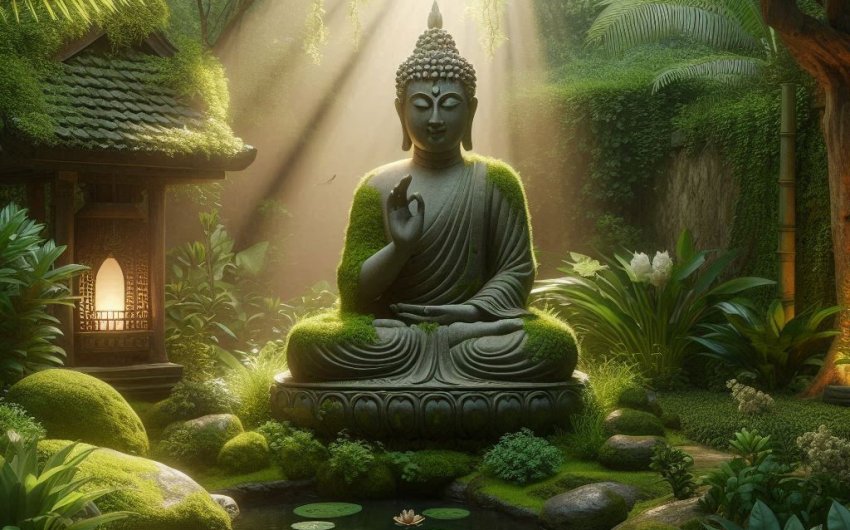
Gardens are much more than just collections of plants; they are extensions of our living spaces, places where we seek solace, beauty, and a connection to the natural world. For many, a garden serves as a personal sanctuary, a tranquil haven away from the hustle and bustle of daily life. To enhance this sense of peace and contemplation, incorporating meaningful elements into the landscape can be profoundly impactful. Among these, Buddha statues have emerged as a powerful symbol of serenity, mindfulness, and spiritual well-being within garden design.
Placing a Buddha statue in your garden can instantly transform an ordinary outdoor space into a peaceful retreat. These iconic figures, representing enlightenment and inner calm, invite reflection and create a focal point for meditation or quiet contemplation. Whether you're aiming for a full Zen garden aesthetic or simply wish to add a touch of tranquility to a secluded corner, the presence of a garden Buddha can elevate the spiritual ambiance of your outdoor oasis. This guide will explore the profound benefits and practical considerations of integrating these revered statues into your garden design, helping you cultivate a space that nurtures both your plants and your spirit.
Why Incorporate a Buddha Statue into Your Garden?
The decision to incorporate a Buddha statue into your garden is often driven by a desire to create a deeper sense of peace and mindfulness. These statues offer far more than just decorative appeal; they bring a profound spiritual and aesthetic dimension to your outdoor space.
How Does a Buddha Statue Enhance a Garden's Serenity?
A Buddha statue inherently carries an aura of calm and peacefulness, and its presence can significantly enhance a garden's serenity. This goes beyond simple aesthetics; it taps into the statue's symbolism and visual qualities.
- Symbol of Peace and Calm: The various poses (mudras) of Buddha statues, such as meditation, blessing, or teaching, universally convey messages of inner peace, wisdom, and compassion. Seeing such a representation can instantly trigger a sense of tranquility in the observer.
- Focal Point for Contemplation: A well-placed Buddha statue naturally draws the eye and encourages quiet reflection. It can serve as a non-denominational reminder to pause, breathe, and be present in the moment, transforming your garden into a literal meditation garden.
- Creates a Sanctuary: In a busy world, our gardens often become our refuge. A Buddha statue helps to define this space as a personal sanctuary, a place explicitly dedicated to quietude and escape from stress. It signals that this is a place for introspection and calm.
- Visual Balance and Harmony: The often simple, flowing lines and balanced proportions of Buddha statues contribute to a sense of harmony in the garden. They can balance vibrant plantings or soften angular hardscaping, creating a more cohesive and visually soothing environment.
- Stillness Amidst Movement: In a garden where plants grow, wind blows, and water flows, the unchanging stillness of a Buddha statue provides a grounding anchor, fostering a sense of timeless peace.
By adding a garden Buddha, you infuse your outdoor space with an intentional sense of peace, making it a true tranquil outdoor oasis for relaxation and introspection.
What Is the Symbolism of Buddha in a Garden Setting?
The symbolism of Buddha in a garden setting is rich and multifaceted, offering spiritual depth and universal messages of enlightenment and mindfulness, regardless of one's personal beliefs.
- Enlightenment and Inner Peace: Buddha represents the attainment of spiritual awakening and liberation from suffering. His serene countenance in a garden setting encourages a similar pursuit of inner calm and wisdom in the observer.
- Mindfulness and Presence: The meditative poses of many Buddha statues serve as a reminder to practice mindfulness – to be fully present in the moment, to observe nature, and to appreciate the simple beauty of your surroundings.
- Compassion and Harmony: The gentle and compassionate expression often depicted in Buddha figures can inspire a sense of harmony, both within oneself and with the natural world.
- Patience and Growth: Just as a garden grows and evolves with patience, the journey to enlightenment represented by Buddha is one of gradual, persistent growth. His presence can symbolize the patience required for both spiritual and horticultural pursuits.
- Connection to Nature: Buddha often meditated outdoors under trees. Placing his statue in a garden intrinsically links his symbolism to nature, reinforcing the idea of finding peace and understanding within the natural world.
The deep and universal spiritual garden decor meaning associated with Buddha makes his image a powerful addition to any space dedicated to peace and contemplation.
How Does a Buddha Statue Become a Focal Point?
A strategically placed Buddha statue becomes a focal point in a garden not just because of its symbolism, but also due to its visual impact and ability to draw the eye. It serves as an anchor in the landscape.
- Visual Anchor: In a dynamic garden filled with plants of varying shapes and colors, a statue provides a static, grounding element. It gives the eye a place to rest and centers the composition.
- Directs Attention: Its presence can lead the viewer's gaze through a pathway, into a secluded nook, or towards a particular feature like a water element.
- Creates a Sense of Purpose: A focal point gives a space definition and intent. A Buddha statue clearly marks an area as one for reflection, meditation, or simply quiet enjoyment.
- Balances Design Elements: Its often symmetrical and balanced form can bring harmony to an otherwise asymmetrical garden layout, or it can be used to balance other strong landscape features.
- Storytelling: A focal point tells a story or evokes a feeling. A Buddha statue instantly communicates a theme of serenity and spiritual contemplation, setting the tone for the entire garden.
By creating a deliberate garden focal point, you draw visitors into your outdoor space and guide their experience, ensuring your meditation garden design is fully realized.
What Are the Different Types and Styles of Buddha Statues for Gardens?
When choosing a Buddha statue for your garden, you'll encounter a variety of types, styles, and materials. Understanding these options will help you select the perfect figure to complement your garden's aesthetic and your personal preference for Zen garden elements.
How Do Different Materials Impact Durability and Aesthetic?
The material of your Buddha statue significantly impacts its durability and aesthetic in a garden setting, where it will be exposed to the elements.
- Stone (Granite, Basalt, Limestone):
- Durability: Extremely durable and weather-resistant. Can withstand harsh conditions (frost, sun, rain). Will last for centuries.
- Aesthetic: Has a natural, organic, and timeless feel. Colors are typically earthy grays, blacks, or off-whites. Develops a beautiful patina (moss, lichen) over time, enhancing its aged look.
- Weight: Very heavy, making placement difficult but also very stable.
- Cost: Generally the most expensive option.
- Best for a permanent, heirloom-quality piece. A granite Buddha statue offers ultimate longevity.
- Concrete/Cast Stone:
- Durability: Very durable and weather-resistant, especially if properly cast and sealed. Can withstand frost if manufactured well.
- Aesthetic: Can mimic natural stone, often molded with intricate details. Colors can range from natural concrete tones to various weathered finishes.
- Weight: Heavy, but less so than solid stone. Can still be challenging to move.
- Cost: More affordable than natural stone, offers good value for durability.
- A popular choice for a sturdy, long-lasting garden Buddha.
- Resin/Fiberglass:
- Durability: Lighter weight and generally weather-resistant. Good for mild climates. May degrade or fade over many years in harsh sun, or crack in extreme freeze-thaw cycles if not properly constructed.
- Aesthetic: Can be highly detailed, often painted to mimic stone, bronze, or other materials. Available in a wide range of finishes.
- Weight: Lightweight, very easy to move and place.
- Cost: Most affordable option.
- Good for renters, temporary displays, or if frequent relocation is desired. You can find lightweight resin Buddha statues.
- Bronze/Metal (Less Common for Large Buddha):
- Durability: Extremely durable and weather-resistant. Develops a classic green/brown patina over time.
- Aesthetic: Elegant, classic, and high-end.
- Weight: Very heavy.
- Cost: Most expensive option.
- More common for smaller, intricate pieces.
Consider your climate, budget, and desired aesthetic when choosing the Buddha garden statue material.
What Are Common Mudras (Hand Gestures) and Their Meanings?
Mudras are symbolic hand gestures that are often depicted in Buddha statues, each carrying a specific meaning or spiritual intention. Understanding these can help you choose a statue that resonates with your personal desire for a peaceful retreat.
- Dhyana Mudra (Meditation): Hands resting in the lap, right hand over left, palms upwards, thumbs touching forming a triangle.
- Meaning: Represents deep contemplation, meditation, enlightenment, and the journey to inner peace. It's often associated with the Buddha's moment of enlightenment under the Bodhi tree.
- Garden Use: Ideal for creating a serene and reflective space, perfect for a dedicated meditation corner.
- Bhumisparsha Mudra (Calling the Earth to Witness): Right hand extended downwards, fingers touching the earth, palm inwards; left hand in the lap.
- Meaning: Symbolizes the moment of Buddha's enlightenment, when he touched the earth to witness his awakening and defeat temptation. Represents unshakable truth and resolve.
- Garden Use: Conveys grounding, stability, and overcoming obstacles, suitable for a resilient, vibrant garden.
- Abhaya Mudra (Fearlessness/Protection): Right hand raised to shoulder height, palm outwards, fingers extended upwards; left hand often by the side or in the lap.
- Meaning: Represents fearlessness, blessing, protection, and peace. It signifies "do not fear."
- Garden Use: Welcoming, protective, and reassuring, ideal for an entrance or a comforting spot.
- Dharmachakra Mudra (Teaching/Turning the Wheel of Dharma): Both hands held at chest level, thumbs and index fingers forming circles, left palm facing inwards, right palm facing outwards.
- Meaning: Symbolizes the moment Buddha delivered his first sermon after enlightenment, "setting the Wheel of Dharma in motion." Represents wisdom, teaching, and understanding.
- Garden Use: Suitable for a garden where learning, growth, or intellectual contemplation is desired.
- Vitarka Mudra (Discussion/Transmission of Teaching): Right hand raised, palm outwards, thumb and forefinger forming a circle; left hand often down or in the lap.
- Meaning: Represents the transmission of knowledge, discussion, and intellectual argument.
- Garden Use: Invokes a sense of clear thought and wisdom.
Choosing a Buddha statue mudra that speaks to you can enhance the personal resonance of your spiritual garden decor.
What Are Different Poses (Sitting, Standing, Reclining) and Their Uses?
Beyond mudras, Buddha statues are depicted in various poses – sitting, standing, or reclining – each with its own significance and best use within a garden design for a peaceful retreat.
- Sitting Buddha (Meditation/Enlightenment):
- Pose: Most common, often cross-legged (Lotus position), usually with hands in Dhyana or Bhumisparsha mudras.
- Meaning: Represents meditation, enlightenment, and deep inner peace.
- Garden Use: Ideal for a dedicated meditation corner, a quiet contemplation spot, or as a central feature in a Zen garden. They exude a sense of profound stillness and introspection. Perfect for a secluded nook.
- Standing Buddha (Teaching/Blessing/Peace):
- Pose: Upright posture, often with one or both hands in Abhaya (fearlessness) or Vitarka (discussion) mudras.
- Meaning: Represents compassion, protection, welcoming, or the act of teaching and transmitting wisdom.
- Garden Use: Excellent for an entrance to a path, at the start of a garden journey, or as a guardian figure. Their height can also add vertical interest to a larger garden space.
- Reclining Buddha (Parinirvana/Nirvana):
- Pose: Buddha lying on his right side, head supported by his hand or a cushion.
- Meaning: Represents the Buddha's passing into Parinirvana (the final Nirvana after death), a state of complete liberation from the cycle of rebirth. Symbolizes peace and enlightenment achieved.
- Garden Use: Creates a very serene and contemplative atmosphere. Ideal for a secluded, quiet corner, perhaps near a calming water feature or lush foliage, inviting quiet reflection on life's cycles. Less common in home gardens due to space requirements for larger statues.
Consider the atmosphere you wish to create and the space available when choosing the Buddha statue pose.
How Do I Choose the Right Location and Placement for a Buddha Statue?
Selecting the right location and placement for your Buddha statue is crucial for maximizing its impact and creating a harmonious peaceful retreat in your garden. It's about respecting the symbolism and integrating it thoughtfully into your landscape.
What Are Ideal Spots for Serenity and Reflection?
For a Buddha statue to truly enhance a garden's serenity, its placement should invite contemplation and be somewhat secluded from distractions. Ideal spots for serenity and reflection include:
- Secluded Nooks: Tuck the statue into a quiet corner of your garden, perhaps behind some tall grasses or shrubs, creating a hidden sanctuary. This makes its discovery a more personal and intimate experience.
- Near Water Features: The sound of water is incredibly calming. Placing a Buddha statue near a fountain, pond, or gentle stream creates a highly tranquil environment, combining visual serenity with auditory peace. A small garden fountain can be placed nearby.
- Under a Tree: Placing the statue under a mature tree, especially one with a spreading canopy, provides natural shade and a sense of timeless wisdom, reminiscent of the Bodhi tree.
- Along a Pathway: Position the statue slightly off a garden path, allowing it to be discovered as one strolls through the garden, inviting a moment of pause.
- Within a Meditation Garden: If you are designing a dedicated meditation garden, the Buddha statue should be the central focal point, surrounded by calming plants and elements.
- Facing East (Traditional but Optional): Traditionally, Buddha statues are placed facing East, towards the rising sun, symbolizing enlightenment. While not strictly necessary for a home garden, it can add to the spiritual intention.
Choose a spot where you naturally feel peaceful and where the statue won't be easily knocked over or damaged. The goal is to create an outdoor meditation space that feels sacred and calming.
How Does Size and Proportion Affect Placement?
The size and proportion of your Buddha statue relative to your garden space significantly affect its ideal placement and overall aesthetic impact for your peaceful retreat.
- Small Gardens/Container Gardens: For compact spaces or patios, choose smaller statues (under 1-2 feet tall). These can be placed on a low table, tucked among potted plants, or nestled in a corner of a raised bed. A too-large statue will overwhelm a small space.
- Medium Gardens: A statue in the range of 2-4 feet tall can be a significant focal point in a typical backyard garden. It can stand alone in a flower bed, at the intersection of pathways, or within a designated seating area.
- Large Gardens/Estates: For expansive properties, larger statues (4 feet or more) can create a dramatic statement and hold their own in vast landscapes.
- Context with Surrounding Elements:
- Scale with Plants: Ensure the statue is not dwarfed by surrounding plants when they mature, nor should it completely overwhelm them. Consider the mature size of nearby shrubs and perennials.
- Visibility: Think about sightlines from key viewing points (e.g., from a window, patio, or seating area).
- Height: If placing on the ground, a larger statue commands attention. A smaller statue can be elevated on a low pedestal, a sturdy rock, or a rise in the landscape to give it more presence. A garden pedestal for statues can help.
The aim is for the Buddha garden statue size to feel harmonious with its surroundings, enhancing the space without feeling out of place.
Should I Consider the Statue's Backdrop and Foreground?
Yes, absolutely! Considering the statue's backdrop and foreground is crucial for integrating a Buddha statue seamlessly into your peaceful retreat and maximizing its visual impact.
- Backdrop: The area directly behind the statue.
- Greenery: A lush green backdrop of evergreen shrubs, bamboo (clumping varieties), or dense foliage creates a serene, natural frame. This simple background allows the statue to stand out without distraction.
- Wall/Fence: A plain wall or a solid fence can serve as a clean, uncluttered backdrop, especially if painted in a muted, earthy tone.
- Avoid Clutter: Don't place the statue against a busy, distracting background like a messy shed or a cluttered storage area.
- Foreground: The area directly in front of and around the base of the statue.
- Simple Groundcover: A simple groundcover of pebbles, sand, or smooth river stones (as seen in Zen gardens) creates a clean, contemplative space around the base.
- Low Plants: Plant low-growing, peaceful plants like moss, hostas, ferns, or ornamental grasses around the base. Choose plants that won't overshadow the statue or require constant maintenance.
- Subtle Elements: Add a single, small, smooth river stone, a strategically placed lantern, or a tiny bamboo water feature in the foreground for added ambiance.
- Avoid Overgrowth: Keep the foreground clear of tall or aggressive plants that might eventually swallow the statue.
Thoughtful garden statue placement ensures your garden Buddha is presented beautifully, drawing the eye and inviting calm contemplation within your Zen garden design.
What Other Elements Complement a Buddha Statue in the Garden?
To fully create a peaceful retreat around your Buddha statue, consider incorporating other complementary elements. These additions can enhance the spiritual ambiance and sensory experience of your garden sanctuary.
How Do Water Features Enhance the Serenity?
Water features are natural complements to Buddha statues, as the sight and sound of water inherently enhance the serenity of a garden. They create a multisensory experience of peace.
- Soothing Sound: The gentle trickle of a fountain, the soft gurgle of a bubbling urn, or the quiet lapping of a pond's surface provides calming ambient sound. This can mask urban noise and create a relaxing backdrop for contemplation. A water feature pump will keep the water flowing smoothly.
- Visual Movement: The subtle movement of water adds dynamic visual interest that contrasts beautifully with the stillness of the statue.
- Reflection: The surface of a still pond or a shallow basin can create beautiful reflections of the Buddha statue, doubling its presence and adding depth to the scene.
- Natural Symbolism: Water is often associated with purity, flow, and the continuous cycle of life, aligning well with the spiritual symbolism of Buddha.
- Types:
- Small Fountain: A simple, self-contained fountain nearby is easy to install.
- Bamboo Water Feature: A small, natural-looking bamboo water spout creating a gentle drip.
- Pond: A larger pond with aquatic plants adds depth and a more immersive experience.
- Bird Bath: Even a simple bird bath can bring the element of water.
Integrating a water feature with garden statues is a classic way to enhance a meditation garden design.
What About Zen Garden Elements (Rocks, Gravel, Sand)?
Incorporating Zen garden elements like rocks, gravel, and sand can powerfully support the contemplative atmosphere around a Buddha statue, creating a truly serene and minimalist peaceful retreat.
- Raked Sand/Gravel: A carefully raked area of sand or fine gravel around the base of the statue (or an entire section of the garden) is a hallmark of Zen gardens. The raked patterns symbolize ripples in water or mountains, inviting meditation and quiet contemplation. This requires a Zen garden rake.
- Rocks and Boulders: Strategically placed large rocks or boulders can represent islands, mountains, or enduring strength. They add structure and natural aesthetic to the space, particularly when combined with gravel. Choose smooth, weathered stones for a natural look.
- Simplicity and Minimalism: Zen garden principles emphasize simplicity, natural asymmetry, and empty space. This minimalist approach focuses attention on key elements like the statue, fostering a sense of calm and uncluttered thought.
- Dry Stream Beds: A dry stream bed made of smooth river stones and gravel can symbolize flowing water, adding the visual element of water without the need for actual water, requiring less maintenance.
These meditation garden elements contribute to a cohesive spiritual garden decor that is calming and inspiring.
How Does Thoughtful Plant Selection Contribute to Ambiance?
Thoughtful plant selection is crucial for creating the right ambiance around a Buddha statue, contributing to a peaceful retreat and harmonizing with its serene presence.
- Calming Greens: Focus on plants with various shades of green foliage to create a lush, natural backdrop that doesn't distract from the statue. Think about different textures – fine grasses, broad hosta leaves, feathery ferns.
- Soft Forms: Choose plants with soft, flowing forms rather than stiff, spiky ones. Ornamental grasses, ferns, or plants with graceful arching habits complement the statue's serenity.
- Subtle Flowers (Optional): If you include flowers, opt for calming colors like white, soft blues, purples, or pale pinks. Avoid overly bright or chaotic color schemes. Consider blooms that represent peace or purity, like white lilies or lotus (if appropriate for your climate and water feature).
- Low Maintenance: Select plants that require minimal care (pruning, deadheading) to ensure the area around the statue remains tidy and doesn't become another chore that detracts from peace.
- Avoid Overgrowth: Ensure plants don't grow so large that they overwhelm or hide the statue. Regular pruning of surrounding plants is key.
- Japanese Maple: A small Japanese Maple tree can add graceful form and beautiful fall color.
- Moss: For a truly tranquil, Zen-like feel, encourage moss to grow around the base of the statue or on nearby rocks.
By selecting plants that blend harmoniously with the statue's symbolism and the desired atmosphere, you create a cohesive and calming garden sanctuary.
What Are Practical Tips for Maintaining Your Garden Buddha?
Once your garden Buddha is placed and integrated into your peaceful retreat, a few practical maintenance tips will ensure it remains beautiful and a source of serenity for years to come.
How Do I Clean and Protect the Statue from Weather?
Cleaning and protecting your Buddha statue from weather are essential steps to maintain its aesthetic appeal and longevity, ensuring it remains a serene focal point in your garden sanctuary.
- Cleaning:
- Regular Dusting/Wiping: For general dust and light grime, simply wipe down the statue with a soft cloth and plain water.
- Remove Algae/Moss: Over time, especially in damp or shaded conditions, algae or moss may grow on the statue. For stone or concrete, a soft brush and a solution of mild soap and water (or a diluted bleach solution for stubborn areas, rinse thoroughly!) can remove it. Some prefer the natural aged look of patina, however. Avoid abrasive cleaners or high-pressure washers, which can damage the surface.
- Protection from Weather (Material Dependent):
- Stone/Concrete: Generally very weather-resistant. In extremely cold climates with harsh freeze-thaw cycles, solid stone is best. Concrete, if not specifically rated as "winter-proof" or "freeze-thaw resistant," might be susceptible to cracking if water seeps in and freezes. If concerned, cover smaller statues with a breathable, waterproof garden statue cover in winter, or move them indoors.
- Resin/Fiberglass: More prone to fading from UV exposure and potential cracking in extreme cold. Consider applying a UV protectant spray annually (designed for outdoor plastics) and bringing it indoors or covering it during winter in cold climates.
- Elevate: For any material, ensure the statue is not sitting directly in standing water. Elevate it slightly on a sturdy base or pot feet if needed to prevent moisture accumulation at the base.
Proactive garden statue care extends its life and preserves its serene appearance, ensuring it continues to inspire peace in your tranquil outdoor oasis.
What Is the Best Way to Secure the Statue from Theft or Tipping?
Given the value (both monetary and symbolic) of a Buddha statue, and especially for heavier pieces, securing the statue from theft or tipping is a practical consideration for your garden sanctuary.
- Weight: Heavier statues (stone, concrete) are inherently more difficult for casual theft or accidental tipping.
- Anchoring: For larger, heavier statues that you want to be permanent, consider anchoring them to a concrete pad or directly into the ground with steel rods (drilling into the base of the statue). Consult a professional if unsure.
- Adhesive: For medium-sized statues placed on a pedestal or solid surface, a strong outdoor construction adhesive can bond the statue to its base, deterring casual theft.
- Strategic Placement:
- Place the statue in a spot that is visible from your home but not easily accessible from the street or a public walkway.
- Tuck it into denser plantings, making it less obvious to a casual passerby.
- Ensure the ground or pedestal it sits on is level and stable to prevent accidental tipping from wind or disturbances.
- Security Lighting: For valuable statues, consider adding motion-sensor security lighting nearby (balanced with ambient lighting for aesthetics).
- Insurance: For very valuable pieces, ensure they are covered by your home insurance policy.
Taking steps for garden statue security provides peace of mind, allowing you to fully enjoy your peaceful retreat without worry.
How Does Respectful Placement Align with Its Symbolism?
While a Buddha statue can be a beautiful garden ornament, approaching its placement with respectful consideration for its symbolism enhances its meaning and impact in your spiritual garden decor.
- Elevated (Optional): Traditionally, sacred figures are placed in a slightly elevated position, showing reverence. Placing your statue on a low pedestal or a natural rise can subtly elevate its presence.
- Clean and Clear Area: Keep the area around the statue clean and uncluttered. Avoid placing trash cans, storage bins, or other mundane items directly next to it.
- Avoid Facing Undesirable Views: Ideally, the Buddha statue should face a pleasant view (e.g., a garden bed, a water feature, open space) rather than a fence, wall, or shed, if possible.
- At Eye Level or Below: Generally, placing the Buddha statue at or below eye level is considered more respectful than having it towering above you.
- Thoughtful Integration: Rather than just dropping it anywhere, thoughtfully integrate it into the landscape with complementary plants and elements, creating a cohesive, sacred space.
- Avoid Overly Playful Contexts: While garden decor can be whimsical, a Buddha statue generally benefits from being placed in a context that aligns with its serious and serene symbolism, rather than amidst overly playful or chaotic elements.
These considerations for garden spiritual significance ensure that your Buddha statue is not just an object, but a powerful symbol that truly contributes to the tranquil and mindful atmosphere of your peaceful retreat.