
Attract Feathered Friends: Creative Birdhouse Ideas for Your Garden
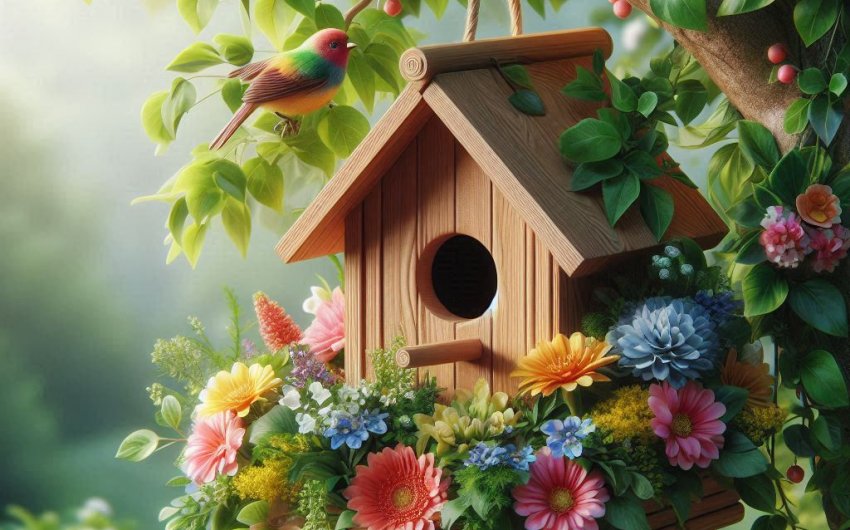
Inviting wildlife into your outdoor space can transform a simple garden into a vibrant, dynamic ecosystem. Among the most delightful visitors are birds, whose cheerful songs and busy activities bring life and charm. Providing safe and welcoming homes is an excellent way to encourage these winged creatures to frequent your yard. Moving beyond standard designs, exploring creative birdhouse ideas for your garden can add unique aesthetic appeal while offering essential shelter for feathered friends. It’s an artful way to blend functionality with personal style, enriching both your landscape and local biodiversity.
Why Are Birdhouses So Important for Your Garden?
Birdhouses are more than just charming garden decorations; they play a vital role in supporting local bird populations and enhancing your overall garden environment. Providing safe nesting and roosting spots is increasingly important as natural habitats shrink. By putting up birdhouses in your garden, you're not just adding a decorative touch, but actively contributing to wildlife conservation and enjoying a host of benefits in return.
What Benefits Do Birds Bring to Your Garden?
Attracting birds to your garden offers numerous advantages beyond their delightful presence:
- Natural Pest Control: Many common garden birds, such as wrens, chickadees, and even sparrows, are voracious insect eaters. They'll happily munch on pests like aphids, caterpillars, beetles, and slugs, helping to protect your plants naturally without the need for chemical pesticides. This is a huge benefit for organic gardeners.
- Weed Control: While less direct, some birds, like finches, consume weed seeds, helping to reduce unwanted plant growth in your garden beds.
- Pollination: Hummingbirds, while not nesting in typical birdhouses, are excellent pollinators for many flowering plants. Other birds can also assist in pollen transfer as they forage.
- Seed Dispersal: Birds often eat berries and fruits, then disperse the seeds to new areas, contributing to plant propagation and biodiversity.
- Beautiful Sounds and Sights: The chirping, singing, and vibrant colors of various bird species add an undeniable charm and lively atmosphere to your garden. Watching their nesting and feeding behaviors is a truly relaxing and rewarding experience. This contributes greatly to the appeal of garden birdhouses.
- Educational Opportunity: Birdwatching in your own backyard can be a wonderful educational experience for children and adults alike, fostering an appreciation for nature and local ecosystems.
How Do Birdhouses Support Local Bird Populations?
Birdhouses directly address key needs for birds, especially in developed areas where natural nesting sites are scarce.
- Nesting Sites: For cavity-nesting birds (those that nest in holes in trees or snags), birdhouses provide safe places to build nests, lay eggs, and raise their young. Many common garden birds like wrens, chickadees, bluebirds, and even some woodpeckers rely on such cavities.
- Shelter from Predators: A well-designed birdhouse offers protection from predators like cats, squirrels, raccoons, and larger birds of prey. The size of the entrance hole is critical for this.
- Protection from Elements: Birdhouses provide refuge from harsh weather conditions, including rain, snow, wind, and extreme heat or cold. This is particularly important during severe weather events or cold winter nights (roosting).
- Habitat Restoration: In urban and suburban areas, old trees with natural cavities are often removed for safety or landscaping. Birdhouses help to replace these lost habitats, supporting local biodiversity. They are a crucial component of a wildlife-friendly garden.
- Monitoring and Research: Well-placed birdhouses can allow bird enthusiasts and researchers to observe nesting behaviors and population trends, contributing to scientific understanding and conservation efforts.
By offering these essential elements, creative birdhouse ideas for your garden become more than just pretty objects; they are vital tools for ecological support.
What Key Features Make a Birdhouse Functional and Safe?
Before diving into the fun of creative designs, it's essential to understand the basic functional requirements of a good birdhouse. A beautiful birdhouse that isn't safe or suitable for birds won't attract any feathered friends. Focusing on these key features ensures your birdhouses in your garden are truly helpful.
Is Entrance Hole Size Crucial for Different Birds?
Yes, the size of the entrance hole is one of the most critical factors. Different bird species require different hole diameters. Getting this right is vital for attracting your target birds and deterring unwanted ones or predators.
- Why it Matters: The correct hole size allows the desired bird species to enter while preventing larger, more aggressive birds (like starlings or house sparrows) or predators from getting in.
- Examples of Hole Sizes (approximate):
- Wrens: 1 to 1.25 inches
- Chickadees, Titmice: 1.125 to 1.25 inches
- Bluebirds: 1.5 inches (round or oval)
- House Finches, American Goldfinches: 1.5 inches
- Tree Swallows: 1.5 inches
- Small Woodpeckers (Downy): 1.25 inches
- Measuring: Always use a drill bit or a template to ensure precise hole size. If you're buying a pre-made birdhouse, check the specifications for the entrance hole. A birdhouse hole saw kit can help you get the exact size.
Having a variety of birdhouses with different hole sizes can attract a broader range of species to your wildlife-friendly garden.
Why Is Good Ventilation and Drainage Important?
Proper ventilation and drainage are essential for the health and safety of nesting birds.
- Ventilation:
- Purpose: Prevents overheating in hot weather and reduces humidity inside the nest, which can lead to mold and disease.
- How: Look for small gaps or holes near the top of the birdhouse, usually just under the eaves or in the side panels. These allow warm, moist air to escape.
- Drainage:
- Purpose: Prevents water from accumulating inside the birdhouse, which can chill eggs, drown nestlings, or encourage mold and rot.
- How: Small holes (1/4 inch or so) drilled into the bottom corners of the birdhouse floor are ideal. The floor should also be slightly recessed or have a slight slope.
A well-designed garden birdhouse will always incorporate these features.
Are Perches Necessary or Harmful?
This is a common misconception! While many commercial birdhouses include perches, they are generally not necessary and can often be harmful.
- Harmful: A perch can provide a convenient landing spot for predators (like cats or larger birds looking for eggs/nestlings) to gain leverage and reach into the nest. It also makes it easier for pest birds (like house sparrows) to dominate the birdhouse.
- Not Needed by Birds: Most cavity-nesting birds do not need a perch to enter their nest. They can cling to the roughened surface of the house or the edge of the entrance hole.
- Recommendation: If a birdhouse comes with a perch, it's often best to remove it. If building your own, simply omit the perch.
Prioritize safety over aesthetics when it comes to perches on your creative birdhouse ideas for your garden.
What About Material and Clean-out Access?
The material and ease of cleaning are also crucial for the longevity of the birdhouse and the health of its occupants.
- Material:
- Wood (untreated): The best choice. Provides good insulation, is breathable, and birds can cling to it. Cedar, redwood, and cypress are naturally rot-resistant. Pine or fir can be used if untreated.
- Avoid: Metal (gets too hot), thin plastic (lacks insulation), composite materials with chemicals, or treated/painted wood (toxic).
- Clean-out Access:
- Purpose: Allows you to easily remove old nests after breeding season (or during winter roosting if needed). Cleaning prevents disease, parasites, and ensures the house is ready for the next nesting cycle.
- How: Look for a side panel, roof, or floor that unlatches or pivots open without tools, or with a simple latch. A birdhouse with clean out will specify this feature.
A sturdy, easy-to-clean birdhouse made from natural materials will serve your feathered friends best for many seasons.
Creative Birdhouse Ideas: Beyond the Basics!
Now that you understand the functional requirements, let's explore some truly creative birdhouse ideas for your garden! These designs go beyond the standard wooden box, adding unique charm and personality to your outdoor space while still providing safe havens for birds.
Upcycling and Repurposing Old Items
Transforming everyday objects into charming birdhouses is a fantastic way to add character and practice sustainability. Remember to modify them for bird safety (drainage, ventilation, entrance hole, no perch, clean-out).
- Teapot Birdhouses: An old, sturdy teapot can make a quaint birdhouse. Drill a large entrance hole where the spout would normally be, and smaller drainage holes in the bottom. Ensure the opening is smoothed and safe. Hang it securely from the handle. A vintage teapot can find a second life.
- License Plate Roofs: For a quirky, rustic look, use old, colorful license plates as roofs for wooden birdhouses. They add a pop of color and an industrial edge. Ensure no sharp edges.
- Gourd Birdhouses: Dried gourds, especially those specifically grown for crafting, can be turned into natural-looking birdhouses. Clean them thoroughly, cut an entrance hole, add drainage, and seal the outside (non-toxic sealer) to protect from elements. A gourd birdhouse kit might be available.
- Old Boot or Kettle: For a truly unique and rustic look, an old (clean!) leather boot or a small, unused metal kettle can be adapted. This requires careful consideration of drainage, ventilation, and interior temperature (especially for metal). These are often more decorative than truly functional for nesting, or might be better for winter roosting.
- Mailbox Birdhouse: A small, decorative old mailbox can be repurposed. Securely attach it to a post, add entrance and drainage holes, and ensure it can be easily opened for cleaning.
When upcycling, always prioritize the bird's safety and well-being over purely decorative appeal. Avoid anything with toxic paints, sharp edges, or materials that would overheat.
Themed and Artistic Birdhouses
Let your imagination soar with birdhouses that tell a story or fit a specific garden theme.
- Miniature Farmhouses/Cottages: Design birdhouses that look like tiny versions of houses, complete with tiny windows (painted, not real holes), doors, and even miniature fences. This can tie into a country garden theme.
- Whimsical Fairy Houses: Incorporate natural elements like moss, bark, twigs, and pebbles to create a birdhouse that resembles a whimsical fairy dwelling.
- "Treehouse" Birdhouses: Build a multi-level birdhouse that mimics a miniature treehouse, perhaps with tiny ladders or platforms. This can be complex but visually striking.
- Painted Masterpieces: Simply take a well-constructed plain wooden birdhouse and turn it into a canvas. Paint it with vibrant colors, intricate patterns, or scenes from nature. Use non-toxic, exterior-grade paint. A plain wooden birdhouse is a blank slate.
- Mosaic Birdhouses: Cover a sturdy wooden birdhouse with broken pieces of tile, stained glass, or colorful crockery to create a beautiful mosaic effect. Ensure all edges are smooth and safe for birds.
These artistic birdhouses become focal points in your garden, attracting attention from both birds and humans.
Natural and Blending Designs
For a more subtle approach, choose designs that blend seamlessly with the natural environment.
- Hollow Log Sections: Use a hollowed-out section of a natural log. Ensure adequate entrance hole, drainage, and a secure way to hang it. The natural bark provides excellent camouflage.
- Stones and Mortar: Build a rustic birdhouse using natural stones and mortar, creating a durable and visually appealing structure that looks like it's part of the landscape. This is a more advanced DIY project.
- Basket Birdhouses: Weave a birdhouse from natural materials like willow branches or thick grapevines. This might be better suited as a roosting box than a nesting box due to less insulation, but can be charming.
- Integrated into a Trellis/Arbor: Build a birdhouse directly into the design of a garden trellis or arbor. This creates a cohesive look and offers additional climbing surfaces for plants.
These designs prioritize a natural aesthetic, allowing the birdhouse to enhance the garden's organic feel.
Unique Hanging and Mounting Ideas
Even the way you present your birdhouse can be creative!
- Swinging Basket Mounts: Instead of a static pole, hang your birdhouse from a sturdy metal basket or ring, allowing it to gently swing in the breeze.
- Multi-House Posts: Create a "bird apartment complex" by mounting several birdhouses of varying designs and hole sizes on a single, tall post. Space them far enough apart to reduce inter-species conflict.
- On a Shepherd's Hook: A classic and easy way to display a birdhouse. Look for a sturdy heavy duty shepherd's hook that can withstand wind and weight.
- Hidden in Foliage: For a truly natural look, strategically place birdhouses within dense foliage or climbing vines (ensuring the entrance isn't blocked), allowing them to peek out subtly.
Remember, no matter how creative the design, always ensure the chosen location is safe from predators and provides the ideal environment for nesting.
Where and How to Place Your Birdhouses for Success?
Even the most thoughtfully designed and beautifully crafted birdhouses in your garden won't attract feathered friends if they're not placed correctly. Location, mounting technique, and surrounding environment play crucial roles in inviting birds to take up residence. This is as important as the design itself in making your creative birdhouse ideas for your garden truly successful.
What is the Ideal Location for a Birdhouse?
Choosing the right spot is paramount for bird safety and comfort.
- Height Matters:
- Small Birds (Wrens, Chickadees): 5-15 feet high is generally good.
- Bluebirds: 4-6 feet high.
- Tree Swallows: 5-10 feet high.
- Higher placement can deter ground predators, but too high makes observation and cleaning difficult.
- Proximity to Predators:
- Away from Shrubs/Branches: Do not place birdhouses where tree branches or shrubs are close enough for cats, squirrels, or raccoons to jump onto the birdhouse. Maintain at least 10 feet of clear space around the birdhouse.
- Baffles: Use predator baffles on poles, such as a squirrel baffle for bird feeder pole, to prevent climbing predators.
- Sunlight and Shade:
- Partial Sun is Best: Ideally, place birdhouses where they receive morning sun but are shaded from the intense afternoon sun. This prevents overheating.
- Avoid Full Sun: South-facing locations can become dangerously hot, especially for dark-colored birdhouses.
- Avoid Full Shade: Can lead to dampness, mold, and fewer visits.
- Proximity to Food and Water: While not directly next to feeders (which can attract larger birds or predators), having a bird bath or a bird feeder within a reasonable distance (20-30 feet away) can encourage birds to stay in your yard. A bird bath for garden is a great addition.
- Direction of Entrance Hole: Face the entrance hole away from prevailing winds (often north or east, depending on your location) to prevent rain and cold drafts from entering the nest.
- Spacing: If you plan to put up multiple birdhouses, space them appropriately. Some species (like bluebirds) are territorial and need more space (100-300 feet apart), while others (like wrens) can tolerate closer neighbors.
What Are the Best Mounting Techniques?
How you mount your birdhouse impacts its stability and protection.
- Poles: The most common and often safest method. Use sturdy metal poles (like galvanized steel) or durable wooden posts.
- Anti-Climb: Install a predator baffle around the pole to deter squirrels and raccoons.
- Stable: Ensure the pole is securely anchored in the ground so it doesn't wobble in the wind.
- Trees: While natural, mounting directly on trees can present challenges.
- Avoid Nails: Never use nails or screws that go deep into the tree, as this can harm the tree's growth. Use a lag screw with a washer or a specially designed tree mounting kit that allows for tree growth.
- Clearance: Ensure no branches are close enough for predators to access the birdhouse.
- Bark Damage: Avoid strapping too tightly, which can girdle the tree.
- Fences/Walls: Less ideal as they often offer easier access for predators. If you must use a fence, choose one far from human activity and consider adding predator guards.
- Secure Attachment: Whatever method you use, ensure the birdhouse is mounted securely and will not fall down in strong winds or when a bird enters or exits. Use rust-resistant hardware.
How Can You Create a Bird-Friendly Environment Around the House?
Your birdhouse is just one part of a larger bird-friendly habitat.
- Native Plants: Plant native trees, shrubs, and flowers. These provide natural food sources (berries, seeds, nectar, insects) and additional shelter, making your garden more appealing.
- Water Source: A clean, fresh water source (like a bird bath) is just as important as food and shelter.
- Minimize Pesticides: Avoid using chemical pesticides, which can harm birds directly or indirectly by reducing their food sources (insects).
- Offer Natural Nesting Materials: Leave out natural fibers like cotton string, pet fur (untreated), small twigs, or dryer lint (chemical-free) in a mesh bag for birds to use.
- Consider Bird Feeders: While separate from nesting areas, bird feeders can attract birds to your yard, increasing the chances they'll notice your birdhouses.
- Cat Safety: If you have outdoor cats, consider bells on collars or, ideally, keep them indoors, especially during nesting season. This is crucial for the safety of backyard birds.
By combining well-designed creative birdhouse ideas for your garden with thoughtful placement and a holistic approach to habitat creation, you'll provide inviting and safe homes for a variety of beautiful feathered friends.