
Twirling Wonders: Wind Spinner Inspiration for Your Garden
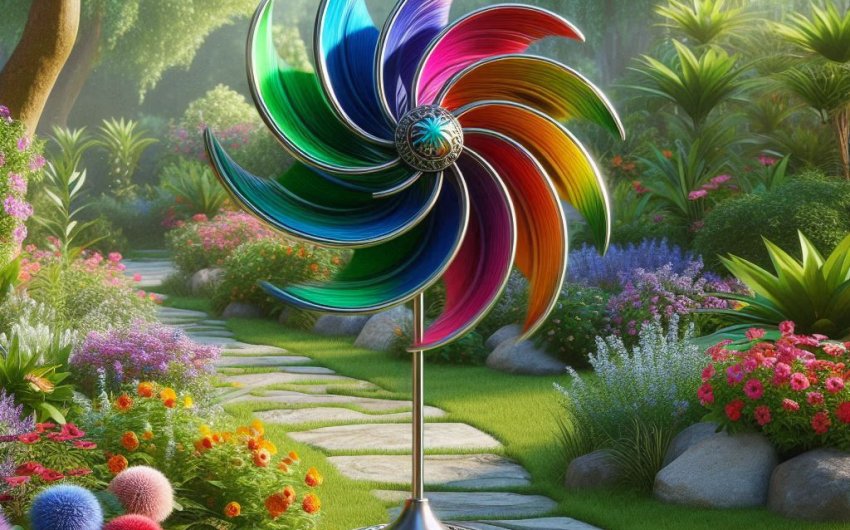
Gardens are dynamic spaces, alive with the movement of plants, the buzz of insects, and the gentle whisper of the wind. To truly capture this natural dynamism and add an extra layer of visual delight, many gardeners turn to kinetic art. Among the most popular and captivating forms are wind spinners, which transform unseen breezes into mesmerizing dances of color and light. Exploring wind spinner inspiration for your garden offers a fantastic way to introduce unique motion, sparkling reflections, and a focal point that changes with every gust. From subtle shimmers to bold, twirling wonders, these pieces can elevate your outdoor aesthetic and bring a sense of playful energy to any landscape.
Why Add Wind Spinners to Your Garden?
Wind spinners are more than just pretty garden ornaments; they are dynamic elements that engage the senses and add an interactive dimension to your outdoor space. They capture the invisible force of the wind and turn it into visible art, creating movement, sound, and reflection. Incorporating garden wind spinners can transform a static landscape into a lively, engaging environment.
What Benefits Do Wind Spinners Offer Your Garden?
The advantages of integrating wind spinners into your garden decor are numerous:
- Dynamic Visual Interest: Unlike static garden decor, wind spinners are constantly in motion, creating an ever-changing display of light and form. This continuous movement catches the eye and adds a captivating focal point to any garden bed, patio, or lawn. They bring life to a calm day and excitement to a breezy one.
- Catch the Light: Many wind spinners are made from reflective metals (like stainless steel, copper) or have mirrored surfaces that brilliantly catch and refract sunlight. This creates dazzling patterns of light that dance across your garden, adding sparkle and a magical quality, especially on sunny days. A stainless steel wind spinner is known for this effect.
- Sound (Subtle): While not all wind spinners create significant sound, some designs, particularly those with interlocking parts or chimes, can produce a gentle, soothing metallic hum or soft clinking as they spin. This can add an auditory layer of tranquility to your garden.
- Directional Indicator: A wind spinner can subtly indicate wind direction and strength, providing a practical, albeit decorative, weather vane.
- Deterring Pests (Mildly): The unexpected movement and flashes of light from a wind spinner can sometimes deter certain garden pests, like birds (that might eat berries or seeds) or small rodents, though this effect is often limited and not its primary purpose.
- Year-Round Interest: Unlike seasonal flowers or plants, wind spinners provide visual interest throughout the year, even in winter when plants are dormant. Their metallic or painted surfaces can stand out against a snowy landscape.
- Personal Expression: With a vast array of designs, colors, and materials available, wind spinners allow you to express your personal style and enhance your garden's aesthetic, whether it's modern, whimsical, rustic, or abstract.
Are There Different Types of Wind Spinners?
Yes, the term wind spinner encompasses a variety of designs and mechanisms, each offering a unique visual effect.
- Vertical Axis Spinners (Pinwheels): These are the most common type, where the spinning mechanism rotates around a vertical pole. They often feature multiple blades or panels that catch the wind. They can range from simple children's pinwheels to elaborate, multi-layered metal sculptures.
- Horizontal Axis Spinners (Wind Vanes/Propellers): Less common for purely decorative purposes, these are more like traditional windmills or wind vanes, where blades spin on a horizontal axle.
- Kinetic Wind Sculptures: These are often larger, more complex art pieces that feature multiple rotating elements, sometimes spinning independently or in opposing directions, creating intricate, mesmerizing patterns. They often use high-quality bearings for smooth, continuous motion. A large kinetic wind sculpture is a true statement piece.
- Hanging Spinners/Wind Twisters: These are typically smaller, spiral-shaped pieces (often made of metal or crystal) that hang and twist in the breeze, reflecting light as they turn. They are frequently used with a battery-operated motor for indoor display or in very calm outdoor areas.
- Globe/Ball Spinners: Some designs incorporate a glass globe or metal sphere in the center that appears to "float" or change patterns as the surrounding blades spin.
Each type of wind spinner interacts with the wind and light in distinct ways, offering a broad spectrum of choices for your garden decor.
What Factors Should You Consider When Choosing Wind Spinners?
Selecting the perfect wind spinner for your garden involves more than just picking a design you like. To ensure longevity, optimal performance, and aesthetic harmony, you need to consider material, size, durability, and how it will interact with your existing garden features.
What Materials Are Best for Outdoor Durability?
The material of your wind spinner is crucial for its ability to withstand outdoor elements and maintain its appearance over time.
- Stainless Steel: This is an excellent choice for durable outdoor wind spinners. It is highly resistant to rust and corrosion, even in harsh weather conditions. Stainless steel often has a beautiful polished or brushed finish that catches light brilliantly. It's a premium material that ensures longevity. A good stainless steel outdoor spinner will last many years.
- Copper: Copper develops a beautiful green-blue patina over time (verdigris), which many people find appealing. It is durable and corrosion-resistant. Solid copper spinners can be more expensive but offer a unique, classic aesthetic.
- Powder-Coated Metal (Steel/Aluminum): Steel or aluminum wind spinners are often powder-coated for protection and color. Powder coating is a durable finish that resists chipping, scratching, and fading. This allows for a wide range of vibrant colors and designs. Ensure the coating is of high quality to prevent rust if the base metal is steel.
- UV-Resistant Plastics/Acrylic: While less common for large, freestanding spinners, some hanging or smaller designs might use durable, UV-resistant plastics or acrylics. These can offer vibrant colors and are lightweight, but may not have the same longevity or visual impact as metal.
- Fiberglass: Some large, abstract kinetic sculptures may incorporate fiberglass elements for lightweight strength.
- Avoid: Thin, untreated metals (like plain steel that will rust quickly and profusely), non-UV-resistant plastics that will fade and crack, or materials that are too lightweight to spin effectively in moderate wind.
Invest in quality materials if you want your garden wind spinner to be a long-lasting feature.
How Does Size and Scale Affect Visual Impact?
The size of your wind spinner should be proportionate to the size of your garden and the space where it will be placed.
- Small Gardens/Pots: For container gardens, small patios, or within dense flower beds, smaller wind spinners (12-24 inches in diameter) are appropriate. They add a subtle accent without overwhelming the space.
- Medium-Sized Gardens: Most standard garden wind spinners range from 24-48 inches in diameter. These make excellent focal points in a border or near a seating area without dominating the entire landscape.
- Large Landscapes/Open Spaces: For expansive lawns, large garden rooms, or commercial settings, large kinetic sculptures (4-8 feet tall and wide or more) can be incredibly impactful. They become major art installations that command attention.
- Height: Consider the overall height of the spinner on its pole. A spinner should generally be tall enough to catch the wind above surrounding plants but not so tall that it looks out of proportion or becomes unstable. Most stand 6-8 feet tall.
Always consider the scale and how the wind spinner will look from different viewing angles in your garden.
What About Bearings and Wind Resistance?
The quality of the internal mechanism directly affects how well and how smoothly your wind spinner will turn.
- Bearings: High-quality wind spinners use sealed ball bearings that allow for smooth, frictionless rotation, even in light breezes. Poor quality bearings can cause the spinner to seize up, wobble, or only move in strong winds. This is a key indicator of a good outdoor kinetic sculpture.
- Wind Resistance:
- Light Breeze Action: A good wind spinner should be designed to catch even a light breeze and start spinning. This means having well-balanced blades and efficient aerodynamics.
- Withstanding Strong Winds: It should also be robust enough to withstand strong winds without bending, breaking, or becoming a hazard. Heavy-duty materials and a strong mounting pole are crucial. Some designs are specifically engineered to handle high winds.
- Balance: A well-balanced wind spinner will spin smoothly and evenly. An unbalanced one might wobble or look lopsided as it turns.
Reading reviews about a spinner's performance in various wind conditions can be very helpful.
Do You Need a Specific Style or Theme?
While optional, choosing a wind spinner that complements your garden's overall aesthetic can create a more cohesive and harmonious look.
- Modern/Abstract: Geometric shapes, clean lines, and polished metals (stainless steel) fit contemporary gardens.
- Whimsical/Playful: Bright colors, animal shapes, or quirky designs are perfect for informal or family-friendly gardens.
- Nature-Inspired: Designs resembling flowers, leaves, birds, or natural patterns blend seamlessly with a botanical theme. Look for a flower-shaped wind spinner.
- Rustic/Farmhouse: Spinners with distressed finishes, earthy tones, or simpler, utilitarian designs (like old farm equipment motifs) complement a rustic aesthetic.
- Zen/Calm: Subtler designs, perhaps with gentle sounds, in muted colors or natural metal finishes, enhance a peaceful garden space.
Consider the existing colors, textures, and themes in your garden when selecting your wind spinner inspiration.
Creative Wind Spinner Ideas for Your Garden Layout
Integrating wind spinners into your garden isn't just about sticking them anywhere. Strategic placement can maximize their visual impact, draw the eye, and enhance different areas of your outdoor living space. These creative garden decor ideas can truly bring your landscape to life.
How Can You Create a Focal Point?
A well-placed wind spinner can instantly become the star of your garden.
- Center of a Garden Bed: Place a medium-to-large wind spinner in the center of a circular or prominent flower bed. The flowers can act as a colorful border to frame its movement. This makes it a striking centerpiece.
- At the End of a Path: Position a spinner at the terminus of a garden path or walkway. As you approach, its movement draws you forward, creating a delightful reveal.
- Near a Seating Area: Place a wind spinner within view of your patio, deck, or outdoor seating area. This allows you to enjoy its mesmerizing motion while relaxing. Just ensure it's not so large or noisy that it becomes distracting.
- Against a Neutral Backdrop: A plain fence, wall, or a hedge of solid green shrubs can provide a perfect, uncluttered backdrop that allows a colorful or intricately designed wind spinner to truly pop and showcase its movement.
- Lighting for Night Views: Consider solar-powered wind spinners or placing a solar spot light to illuminate the spinner at night. This extends its visual appeal into the evening hours, creating a magical effect as it spins in the dark.
Thoughtful placement turns a simple ornament into an eye-catching work of art.
How Can You Add Movement to Specific Garden Zones?
Beyond focal points, wind spinners can bring subtle, dynamic life to various nooks and crannies of your garden.
- Among Tall Grasses/Perennials: Taller, more slender wind spinners can be tucked into drifts of ornamental grasses or tall perennials. As the plants sway, the spinner adds another layer of subtle motion and texture.
- Container Gardens: Smaller, more compact wind spinners can be added directly into large container groupings, bringing vertical interest and movement to your potted displays on a patio or balcony.
- Alongside Water Features: The combination of water (sound, reflection) and a wind spinner's movement can be incredibly tranquil. Place a spinner near a pond or fountain to amplify the sensory experience.
- In a Rock Garden: A metal wind spinner can provide a striking contrast to the static, earthy elements of a rock garden, adding an unexpected dynamic element.
- Vertical Gardens/Walls: For vertical gardens or blank walls, hanging wind spinners or smaller, wall-mounted kinetic pieces can add movement and reflection where plants might not thrive.
Think about how the spinner's movement complements or contrasts with the surrounding plants and hardscaping.
How Can You Create a Themed Display?
Use wind spinners to enhance a specific theme or create a cohesive aesthetic in your garden.
- Color Theme: Choose spinners that match or complement your garden's existing color scheme. For example, a blue and silver spinner for a "cool" colored garden, or warm-toned metals for a rustic, autumnal feel.
- Nature Theme: Incorporate spinners with natural motifs like leaves, flowers, birds, or abstract forms that evoke natural elements. These blend seamlessly with the garden's organic design.
- Whimsical/Playful Theme: For a fun garden, select spinners with playful animal shapes, bright colors, or quirky designs. Pair them with other whimsical garden elements like gnomes or colorful stepping stones.
- Zen/Meditative Garden: Opt for simpler, more abstract designs, perhaps in muted metallic tones, that spin smoothly and quietly. Place them in a quiet corner with a bench for contemplation. A meditation garden wind spinner can enhance the calming atmosphere.
- Coastal Theme: Spinners with a weathered, galvanized look or designs reminiscent of nautical elements can perfectly complement a coastal-inspired garden.
A well-chosen wind spinner becomes an integral part of your garden's narrative.
Tips for Installation and Maintenance
Proper installation and a bit of care will ensure your wind spinners perform beautifully for years.
- Stable Mounting: Ensure the mounting pole or hook is securely anchored. For ground-mounted spinners, the pole should be buried deep enough to provide stability against strong winds.
- Clearance: Make sure the spinner has enough clearance from surrounding plants, walls, or other objects so it can spin freely without obstruction.
- Lubrication: Periodically (once a year or as needed), apply a silicone-based lubricant or a light oil (like mineral oil) to the bearings or moving parts. This helps maintain smooth, quiet operation. A silicone lubricant spray is ideal.
- Cleaning: Gently clean the surfaces of your wind spinner as needed to remove dust, dirt, or environmental buildup. Use a soft cloth and mild soap and water. Avoid abrasive cleaners that could damage finishes.
- Winterizing (Optional): In areas with very harsh winters (heavy ice, prolonged deep snow), you might consider bringing more delicate or valued wind spinners indoors to protect them, though many high-quality stainless steel ones are designed to be year-round.
By adding these twirling wonders to your landscape, you'll infuse your outdoor space with continuous motion, sparkling light, and a captivating artistry that makes your garden truly unique and dynamic.