
What Garden Furniture is Best for Butterfly and Pollinator-Friendly Gardens?
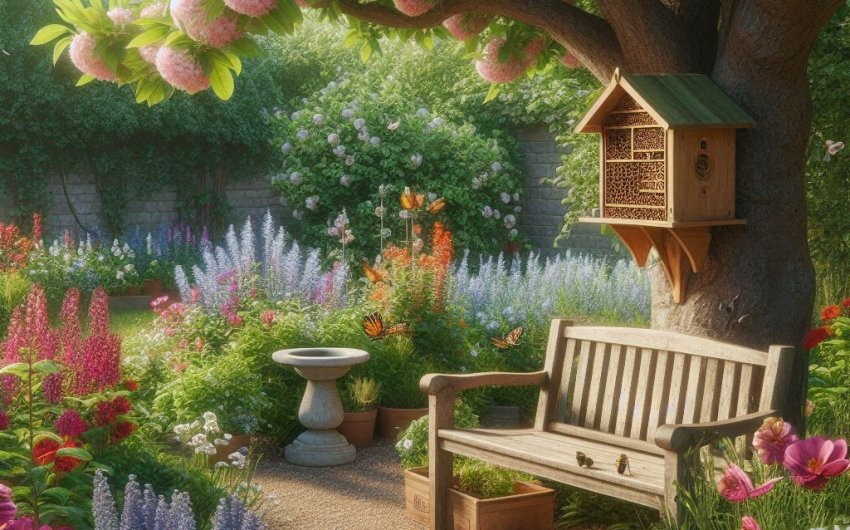
Creating a vibrant haven for beneficial insects is a deeply rewarding endeavor for any gardener, and the design of your outdoor living space can seamlessly support this goal. When selecting garden furniture for butterfly and pollinator-friendly gardens, the focus shifts beyond mere aesthetics to include materials, placement, and complementary features that cater to the needs of these essential creatures. Thoughtful choices ensure your patio or seating area enhances the ecosystem you're cultivating, allowing you to relax amidst the buzzing and fluttering of your thriving natural sanctuary.
Why is Garden Furniture Important in a Pollinator-Friendly Garden?
While the core of a pollinator-friendly garden lies in its plants, the garden furniture you choose and how you arrange it plays a subtle yet significant role. It affects not only your enjoyment of the space but also how well it serves as a habitat for butterflies, bees, and other vital insects.
How Does Furniture Choice Impact Pollinators?
The choices you make for your garden furniture can subtly impact the success of your pollinator-friendly garden in several ways:
- Material Safety: The materials your furniture is made from, and especially any treatments applied to them, can affect pollinators. Furniture treated with harsh chemicals, strong pesticides (often used to prevent wood rot or insect infestation in furniture), or paints with high VOCs (volatile organic compounds) could potentially harm sensitive insects if they come into contact with the surfaces. Opting for natural, untreated, or eco-friendly materials is safer.
- Placement and Accessibility: Where you place your furniture matters. If it's too dense or covers large areas of planting space, it can reduce available habitat. Conversely, strategically placed benches or tables near pollinator-attracting plants allow you to observe them up close without disturbing them. Open designs also allow more light and air to reach plants.
- Reflective Surfaces: Highly reflective surfaces, like polished metal or glass tabletops, can sometimes create glare that might disorient or overheat pollinators, especially on very sunny days. Matte finishes or natural materials are generally less problematic.
- Creating Shelter/Resting Spots: Certain furniture elements can inadvertently provide small resting spots or shelter for pollinators. Rough wooden surfaces, stone benches, or even decorative elements can offer a place for a butterfly to sun itself or a bee to rest briefly.
- Integration with Planters: Furniture designed with integrated planters, or placed to support nearby container gardens, directly increases the planting space available for pollinator-friendly flowers, even in paved areas.
Ultimately, choosing furniture that is safe, minimally intrusive, and thoughtfully integrated into your garden design helps ensure your human comfort doesn't come at the expense of your garden's winged inhabitants.
What are Key Considerations for Furniture in a Wildlife Garden?
Beyond pollinator impact, when selecting garden furniture for a wildlife garden, think about features that support the broader ecosystem:
- Non-Toxic Materials: Prioritize materials that are natural, untreated, or have low environmental impact. Avoid pressure-treated wood with older chemicals (CCA), opt for naturally rot-resistant woods, or choose recycled plastics. Paints and sealants should be low-VOC and ideally non-toxic once cured.
- Durability and Longevity: Investing in durable furniture (like Polywood Adirondack Chairs) means less waste over time. Robust materials like recycled plastic lumber, wrought iron, or high-quality teak will last for many years, reducing the need for replacements and minimizing your environmental footprint.
- Low Maintenance: Choose furniture that doesn't require frequent chemical cleaning or sealing with potentially harmful products. Materials that can be simply wiped down with water and mild soap are ideal.
- Permeability and Drainage: Hard surfaces like large, solid concrete patios can increase heat and stormwater runoff. Consider permeable paving options for pathways or prioritize furniture that allows water to drain through easily.
- Integrated Elements: Look for opportunities to integrate features that directly benefit wildlife. This could include furniture with built-in planters for nectar plants, or placing a bird bath (like a Evergreen Garden Bird Bath) or butterfly puddler (a shallow dish with wet sand) near a seating area.
- Blending with Nature: Furniture that blends seamlessly with the natural environment, using earthy tones or natural textures, can make your garden feel more integrated and wild, rather than a stark artificial imposition.
By keeping these broad wildlife-friendly principles in mind, your garden furniture becomes a supportive element in your garden's ecological function.
What Are the Best Materials for Pollinator-Friendly Garden Furniture?
The choice of material for your garden furniture is paramount in a pollinator-friendly garden. Some materials are inherently more eco-friendly and safer for insects than others.
Why is Recycled Plastic Lumber a Top Choice?
Recycled plastic lumber (often made from HDPE - high-density polyethylene, like that used in milk jugs) is an increasingly popular and excellent choice for pollinator-friendly garden furniture.
Pros:
- Eco-Friendly: Made from recycled materials, diverting plastic from landfills.
- Highly Durable: Extremely long-lasting; resistant to rot, splintering, cracking, fading, and insect damage. It will not absorb moisture.
- Low Maintenance: Requires virtually no maintenance beyond occasional cleaning with soap and water. No painting, staining, or sealing needed, meaning no potentially harmful chemicals are introduced.
- No Leaching: Unlike some treated woods, it does not leach chemicals into the soil or surrounding environment.
- Insect-Proof: Impervious to pests like termites.
- Wide Color Range: Available in many colors, often mimicking natural wood tones, without needing paint.
Cons:
- Higher Upfront Cost: Can be more expensive than some other materials.
- Weight: Can be heavy, making it less portable.
- Not a Natural Look: While it can mimic wood, it still has a more uniform, often plastic-like appearance that some gardeners might not prefer over natural wood.
Best For: Any pollinator-friendly garden where durability, low maintenance, and environmental safety are top priorities. Look for brands like Polywood for high-quality recycled plastic furniture (e.g., Polywood Adirondack Chairs).
How Do Natural, Untreated Woods Compare?
Natural, untreated woods like teak, cedar, and acacia are excellent choices for their aesthetic appeal and inherent resistance to the elements, making them suitable for pollinator-friendly gardens.
Pros:
- Natural Aesthetics: Beautiful, organic look that blends seamlessly with a garden environment.
- Eco-Friendly (if responsibly sourced): Renewable resource. Look for FSC-certified wood to ensure it's from sustainably managed forests.
- Inherently Durable: Woods like teak (e.g., AquaTeak Kai 18-Inch Teak Stool) are rich in natural oils, making them highly resistant to rot, decay, and insect damage without chemical treatments. Cedar is also naturally resistant.
- Comfortable: Does not get excessively hot in the sun.
- Patina: Develops a beautiful silvery-grey patina over time if left untreated, adding character.
Cons:
- Maintenance (for color): If you want to maintain the original golden color of teak, it requires periodic oiling. Left untreated, it will weather to gray.
- Cost: High-quality teak can be expensive.
- Potential for Splintering: Over time, some woods may splinter if not well-maintained or if they are lower quality.
- Not All Wood is Equal: Avoid woods not naturally resistant to rot or insects unless they are sustainably sourced and sealed with non-toxic, outdoor-safe sealants. Avoid older pressure-treated wood (CCA).
Best For: Gardeners who prefer a classic, natural aesthetic and are willing to perform minimal maintenance (or embrace the weathered look).
What About Wrought Iron and Aluminum?
Metals like wrought iron and aluminum can be good choices for garden furniture due to their durability, though their impact on a pollinator-friendly garden might be more neutral than beneficial.
Wrought Iron:
- Pros: Extremely heavy and sturdy, won't blow over in high winds. Offers a classic, elegant, or rustic aesthetic. Can last for decades with proper care.
- Cons: Very heavy to move. Prone to rust if the protective coating is chipped or not maintained. Requires regular painting/sealing to prevent rust, which means using outdoor-grade, low-VOC paints.
- Best For: Permanent, sturdy seating areas where weight and classic design are desired.
Aluminum:
- Pros: Lightweight and easy to move. Highly rust-resistant, making it ideal for wet climates. Can be designed in modern or traditional styles. Often powder-coated for added durability and color (e.g., Christopher Knight Home Cane Aluminum Dining Chairs).
- Cons: Can be blown around in strong winds if not heavy enough. Some cheaper aluminum furniture can be flimsy. Can get hot in direct sun if not painted or if it has a dark finish.
- Best For: Flexible seating arrangements, areas prone to high humidity/rain, or where lighter furniture is preferred.
Pollinator Consideration for Metals: Both metals are generally inert and won't directly harm pollinators. The main concern is ensuring any paints or coatings used are durable and non-toxic once cured. Highly reflective surfaces could create glare, so matte finishes are preferable.
What Are the Best Furniture Types for Pollinator Gardens?
Beyond materials, the type of garden furniture you choose can also impact how you interact with your pollinators and how well the furniture integrates into the garden's ecosystem.
Why Are Benches and Chairs a Good Choice?
Benches and chairs are fundamental for any seating area, and they are excellent for pollinator-friendly gardens as they allow you to sit comfortably and observe the buzzing activity up close without disturbing it.
- Observation Points: Place benches or chairs near your most active pollinator plants. This provides a front-row seat to watch bees gather nectar, butterflies flutter, and hummingbirds feed. Observing nature can be a deeply calming and educational experience.
- Unobtrusive Design: Choose benches or chairs with open designs, such as slatted seats or minimal solid surfaces, to allow more sunlight to reach plants underneath or around them. Avoid overly bulky furniture that could shade out significant planting areas.
- Natural Materials: Opt for benches made from untreated wood, recycled plastic, or stone. These materials blend naturally with the garden environment and are safer for insects. A simple wooden bench (like a Best Choice Products Wooden Garden Bench) can be a perfect fit.
- Consider Comfort: While functionality is key, don't forget comfort. Cushions made from outdoor-grade, mold-resistant fabric (like Sunbrella Fabric) will enhance your enjoyment of the space.
What About Tables and Dining Sets?
Tables and dining sets allow you to enjoy meals or drinks al fresco amidst your vibrant pollinator garden.
- Placement: Position dining sets where they can be enjoyed without being directly swarmed by busy pollinators. A slight distance from the most heavily-visited flowers is often wise. However, still close enough to appreciate the activity.
- Surface Material: Opt for table surfaces that are easy to clean and not excessively reflective. Glass-topped tables can create glare; if you have one, consider a table runner or tablecloth during peak sun. Recycled plastic, wood, or matte metal tables are good alternatives.
- Umbrellas and Shade: An outdoor umbrella (like a Sunnydaze Outdoor Patio Umbrella) over your dining set provides comfort for you and can also offer a bit of dappled shade for any nearby plants that might appreciate it, or a cool-down spot for busy insects.
- No Pesticides: When cleaning your dining set, use only water and mild soap. Never spray pesticides on or near your dining area, as residue can be transferred to food or attract pollinators.
How Can Benches with Integrated Planters Enhance the Space?
Benches with integrated planters are a fantastic choice for pollinator-friendly gardens as they cleverly combine seating with additional planting space, maximizing functionality in smaller areas.
Benefits:
- Maximizes Planting Area: Even if your patio is mostly hardscaped, these benches add immediate space for pollinator-attracting flowers without needing separate pots.
- Brings Pollinators Closer: You can plant nectar-rich flowers directly into the integrated planters, bringing the butterflies and bees right to your seating area for close-up observation.
- Aesthetic Appeal: These pieces can be very attractive, creating a seamless transition between the furniture and the plants.
- Defined Space: They can help define a seating area within a larger garden, creating a cozy nook.
Considerations:
- Drainage: Ensure the integrated planters have proper drainage holes to prevent waterlogging for the plants.
- Sunlight: Choose plants for the planters that match the sun exposure of the bench's location.
- Material: Opt for benches made from recycled plastic lumber or durable, untreated wood for longevity and safety.
A bench with integrated planters is a smart, multi-functional addition to any pollinator-friendly garden.
What Other Garden Furniture Elements Support Pollinators?
Beyond core seating, other garden furniture and decorative elements can directly support pollinators and enhance your experience in observing them.
What is the Purpose of Bird Baths and Butterfly Puddlers?
While not furniture in the traditional sense, bird baths and butterfly puddlers are essential accessories that complement your seating areas in a pollinator-friendly garden, providing vital water sources.
Bird Baths:
- Purpose: Provide fresh water for birds to drink and bathe. While not directly for pollinators, birds are also part of the garden ecosystem and can help with pest control.
- Design: Choose a bird bath with a shallow basin (1-2 inches deep) as birds prefer shallow water. A textured surface provides better grip.
- Placement: Place it near your seating area so you can observe visitors. Keep it clean by scrubbing and refilling frequently to prevent algae and mosquito larvae. A good option is a Sunnydaze Bird Bath.
Butterfly Puddlers:
- Purpose: Butterflies don't just drink nectar; they also need water and dissolved minerals, which they often obtain from damp soil or puddles. A puddler mimics these natural sources.
- Design: Use a shallow dish or saucer. Fill it with sand and add a small amount of water to keep the sand perpetually damp, not submerged. You can also add a few flat rocks or pebbles for butterflies to rest on. Add a pinch of sea salt or aged compost to the sand to provide minerals.
- Placement: Place it on the ground or a low pedestal near your pollinator-attracting flowers and your seating area.
Both bird baths and butterfly puddlers are simple yet effective additions that draw more wildlife to your garden and enhance the viewing experience from your garden furniture.
How Can Decorative Planters and Urns Be Utilized?
Decorative planters and urns are excellent for pollinator-friendly gardens because they allow you to add layers of pollinator-attracting plants in areas where you might not have in-ground beds, such as patios, decks, or near your furniture.
- Strategic Placement: Arrange planters around your seating area, along pathways, or near your outdoor dining table. This brings the vibrant blooms and the buzzing activity right up close for you to enjoy.
- Continuous Bloom: Use planters to provide continuous seasonal color. Swap out spring bulbs for summer annuals, then for fall mums, ensuring there's always something in bloom to attract pollinators.
- Variety of Heights and Textures: Use different sizes and styles of planters (like Garden Planters by Keter) to create visual interest. Combine tall thrillers, bushy fillers, and cascading spillers in each pot to maximize bloom density.
- Choose Pollinator-Friendly Plants: Fill your planters with a variety of nectar-rich flowers. Good choices include zinnias, coneflowers, salvia, pentas, petunias, lantana, and cosmos. Include herbs like basil, thyme, and oregano, which also have flowers that attract pollinators.
- Water Source: Place a small, shallow dish of water with pebbles inside one of your planters or on your table for bees to safely drink.
Planters are incredibly flexible, allowing you to fine-tune your pollinator display and easily adjust it to changing light conditions or seasonal preferences.
What About Trellises and Arbors with Climbing Plants?
While not strictly furniture, trellises and arbors often accompany seating areas and provide excellent vertical planting opportunities, making them valuable additions to a pollinator-friendly garden.
- Vertical Habitat: They allow you to grow climbing, pollinator-friendly plants like honeysuckle, passionflower, or climbing roses, maximizing bloom space in small areas and attracting pollinators at different heights.
- Shade and Shelter: An arbor covered with dense vines can provide welcome shade over a bench or small table, making your seating area more comfortable for you and offering sheltered spots for pollinators to rest or escape harsh sun.
- Aesthetic Appeal: Trellises and arbors add structural beauty and a sense of enclosure or transition within your garden. A classic wooden arbor (like a Yard Elements Wooden Arbor) can enhance the overall design.
- Flowering Walls: A simple trellis attached to a fence or wall can become a vibrant "flowering wall" covered in pollinator magnets, adding a stunning backdrop to your outdoor living space.
Ensure any wooden trellises or arbors are made from untreated wood or safely sealed, and that any metal ones don't have sharp edges that could harm insects. These vertical structures add dimension and functionality, increasing the biodiversity and beauty of your garden.