
How Do I Select Heat-Resistant Furniture for Sun-Exposed Patios?
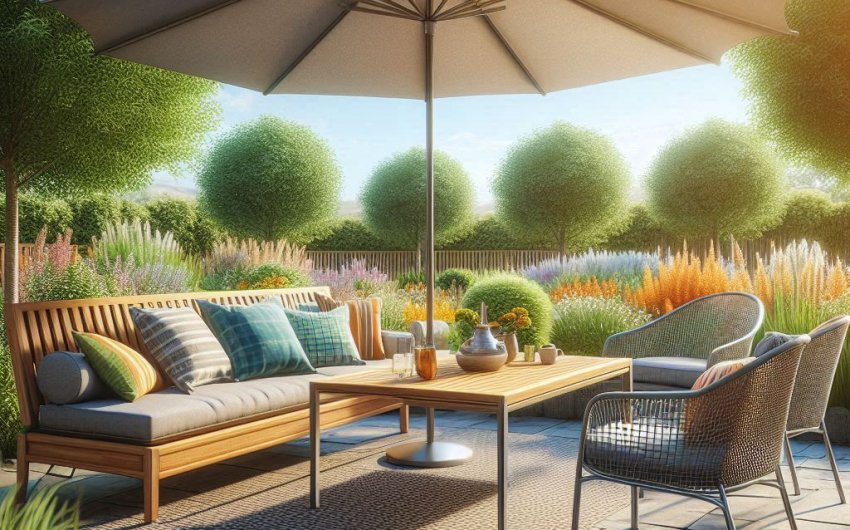
Picture this: a bright, sunny afternoon, perfect for lounging outdoors, but your patio furniture is scalding hot, the colors faded, and the material brittle from constant exposure. If your patio basks in direct sunlight for most of the day, you know this struggle well. It's a common challenge for homeowners looking to create a comfortable and inviting outdoor living space that can truly withstand the elements. Choosing the right furniture isn't just about style; it's about durability, longevity, and ensuring your investment remains enjoyable season after season.
Selecting heat-resistant furniture for sun-exposed patios means looking beyond the aesthetics and diving into the materials, finishes, and construction that can endure intense UV rays and high temperatures without quickly degrading. The sun's relentless energy can fade fabrics, warp plastics, crack wood, and make metal uncomfortably hot to the touch. Knowing which materials are up to the task will save you time, money, and disappointment in the long run.
This comprehensive guide will walk you through the best material choices, design considerations, and maintenance tips to help you furnish your sun-drenched patio with pieces that remain cool, comfortable, and vibrant. We'll explore the pros and cons of various outdoor furniture materials, from resilient metals to innovative synthetics, ensuring you can make an informed decision that transforms your sunny patio into a true oasis, ready for relaxation and entertainment, no matter how high the mercury climbs.
Why Does Heat and Sun Damage Patio Furniture?
The sun's powerful rays and high temperatures can be really tough on outdoor furniture. It's like leaving anything outside in direct sunlight for a long time – it just starts to break down. Understanding how this happens helps you pick the right furniture that will last.
The Problem with UV Rays
UV rays (ultraviolet rays) are invisible light rays from the sun. They are what give you a sunburn, and they do a lot of damage to furniture too.
- Fading: UV rays break down the dyes and pigments in fabrics and finishes. This is why a brightly colored cushion can turn dull and faded after just one summer. It's like leaving a colorful drawing out in the sun – it slowly loses its vibrancy.
- Brittleness: Plastics, resins, and even some natural fibers like wicker can become brittle and weak from UV exposure. They lose their flexibility and can crack or break easily.
- Degradation of Materials: Over time, UV rays can actually change the chemical structure of materials, weakening them at a molecular level. This leads to them falling apart faster.
The Problem with High Temperatures
Heat itself also plays a big role in damaging patio furniture.
- Warping and Cracking: Extreme heat can cause materials like wood and some plastics to expand and contract. This constant movement can lead to warping, cracking, or splitting.
- Melting and Softening: Some lower-quality plastics or finishes can soften or even melt in very high temperatures, especially dark-colored ones that absorb more heat.
- Comfort Issues: Even if the furniture doesn't get damaged, some materials, especially dark metals, can become dangerously hot to touch, making your patio unusable during the hottest parts of the day.
The Combination Effect
Often, it's not just one or the other, but the combination of UV rays and high temperatures that causes the most damage. The UV breaks down the material, and the heat then accelerates the process or causes further physical deformation. This is why choosing heat-resistant furniture that also stands up to UV is so important for sun-exposed patios.
What Are the Best Heat-Resistant Materials for Patio Furniture?
When shopping for patio furniture that will sit in direct sun, the material is the most important choice you'll make. Some materials handle heat and UV much better than others.
1. Powder-Coated Aluminum
- Pros:
- Excellent Heat Resistance: Aluminum itself doesn't absorb and hold heat like iron, so it stays relatively cool to the touch.
- Rust-Proof: Aluminum naturally resists rust, which is a huge plus for outdoor furniture in any climate.
- Lightweight: Easy to move around and rearrange your patio.
- Durable Finish: Powder coating is a special process where dry paint is applied and then baked on. This creates a very tough, chip-resistant, and UV-resistant finish that won't fade or peel easily.
- Versatile: Available in many styles and colors.
- Cons:
- Can be more expensive than steel or plastic options.
- Though resistant, dark powder-coated colors will still get warm in direct sun, but they cool down much faster than wrought iron.
- Great for: Dining sets, lounge chairs, benches. Look for powder-coated aluminum patio chairs.
2. Teak Wood
- Pros:
- Naturally Weather-Resistant: Teak is a dense, oily hardwood that contains natural oils and rubber. These properties make it highly resistant to rot, pests, and water damage.
- Heat Tolerant: While it will warm up in the sun, teak doesn't get scorching hot like metal. It releases absorbed heat quickly.
- Aesthetic Appeal: Develops a beautiful silvery-gray patina over time if left untreated, or can be maintained with oil to keep its golden-brown color.
- Extremely Durable: Can last for decades with proper care.
- Cons:
- Very expensive upfront.
- Requires some maintenance (cleaning, optional oiling) to prevent the gray patina or to keep its original color.
- Heavy.
- Great for: High-end outdoor dining sets, lounge chairs, deep seating sets. Consider a teak patio dining table.
3. HDPE (High-Density Polyethylene) Lumber / Recycled Plastic
- Pros:
- Exceptional UV and Heat Resistance: This material is designed not to fade, crack, chip, peel, or rot. It's often infused with UV inhibitors during manufacturing.
- Low Maintenance: Doesn't require painting, staining, or sealing. Just wipe clean.
- Looks Like Wood: Available in many colors and textures that mimic wood grain.
- Eco-Friendly: Made from recycled plastics.
- Doesn't Get Hot: Stays relatively cool, even in direct sunlight, especially lighter colors.
- Cons:
- Can be heavy and sometimes more expensive than traditional wood.
- Some people don't like the "plastic" feel, though high-quality HDPE lumber feels very substantial.
- Great for: Adirondack chairs, dining sets, park benches, and outdoor cabinets. A Polywood Adirondack chair is a classic example.
4. Marine-Grade Polymer (MGP)
- Pros:
- Ultimate Durability: Originally developed for marine environments, MGP is impervious to sun, heat, water, and salt. It will not swell, rot, rust, or degrade.
- Color-Fast: The color is solid throughout the material, so it won't fade.
- Comfortable Temperature: Stays cool to the touch even in direct, intense sun.
- Low Maintenance: Very easy to clean.
- Cons:
- Very expensive, often the priciest option.
- Limited aesthetic options compared to wood or woven materials.
- Great for: High-end coastal homes, commercial patios, or anywhere extreme durability and heat resistance are paramount.
Materials to Be Cautious With (or Avoid) on Sunny Patios:
- Wrought Iron/Steel: Gets very hot in direct sun and can rust if finishes chip.
- Lower-Grade Plastics/Resin: Can become brittle, crack, and fade quickly.
- Wicker/Rattan (Natural): While beautiful, natural wicker degrades rapidly in direct sun and weather. Only opt for synthetic wicker made from HDPE or PVC with UV inhibitors.
- Most Woods (other than Teak): Woods like pine, cedar, or acacia need constant sealing and maintenance to prevent fading, cracking, and rotting in direct sun and fluctuating temperatures.
Choosing one of the top four materials will give you the best chance of having heat-resistant patio furniture that truly lasts and stays comfortable in the sun.
What About Cushions and Fabrics for Sun-Exposed Patios?
Even with the right furniture frame, uncomfortable or faded cushions can ruin your patio experience. Selecting sun-resistant fabrics is just as important for heat-exposed patios.
The Best Fabrics for Sun Exposure
Look for outdoor fabrics specifically designed to withstand UV rays and extreme weather.
Solution-Dyed Acrylic (e.g., Sunbrella)
- How it's made: The color is added to the acrylic fibers before they are spun into yarn. This means the color goes all the way through the fiber, not just on the surface.
- Pros:
- Exceptional Fade Resistance: It's incredibly colorfast and resists fading, even in intense direct sunlight. It's the gold standard for outdoor fabrics.
- UV Resistant: Doesn't degrade or weaken from UV exposure.
- Water-Resistant: Often treated to repel water and resist mildew growth.
- Durable: Stands up to heavy use.
- Comfortable: Soft and breathable.
- Cons: Can be expensive.
- Look for: Brand names like Sunbrella, Outdura, or other fabrics explicitly labeled as "solution-dyed acrylic" for outdoor use. A Sunbrella outdoor cushion cover is a wise investment.
Solution-Dyed Olefin (Polypropylene)
- How it's made: Similar to solution-dyed acrylic, the color is added before the fiber is made.
- Pros:
- Good Fade Resistance: While not quite as fade-resistant as acrylic, it's still excellent, especially for the price.
- Water and Mildew Resistant: Naturally repels water and is easy to clean.
- Durable and Lightweight.
- More Affordable: Generally less expensive than solution-dyed acrylic.
- Cons: Can be slightly less soft than acrylic.
- Look for: Labels like "solution-dyed olefin" or "solution-dyed polypropylene."
Vinyl/PVC Mesh (Sling Fabric)
- How it's made: Woven from PVC-coated polyester or fiberglass yarns.
- Pros:
- Highly Durable and Strong.
- Quick-Drying: Water drains right through, so it's great for pool areas.
- Excellent UV Resistance.
- Easy to Clean.
- Doesn't Retain Heat: Very breathable, so it stays cooler than solid cushions.
- Cons: Not as soft or comfortable as traditional cushions; often used for "sling" chairs or sun loungers without extra padding.
- Look for: Fabrics used for sling chairs, often labeled "PVC coated polyester."
Colors and Heat Absorption
- Lighter Colors are Cooler: Dark colors absorb and retain more heat. Choosing lighter-colored fabrics and furniture frames will make your patio furniture feel much cooler to the touch in direct sunlight. Think white, beige, light gray, or pastels.
- Ventilation: For cushions, look for designs that allow for air circulation, preventing heat buildup.
What to Avoid (or Be Cautious With) for Sun-Exposed Patios:
- Printed Fabrics: If the fabric isn't solution-dyed, any printed pattern will likely fade very quickly in the sun.
- Cotton or Canvas: These natural fibers can fade dramatically, rot, and are prone to mildew when exposed to moisture. They are not suitable for permanent outdoor use.
- Regular Polyester: Unless it's specifically treated for outdoor use and UV resistance, regular polyester will fade and degrade quickly.
Investing in high-quality outdoor fabrics is just as important as choosing the right frame material. It ensures your patio remains comfortable and aesthetically pleasing, even under the harshest sun.
How Can I Design My Patio for Maximum Heat Resistance and Comfort?
Beyond just choosing the right furniture, the overall design and layout of your sun-exposed patio can make a huge difference in its comfort and usability. It's about creating shade and managing light.
1. Create Shade
This is the most effective way to reduce heat on your patio.
- Patio Umbrellas: A large, well-placed patio umbrella can provide instant shade.
- Cantilever Umbrellas: These have a base off to the side, allowing the umbrella to hang over a large area without a pole in the middle. They are great for shading dining tables or lounge areas. Look for a large cantilever patio umbrella with a heavy base.
- Market Umbrellas: These have a central pole and are good for shading dining tables with a hole in the center.
- Fabric: Choose UV-resistant fabrics like solution-dyed acrylic for your umbrella canopy to prevent fading and degradation.
- Pergolas or Awnings:
- Pergolas: These structures create partial shade. You can grow climbing plants over them (like grapevines or wisteria) for natural shade, or add retractable canopies.
- Retractable Awnings: Permanently attached to your house, these can extend or retract as needed, offering flexible shade.
- Shade Sails: Large pieces of fabric that can be stretched and secured between anchor points (poles, walls). They offer a modern look and effective shade. Find various sizes of outdoor shade sails.
- Strategic Planting: Plant trees or large shrubs that will eventually cast shade over your patio. This is a long-term solution but very effective and beautiful.
2. Choose Lighter Colors for Surfaces
Just like with furniture, lighter colors on your patio surfaces will absorb less heat.
- Patio Pavers/Decking: If you're building or redoing your patio, choose light-colored pavers, tiles, or composite decking. Dark concrete or stone can get incredibly hot.
- Outdoor Rugs: A light-colored outdoor rug can help define a seating area and also reduce heat from the ground, making it more comfortable underfoot. Ensure it's made from UV-resistant materials like polypropylene.
3. Consider Water Features
- Fountains or Ponds: While not directly reducing furniture heat, a water feature can create a cooling effect in the air around your patio through evaporation. The sound of water is also very relaxing.
4. Optimize Layout
- Morning Sun vs. Afternoon Sun: Think about when you use your patio most. If you entertain in the afternoon, focus your shade efforts on the west-facing side.
- Furniture Placement: Place furniture closer to the house if the house itself provides some afternoon shade. Arrange seating under your umbrella or pergola.
5. Outdoor Fans (Optional)
- Ceiling Fans or Standing Fans: For very hot climates, adding an outdoor-rated ceiling fan to a covered patio or a freestanding outdoor fan can create airflow and make the space feel cooler and more comfortable, even in the shade.
By combining smart material choices with thoughtful design elements, you can transform a sun-exposed patio into a comfortable, inviting outdoor living space that truly withstands the heat.
How Do I Maintain Heat-Resistant Furniture for Long-Term Durability?
Even the most heat-resistant patio furniture benefits from a little care to keep it looking great and lasting for many years, especially when exposed to constant sun.
1. Regular Cleaning
Dust, pollen, bird droppings, and general grime can build up and affect the look and longevity of your furniture.
- Frequency: Wipe down frames and cushions weekly or bi-weekly.
- Method:
- Frames: Use a mild soap (like dish soap) mixed with water and a soft cloth or sponge. Rinse thoroughly with clean water to remove all soap residue.
- Cushions/Fabrics: Brush off loose dirt. For spills, blot immediately. For general cleaning, use a mild soap and water solution. For tougher stains, follow the fabric manufacturer's specific cleaning instructions (e.g., Sunbrella has detailed guides). Always allow cushions to air dry completely before storing or putting covers on.
- Avoid Harsh Cleaners: Do not use abrasive cleaners, bleach (unless recommended for specific stains on certain fabrics), or pressure washers, as these can damage finishes and fabrics.
2. Protect from Extreme Weather
While your furniture is heat-resistant, protecting it from other harsh elements like heavy rain, snow, or even very intense, prolonged sun exposure can extend its life.
- Furniture Covers: When not in use for extended periods, or during off-seasons, invest in high-quality outdoor furniture covers. These covers protect against UV rays, rain, dust, and debris. Look for covers made from durable, breathable, and waterproof materials. A waterproof patio furniture cover can make a big difference.
- Storage: If possible, store cushions indoors or in a deck box during bad weather or the off-season. For very severe winters, storing entire furniture sets in a garage or shed is ideal.
3. Address Specific Material Needs
- Teak Wood:
- Graying: If you prefer the original golden-brown color, you'll need to clean it regularly and apply a teak sealer or teak oil every 6-12 months. If you like the silvery-gray patina, simply clean it periodically.
- Stains: Address food or drink spills quickly to prevent staining.
- Powder-Coated Aluminum: Inspect regularly for any chips or scratches in the powder coat. Touch up small chips with compatible touch-up paint to prevent moisture from getting underneath and causing issues.
- HDPE/Recycled Plastic: This material is virtually maintenance-free. Just clean with soap and water. No need for painting, staining, or sealing.
4. Check Fasteners and Connections
- Tighten Screws: Over time, bolts and screws on any outdoor furniture can loosen due to use and temperature changes. Periodically check and tighten all fasteners to keep the furniture sturdy and safe.
5. Consider a Canopy or Awning
As mentioned in the design section, a permanent or retractable shade structure (like a pergola, awning, or large umbrella) will not only make your patio more comfortable for you but also significantly reduce the direct UV and heat exposure your furniture faces daily, greatly extending its lifespan.
By following these simple maintenance steps, your heat-resistant patio furniture will not only look great but also provide comfortable enjoyment for many, many years, making your sun-exposed patio a true outdoor haven.