
What Are the Best Garden Furniture Options for Birdwatching Areas?
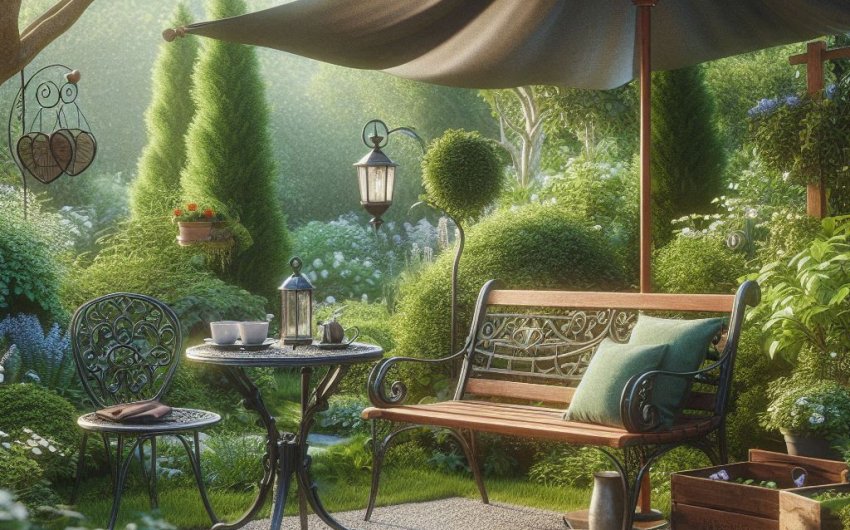
Choosing the best garden furniture options for birdwatching areas can significantly enhance your experience, allowing you to comfortably observe feathered visitors. Selecting the right pieces means considering durability, comfort, maintenance, and how well they blend into the natural surroundings. From cozy benches to practical tables, the ideal setup creates a peaceful haven for both you and the birds.
What Are the Most Comfortable Seating Choices for Extended Birdwatching?
Comfort is key when you plan to spend hours observing birds. The right seating can make a huge difference in your enjoyment.
Adirondack Chairs: These classic chairs are renowned for their wide armrests and sloped back, providing a relaxed posture.
- Pros: Extremely comfortable for long periods, very stable, and often made from durable materials like cedar Adirondack chairs or recycled plastic Adirondack chairs. They naturally blend into garden settings.
- Cons: Can be heavy to move and may require cushions for ultimate comfort, especially in colder weather.
- Ideal for: A permanent, comfortable spot near your feeders or a favorite observation point.
Garden Benches: Benches offer seating for multiple people or ample space to stretch out.
- Pros: Versatile, can be placed under a tree for shade, and available in various styles like wooden garden benches or cast iron garden benches. Some even include built-in storage.
- Cons: Less individual adjustability than chairs, and hard surfaces might require bench cushions for comfort.
- Ideal for: Shared birdwatching experiences or a wider viewing angle.
Loungers or Reclining Chairs: For maximum relaxation, a lounger allows you to recline and fully immerse yourself.
- Pros: Ultimate comfort, perfect for long, lazy afternoons of observation. Many are lightweight and foldable, such as zero gravity chairs.
- Cons: Can take up more space and might look less "garden-like" than traditional furniture.
- Ideal for: Dedicated birdwatchers who want to lie back and spot birds in the treetops.
Folding Chairs or Camp Chairs: If you need portable seating to move to different vantage points, these are excellent.
Advertisement- Pros: Lightweight, easy to store, and transportable. Many come with cup holders and side pockets, like director's chairs.
- Cons: Generally less comfortable for extended periods than more substantial furniture.
- Ideal for: Moving around your garden to follow bird activity or for smaller spaces where permanent furniture isn't an option.
Which Materials Are Best for Durability and Low Maintenance in Outdoor Settings?
The material of your garden furniture affects its lifespan and how much effort you'll need to put into keeping it looking good.
Recycled Plastic (HDPE): This material is gaining popularity for its excellent properties.
- Durability: Extremely durable, resistant to rot, insects, fading, and cracking. It can withstand all weather conditions, from intense sun to freezing temperatures.
- Maintenance: Virtually maintenance-free; just occasional cleaning with soap and water. No need for painting, staining, or sealing.
- Environmental Impact: Made from recycled materials, making it an eco-friendly choice. Look for options like polywood furniture.
- Considerations: Can be more expensive upfront than wood, and some people prefer the natural look of wood.
Teak Wood: A premium hardwood known for its natural oils.
- Durability: Highly resistant to rot, decay, insects, and harsh weather. It can last for decades. Over time, it will weather to a beautiful silvery-gray patina.
- Maintenance: Requires minimal maintenance. If you want to maintain its original honey-brown color, you'll need to apply a [teak sealer](https://www.amazon.com/s?k=teak+sealer&linkCode=ll2&tag=onlinestorebo-20 annually. Otherwise, just clean it periodically.
- Considerations: Teak is one of the most expensive furniture materials. Ensure it's sustainably sourced, look for FSC certified teak furniture.
Aluminum: A lightweight and rust-resistant metal.
- Durability: Very durable, especially powder-coated aluminum, which resists chipping and fading. It won't rust, making it ideal for humid climates.
- Maintenance: Low maintenance; simply wipe it down with a damp cloth. No special treatments needed.
- Considerations: Can be lightweight enough to be blown by strong winds unless it's a heavier design. Can get hot in direct sunlight.
Wrought Iron: A classic and very heavy material.
- Durability: Extremely strong and stable. It won't blow away in a storm.
- Maintenance: Can rust if the protective coating is scratched or wears off. Requires occasional touch-ups with rust-inhibiting paint.
- Considerations: Very heavy, difficult to move. Can get very hot or cold depending on the weather. Often requires cushions for comfort.
Cedar and Redwood: Natural woods with good resistance to rot and insects due to their natural oils.
- Durability: Good resistance to decay and insect damage. They weather beautifully over time to a soft gray.
- Maintenance: Requires periodic sealing or staining to maintain their color and extend their lifespan, or they can be left to weather naturally.
- Considerations: Softer than teak, so more prone to dents and scratches. Generally more affordable than teak.
Wicker (Natural or Synthetic): Wicker provides a beautiful, textured look.
- Natural Wicker (Rattan, Willow):
- Durability: Less durable than synthetic wicker outdoors, prone to weather damage and mildew. Best suited for covered patios or sunrooms.
- Maintenance: Needs to be protected from direct sun and rain.
- Synthetic Wicker (Resin Wicker):
- Durability: Made from durable polyethylene resin, resistant to UV rays, moisture, and fading.
- Maintenance: Easy to clean with soap and water. Often woven over an aluminum frame for strength, like all-weather resin wicker sets.
- Considerations: Offers the aesthetic of natural wicker with superior outdoor performance.
- Natural Wicker (Rattan, Willow):
How Can Furniture Enhance the Birdwatching Experience Beyond Seating?
Beyond just a place to sit, certain furniture pieces can actively improve your birdwatching setup.
Side Tables or Bistro Tables: Perfect for holding essentials.
- Purpose: Provides a convenient surface for binoculars, field guides, a camera, a cup of coffee, or a snack.
- Types: Look for small outdoor side tables that are easy to move. A bistro table and chairs set can offer a compact dining or working area.
- Placement: Place them within easy reach of your primary seating.
Garden Carts or Utility Wagons: For carrying gear.
- Purpose: Ideal if you have multiple bird feeders, seed bags, or tools to transport around your birdwatching area.
- Features: Look for heavy-duty garden carts with large wheels for easy maneuvering over uneven ground.
- Benefit: Reduces strain and makes routine tasks like refilling feeders much easier.
Storage Chests or Deck Boxes: Keep supplies organized and protected.
- Purpose: Store birdseed, suet, cleaning supplies for feeders, or even extra cushions and blankets for chilly mornings.
- Features: Choose waterproof deck boxes to protect contents from moisture and pests.
- Benefit: Keeps your birdwatching area tidy and your supplies safe from the elements and critters.
Privacy Screens or Trellises with Climbers: Create a secluded, natural hideaway.
- Purpose: Provides a visual barrier, making birds feel more secure and allowing you to observe them without being directly seen. Can also block wind.
- Types: A wooden privacy screen or a garden trellis planted with climbing vines (like honeysuckle or clematis) can be highly effective.
- Benefit: A more natural and less intrusive way to observe shy birds, and the plants can offer additional habitat or food sources.
Shade Structures (Umbrellas, Pergolas, Gazebos): Protection from the sun and rain.
- Purpose: Ensures you remain comfortable in various weather conditions, allowing for longer observation times.
- Types: A simple patio umbrella offers flexible shade. A pergola with climbing plants or a full garden gazebo creates a more permanent, shaded retreat.
- Benefit: Protects you from harsh sun or sudden drizzles, ensuring uninterrupted birdwatching.
What Design Considerations Help Furniture Blend with the Natural Environment?
Integrating your furniture seamlessly into the garden enhances the aesthetic appeal and often makes the area more appealing to birds.
Natural Colors: Choose colors that harmonize with nature.
- Good Choices: Earth tones like browns, greens, grays, and muted blues.
- Avoid: Bright, contrasting colors that can stand out too much and potentially deter shy birds.
- Benefit: Furniture recedes into the background, allowing the birds and plants to be the focal point.
Organic Shapes and Materials: Furniture with softer lines and natural textures.
- Materials: Wood (especially unpainted or naturally weathered), rattan, or stone.
- Shapes: Avoid overly angular or industrial designs. Look for curves and natural variations.
- Benefit: Creates a sense of continuity with the garden's natural forms.
Placement Relative to Bird Features: Think about where the birds are likely to be.
- Proximity to Feeders/Baths: Place seating close enough for good viewing but not so close that your presence scares birds away. A general rule is at least 10-15 feet.
- Viewing Angles: Consider where the sun will be throughout the day to avoid glare. Face your seating towards the best-lit areas for observation.
- Cover: Positioning furniture near dense shrubs or trees can provide a more discreet viewing spot for you, and offers perching options for birds.
Scale of Furniture: Match the size of your furniture to your garden and the surrounding elements.
- Small Garden: Opt for smaller, more delicate pieces like a bistro set or a single Adirondack chair.
- Large Garden: You can accommodate larger benches, a full outdoor sofa set, or a picnic table.
- Benefit: Prevents the furniture from overwhelming the space or looking out of place.
Living Furniture Elements: Incorporate plants directly into your furniture design.
- Examples: Benches with built-in planters or tables with a central opening for a small tree.
- Benefit: Further blurs the line between furniture and nature, potentially attracting more birds with additional foliage and flowers.
Are There Any Special Considerations for Attracting Birds with Furniture Choices?
While furniture primarily serves humans, its strategic selection and placement can subtly benefit bird activity.
Avoid Obstacles: Ensure furniture doesn't block flight paths.
- Feeder Access: Keep a clear approach to feeders and bird baths so birds can easily land and take off without hitting furniture.
- Predator Sightlines: Ensure that furniture placement doesn't create blind spots where predators can hide. Birds need clear sightlines to feel safe.
Support for Perching or Nests (Indirectly): While furniture isn't directly for perching, it can be part of a larger plan.
- Nearby Structures: Place furniture near trellises, arbors, or existing trees that offer good perching spots for birds.
- Climbing Plants: If your furniture supports climbing plants, these can provide natural perches or even nesting sites for certain species.
Water Features Near Furniture: A source of water is a major bird magnet.
- Bird Bath Placement: Position a bird bath visible from your seating area, but not so close that splashing becomes an issue.
- Small Ponds/Water Bowls: Even a simple bird-friendly water bowl can be effective.
- Benefit: Birds are attracted to water for drinking and bathing, providing excellent viewing opportunities.
Native Plant Integration: Furniture placed within native plant groupings will be more effective.
- Food and Shelter: Surrounding your birdwatching furniture with native shrubs, flowers, and trees provides natural food sources (berries, nectar, seeds, insects) and shelter for birds.
- Natural Habitats: Birds are more likely to visit areas that mimic their natural habitats.
- Examples: Plant coneflower for finches, bee balm for hummingbirds, or serviceberry shrubs for various fruit-eating birds.
Quiet Zones: Minimize noise and disturbance around your furniture.
- Placement: Locate your birdwatching area away from high-traffic zones in your garden or noisy street areas if possible.
- Soft Landings: Consider using mulch or soft ground cover around the area to muffle footsteps.
- Benefit: Birds are sensitive to noise and sudden movements. A calm, quiet environment makes them feel safer and more likely to visit.
Bird Feeder Stands or Hooks: Integrate feeding stations directly.
- Feeder Poles: A shepherd's hook or multi-hanger bird feeding station placed near your seating can provide an immediate focal point.
- Squirrel Baffles: Use squirrel baffles to prevent pests from raiding your feeders, which can deter birds.
- Benefit: Brings the action closer to you, maximizing your viewing pleasure.
What are the Best Maintenance Practices to Keep Garden Furniture Looking New?
Proper care extends the life of your garden furniture and ensures it remains a comfortable and attractive part of your birdwatching haven.
Regular Cleaning: Prevents dirt and grime buildup.
- Frequency: At least once a month, or more often if exposed to heavy dust, pollen, or bird droppings.
- Method: Use a mild soap (like dish soap) and water. For most materials, a soft brush or cloth is sufficient. A pressure washer on a low setting can be used for tough stains on durable materials like plastic or some woods, but be cautious with softer woods or painted surfaces.
- Specific Materials:
- Recycled Plastic: Simply wipe or hose down.
- Teak: A teak cleaner can restore its honey color; otherwise, just water and a soft brush.
- Aluminum: Mild soap and water.
- Wrought Iron: Scrub with a stiff brush and soapy water, then rinse thoroughly and dry to prevent rust.
Protection from Elements: Reduce exposure to harsh weather.
- Covers: Invest in outdoor furniture covers for protection during extreme weather (heavy rain, snow, intense sun) or during off-seasons.
- Storage: If possible, store cushions indoors when not in use, or keep smaller pieces in a shed or garage during winter.
- Placement: Position furniture under awnings, pergolas, or large trees for some natural protection.
Preventing Rust and Corrosion (for metal furniture):
- Inspect Regularly: Check for any chips or scratches in paint/powder coating on metal furniture.
- Touch-Up Paint: Apply rust-resistant touch-up paint to prevent rust from spreading.
- Moisture Management: Ensure water doesn't pool on metal surfaces; tip tables or chairs if necessary to drain water.
Wood Furniture Specific Care:
- Sealing/Staining: For woods like cedar, redwood, or pine, apply a wood sealer or stain every 1-3 years to protect against UV damage, moisture, and maintain color.
- Teak Oiling (Optional): While not necessary for durability, applying teak oil can help maintain its golden color and prevent the silvery-gray patina. However, it requires more frequent reapplication.
- Mildew Removal: Use a solution of bleach and water (1:4 ratio) for stubborn mildew, then rinse thoroughly.
Cushion Care:
- Water-Resistant Fabrics: Choose cushions made from Sunbrella fabric or other outdoor-grade, fade-resistant, and water-resistant materials.
- Cleaning: Most outdoor cushions have removable, washable covers. Follow manufacturer instructions. For spot cleaning, use a mild soap solution and rinse well.
- Drying: Ensure cushions dry completely to prevent mildew.
Tightening Fasteners: Over time, bolts and screws can loosen.
- Check Annually: Periodically inspect and tighten all fasteners on your furniture to ensure stability and safety.
- Lubrication: For moving parts, like on reclining chairs, apply a small amount of silicone lubricant.
By carefully considering comfort, durability, integration with nature, and maintenance, you can choose the best garden furniture options for birdwatching areas that enhance both your enjoyment and the natural beauty of your outdoor space.