
How Do I Choose Garden Furniture That Enhances a Sensory Herb Garden?
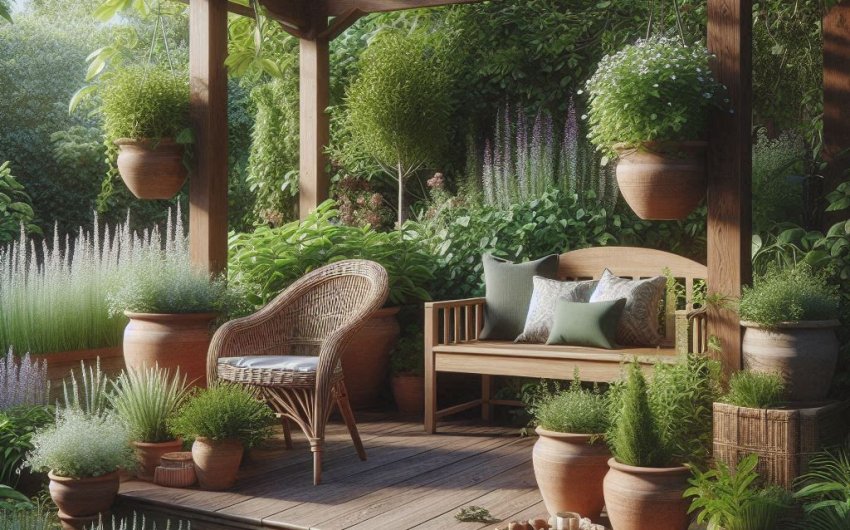
Learning how to choose garden furniture that enhances a sensory herb garden is about creating an immersive and highly engaging outdoor space. A sensory herb garden appeals to more than just sight, inviting interaction through touch, smell, and even taste. The right furniture doesn't just provide a place to sit; it becomes an integral part of this experience, designed to facilitate close interaction with the aromatic foliage, textural plants, and subtle sounds, ensuring every element contributes to a rich sensory journey.
What is a Sensory Herb Garden and Why Use Specific Furniture?
Understanding what a sensory herb garden is and why specific furniture is used sets the stage for making the right design choices. A sensory garden is designed to engage all five senses, and when focused on herbs, it offers a rich tapestry of experiences.
What is a Sensory Herb Garden?
A sensory garden is a space intentionally designed to stimulate all five senses:
- Sight: Vibrant colors of flowers (e.g., borage, calendula), varied leaf shapes (e.g., feathery dill, broad basil, spiky rosemary), and interesting textures.
- Smell: The powerful and diverse aromas released by brushing against or crushing herb leaves (e.g., lavender, mint, rosemary, basil, thyme, lemon balm).
- Touch: Different leaf textures (fuzzy lamb's ear, soft mint, rough sage, smooth basil).
- Sound: Rustling leaves in the wind, buzzing bees attracted to herb flowers, trickling water from a small fountain.
- Taste: The edible nature of herbs, allowing for direct sampling or use in culinary creations.
A "sensory herb garden" specifically focuses on herbs that excel in engaging these senses, creating a deeply immersive and therapeutic experience.
Why Use Specific Furniture in a Sensory Herb Garden?
The furniture in a sensory herb garden is not just for sitting; it's a tool to enhance the sensory experience.
- Facilitates Close Interaction:
- Proximity: Standard garden furniture might keep you at a distance. Specific furniture choices (like low benches or elevated planters) bring you closer to the plants, allowing you to easily touch leaves, inhale scents, and observe details.
- Engagement: It encourages active engagement with the plants rather than just passive observation.
- Enhances Comfort and Relaxation:
- Prolonged Enjoyment: To truly immerse yourself in the sensory experience, you need comfortable seating that encourages you to linger.
- Therapeutic Value: A sensory garden is often designed for relaxation and well-being. Comfortable furniture supports this therapeutic purpose.
- Integrates with the Garden Design:
- Seamless Blend: The right furniture choice blends aesthetically with the natural, often rustic or informal, feel of an herb garden. Materials and colors should complement the plants.
- Creates "Rooms": Furniture can define specific zones for different sensory experiences (e.g., a quiet seating area near aromatic lavender, or a tasting bench near edible herbs).
- Addresses Accessibility:
- Raised Beds/Ergonomic Seating: For those with mobility challenges, furniture can be paired with raised garden beds to make interaction with herbs easier and more comfortable, eliminating excessive bending.
- Adds Practicality:
- Beyond seating, furniture can incorporate storage for small tools or provide surfaces for preparing herbs.
In essence, the furniture in a sensory herb garden is an active participant in the sensory journey, designed to optimize the human-plant connection. Understanding this purpose is the first step in learning how to choose garden furniture that enhances a sensory herb garden.
What Seating Options Maximize Sensory Interaction in a Herb Garden?
To truly learn how to choose garden furniture that enhances a sensory herb garden, focusing on seating that brings you closer to the plants for maximum interaction is key. These options prioritize comfort, access, and immersion.
1. Low Benches or Stools
- Description: Simple, often backless benches or individual stools that are lower to the ground than standard chairs.
- Benefits:
- Close Proximity: Brings you down to the level of many herbs, allowing easy access to touch and smell foliage without bending or stretching awkwardly.
- Unobtrusive: Their low profile doesn't block views or overpower the natural aesthetic of the herbs.
- Flexible Placement: Easy to move to different areas of the garden to follow the sun or focus on different herb zones.
- Materials: Can be made from natural wood benches, stone, or even repurposed materials like tree stumps.
- Ideal For: Sitting among aromatic ground covers like thyme, or at the edge of raised beds filled with herbs.
2. Ergonomic Raised Bed Seating
- Description: Raised garden beds that incorporate a wider lip or built-in bench along one side, creating an integrated seating area.
- Benefits:
- Accessibility: Perfect for gardeners with mobility issues, providing a comfortable place to sit while tending or interacting with herbs at an accessible height.
- Direct Interaction: Allows you to sit right next to the plants, making it easy to lean over, touch, smell, and even taste herbs.
- Space-Saving: Combines two functions (planting and seating) in one structure.
- Considerations: Ensure the lip is wide enough for comfortable seating (at least 10-12 inches). Build with durable, rot-resistant wood like cedar raised garden beds with seating.
- Ideal For: Creating a truly immersive sensory experience where the garden is at your fingertips.
3. Garden Stools or Kneelers with Seats
- Description: Small, portable stools or dedicated garden kneelers that flip over to become a seat.
- Benefits:
- Portability: Highly versatile; can be moved to any spot in the garden to access different herbs.
- Multi-Functional: Serves as a seat for interacting with plants or as a padded kneeler for gardening tasks.
- Discreet: Can be tucked away when not in use.
- Ideal For: Getting very close to individual plants, weeding, or harvesting. Look for a garden kneeler and seat combo.
4. Outdoor Daybeds or Loungers (for larger sensory zones)
- Description: Comfortable, often generously sized, cushioned seating designed for lounging.
- Benefits:
- Ultimate Comfort: Encourages prolonged relaxation and immersion in the garden's sensory experience.
- Full Immersion: Allows you to recline and experience the garden from a different perspective.
- Considerations: Requires more space. Ensure cushions are outdoor-rated and weather-resistant. A small outdoor daybed can create a luxurious retreat.
- Ideal For: Creating a dedicated relaxation zone within a larger sensory herb garden where comfort is paramount.
5. Swings or Hanging Chairs
- Description: Seating suspended from a sturdy frame or overhead structure.
- Benefits:
- Gentle Movement: The subtle swaying motion can be very soothing and enhance the sense of tranquility in a sensory garden.
- Unique Perspective: Offers a slightly elevated or dynamic viewing experience.
- Novelty: Adds a playful or whimsical element.
- Considerations: Requires a very sturdy installation. Can take up more space due to swing radius. A hanging swing chair for garden can be compact.
- Ideal For: A quiet, contemplative spot to enjoy the garden's sounds and scents.
| Seating Option | Key Benefit for Sensory Interaction | Example Material/Style |
|---|---|---|
| Low Benches/Stools | Close proximity to plants | Natural wood, stone |
| Ergonomic Raised Bed Seating | Integrated access, ideal for accessibility | Durable cedar, composite |
| Garden Stools/Kneelers | Portability, very close interaction | Metal frame with padded seat |
| Outdoor Daybeds/Loungers | Prolonged comfort, full immersion | All-weather wicker, cushion-heavy |
| Swings/Hanging Chairs | Soothing movement, unique perspective | Wicker, rope, sturdy frame |
By prioritizing these seating options, you empower visitors to fully engage with the aromatic and textural delights, ensuring you effectively choose garden furniture that enhances a sensory herb garden.
What Materials and Design Elements Best Suit a Sensory Herb Garden?
When learning how to choose garden furniture that enhances a sensory herb garden, the selection of materials and overarching design elements is as important as the type of furniture. They should align with the natural, often informal, and deeply textural nature of an herb garden, while also prioritizing durability and sensory appeal.
A. Material Choices
The best materials for furniture in a sensory herb garden are those that are durable, low-maintenance, and blend harmoniously with natural elements.
Natural Wood (Cedar, Teak, Acacia):
- Benefits:
- Aesthetic: Warm, natural look that complements green foliage and rustic garden styles.
- Tactile: Smooth, weathered wood feels pleasant to the touch.
- Durability: Cedar garden furniture and teak garden furniture are naturally rot and pest resistant.
- Considerations: May require occasional sealing or oiling to maintain color and extend life, or can be left to weather to a natural silvery-gray.
- Benefits:
Stone (Granite, Limestone, Natural Boulders):
- Benefits:
- Tactile: Cool, smooth, or rough textures are interesting to touch.
- Durability: Extremely long-lasting and low maintenance.
- Natural Integration: Blends seamlessly with rocks, gravel paths, and earthen tones.
- Visual: Provides a sense of solidity and timelessness.
- Considerations: Can be heavy to move and may get hot in direct sun or cold in winter. A natural stone garden bench adds a rustic touch.
- Benefits:
Recycled Plastic (HDPE Polywood):
- Benefits:
- Low Maintenance: Requires virtually no upkeep, just occasional cleaning.
- Durable: Impervious to rot, insects, fading, and weather extremes.
- Eco-Friendly: Made from recycled materials.
- Colors: Available in natural wood tones or subtle greens/grays that blend in.
- Considerations: Can be more expensive upfront. May not have the same "natural" feel as real wood, but quality products mimic wood grain well. Look for polywood garden benches.
- Benefits:
Wrought Iron or Cast Aluminum:
- Benefits:
- Durability: Very sturdy and long-lasting.
- Classic Aesthetic: Adds a touch of traditional elegance.
- Visual Lightness: Intricate designs can feel less bulky than solid wood, allowing views through.
- Considerations: Can get hot in direct sun and cold in winter. May require cushions for comfort. Wrought iron can rust if not maintained. Look for outdoor cast aluminum furniture for rust resistance.
- Benefits:
Natural Fibers (Wicker/Rattan - for covered areas):
- Benefits:
- Texture: Adds a lovely natural texture.
- Comfort: Often very comfortable when paired with cushions.
- Considerations: Natural wicker is not weather-resistant and is best for covered patios or pergolas. Look for all-weather resin wicker furniture for true outdoor exposure.
- Benefits:
B. Design Elements and Aesthetic Considerations
Subtle Colors:
- Earth Tones: Choose furniture in natural earth tones – greens, browns, grays, muted blues, or off-whites. These colors allow the vibrant hues and textures of the herbs to stand out.
- Avoid Brights: Steer clear of bold, neon, or overly distracting colors that would compete with the natural beauty of the garden.
Organic Shapes and Lines:
- Curved Lines: Furniture with soft, curved lines or natural, irregular shapes (like a rustic log bench) blends more harmoniously with the organic forms of plants.
- Avoid Harsh Angles: Overly angular or modern designs might clash with the fluid nature of an herb garden.
Integrated Planters:
- Living Furniture: Consider benches or tables that incorporate built-in planters. This literally weaves plants into the furniture, enhancing the sensory experience and blending elements. A bench with built-in planters can be a lovely feature.
Consider Sensory Texture of Furniture Itself:
- Tactile Surfaces: Think about how the furniture feels to the touch. Smooth, cool stone; warm, slightly textured wood; or even a comfortable, breathable outdoor fabric can add to the overall sensory experience.
- Avoid Overly Polished Surfaces: Sometimes, a slightly distressed or natural finish is more fitting.
Scale and Proportion:
- Right Size: Ensure the furniture is proportionate to your garden space and the plants. Don't let large, bulky pieces overwhelm a small herb garden. Conversely, tiny pieces can look lost in a larger area.
By thoughtfully combining these material and design choices, you create a cohesive and immersive environment, mastering how to choose garden furniture that enhances a sensory herb garden.
How Can Practical Additions and Accessories Enhance the Sensory Herb Garden Experience?
Beyond the main seating, certain practical additions and accessories can significantly deepen the sensory experience and functionality of your herb garden. These thoughtful details are crucial elements when learning how to choose garden furniture that enhances a sensory herb garden.
1. Small Tables or Surfaces for Interaction
- Purpose: A convenient surface is essential for culinary use, botanical study, or simply holding a cup of tea.
- Types:
- Side Tables: Small outdoor side tables placed next to seating.
- Potting Benches: A compact mini potting bench allows for direct harvesting and immediate preparation (e.g., snipping herbs into a bowl).
- Portable Trays: A sturdy outdoor tray that can be placed on a lap or a low stool.
- Enhancement: Provides a place to set down a field guide, a sketchbook, a cup of tea, or a small bowl for fresh herbs, encouraging longer, more engaged visits.
2. Water Features
- Purpose: Adds the soothing sound of trickling water, which is a powerful sensory element often overlooked.
- Types:
- Small Fountain: A small tabletop fountain or a compact patio water feature.
- Bird Bath: A simple bird bath attracts birds, adding delightful chirping sounds.
- Enhancement: Creates a relaxing auditory backdrop, helps mask urban noise, and attracts wildlife, providing additional visual and auditory interest.
3. Scent Elements (Beyond Herbs)
- Purpose: While herbs are primary for scent, other elements can enhance the olfactory experience.
- Types:
- Scented Candles/Diffusers: Natural citronella candles or essential oil diffusers (placed away from plants) can complement the herb scents and deter insects.
- Aromatic Mulch: Using fragrant mulches like cedar chips or pine needles can add another layer of natural scent.
- Enhancement: Creates a more complex and inviting olfactory environment.
4. Lighting for Evening Enjoyment
- Purpose: Extends the usability of the garden into the evening, allowing for night-time sensory experiences.
- Types:
- Soft String Lights: Solar-powered fairy lights or outdoor bistro lights create a warm, inviting glow.
- Subtle Path Lights: Low-level solar pathway lights illuminate paths without being overwhelming.
- Candle Lanterns: Provide a soft, flickering light and are highly portable.
- Enhancement: Allows the evening scents of herbs (e.g., night-blooming jasmine, Nicotiana) to be enjoyed and creates a magical ambiance.
5. Storage for Garden Tools and Supplies
- Purpose: Keeps the area tidy and ensures small harvesting tools are always at hand.
- Types:
- Small Storage Box: A deck box or a small garden shed.
- Integrated Storage: Some benches or tables might have built-in drawers or shelves.
- Enhancement: Reduces visual clutter and makes the garden more functional for impromptu harvesting or tending.
6. Cushions and Textiles
- Purpose: Adds comfort and an additional tactile element.
- Types: Outdoor seat cushions in natural fabrics, throw blankets (for cooler evenings).
- Enhancement: Invites lingering and adds softness to hard furniture surfaces. Choose weather-resistant, breathable fabrics.
By integrating these practical yet beautiful additions, you build layers of sensory richness and functionality, ensuring your pursuit of how to choose garden furniture that enhances a sensory herb garden results in a truly immersive outdoor retreat.