
What Are the Best Garden Furniture Ideas for Fire-Safe Landscaping in Wildfire Zones?
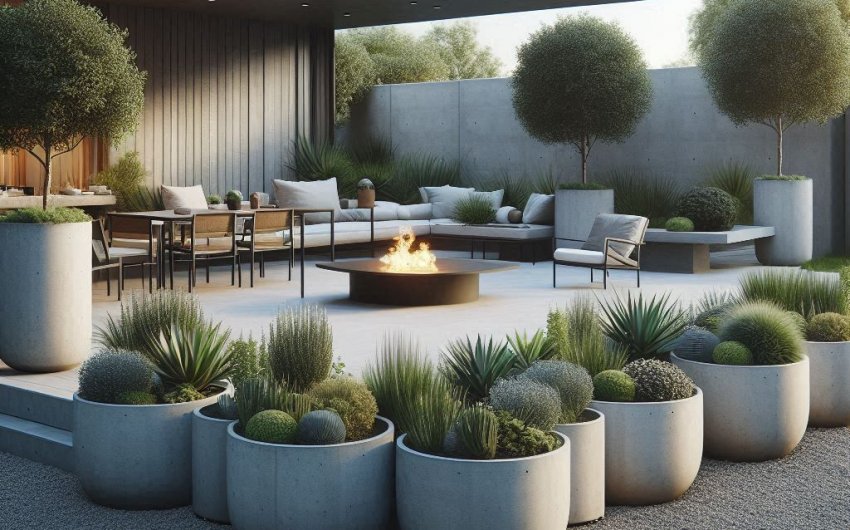
When living in or near high-risk areas, understanding what are the best garden furniture ideas for fire-safe landscaping in wildfire zones becomes an essential aspect of home safety and responsible property management. Thoughtful selection of materials and strategic placement of outdoor furnishings can significantly reduce combustible elements, transforming your garden into a beautiful yet defensible space. Prioritizing non-combustible or low-combustibility options not only enhances peace of mind but also plays a crucial role in mitigating wildfire risks around your home.
Why is fire-safe landscaping crucial in wildfire zones?
Living in a wildfire zone means facing an elevated risk of wildfires. While the focus often falls on the house itself, the surrounding landscape, including your garden and the furniture within it, plays a critical role in how a wildfire interacts with your home. Understanding this connection is paramount to truly grasp what are the best garden furniture ideas for fire-safe landscaping in wildfire zones.
1. Creating a Defensible Space
- Zone of Protection: Fire-safe landscaping is primarily about creating a defensible space around your home. This is a buffer zone where combustible materials are reduced or eliminated, slowing or stopping the advance of wildfire and reducing the likelihood of embers igniting your home.
- Ember Ignition: Embers (small, burning pieces of material carried by the wind) are a major cause of home ignition during wildfires, often traveling far ahead of the main fire front. They can land on combustible materials close to your house and ignite them.
- Fuel Ladder: Plants and materials arranged in a way that allows fire to climb from the ground to the roof (a "fuel ladder") are extremely dangerous. Fire-safe landscaping aims to break this ladder.
2. Slowing Fire Spread
- Reduced Fuel Load: By removing or replacing highly flammable elements, you reduce the "fuel load" available to the fire. Less fuel means the fire moves slower, burns less intensely, and is easier for firefighters to manage.
- Providing Escape Time: A defensible space can buy critical time for residents to evacuate safely and for firefighters to arrive and protect structures.
3. Protecting Your Home
- Home Ignition Zone: The area immediately surrounding your house (often categorized into Zones 0, 1, and 2, extending up to 100-200 feet or more) is called the Home Ignition Zone (HIZ). This is where materials like garden furniture become critical.
- Heat Radiation: Highly combustible materials close to your house can radiate intense heat, preheating and igniting your home's siding, windows, or roof, even without direct flame contact.
- Direct Flame Contact: Furniture made of flammable materials can easily ignite from embers or radiant heat, directly bringing flames to your home's exterior.
4. Enhancing Firefighter Safety and Access
- Safer Working Environment: A well-maintained defensible space provides a safer area for firefighters to operate, reducing immediate threats to their lives and equipment as they work to protect your property.
- Clear Access: Keeping pathways clear and reducing dense vegetation allows for easier access for emergency vehicles.
5. Peace of Mind
- Proactive Approach: Knowing you've taken proactive steps to protect your home and family provides invaluable peace of mind when living in a high-risk area.
- Aesthetics and Safety: Fire-safe landscaping doesn't mean a barren landscape. It's about smart design that blends beauty with safety. Choosing fire-safe garden furniture is a key part of this intelligent design.
How Garden Furniture Fits In:
Garden furniture, particularly pieces made of wood or those with upholstered cushions, represents a significant fuel source directly within your defensible space.
- Proximity to Home: Outdoor furniture is often placed close to the house, on patios, decks, or near windows – prime areas for ember ignition.
- Combustible Materials: Many common outdoor furniture materials (untreated wood, woven plastics, fabric cushions) are highly flammable.
- Accumulated Debris: Furniture can also accumulate flammable debris like dry leaves, pine needles, or spiderwebs underneath and around it.
Therefore, the careful selection and placement of garden furniture are not merely aesthetic choices in wildfire zones; they are critical components of a comprehensive fire-safe strategy, directly influencing the defensibility of your home and addressing what are the best garden furniture ideas for fire-safe landscaping in wildfire zones.
What types of furniture materials are safest for wildfire zones?
When selecting garden furniture for wildfire zones, the material it's made from is the most critical factor. The goal is to choose options that are non-combustible, or at least have very low combustibility, to minimize their potential as fuel in a wildfire. Understanding these materials is fundamental to figuring out what are the best garden furniture ideas for fire-safe landscaping in wildfire zones.
1. Metals (Aluminum, Steel, Wrought Iron)
- Why they're safest: Metals are inherently non-combustible. They will not ignite or sustain a flame.
- Properties:
- Aluminum: Lightweight, rust-resistant (especially powder-coated), versatile for modern designs. It can melt or warp at extremely high temperatures but won't contribute to fire spread.
- Steel: Stronger and heavier than aluminum. Often powder-coated for rust resistance. Similar fire performance to aluminum.
- Wrought Iron: Very heavy, durable, and classic aesthetic. Excellent fire resistance.
- Considerations: Can become extremely hot to the touch during a fire or even just from intense sun. Position away from direct contact points with the house or other structures if possible. The cushions (if used) will still be combustible, so consider their material carefully.
2. Concrete and Stone
- Why they're safest: Natural stone and concrete are virtually impervious to fire and will not burn.
- Properties:
- Concrete: Can be cast into various shapes for benches, tables, or integrated seating. Extremely durable and stable.
- Natural Stone: Used for benches, tables, or decorative elements. Granite, basalt, and other dense stones are excellent.
- Considerations: Very heavy and difficult to move. Can become hot. Permanent installations.
3. Recycled Plastic (High-Density Polyethylene - HDPE)
- Why it's safer: While technically a plastic, high-quality recycled plastic lumber (HDPE) used in outdoor furniture has a higher ignition temperature than wood and typically melts rather than ignites or sustains a flame easily. It tends to be self-extinguishing once the flame source is removed.
- Properties: Extremely durable, weather-resistant, requires very low maintenance, does not splinter, and is often made to mimic the look of wood.
- Considerations: Can still melt and deform at high temperatures, producing noxious fumes in a fire. The degree of fire resistance can vary between manufacturers, so look for products designed with fire safety in mind or those that specifically mention their fire rating.
4. Fire-Resistant or Treated Wood (Use with Caution)
- Why it's less ideal, but sometimes considered: While natural wood is generally discouraged in high-risk zones, some wood products are treated to be more fire-resistant.
- Properties:
- Pressure-Treated Wood: Primarily for rot/insect resistance, not necessarily fire.
- Fire-Retardant Treated Wood (FRT): Wood that has been pressure-impregnated with fire-retardant chemicals. It significantly slows down ignition and flame spread.
- Considerations:
- Effectiveness: FRT wood significantly reduces combustibility but does not make wood non-combustible.
- Leaching: Some FRT chemicals can leach out over time, especially outdoors.
- Cost: More expensive than untreated wood.
- Availability: Less common for ready-made furniture, more for decking/siding.
- Maintenance: May require reapplication of fire retardants over time.
- General Rule: For furniture, even FRT wood is generally less desirable than inherently non-combustible materials if used close to the home in a wildfire zone.
Materials to AVOID in Wildfire Zones:
- Untreated Wood: Especially softwoods like pine, cedar, redwood. These are highly combustible fuel sources.
- Natural Rattan/Wicker/Bamboo: These natural fibrous materials are highly flammable and burn quickly.
- Standard Plastics: Many types of plastic (e.g., cheap resin furniture) can ignite and melt, adding to the fuel load and potentially producing toxic fumes.
- Upholstered Cushions with Standard Foams/Fabrics: These are very combustible. Look for outdoor fabrics (like solution-dyed acrylic) and fillings that are less flammable, or remove cushions during high fire danger periods.
The best materials for garden furniture in wildfire zones are those that will not easily ignite or contribute to the spread of fire, with metals, concrete, stone, and high-density recycled plastics being the top choices for ensuring fire-safe landscaping.
What types of garden furniture pieces are recommended for wildfire zones?
Beyond just the material, the type of garden furniture pieces themselves can influence fire safety in a wildfire zone. Prioritizing sturdy, low-profile designs that are easy to clean and less likely to accumulate combustible debris is key. These recommendations are vital for discerning what are the best garden furniture ideas for fire-safe landscaping in wildfire zones.
1. Solid, Non-Combustible Seating
- Recommended Pieces:
- Metal Benches/Chairs: Aluminum benches, steel chairs, or wrought iron chairs. These are ideal due to their inherent fire resistance.
- Concrete or Stone Benches: Permanent, heavy options that are completely non-combustible. Perfect for integrated seating around a patio or hardscaped area.
- Recycled Plastic Adirondack Chairs/Benches: Provide a comfortable, classic look while being made of a material with a higher ignition point than wood.
- Why they're recommended: They minimize potential fuel load. Their solid construction means fewer nooks and crannies for embers or debris to collect.
2. Tables with Non-Combustible Surfaces
- Recommended Pieces:
- Metal Tables: Aluminum dining tables, steel side tables.
- Concrete/Stone Top Tables: Tables with a heavy concrete or stone top (even if the base is metal).
- Tile-Top Tables: Ensure the grout is fire-resistant and the base is metal or concrete.
- Why they're recommended: The surface is unlikely to ignite from embers. Choose tables with open bases (pedestal or simple legs) that don't collect debris.
3. Fire Pits (with Extreme Caution and Specific Regulations)
- Type: While not furniture, fire pits are central to outdoor living. Only use gas (propane or natural gas) fire pits.
- Wood-burning fire pits are a severe fire hazard in wildfire zones and should be avoided entirely.
- Placement: Place gas fire pits on a non-combustible surface (concrete patio, stone) at least 10-20 feet away from any structures or flammable vegetation.
- Considerations: Always check and adhere to all local fire restrictions and burning bans, which are often in place during high fire danger periods. Keep a fire extinguisher or water source nearby. Never leave unattended.
- Propane Fire Pit Table
4. Hardscape-Integrated Seating
- Concept: Seating that is built directly into permanent, non-combustible hardscaping.
- Recommended Pieces:
- Built-in Concrete or Stone Benches: Part of a patio or retaining wall.
- Masonry Seating: Stone or brick benches.
- Why they're recommended: They are permanently fixed, cannot be moved to become fire hazards, and are made of fire-resistant materials. They seamlessly integrate into the landscape.
5. Minimalist and Easy-to-Clean Designs
- Concept: Furniture with simple lines, minimal crevices, and easy-to-access undersides.
- Avoid: Intricate scrollwork, deep crevices, or heavy, skirted designs that can trap embers and accumulate dry leaves, pine needles, or other combustible debris.
- Benefits: Easier to keep clean of combustible materials, reducing the risk of ignition.
Types of Furniture to AVOID (or manage strictly):
- Large Wooden Structures: Large wooden pergolas, arbors, or solid wooden gazebos. These are significant fuel sources. Opt for metal or masonry structures instead.
- Deep-Seated Sectionals with Plush Cushions: While comfortable, the sheer volume of fabric and foam can be a large combustible load. If used, ensure cushions are stored away during high fire danger.
- Woven Natural Fibers: Rattan, wicker, bamboo furniture are highly combustible.
- Furniture with Skirting: Designs that reach the ground create hidden areas for debris to accumulate.
By carefully selecting garden furniture pieces made from appropriate materials and designed for easy maintenance, you significantly enhance the fire-safe landscaping of your home, actively contributing to a safer environment in wildfire zones.
What are the strategic placement rules for garden furniture in wildfire zones?
Even the safest materials for garden furniture can become a hazard if placed improperly in a wildfire zone. Strategic placement is as vital as material choice in creating fire-safe landscaping and reducing your home's vulnerability to embers and radiant heat. This involves understanding and adhering to defensible space principles around your property.
1. Defensible Space Zones: Know Your Distance
Fire agencies typically define concentric zones around your home, each with specific fuel reduction requirements. Your furniture placement should respect these zones.
- Zone 0 (Ember-Free Zone / 0-5 Feet from House): This is the most critical zone. Ideally, this area should be entirely free of combustible materials.
- Furniture Rule: Absolutely no combustible furniture should be in Zone 0. This includes wooden furniture, plastic furniture, or upholstered items. Even "fire-resistant" metal furniture with cushions should be considered a potential hazard. If you must have something here, it should be hardscape (concrete, stone, metal art) or extremely minimal, easy-to-remove items.
- Zone 1 (Lean, Clean, Green Zone / 5-30 Feet from House): This zone is focused on minimizing continuous fuel.
- Furniture Rule: Non-combustible furniture (metal, concrete, stone) is best. If using recycled plastic, ensure it's high quality. Any cushions should be easily removable and stored away during high fire danger. Furniture should be spaced out and not clumped together. Keep the area under and around furniture clear of all combustible debris.
- Zone 2 (Reduced Fuel Zone / 30-100+ Feet from House): This zone focuses on reducing fuel continuity.
- Furniture Rule: While still adhering to material safety, furniture can be somewhat more relaxed here, but still prioritize non-combustible options. Maintain ample spacing between furniture pieces and other potential fuel sources (shrubs, trees).
2. Proximity to Structures
- Houses, Decks, Fences, Outbuildings: Never place any combustible furniture directly against the siding of your house, wooden decks, or fences. Embers can land on furniture and ignite, quickly transferring fire to your home.
- Minimum Clearance: Aim for at least 5 feet of clear, non-combustible space around your house, including where furniture is placed. For wooden decks, move furniture as far from the house as possible.
3. Consider Prevailing Winds and Slope
- Wind Direction: Understand the typical wind patterns in your area during fire season. Embers will be carried by the wind. Place furniture away from your home in the direction of prevailing winds, or consider moving it indoors or to a safer location during high wind/fire danger days.
- Slope: Fire travels faster uphill. If your property slopes, areas downslope from your home are at higher risk. Place furniture made of non-combustible materials in these areas, or move them during high-risk periods.
4. Keep Areas Beneath and Around Furniture Clear
- No Fuel Accumulation: This is critical. Furniture often acts as a trap for highly flammable debris like dry leaves, pine needles, twigs, and even spiderwebs.
- Regular Cleaning: Routinely sweep and clear all combustible material from under and around your garden furniture. This includes the smallest accumulation of leaves, especially during fire season.
- Hardscape Base: Ideally, place furniture on a non-combustible surface like a concrete patio, stone pavers, gravel, or mowed green grass, rather than on dry brush or mulched areas.
5. Ease of Removal / Relocation
- Emergency Planning: During peak fire season or when a Red Flag Warning is issued, it's safest to remove all potentially combustible outdoor furniture from your defensible space.
- Prioritize Moveability: Choose furniture that is easy to move and store quickly (e.g., lightweight aluminum chairs, stackable items). For heavier pieces, plan ahead where they will be moved.
- Storage Location: Store furniture in a fire-safe structure like a garage, shed (if not vulnerable), or away from the house in a cleared area.
Table: Furniture Placement Summary for Wildfire Zones
| Zone | Distance from Home | Furniture Type (Ideal) | Key Placement Rule |
|---|---|---|---|
| Zone 0 (Ember-Free) | 0-5 feet | None (or minimal, non-combustible) | Absolutely no combustible materials. Clear of all debris. |
| Zone 1 (Lean, Clean, Green) | 5-30 feet | Metal, Concrete/Stone, Recycled Plastic | Space out, keep clean underneath, remove cushions during high risk. |
| Zone 2 (Reduced Fuel) | 30-100+ feet | Metal, Concrete/Stone, Recycled Plastic (some treated wood if well-maintained) | Space out, manage vegetation, maintain clear ground. |
By meticulously applying these strategic placement rules, you transform your garden furniture from potential fuel into a safer element of your fire-safe landscaping, actively contributing to your home's protection in wildfire zones.
What other landscaping elements complement fire-safe furniture in wildfire zones?
Creating a comprehensive fire-safe landscape in wildfire zones goes beyond just choosing fire-safe garden furniture. It involves a holistic approach to all outdoor elements, ensuring everything works together to reduce combustible materials and slow fire spread. Integrating compatible landscaping features enhances both safety and aesthetics.
1. Hardscaping Dominance
- Concept: Prioritize non-combustible surfaces over flammable vegetation or mulches.
- Elements:
- Patios and Walkways: Concrete, stone pavers, gravel pathways, brick are ideal. They create fire breaks and provide clear zones.
- Retaining Walls: Stone, concrete, or masonry retaining walls reduce the continuous flow of fuel on sloped areas.
- Driveways: Paved or gravel driveways create a significant fire break.
- Integration with Furniture: Place your fire-safe garden furniture directly on these hardscaped areas, especially in Zone 0 and 1, to eliminate underlying fuel.
2. Fire-Resistant Plants
- Concept: While no plant is truly fireproof, some are less combustible than others. They have higher moisture content, less volatile oils, and don't produce large amounts of fine, dry debris.
- Characteristics of Fire-Resistant Plants:
- High Moisture Content: Fleshy leaves, succulent textures (e.g., succulents, cacti).
- Low Sap/Resin/Volatile Oil: Avoid plants with strong aromatic odors.
- No Fluffy or Shreddy Bark: Bark that peels or shreds easily can create "ladder fuels."
- Minimal Fine, Dry Debris: Plants that don't drop large amounts of dry leaves, needles, or twigs.
- Examples (check local lists for specifics): Many succulents (sedum, aloe, agave), some broadleaf evergreen shrubs, deciduous trees (unless they drop very fine, dry leaves that collect).
- Placement: Use fire-resistant plants strategically, particularly in Zone 1, keeping them well-spaced and pruned, and ensuring they don't grow under or near furniture.
3. Smart Mulch Choices
- Concept: While mulch is beneficial for water retention and weed control, certain types can be highly flammable.
- Avoid: Shredded bark, pine needles, rubber mulch, and highly combustible organic mulches (especially in Zone 0 and 1). These can easily ignite from embers.
- Recommended: Compost, gravel mulch, or non-combustible rock mulch. These do not easily ignite and create a protective layer.
- Placement: Use non-combustible mulches closest to the home and around garden furniture. If using organic mulches in outer zones, ensure they are coarse, don't accumulate deeply, and are well-irrigated.
4. Strategic Tree and Shrub Placement
- Concept: Keep trees and shrubs away from structures and each other to prevent fire from spreading.
- Spacing: Ensure adequate horizontal and vertical spacing between trees, shrubs, and structures. Eliminate "fuel ladders" (vegetation growing from the ground to the roof).
- Under-Pruning: For trees, prune lower branches (often 6-10 feet up) to remove potential ladder fuels.
- Integration with Furniture: Ensure no tree branches overhang or touch your garden furniture. Keep shrubbery clear of seating areas.
5. Water Features
- Concept: While not a fire prevention method itself, open water features can serve as small, non-combustible areas.
- Elements: Ponds, bird baths, rock gardens with minimal vegetation.
- Benefits: Adds beauty, attracts wildlife, and provides a clear zone that won't ignite.
6. Lean, Clean, and Green Maintenance
- Concept: Consistent maintenance is crucial. Even fire-resistant plants become hazardous if allowed to dry out and accumulate dead material.
- Routine Tasks:
- Dead Heading/Pruning: Remove dead or dying foliage regularly.
- Weeding: Keep garden beds free of dry weeds.
- Irrigation: Keep plants well-hydrated. While you want drought-tolerant plants, well-watered plants are less combustible than dry ones.
- Clear Debris: Regularly remove fallen leaves, pine needles, and other combustible debris from around all landscaping elements, including furniture.
- Gutter Cleaning: Keep gutters free of flammable debris.
By combining the deliberate choice of fire-safe garden furniture with these complementary landscaping elements and diligent maintenance, you create a robust fire-safe landscaping plan that significantly enhances your home's protection in wildfire zones.