
Using Modular Garden Furniture to Create Flexible Outdoor Learning Spaces
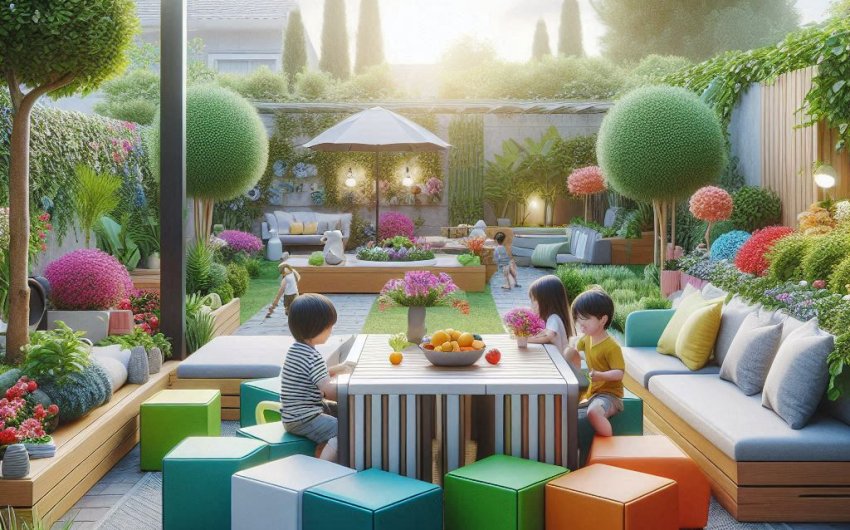
Are you exploring innovative ways to design adaptable and engaging educational environments outdoors? Using modular garden furniture offers an incredible opportunity to create flexible outdoor learning spaces, transforming ordinary garden areas into dynamic classrooms. This approach embraces versatility, allowing educators and learners alike to reconfigure their surroundings to suit various activities and group sizes, fostering creativity and hands-on discovery.
What is Modular Garden Furniture?
Modular garden furniture consists of individual pieces that can be arranged in many different ways to create various seating, table, or lounge configurations. Unlike fixed furniture, modular pieces are designed to be moved and combined, offering incredible flexibility. This makes them perfect for creating spaces that need to adapt for different activities or group sizes, which is ideal for outdoor learning environments. Think of them like giant building blocks for your garden space. You can find many options for outdoor modular seating that are durable and weather-resistant.
Why Use Modular Furniture for Outdoor Learning?
Using modular furniture for outdoor learning offers several key benefits. It allows educators to quickly change the setup of a space, moving from a large group lesson to smaller breakout discussions, or from quiet reading to hands-on projects. This flexibility supports diverse teaching methods and caters to different learning styles. It also encourages creativity and collaboration among students, as they can sometimes participate in reconfiguring the space themselves.
How Does Flexibility Enhance Learning?
Flexibility in a learning environment means the space can be easily changed to fit different needs. In outdoor learning, this is super important. If you're teaching about plants, you might need a large circle for everyone to see. Later, for a drawing activity, students might need small, individual spots. Modular furniture makes these quick changes possible, keeping lessons engaging and making sure the space always supports the activity.
What Are the Benefits of Outdoor Learning Spaces?
Outdoor learning spaces offer a multitude of benefits for students of all ages. They provide a change of scenery that can boost engagement and reduce restlessness. Being in nature has been shown to improve focus, reduce stress, and enhance creativity. It also offers hands-on opportunities for learning about science, nature, and the environment that simply can't be replicated indoors. These spaces foster a deeper connection with the natural world.
How Does Nature Boost Engagement and Focus?
Spending time in nature has a proven positive effect on children's engagement and focus. The fresh air and natural surroundings can reduce distractions common in indoor classrooms and provide a calming effect. It allows students to use different senses, such as touch and smell, which can deepen their understanding and memory of concepts being taught. This natural environment encourages curiosity and active participation.
What Role Does Hands-On Learning Play Outdoors?
Hands-on learning thrives in outdoor spaces. Students can directly observe insects, plant seeds, measure plants, or collect natural materials for art projects. This direct experience makes abstract concepts more tangible and memorable. Modular furniture supports this by allowing for diverse activity stations, where students can engage in practical tasks, experiments, and creative play. For example, a sturdy outdoor workbench could be a great addition.
What Kinds of Modular Furniture Work Best?
When choosing modular furniture for outdoor learning, look for pieces that are durable, weather-resistant, and easy to move. Lightweight materials like recycled plastic or aluminum are ideal. Think about items that can serve multiple purposes: a storage bench could also be seating, or a stackable stool could be a small table. Pieces with rounded edges are safer for children. Consider buying weatherproof outdoor cushions for added comfort.
What Materials Are Best for Outdoor Modular Furniture?
For outdoor use, the best materials for modular furniture are those that can withstand various weather conditions without much wear and tear. Recycled plastic is excellent because it's durable, waterproof, and often made from repurposed materials. Aluminum is lightweight and rust-resistant. Woven resin wicker over an aluminum frame is also a popular choice, offering a natural look with good durability. Avoid materials that can splinter or rust easily.
How Can Furniture Be Multi-Purpose?
Multi-purpose furniture is key for flexible outdoor learning spaces. A storage box can double as a bench for reading. A set of stackable outdoor stools can become individual seats or pushed together to form a small table. Flat-topped ottomans can serve as seating, footrests, or small surfaces for games. This versatility maximizes the utility of each piece and allows for quick transformations of the space.
How Do I Design a Flexible Outdoor Learning Space?
Designing a flexible outdoor learning space with modular furniture involves considering several factors. Start by mapping out your available area, noting sun and shade patterns, and existing features. Then, think about the types of activities you want to host. Design with open areas for large group activities, and smaller nooks created by furniture arrangements for quiet work or small groups. Remember to allow for clear pathways for movement.
What is Zonal Planning in Outdoor Learning?
Zonal planning means dividing your outdoor learning space into different areas, or "zones," each designed for a specific type of activity. For example, you might have a "storytelling zone" with comfy seating, a "discovery zone" with raised garden beds and magnifying glasses, and an "art zone" with tables. Modular furniture makes it easy to define and redefine these zones as needed.
How Do I Consider Sun, Shade, and Weather?
When designing an outdoor space, always consider sun, shade, and weather. Place seating where there's natural shade during sunny parts of the day or use outdoor umbrellas or a shade sail. Ensure furniture is truly weather-resistant, or plan for easy storage during harsh conditions. Having a covered area, even a simple awning, can extend usability on drizzly days.
What Activities Can Be Supported by Modular Furniture?
Modular garden furniture can support a wide range of educational activities outdoors. It can be arranged for traditional classroom-style lessons, creating small group discussion areas, or setting up individual quiet reading spots. It also facilitates hands-on projects, nature observation, storytelling circles, and dramatic play, all within a natural setting.
How Can Modular Furniture Create Different Learning Configurations?
Modular furniture is fantastic for creating diverse learning configurations. You can arrange individual seats into a large circle for group discussions or storytelling. Push them together to form a long table for group projects or science experiments. Separate them for individual quiet work or journaling. This adaptability means the space can transform to meet the needs of any lesson plan, promoting active learning.
What About Integrating Nature-Based Activities?
Integrating nature-based activities is effortless with modular furniture. Place small tables near garden beds for observing plants and insects. Arrange seating in a semi-circle around a tree for a lesson on leaves or bark. Use storage benches to hold nature exploration kits with magnifying glasses or bug viewers. The furniture supports direct interaction with the natural world, fostering environmental literacy.
How Can I Ensure Safety and Durability?
Ensuring safety and durability in an outdoor learning space is paramount. Choose furniture made from sturdy, non-toxic materials with no sharp edges or pinch points. Ensure pieces are stable and won't tip over easily, especially with active children. Regular inspection and cleaning will help maintain durability and safety over time. Using outdoor furniture covers can also extend their lifespan.
What Safety Features Should I Look For?
When selecting modular garden furniture for a learning environment, prioritize safety features. Look for rounded corners instead of sharp edges. Ensure the furniture is stable and heavy enough not to be easily knocked over, or light enough that children can move it without risk. Check for any small parts that could be choking hazards for younger children. Non-slip surfaces are also a plus, especially if the area can get wet.
How Do I Maintain Outdoor Modular Furniture?
Maintaining outdoor modular furniture typically involves regular cleaning and occasional protective treatments. Most weather-resistant materials like recycled plastic or aluminum can be simply wiped down with soap and water. For wooden furniture, periodic sealing or oiling might be necessary. Storing cushions indoors or in a deck storage box when not in use will keep them in good condition.
What About Storage Solutions for Outdoor Learning?
Effective storage solutions are crucial for maintaining an organized and functional outdoor learning space. Modular storage benches or units that double as seating are ideal. Large, weather-proof bins can hold teaching materials, art supplies, or nature exploration tools. Having designated, easily accessible storage keeps the space tidy and ready for the next activity. A sturdy outdoor storage shed might be useful for larger items.
How Can Modular Furniture Incorporate Storage?
Many pieces of modular furniture are designed with integrated storage. For instance, an outdoor storage ottoman can hold books or nature guides, while a modular bench might have a hinged lid revealing a space for gardening tools or art supplies. This dual functionality saves space and keeps materials conveniently on hand for lessons.
What are Weatherproof Storage Options?
For storing supplies and learning materials outdoors, weatherproof storage options are essential. Look for bins or containers made from heavy-duty plastic or metal, with tight-fitting lids to protect contents from rain, dust, and pests. A large plastic storage bin with wheels can be easily moved to different learning zones.
How Can Technology Be Integrated into Outdoor Spaces?
Integrating technology into outdoor learning spaces needs careful consideration. While the focus is on nature, portable tablets or waterproof speakers can enhance lessons. Think about having a small, shaded charging station or using solar-powered devices. The key is to use technology as a tool to enhance outdoor learning, rather than letting it dominate the natural experience. A portable solar charger could be very useful.
What Are Some Creative Layout Ideas for Flexibility?
Creative layout ideas for flexibility with modular furniture are endless. Imagine a series of individual cubes that can be quickly stacked to create a tiered seating area for presentations, or spread out for individual workstations. Think about using a "wagon wheel" layout for group discussions, or creating a meandering "discovery path" by placing pieces strategically. The goal is to inspire movement and different learning experiences.
How to Create "Breakout Nooks" with Modular Furniture?
To create "breakout nooks" for small groups or individual quiet time, use modular furniture to form semi-enclosed spaces. For example, arrange two or three modular sofas or benches facing each other, perhaps with a low table in the middle. You can also use tall planters or screens to further define these cozy, focused areas. A set of small outdoor tables combined with individual seats works well.
What About Dynamic Pathways and Activity Stations?
Create dynamic pathways by strategically placing modular seating or low tables that guide students through different zones. These pathways aren't just for walking; they can be integrated with learning opportunities. Set up activity stations by grouping modular pieces around a specific task, such as a nature observation table, a soil testing station with a soil test kit, or an outdoor art easel.
How to Make the Space Engaging and Inspiring?
Making the outdoor learning space engaging and inspiring goes beyond just the furniture. Incorporate natural elements like sensory gardens, raised garden beds for planting, and a variety of plants that attract birds and butterflies. Add fun elements like an outdoor blackboard, a nature art display area, or a "bug hotel." These details spark curiosity and make learning an adventure. A kids' gardening tool set encourages hands-on interaction.
What Role Do Sensory Gardens Play?
Sensory gardens are designed to engage all five senses. They can include plants with interesting textures (lamb's ear, dusty miller), fragrant flowers or herbs (lavender, mint), plants that attract birds or butterflies for sounds and sights, and even edible plants for taste. Incorporating a sensory garden adds depth to the learning experience and can be beautifully complemented by modular seating for quiet observation.
How Can Raised Garden Beds Enhance Learning?
Raised garden beds are fantastic for outdoor learning. They make gardening accessible for all ages and abilities, reduce bending, and allow for better control over soil quality. Students can actively participate in planting, caring for, and harvesting plants, learning about botany, ecology, and healthy eating first-hand. Placing modular seating around the beds allows for comfortable observation and discussion. A wooden raised garden bed is a great starting point.
What About Accessibility for All Learners?
Ensuring accessibility for all learners is a key aspect of designing outdoor spaces. This means pathways should be wide enough for wheelchairs or walkers, surfaces should be smooth and even, and some modular furniture should be at various heights or easily adaptable to accommodate different physical needs. Raised garden beds are also excellent for accessibility. Everyone should be able to fully participate in the outdoor learning experience.
How Do I Manage Ongoing Maintenance?
Managing ongoing maintenance for an outdoor learning space is crucial for its longevity and effectiveness. This includes regular cleaning of furniture, weeding garden beds, watering plants, and occasionally checking all elements for wear and tear. Having a clear plan for who is responsible for what, and involving students in age-appropriate tasks, can make maintenance a collaborative and educational experience. A simple garden hose with sprayer is essential for watering and cleaning.
By leveraging the adaptability and practicality of modular garden furniture, you are well-equipped to create truly flexible outdoor learning spaces that inspire and educate.