
What is the Best Furniture Layout for a Meditation Garden with Water Features?
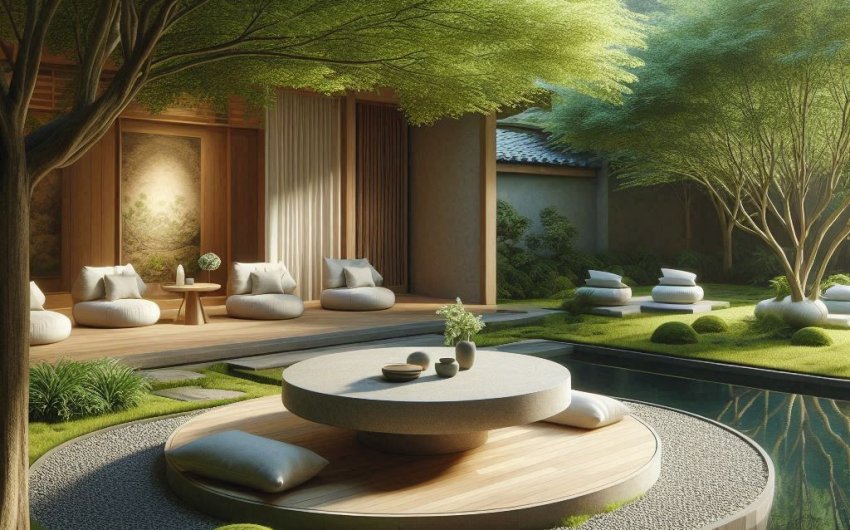
Designing the best furniture layout for a meditation garden with water features requires a thoughtful approach, focusing on creating an environment that promotes tranquility, reflection, and a deep connection with nature. The strategic placement of seating and other elements around a water feature is paramount, as the soothing sounds and visual appeal of water are central to the garden's purpose. The goal is to establish a harmonious flow that encourages peace, quiet contemplation, and an immersive sensory experience without distraction.
What Are the Core Principles of a Meditation Garden?
Before considering furniture layout, understanding the core principles of a meditation garden is essential. These gardens are designed to be sanctuaries of peace, promoting calm, mindfulness, and a connection with nature through intentional design.
1. Simplicity and Minimalism
- Clutter-Free: A meditation garden avoids excessive ornamentation or overwhelming design elements. Every object should serve a purpose or contribute to a sense of tranquility.
- Open Space: Incorporate open areas, such as a smooth gravel path or a patch of carefully manicured moss, to create a sense of spaciousness and allow the mind to rest.
- Restraint: Resist the urge to fill every corner with plants or decor. The empty space is as important as the filled space, inviting contemplation.
2. Focus on Nature
- Natural Materials: Prioritize natural materials like stone, wood, sand, and water. These elements create an authentic connection to the earth.
- Calming Plants: Choose plants with soft textures, subtle colors, and gentle movements. Evergreen plants provide year-round structure and a consistent backdrop. Avoid overly showy or distracting blooms.
- Sensory Engagement: While subtle, elements that engage the senses in a calming way are crucial:
- Sight: Varying shades of green, gentle textures, harmonious shapes.
- Sound: Rustling leaves, buzzing bees (from calm plants), and most importantly, the sound of water.
- Smell: Delicate fragrances from subtle plants like jasmine or specific herbs, not overpowering.
- Touch: Smooth stones, soft moss, cool water.
3. Creating a Sense of Calm and Flow
- Subtle Transitions: Avoid abrupt changes in materials, heights, or textures. Design for smooth transitions that guide the eye and the mind gently through the space.
- Curved Lines: Often preferred over sharp angles, curved paths or bed edges create a softer, more fluid feel, promoting a sense of serenity.
- Repetition: Using a few elements repeatedly (e.g., specific type of stone, a particular plant, or a consistent water sound) creates harmony and rhythm, which can be soothing.
4. Privacy and Enclosure
- Seclusion: A meditation garden should feel like a retreat, separated from the distractions of the outside world.
- Barriers: Fences, hedges, walls, or strategically placed tall plants can provide a sense of enclosure and privacy.
- Quiet: Minimize external noise as much as possible. A water feature can help mask some outside sounds.
5. Intentional Seating and Viewing Points
- Purposeful Placement: Seating is not just functional; it's placed to offer optimal views of key features (like the water feature) and to encourage prolonged, comfortable contemplation.
- Comfort: While not always plush, seating should be comfortable enough to allow for extended periods of stillness.
- Variety of Perspectives: Consider multiple seating options or viewing points to experience the garden from different angles.
6. Integration of Water Features
- Central Element: Water features are often the heart of a meditation garden. Their sound is inherently calming, and their reflective surface adds a visual dimension.
- Subtle Movement: Prioritize features with gentle, continuous flow (e.g., a quiet trickle, a still pond) over noisy splashes.
- Visual Simplicity: The water feature itself should be designed with clean lines and natural materials, avoiding overly ornate designs.
These core principles guide all design decisions, including the best furniture layout for a meditation garden with water features, ensuring every element contributes to a profound sense of peace.
What Are the Best Seating Options for a Meditation Garden?
Choosing the right seating options for a meditation garden is paramount to achieving its purpose of tranquility and contemplation. The furniture should not only be aesthetically harmonious but also comfortable enough to encourage prolonged periods of stillness and reflection.
1. Single Bench or Garden Seat
- Description: A simple, often backless or low-backed bench or an individual garden seat designed for one or two people.
- Benefits:
- Simplicity: Aligns with the minimalist aesthetic of a meditation garden.
- Versatility: Can be moved to different vantage points, or used as a base for meditation cushions.
- Unobtrusive: Doesn't visually dominate the space.
- Material Options: Can be made from natural wood (cedar, teak), stone, or even concrete.
- Ideal For: Creating a singular, focused seating area near the water feature. A natural stone garden bench or a simple wooden meditation bench.
2. Low-Profile Garden Chairs or Adirondack Chairs
- Description: Comfortable, often reclining or deep-seated chairs that allow for a relaxed posture.
- Benefits:
- Comfort: Designed for lounging and extended periods of sitting, enhancing the meditative experience.
- Ground Connection: Their low profile keeps you closer to the earth and the subtle movements of the garden.
- Sturdy: Often robust enough to be left out year-round.
- Materials: Wood (especially cedar Adirondack chairs), recycled plastic, or concrete.
- Ideal For: Creating a comfortable spot for individual reflection or for a pair.
3. Garden Stools or Individual Stepping Stones
- Description: Very simple, low, often natural elements that serve as minimalist seating.
- Benefits:
- Subtle Presence: Blends seamlessly into the natural landscape.
- Connects with Earth: Provides a very direct, grounded seating option.
- Flexibility: Can be arranged in various configurations for individual meditation or small group settings.
- Materials: Polished river rocks, flat natural stones, or simple wooden stumps.
- Ideal For: Deeply minimalist gardens or as supplementary seating. You can even use a flat large stepping stone as a meditation seat.
4. Meditation Cushions or Mats (Used on Hard Surfaces)
- Description: Portable, comfortable cushions or mats specifically designed for meditation practice.
- Benefits:
- Direct Grounding: Allows for a traditional meditation posture while still providing comfort.
- Flexibility: Can be easily moved and stored.
- Comfort: Provides padding on hard benches or ground.
- Materials: Outdoor-rated, durable fabric, often filled with buckwheat hulls or foam. Look for outdoor meditation cushions.
- Ideal For: Enhancing the comfort of existing benches or hard surfaces, or for dedicated meditation practice directly on a clean, dry surface.
5. Swing or Hanging Chair (if space allows for gentle movement)
- Description: A single swing or hanging chair suspended from a sturdy frame or pergola.
- Benefits:
- Soothing Movement: The gentle swaying motion can be incredibly calming and conducive to meditation.
- Unique Perspective: Offers a slightly elevated view of the garden.
- Sense of Serenity: Can create a feeling of floating and detachment from worldly concerns.
- Considerations: Requires sturdy installation. Ensure the swing area doesn't disrupt other elements. Can sometimes feel less "grounded." A hanging swing chair for meditation garden should have a quiet, smooth motion.
- Ideal For: A personal retreat spot where gentle motion is desired for relaxation and reflection.
Seating Type Summary
| Seating Option | Key Benefit for Meditation Garden | Material Considerations |
|---|---|---|
| Single Bench/Seat | Simplicity, focus, versatile placement | Wood, stone, concrete |
| Low-Profile Chairs | Comfort, relaxed posture, closer to ground | Wood, recycled plastic |
| Garden Stools/Stones | Minimalist, direct grounding, subtle presence | Natural stone, wood stumps |
| Meditation Cushions | Traditional posture, portable comfort, direct grounding | Durable outdoor fabric |
| Swing/Hanging Chair | Soothing movement, unique perspective | Wicker, rope, sturdy frame (quiet swing) |
By choosing seating that prioritizes comfort, simplicity, and strategic placement, you enable deeper contemplation, directly contributing to the best furniture layout for a meditation garden with water features.
How Should Furniture Be Positioned Around Water Features?
The strategic positioning of furniture around water features is paramount in a meditation garden. The water feature is typically the heart of the garden, and seating should be oriented to maximize its calming visual and auditory effects, enhancing the overall meditative experience.
1. Direct Viewing Angle
- Optimal Placement: Position seating so that you have a clear, unobstructed view of the water feature. The gentle movement and reflective quality of the water should be easily visible.
- Close Enough to Hear: Ensure the seating is close enough to the water feature to clearly hear its soothing sounds (trickling, bubbling, gentle splashing). The sound of water is a powerful element for quieting the mind.
- Avoid Obstructions: Make sure no plants or other decor elements block your line of sight or diminish the sound of the water.
- Example: A single bench facing a small tiered fountain or a basin with a simple bubbler.
2. Creating a Sense of Enclosure and Privacy
- Seclusion: To facilitate deeper meditation, the seating area should feel somewhat secluded and protected from distractions.
- Natural Barriers: Use taller, dense plants (bamboo, tall grasses, evergreen shrubs) or subtle screens (like a simple wooden lattice with climbing plants) behind or to the sides of the seating.
- Avoid Being Overwhelmed: While providing enclosure, ensure these elements don't completely block airflow or make the area feel claustrophobic.
- Example: A seating nook tucked into a corner, with tall bamboo or a serene hedge behind it, facing a pond or wall fountain.
3. Considering Sun and Shade
- Optimal Timing: Think about when you typically use the garden.
- Morning Sun: A bench that catches the gentle morning sun can be invigorating.
- Afternoon Shade: If you meditate later in the day, seating in partial or full afternoon shade will be more comfortable.
- Flexibility: If your schedule varies, consider having multiple seating options in different sun exposures, or a movable meditation cushion.
- Protection: Integrate natural shade (from a tree) or a subtle structure like a small garden pergola over a seating area.
4. Pathways and Flow
- Subtle Access: Paths leading to the seating area should be gentle and inviting, perhaps made of smooth stepping stones or fine gravel. Avoid jarring or brightly colored paths.
- Avoid Direct Lines: Curved paths or indirect approaches can enhance the journey to the meditation spot, promoting a sense of calm even before arrival.
- Circular Flow (Optional): If the space allows, a circular path around the water feature and seating can create a continuous flow, encouraging walking meditation.
5. Incorporating Other Sensory Elements
- Aromatic Plants: Place fragrant plants (like lavender, jasmine, or rosemary) near the seating area so their scents can be appreciated.
- Textural Plants: Integrate plants with interesting textures that can be easily reached and touched from the seating position.
- Visual Simplicity: Keep surrounding decor to a minimum. Let the water feature and the plants be the main visual focus.
Positioning Strategy Summary
| Positioning Aspect | Key Principle | Practical Application |
|---|---|---|
| View of Water Feature | Clear, unobstructed sightline | Seating facing the feature; close enough to hear |
| Enclosure/Privacy | Create a secluded, calm retreat | Tall plants, subtle screens behind/beside seating |
| Sun/Shade | Optimize comfort for meditation times | Position for morning sun or afternoon shade; consider multiple spots |
| Pathways/Flow | Gentle, inviting access, non-distracting | Curved paths, smooth materials to seating area |
| Other Sensory Elements | Integrate subtle scents, textures | Place fragrant/textural plants within reach of seating |
By meticulously considering these positioning strategies, you'll effectively design the best furniture layout for a meditation garden with water features, fostering an environment that deeply supports peace and contemplation.
What Are Supporting Elements and Accessories for a Meditation Garden?
Beyond the core furniture and water feature, various supporting elements and accessories can significantly enhance the atmosphere and functionality of a meditation garden. These thoughtful additions contribute to the overall tranquility and purpose, aligning with the goal of creating the best furniture layout for a meditation garden with water features.
1. Ground Cover and Pathways
- Purpose: The material underfoot influences the sensory experience and directs flow.
- Types:
- Smooth River Stones/Pebbles: Create a gentle, textural path. The sound of walking on them can be a subtle sensory element. Consider polished river rocks for pathways.
- Fine Gravel: Provides a uniform, quiet surface. Raking patterns in gravel can also be a meditative practice (as in Japanese Zen gardens).
- Soft Moss: Creates a lush, quiet, and serene green carpet. Ideal for non-traffic areas around focal points.
- Stepping Stones: Large, flat natural stepping stones can mark a path to the seating area or serve as impromptu meditation spots.
- Enhancement: Defines areas, adds subtle textures and sounds, and ensures safe, comfortable movement.
2. Plants with Calming Attributes
- Purpose: To provide visual softness, subtle scents, and gentle movement.
- Types:
- Bamboo: Clumping varieties can create a tall, rustling screen for privacy and sound. Look for clumping bamboo plants (non-invasive).
- Ornamental Grasses: Provide gentle movement and soft whispering sounds in the breeze.
- Evergreens: Offer year-round structure and a consistent green backdrop. Choose those with soft needles or gentle forms.
- Fragrant Plants: Lavender, jasmine, camellias, or specific herbs with subtle, non-overpowering scents.
- Soft Textures: Plants with fuzzy or delicate leaves (e.g., lamb's ear for touch).
- Enhancement: Engages sight, sound, and smell in a non-distracting way, contributing to a tranquil atmosphere.
3. Subtly Placed Lighting
- Purpose: To extend the garden's usability into the evening and create a serene ambiance.
- Types:
- Low-Voltage Pathway Lights: Gentle illumination for safety and subtle ambiance. Use low voltage landscape lights.
- Submersible Lights (for water features): Can illuminate the water feature, creating a glowing effect.
- Soft Uplighting: To highlight a specific plant or small sculpture.
- Solar Lanterns: Portable and provide a soft, diffused glow. Solar garden lanterns.
- Enhancement: Creates depth and a sense of calm in the dark, allowing evening contemplation. Avoid bright, harsh lights.
4. Wind Chimes or Bells (Used with Discretion)
- Purpose: To add a gentle, subtle auditory element, connecting with the movement of air.
- Types: Choose chimes with a soft, resonant tone, not clanky or loud ones. Those made of bamboo or tuned metal bars often produce the most soothing sounds. Look for tuned wind chimes for meditation.
- Enhancement: Provides a pleasant, natural sound, adding to the garden's sensory richness.
- Caution: Ensure their sound is genuinely soothing and not distracting. Placement is key.
5. Contemplative Objects (Used Sparingly)
- Purpose: To serve as a focal point for reflection, without being overtly decorative.
- Types:
- Simple Statues: A Buddha statue, a serene figure, or a smooth, abstract sculpture.
- Meditation Stone/Cairn: A carefully balanced stack of natural stones.
- Gazing Ball: A reflective sphere that subtly distorts and reflects the garden.
- Enhancement: Provides a visual anchor for the mind during contemplation.
- Caution: Avoid clutter. One or two carefully chosen objects are more impactful than many.
6. Small Tea Table or Pedestal
- Purpose: A practical surface for a cup of tea, a book, or a small offering.
- Types: A low, simple outdoor tea table or a sturdy, flat-topped stone pedestal.
- Enhancement: Encourages lingering and adds a functional element to the meditation space.
By thoughtfully integrating these supporting elements and accessories, you further refine the atmosphere and purpose of your garden, ensuring you achieve the best furniture layout for a meditation garden with water features, a truly serene sanctuary.