
How Do I Select Garden Furniture for Small Wildlife-Friendly Spaces?
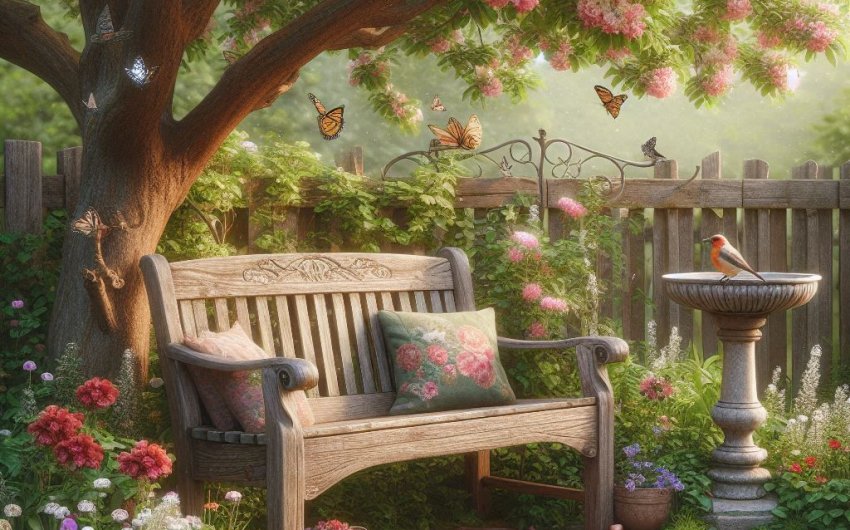
Crafting an inviting outdoor area that simultaneously caters to human comfort and supports local biodiversity in a compact footprint requires thoughtful planning. When considering garden furniture for small wildlife-friendly spaces, the key lies in selecting pieces that are proportionate to the area, made from sustainable materials, and designed to minimize disruption to the natural inhabitants. This guide delves into the art of choosing the perfect furniture that allows you to relax and enjoy your garden while actively contributing to a thriving ecosystem right outside your door.
Why Is Furniture Choice Crucial in Small, Wildlife-Friendly Gardens?
In a compact garden designed to support wildlife, every element, including furniture, needs to be chosen with purpose. The right pieces enhance your enjoyment without detracting from the natural environment you're fostering.
What Are the Challenges of Small Spaces?
Small gardens present unique constraints that influence furniture selection.
How Do Size Limitations Affect Furniture?
Overwhelming a small area: Large, bulky furniture can easily overwhelm a small area, making it feel cramped and even smaller than it is. It can block pathways, obscure plants, and make the space feel less open and inviting. The goal is to create a sense of spaciousness, even within tight confines.
Blocking sunlight for plants: Oversized furniture can cast large shadows, blocking essential sunlight from plants, especially if they are densely packed. This can hinder plant growth, reduce blooms, and impact the overall health of your garden's ecosystem.
Restricting movement for humans and wildlife: Too much furniture or furniture that is too big can restrict movement for both people and the wildlife you're trying to attract. Pathways might become impassable for you, and animals might find their access to food, water, or shelter points difficult.
Advertisement
How Does Visual Clutter Impact the Garden?
Reduces natural aesthetic: A small space already has limited visual real estate. If the furniture is visually heavy, brightly colored, or poorly organized, it can create visual clutter that detracts from the garden's natural beauty and its intended purpose of supporting wildlife. The aim is for the furniture to blend seamlessly, rather than stand out jarringly.
Makes space feel smaller: Too many disparate elements or poorly chosen pieces can make a small garden feel even smaller and less harmonious. The eye needs room to rest, and a cluttered space denies that.
How Does Furniture Affect Wildlife?
The materials, design, and placement of your furniture can have a direct impact on the animals you're trying to welcome.
What Materials Can Harm Wildlife?
Toxic finishes or paints: Furniture treated with toxic finishes, paints, or sealants can pose a risk to wildlife. Rain can leach these chemicals into the soil, or animals might ingest them directly if they chew on the furniture. Look for non-toxic, eco-friendly, or natural finishes.
Non-sustainable/unsourced wood: Furniture made from non-sustainable or unsourced wood contributes to deforestation and habitat destruction in other parts of the world, undermining the very goal of creating a wildlife-friendly space. Always look for FSC-certified wood.
Plastics (microplastics): While some recycled plastics can be an option, low-quality plastics can degrade over time, breaking into microplastics that pollute the environment and can be harmful if ingested by wildlife. Consider the long-term durability and environmental impact of plastic furniture.
How Can Design Elements Impact Animals?
Sharp edges or pinch points: Furniture with sharp edges, exposed nails, or pinch points can be hazardous to curious wildlife, especially smaller creatures like birds or insects. Opt for designs with smooth, rounded edges.
Lack of shelter/hiding spots: While not direct harm, furniture that doesn't offer any incidental shelter or hiding spots misses an opportunity to further support wildlife. Think about benches with hollow bases or tables that offer shade beneath.
Disruption of natural pathways: Poorly placed furniture can disrupt natural pathways that wildlife use to navigate your garden. Observe how animals move through your space and place furniture accordingly to maintain their access to food, water, and cover.
How Do I Select the Right Furniture for My Small Space?
Choosing furniture for a small, wildlife-friendly garden involves a balance of practical considerations for your comfort and ecological awareness for your wild visitors.
What Size and Scale Are Best for Small Gardens?
Maximizing space and maintaining an open feel are key in compact areas.
How Do I Measure My Space?
Map out the area: Before buying anything, map out your garden area. Use a tape measure to get accurate dimensions. Consider not just the total square footage but also specific zones for seating, planting, and pathways.
Consider traffic flow (human and wildlife): Think about how you and wildlife will move through the space. Leave ample room for pathways and access to plants, feeders, or water features. Don't let furniture block essential routes.
"Negative space" is important: Just as important as what you put in the garden is the "negative space" – the empty areas that allow the eye to rest and the garden to breathe. Don't feel compelled to fill every corner.
What Are Space-Saving Furniture Options?
Folding furniture: Folding chairs, tables, or bistros sets are excellent for small spaces. They can be pulled out when needed and then neatly folded away and stored when not in use, freeing up valuable floor space. A folding bistro set is perfect for a compact patio.
Stackable furniture: Similar to folding options, stackable chairs can be kept in a small footprint when not in use, allowing you to have extra seating for guests without permanent clutter.
Multi-functional furniture: Look for pieces that serve more than one purpose.
- Storage benches: A bench with built-in storage can hold cushions, gardening tools, or even bird seed, reducing the need for separate storage units.
- Table/ottoman combos: An outdoor ottoman that can double as a small table.
- Vertical solutions: Wall-mounted tables or shelving units can provide surface area without taking up floor space.
Smaller scale pieces: Opt for smaller scale chairs, tables, and benches rather than oversized, bulky pieces. Bistro sets, compact dining sets for two, or individual armchairs are often more appropriate than large sectionals. Consider a small patio dining set.
Built-in seating: If possible, built-in seating (like a bench along a wall or planter) can be highly efficient as it doesn't take up additional footprint and can often blend seamlessly with the garden design.
What Materials Are Best for Wildlife and Sustainability?
The material choice significantly impacts both durability and environmental friendliness.
What Are Sustainable Material Choices?
FSC-certified wood: Look for wood furniture that is FSC-certified (Forest Stewardship Council). This certification ensures the wood comes from responsibly managed forests that protect biodiversity and the rights of workers. Good options include teak (if sustainably sourced), cedar, or acacia. FSC-certified acacia chairs are a durable option.
Recycled materials: Furniture made from recycled plastic (high-density polyethylene or HDPE), recycled aluminum, or other recycled materials diverts waste from landfills and reduces the demand for virgin resources. Choose high-quality recycled plastic that won't degrade easily.
Natural fibers (jute, rattan - untreated): If opting for woven furniture, choose pieces made from natural fibers like jute or untreated rattan. Ensure they are not treated with harmful chemicals. However, be aware that many natural fibers may not be as weather-resistant as other materials.
Metal (aluminum, wrought iron): Metals like aluminum and wrought iron are durable and recyclable. Aluminum is lightweight and rust-resistant, while wrought iron is heavy and sturdy but can rust if not properly maintained. Consider their production impact and potential for recycling at end-of-life.
What Finishes and Treatments Should I Look For?
Non-toxic or natural finishes: Opt for furniture with non-toxic, water-based finishes or natural oil treatments (like linseed or tung oil) for wood. These are safer for wildlife and break down harmlessly in the environment. Avoid chemical sealants or paints with high VOCs (volatile organic compounds).
Durability and longevity: Choosing durable materials means your furniture will last longer, reducing the need for replacement and minimizing waste over time. Look for weather-resistant properties.
How Can Furniture Design Enhance Wildlife-Friendly Features?
Beyond materials, the very design of your furniture can offer subtle benefits to garden inhabitants.
Incorporate planters: Some benches or tables are designed with integrated planters. This allows you to add more native plants, herbs, or small flowers directly into the furniture, enhancing the garden's green footprint and offering additional food/shelter for pollinators. A bench with built-in planters can save space.
Bird baths or feeders on tables: Consider placing a small, shallow bird bath or a secure bird feeder on a side table. This integrates wildlife features directly into your seating area, allowing for close observation. Ensure the bird bath is shallow enough for small birds and cleaned regularly.
Offer incidental shelter: While not a primary purpose, some furniture designs can offer incidental shelter. A bench with a slightly raised base might provide a small, cool spot for ground-dwelling insects. Tables might offer shade.
Natural colors that blend: Choose furniture in natural, earthy tones (greens, browns, grays, muted blues). These colors blend seamlessly with the garden landscape, reducing visual disruption and making the furniture less conspicuous to wildlife. Bright, unnatural colors can stand out.
How Do I Arrange Furniture in a Small, Wildlife-Friendly Garden?
Strategic placement is just as important as the furniture itself, especially in a compact space where every inch counts.
What Are Layout Tips for Small Gardens?
Maximizing both your enjoyment and the wildlife's habitat requires smart spatial organization.
How Do I Create Zones?
Define seating, dining, and natural areas: Even in a small garden, try to define distinct zones. A small seating area for humans, a compact dining spot, and then dedicated "natural areas" with dense planting, water features, or insect hotels. This provides structure and helps prevent furniture from encroaching on wildlife zones.
Use vertical space: In small gardens, vertical space is your friend. Use vertical planters, living walls, or trellises to grow plants upwards, freeing up ground space. Wall-mounted shelving can hold small planters or garden decor without taking up floor space.
Maintain clear pathways: Ensure there are always clear, unobstructed pathways for you to move around and for wildlife to access different parts of the garden (e.g., from a bird feeder to a hiding spot).
How Do I Maximize Views?
Position to view wildlife features: Arrange your seating so you have the best views of your wildlife features – the bird feeder, butterfly-attracting flowers, or a small pond. This allows you to comfortably observe the animals you're attracting.
Consider sight lines from indoors: Think about the sight lines from inside your home. Can you enjoy your garden and its wildlife from your window or doorway?
What About Placement for Wildlife Impact?
Careful placement of furniture can minimize disturbance and enhance habitat.
How Do I Protect Wildlife Pathways and Habitats?
Avoid placing directly on heavy planting: Don't place heavy furniture directly on top of dense plantings, especially those intended for ground-dwelling wildlife (like low-growing shrubs that provide cover).
Respect animal routines: Observe the times of day animals are most active. Try to keep disruption to a minimum during these periods. If you notice a regular pathway used by a particular animal, avoid placing furniture directly on it.
Create buffers: If possible, create a buffer zone between your primary seating area and sensitive wildlife habitats (like a bug hotel or bird nest boxes). This reduces disturbance.
How Do I Integrate Furniture with Plantings?
Softening edges with plants: Use plants to soften the hard edges of furniture. Place pots of cascading plants near benches, or let climbing plants grow around a small archway next to your seating.
Strategic shading: Place furniture where it can benefit from the natural shade of trees or tall shrubs during the hottest part of the day, making it more comfortable for you and creating cooler microclimates.
Attract pollinators nearby: If you want to attract pollinators like bees and butterflies, place pollinator-friendly plants in containers or garden beds directly next to your seating area for easy viewing.
Ground-level considerations: Think about what's happening at ground level. If you have ground cover or low-growing plants important for insects, ensure furniture legs aren't crushing them constantly.
What Are Other Considerations for a Wildlife-Friendly Garden?
Furniture is just one piece of the puzzle. A truly wildlife-friendly garden integrates many elements.
What Are Essential Wildlife Features?
Beyond furniture, core elements attract and sustain biodiversity.
What Kind of Water Sources Do I Need?
Bird baths: A bird bath is essential. Choose a shallow one (no more than 2 inches deep) with sloping sides and a rough surface for birds to grip. Clean and refill it daily with fresh water. A bird bath for small birds is easy to find.
Bee/butterfly puddling stations: A shallow dish filled with pebbles and a small amount of water provides a puddling station for bees and butterflies to drink safely without drowning.
Small pond/container pond: Even a small container pond can provide water for a variety of wildlife, from birds and bees to frogs and beneficial insects.
How Do I Provide Food and Shelter?
Native plants: The most important food source is native plants. They provide nectar, pollen, seeds, and host plants for caterpillars. They are adapted to your local climate and support the local food web. Prioritize native shrubs, perennials, and flowers.
Bird feeders: If using bird feeders, ensure they are cleaned regularly to prevent disease spread. Offer a variety of seeds appropriate for local bird species. A squirrel-proof bird feeder can be helpful.
Insect hotels/bug homes: Small structures like insect hotels provide nesting sites for solitary bees and hiding places for other beneficial insects. A bee hotel is an easy addition.
Log piles/rock piles: Even in a small garden, a small pile of logs or rocks can provide valuable shelter and hiding spots for insects, amphibians, and small mammals.
"No-mow" areas: Consider leaving a small patch of your lawn as a "no-mow" area or letting some native plants go to seed. This provides additional food and shelter.
What Are Best Practices for Garden Care?
Your gardening habits directly impact the health of your wildlife.
Avoid pesticides/herbicides: The single most important action you can take is to avoid all synthetic pesticides and herbicides. These chemicals harm not only pest insects but also beneficial insects, pollinators, and the broader food web. Embrace organic pest control methods. A natural pest repellent for plants can be used.
Embrace messiness: A truly wildlife-friendly garden is often a bit messier. Leave some leaf litter, dead plant stalks, and decaying wood. These provide essential overwintering sites, food, and nesting materials for many beneficial insects and small animals.
Support native plant species: Always prioritize native plant species over non-native ones. Native plants are adapted to your local climate, require less water and maintenance, and provide the specific food and habitat that local wildlife have evolved to depend on.
Composting: Start a compost pile. It reduces waste, creates nutrient-rich soil amendment, and supports a healthy soil food web, which is the foundation of a thriving ecosystem. A small composting bin works for tiny spaces.
When it comes to selecting garden furniture for small wildlife-friendly spaces, the most successful approach balances comfort with ecological sensitivity. By opting for appropriately sized, multi-functional pieces made from sustainable materials and placing them strategically to support animal pathways and habitats, you create a harmonious outdoor sanctuary. This thoughtful integration allows you to fully enjoy your garden while nurturing the invaluable biodiversity that makes your personal green space truly come alive.