
What Are the Best Solar-Powered Garden Furniture Options for Off-Grid Living?
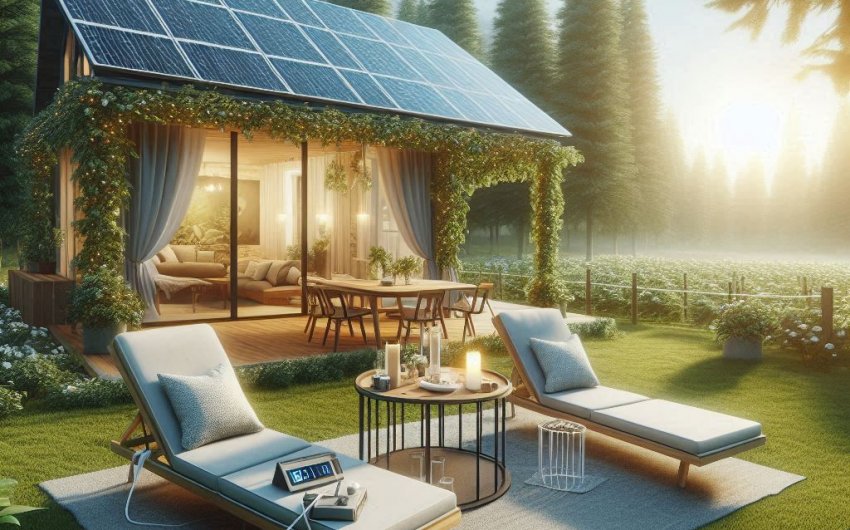
Embracing self-sufficiency means thoughtful choices for every aspect of your property, and determining what are the best solar-powered garden furniture options for off-grid living becomes a key consideration. These innovative pieces not only offer comfort and functionality but also harness renewable energy, reducing reliance on conventional power sources. From illuminating pathways to charging devices, integrating solar-powered furniture seamlessly blends modern convenience with a sustainable lifestyle.
Why is Solar-Powered Garden Furniture Ideal for Off-Grid Living?
When you live off-grid, every bit of power generation and conservation matters. Solar-powered garden furniture perfectly aligns with the principles of self-sufficiency and sustainability.
Energy Independence:
- No Grid Connection Needed: The most obvious benefit for off-grid living is that this furniture doesn't need to be plugged into an electrical grid. It generates its own power directly from the sun.
- Reduced Reliance on Generators: For homes that use generators for backup power, solar furniture reduces the need to run those generators, saving on fuel costs and maintenance.
- Self-Sustaining: Each piece of furniture is typically a standalone unit, with its own solar panel, battery, and light source or charging port.
Renewable and Clean Energy:
- Harnesses the Sun: Solar power is a truly renewable energy source. As long as the sun shines, your furniture will charge.
- Zero Emissions: Unlike fossil fuels, solar power produces no greenhouse gas emissions or pollutants during operation, contributing to a cleaner environment.
- Eco-Friendly Lifestyle: Aligns with the overall goal of minimizing environmental impact, which is often a core value in off-grid communities.
Cost Savings in the Long Run:
- No Electricity Bills: Since there's no grid connection, there are no ongoing electricity bills associated with operating this furniture.
- Lower Fuel Costs: Reduces the need for fuel for generators, which can be a significant ongoing expense in off-grid setups.
- Initial Investment Pays Off: While the upfront cost might be higher than traditional furniture, the long-term energy savings make it a wise investment for permanent off-grid setups.
Flexibility and Placement:
Advertisement- No Wires or Outlets: You're not restricted by the availability of electrical outlets. Furniture can be placed anywhere the sun can reach it, offering maximum design flexibility.
- Easy Relocation: Moving pieces around the garden is simple, as there are no cords to unplug or trip hazards to worry about.
- Remote Area Use: Ideal for remote cabins, campsites, or garden areas far from any power source.
Enhanced Functionality and Convenience:
- Lighting: Many pieces offer built-in lighting for ambiance, safety, or task illumination during the evening without consuming precious interior power.
- Device Charging: Integrated USB ports allow for charging phones, tablets, or other small electronic devices, which can be crucial for communication or entertainment off-grid.
- Cooling/Heating: Some advanced options might even offer minor heating or cooling functions, further enhancing comfort without external power.
Durability and Weather Resistance:
- Outdoor Designed: Solar furniture is built for outdoor conditions, meaning it's generally made from durable, weather-resistant materials that can withstand the elements.
- Integrated Components: The solar panels and batteries are typically integrated and sealed, protecting them from rain, dust, and temperature fluctuations.
For off-grid residents, solar-powered garden furniture represents a practical, sustainable, and convenient solution that complements a lifestyle of self-reliance and environmental consciousness.
What Types of Solar-Powered Seating Are Best for Outdoor Areas?
Comfortable seating is essential for enjoying your outdoor space. When living off-grid, solar-powered seating offers practical features like illumination or charging without consuming external power.
Solar-Powered Benches:
- Description: These benches often feature integrated solar panels, typically on the backrest or beneath the seat, which charge internal batteries. They usually come with built-in LED lighting and sometimes USB charging ports.
- Features:
- Ambiance Lighting: Soft, ambient light illuminates the bench and immediate surroundings, perfect for evening gatherings or safely navigating paths. Look for solar LED garden benches.
- Device Charging: USB ports are a common addition, allowing you to charge phones or tablets while relaxing outdoors.
- Durable Materials: Often made from weather-resistant materials like recycled plastic, aluminum, or treated wood.
- Ideal for: Patios, garden paths, fire pit areas, or any communal outdoor space where both seating and subtle lighting are desired.
Solar-Powered Adirondack Chairs:
- Description: Classic Adirondack chairs with added solar functionality. The solar panel might be subtly integrated into the wide armrests or a small panel tucked into the back.
- Features:
- Subtle Illumination: Provides enough light to read a book or enjoy a conversation.
- Charging Capability: Some models offer discreet USB charging, making them a personal charging station in your favorite outdoor spot.
- Relaxed Comfort: Retains the traditional comfort and aesthetic of an Adirondack chair.
- Ideal for: Individual relaxation spots, porch seating, or pairing with a solar-powered side table for a complete setup.
Solar-Powered Lounge Chairs or Daybeds:
- Description: For ultimate relaxation, these larger pieces can come with overhead solar panels (often part of an adjustable canopy) to power lights, charging, and sometimes even small fans.
- Features:
- Extensive Lighting: Can include strip lighting along the frame or overhead lights for broader illumination.
- Multiple USB Ports: Due to their larger size, they might offer more charging options.
- Comfort Enhancements: Some may have built-in speakers or integrated fans, powered by solar energy.
- Ideal for: Poolside, spacious patios, or dedicated relaxation zones where you want maximum comfort and convenience. A solar-powered patio lounge can be a luxurious addition.
Solar-Powered Ottomans or Stools:
- Description: Smaller, versatile pieces that can serve as extra seating, footrests, or even small tables. Their compact size makes them easy to move for optimal sun exposure.
- Features:
- Accent Lighting: Often have subtle LED lighting that makes them glow, adding to the evening ambiance.
- Portability: Lightweight and easy to reposition to catch the most sun during the day.
- Ideal for: Flexible seating needs, accent lighting, or complementing larger solar furniture sets.
When selecting solar-powered seating, consider the amount of direct sunlight the area receives, the desired functionality (just lighting or also charging?), and the materials that will best withstand your local climate for reliable solar-powered garden furniture options for off-grid living.
What Solar-Powered Tables and Lighting Options Are Available?
Tables and standalone lighting fixtures are essential for functionality and ambiance in any outdoor space, and their solar-powered versions are particularly useful for off-grid living.
Solar-Powered Side Tables:
- Description: These small tables are designed to sit next to a chair or bench, often featuring an integrated solar panel on the tabletop or side.
- Features:
- Ambient Light: Many have built-in LEDs that glow from within or around the edge of the table, providing subtle illumination for drinks, books, or games. Look for a solar light side table.
- USB Charging Ports: A common and highly practical feature, allowing easy charging of small electronics.
- Durable Surfaces: Tabletops are often made from tempered glass, treated wood, or weather-resistant composites.
- Ideal for: Completing a seating area, providing a convenient surface, and offering a personal light and charging station.
Solar-Powered Coffee Tables:
- Description: Larger versions of side tables, suitable for the center of a patio seating arrangement.
- Features:
- Broader Illumination: Can provide more significant light for a larger area.
- Multiple Charging Ports: Often equipped with several USB ports to accommodate multiple devices.
- Storage (less common): Some designs might incorporate solar-powered features within a storage compartment.
- Ideal for: Centralizing light and charging in a lounge area.
Solar-Powered Bistro Sets (Table and Chairs):
- Description: Compact dining or conversation sets where the table incorporates a solar panel, typically illuminating the tabletop or providing a light source for the area.
- Features:
- Integrated Lighting: The table glows or has downlighting for evening use.
- Compact Design: Perfect for smaller patios, balconies, or cozy corners.
- Ideal for: Enjoying morning coffee or intimate evening meals outdoors. A solar bistro set offers a complete solution.
Solar Garden Lights (Standalone):
- Description: These are independent lighting fixtures that aren't integrated into furniture, but are crucial for off-grid gardens. They collect solar energy during the day and light up at night.
- Types:
- Pathway Lights: Stake into the ground along walkways for safety and guidance. Many options available like solar pathway lights.
- Spotlights: Can highlight specific plants, features, or architectural elements.
- String Lights: Create a festive or magical ambiance in trees, pergolas, or along fences. Explore solar string lights.
- Lanterns: Portable or hanging lights that offer decorative appeal.
- Motion Sensor Lights: For security around entryways or sheds, turning on only when movement is detected.
- Features: Come in various brightness levels, designs, and run times. Some offer color-changing options.
- Ideal for: Illuminating pathways, enhancing garden aesthetics, and providing security without consuming power from your main off-grid system.
When combining solar-powered tables with separate lighting, consider the overall light needed for your space. Strategically placed solar garden lights can complement the ambient glow from your furniture, providing both functionality and beauty for solar-powered garden furniture options for off-grid living.
What Factors Should I Consider When Choosing Solar-Powered Furniture?
Selecting the right solar-powered garden furniture options for off-grid living requires careful thought beyond just aesthetics. Several key factors impact performance, durability, and overall suitability.
Solar Panel Quality and Efficiency:
- Type of Panel: Look for furniture with monocrystalline or polycrystalline solar panels. Monocrystalline are generally more efficient, meaning they convert more sunlight into electricity, even in lower light conditions.
- Panel Size and Placement: A larger, well-positioned panel will charge the battery faster and more completely. Ensure the panel is exposed to direct sunlight for the majority of the day, not shaded by the furniture itself or surrounding plants.
- Durability: The panel should be well-integrated and protected by a durable, weather-resistant material (like tempered glass or strong plastic) to withstand outdoor elements.
Battery Capacity and Type:
- mAh/Ah Rating: A higher milliamp-hour (mAh) or amp-hour (Ah) rating indicates a larger battery capacity, meaning it can store more energy and provide longer run times for lights or more charges for devices.
- Battery Type:
- NiMH (Nickel-Metal Hydride): Common in less expensive lights, but generally has a shorter lifespan and can suffer from "memory effect" (losing capacity if not fully discharged).
- LiFePO4 (Lithium Iron Phosphate): Becoming more common in higher-quality solar products. Offers a longer lifespan, better performance in cold weather, and no memory effect. More expensive but superior.
- Lithium-Ion (Li-ion): Also good performance and lifespan, but can be less stable in extreme temperatures than LiFePO4.
- Replaceable Batteries: Check if the batteries are replaceable. If not, the entire unit might become useless once the battery wears out.
Light Output (Lumens) and Run Time:
- Lumens: This indicates the brightness of the light. Consider how much light you actually need. For ambiance, fewer lumens are fine; for pathway safety, you'll need more.
- Run Time: How long will the lights stay on after a full day's charge? Look for products that specify realistic run times (e.g., "up to 8 hours on a full charge"). This is especially important for off-grid living where continuous light might be needed.
Charging Ports (USB, etc.):
- Type of Ports: Most will have USB-A, but some might offer USB-C.
- Output Amperage (Amps/A): Higher amperage (e.g., 2.4A) means faster charging for devices. Make sure the output is sufficient for your common devices.
- Power for Multiple Devices: If you plan to charge multiple items, look for multiple ports.
- Protection: Ensure ports are protected from water and dust.
Material Durability and Weather Resistance:
- Frame Materials: Look for materials like powder-coated aluminum (rust-proof), high-quality recycled plastic (weather-proof, fade-resistant), or treated hardwoods (require maintenance).
- Fabric/Cushions: If included, ensure they are made from outdoor-grade, UV-resistant, and water-repellent fabrics like Sunbrella outdoor fabric.
- Waterproof Rating (IP Rating): An IP rating (e.g., IP65) indicates how well the electronic components are protected against dust and water. Higher numbers mean better protection.
Design and Aesthetics:
- Integration: How seamlessly are the solar components integrated into the furniture? Do they look clunky or sleek?
- Style: Choose a design that complements your existing outdoor decor and the natural surroundings of your off-grid property.
- Comfort: Don't forget the primary function of furniture – ensuring it's comfortable for sitting, lounging, or dining.
Maintenance Requirements:
- Panel Cleaning: Solar panels should be kept clean to ensure maximum efficiency. How easy is it to access and wipe down the panel?
- Overall Furniture Care: Consider the maintenance required for the furniture material itself (e.g., wood needs sealing, plastic just needs cleaning).
Reviews and Warranty:
- Customer Feedback: Check reviews for real-world performance, especially regarding battery life and durability.
- Warranty: A good warranty indicates manufacturer confidence in the product's longevity, which is important for any investment.
By carefully evaluating these factors, you can make an informed decision and choose solar-powered garden furniture options for off-grid living that provide reliable, sustainable, and long-lasting functionality.
Can I Build My Own Solar-Powered Garden Furniture?
For those with a DIY spirit and some technical skills, building your own solar-powered garden furniture is a rewarding project that allows for complete customization and often more robust functionality than commercial options.
Choosing Your Furniture Base:
- Existing Furniture: You can upcycle old but sturdy garden furniture (benches, tables, planters) made of wood, metal, or durable plastic.
- Build from Scratch: Design and build new furniture using weather-resistant materials like recycled plastic lumber, cedar, or treated pine. This gives you full control over the design and integration of solar components.
- Considerations: Ensure the chosen base is structurally sound and can accommodate the weight and mounting of solar panels and battery enclosures.
Selecting Solar Components:
- Solar Panel (Photovoltaic Panel):
- Size and Wattage: Choose a panel size and wattage based on the power needs of your desired features (lights, charging, etc.) and the amount of sun the furniture will receive. A small 10W-30W solar panel might be sufficient for a light and a USB port.
- Voltage: Most small solar projects use 12V panels.
- Weatherproof: Ensure the panel is designed for outdoor use and is robust.
- Charge Controller:
- Purpose: Essential for protecting your battery from overcharging and over-discharging, which prolongs battery life.
- Type: A small PWM charge controller is usually sufficient for these smaller systems.
- Battery:
- Type: A 12V deep cycle battery (e.g., sealed lead-acid or LiFePO4) is ideal for outdoor use and repeated charging/discharging.
- Capacity: Determine the necessary amp-hour (Ah) capacity based on how long you need the features to run. A small LiFePO4 battery of 5-10Ah is often enough for lighting and device charging.
- Lighting:
- LED Strips: Flexible and efficient for ambient lighting. Look for waterproof LED strip lights.
- Individual LED Modules: For task lighting or spotlights.
- Voltage: Ensure lights match your battery voltage (usually 12V).
- USB Charging Ports:
- 12V USB charger module: These convert the 12V from the battery to the 5V needed for USB devices. Look for 12V USB charger module for boats, as they are usually weatherproof.
- Solar Panel (Photovoltaic Panel):
Integration and Enclosure:
- Panel Mounting: Securely mount the solar panel where it will get maximum sun exposure. Consider tilt for optimal winter performance.
- Battery and Electronics Enclosure: Create a weather-tight, ventilated enclosure for the battery, charge controller, and wiring. This could be a compartment within the furniture itself, accessible for maintenance but sealed from the elements. Use a waterproof electrical junction box.
- Wiring: Use appropriate outdoor-rated, UV-resistant wiring. Ensure all connections are secure and weatherproof.
DIY Steps and Considerations:
- Design First: Sketch out your design, including where all components will go.
- Safety First: When working with electricity, even low voltage, take precautions. Disconnect power when wiring.
- Ventilation: Batteries generate heat, so ensure proper ventilation in the enclosure to prevent overheating.
- Fuse Protection: Install appropriate fuses between the battery and the load (lights, USB ports) to protect against short circuits.
- Sun Exposure: Place the finished furniture in a spot that receives full, unobstructed sunlight for most of the day for optimal charging.
Advantages of DIY:
- Customization: Tailor the furniture and its solar features exactly to your needs and aesthetic.
- Component Quality: You can choose higher-quality components (better panels, LiFePO4 batteries) than often found in pre-built consumer-grade solar furniture, leading to better performance and longevity.
- Repairability: You'll understand how it's built, making future repairs or upgrades easier.
- Cost-Effectiveness: Often, building your own can be more cost-effective in the long run, especially for higher-performance systems.
Building your own solar-powered garden furniture is an advanced project, but for experienced DIYers, it offers a sustainable and personalized solution for solar-powered garden furniture options for off-grid living.
What Maintenance Do Solar-Powered Garden Furniture Options Require?
To ensure your solar-powered garden furniture options for off-grid living continue to perform reliably, regular maintenance is essential. While generally low-maintenance, a few simple tasks can significantly extend their lifespan and efficiency.
Solar Panel Cleaning:
- Frequency: At least once a month, or more often if you live in a dusty area, near trees (pollen, leaves, bird droppings), or in a region with heavy rainfall that leaves residue.
- Method: Gently wipe down the surface of the solar panel with a soft, damp cloth. Use plain water or a mild, non-abrasive soap solution. Avoid harsh chemicals or abrasive scrubbers that could scratch the panel.
- Why it's important: Dust, dirt, leaves, and bird droppings can block sunlight, reducing the panel's efficiency and thus reducing the power generated and battery charge.
Battery Health:
- Monitoring: While most modern solar furniture has charge controllers to prevent overcharging/discharging, avoid letting the battery completely drain repeatedly, as this can shorten its lifespan.
- Winter Storage (if applicable): If you live in an area with harsh winters and plan to store your furniture, ensure the battery is fully charged before storage. Some batteries perform better if stored in a cool, dry place indoors. If the battery is easily removable, bring it inside.
- Replacement: Batteries have a finite lifespan (typically 2-5 years for NiMH, 5-10+ years for LiFePO4). If you notice lights dimming quickly or devices not charging well, it might be time for a replacement battery.
Checking Electrical Connections and Wiring:
- Frequency: Annually or semi-annually.
- Method: Inspect all visible wiring for any signs of fraying, cracking, or damage from pests. Ensure all connections are secure and free of corrosion. For DIY units, check that weatherproofing on connections is still intact.
- Why it's important: Damaged wiring can lead to power loss or even a fire hazard.
Furniture Frame Maintenance:
- Material-Specific Care:
- Recycled Plastic (HDPE): Simply clean with soap and water. Highly durable and low maintenance.
- Aluminum (Powder-Coated): Wash with mild soap and water. Touch up any chips in the powder coating to prevent corrosion.
- Wood (Cedar, Teak, Treated): Periodically clean with wood cleaner. For untreated wood, apply a UV-protective wood sealer every 1-3 years to prevent weathering and rot.
- Wicker (Synthetic): Clean with mild soap and water.
- Tighten Fasteners: Annually check and tighten any bolts, screws, or other fasteners to ensure the furniture remains stable and safe.
- Material-Specific Care:
Placement and Obstruction:
- Optimal Sunlight: Ensure the solar panel continues to receive full, unobstructed sunlight throughout the day. Trim any nearby tree branches or shrubs that might grow to shade the panel.
- Clear Debris: Keep the area around the furniture clear of leaves, debris, or snow that could block the panel or interfere with lighting.
Cushions and Fabrics:
- Cleaning: Clean outdoor cushions and fabrics according to manufacturer instructions, typically with mild soap and water.
- Storage: Store cushions indoors when not in use or during bad weather to extend their life and prevent mildew. Use outdoor cushion storage bags.
By following these maintenance tips, your solar-powered garden furniture options for off-grid living will remain functional, aesthetically pleasing, and a valuable asset to your sustainable lifestyle for many years.