
How Do I Choose Furniture for a Permaculture-Inspired Food Forest?
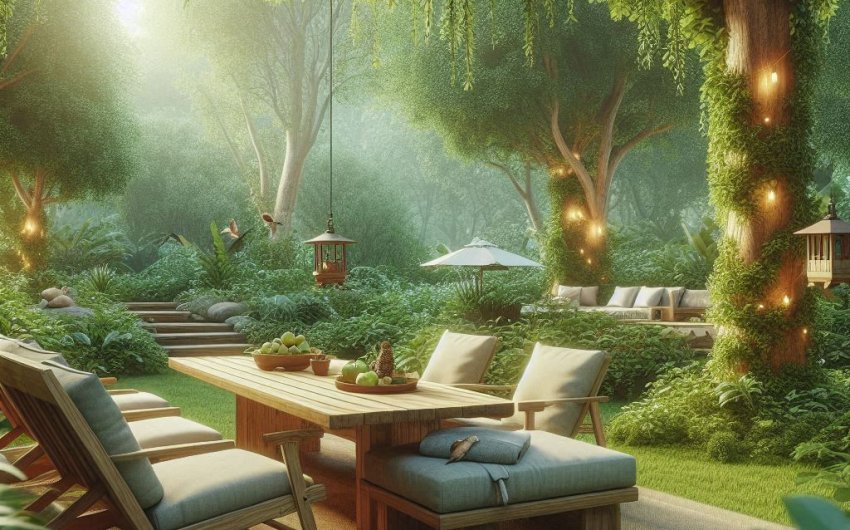
Designing a permaculture-inspired food forest is about creating a self-sustaining ecosystem that provides food, beauty, and ecological benefits. It's a living, breathing landscape designed to mimic natural woodland ecosystems, but with an emphasis on edible plants. While the plants themselves are the stars, the strategic placement of "furniture" – both functional and aesthetic elements – can significantly enhance the usability, comfort, and overall success of your food forest. Learning how to choose furniture for a permaculture-inspired food forest means embracing natural materials, durability, and a deep connection to the environment.
What is a Permaculture-Inspired Food Forest and Its Principles?
To choose furniture wisely, we first need to understand the core philosophy and design of a food forest.
What Exactly is a Food Forest?
A food forest (also known as a forest garden) is a multi-layered, perennial planting that mimics the structure and function of a natural forest ecosystem, but instead of wild plants, it's composed primarily of edible and useful species. It's a key concept in permaculture, which is a design system for sustainable living.
- Multi-layered: A food forest typically includes:
- Canopy Layer: Tallest fruit and nut trees (apples, pears, oaks).
- Understory Layer: Smaller fruit trees and large shrubs (hazelnuts, elderberries, pawpaws).
- Shrub Layer: Berry bushes (raspberries, blueberries).
- Herbaceous Layer: Perennial herbs and vegetables (rhubarb, asparagus, mint).
- Groundcover Layer: Spreading edible plants (strawberries, creeping thyme).
- Rhizosphere (Root) Layer: Root crops (potatoes, sunchokes).
- Vertical/Climber Layer: Vines (grapes, kiwis).
- Perennial-Focused: Relies heavily on plants that live for many years, reducing the need for annual planting.
- Self-Sustaining: Designed to require minimal human intervention once established, mimicking natural processes like nutrient cycling, pest control, and water management.
- Biodiversity: Promotes a diverse range of plant and animal life, creating a resilient ecosystem.
What Permaculture Principles Guide Food Forest Design?
The principles of permaculture are crucial for designing effective and sustainable food forests. These principles should also guide your furniture choices.
- Observe and Interact: Spend time observing your site (sun patterns, water flow, existing features) before designing.
- Catch and Store Energy: Utilize elements like rainwater harvesting, solar gain, and biomass accumulation.
- Obtain a Yield: Focus on productive systems that provide food, fiber, or other resources.
- Apply Self-Regulation & Accept Feedback: Design systems that are inherently stable and learn from failures.
- Use & Value Renewable Resources & Services: Prioritize natural and regenerative materials.
- Produce No Waste: Aim for closed-loop systems where outputs become inputs.
- Design from Patterns to Details: Start with large-scale concepts, then refine.
- Integrate Rather Than Segregate: Place elements in relation to each other so they support one another.
- Use Small & Slow Solutions: Favor gradual, sustainable changes over large, rapid ones.
- Use & Value Diversity: Polycultures are more resilient than monocultures.
- Use Edges & Value the Marginal: Productive ecosystems flourish at interfaces (e.g., pond edge).
- Creatively Use & Respond to Change: Adapt to evolving conditions.
When choosing furniture, think: Is it renewable? Does it reduce waste? Does it integrate naturally? Is it durable and long-lasting, minimizing future resource consumption?
What Are the Key Considerations for Furniture in a Food Forest?
Unlike a typical patio, furniture in a food forest needs to be highly integrated with the natural environment and permaculture principles.
1. Durability and Weather Resistance
Your furniture will be exposed to the elements year-round.
- Material Choice: Prioritize materials that can withstand rain, sun, wind, and temperature fluctuations without rapid deterioration, rust, or mold.
- Low Maintenance: Choose materials that require minimal upkeep (painting, sealing) to align with the low-input nature of permaculture.
- Longevity: Opt for furniture that will last for many years, reducing the need for replacement and further resource consumption.
2. Natural Materials and Aesthetics
A food forest is about immersing yourself in nature, so the furniture should blend seamlessly.
- Complement Nature: Choose materials that are visually harmonious with plants, soil, and natural textures.
- Eco-Friendly: Prioritize sustainable, renewable, or recycled materials that have a low environmental impact in their production and disposal. Avoid plastics, especially those that will break down into microplastics.
- Organic Shapes: Furniture with natural, organic shapes can feel more integrated than rigid, manufactured forms.
3. Functionality and Purpose
Every piece of furniture should serve a clear purpose within your food forest design.
- Observation Points: Create comfortable spots for observing your ecosystem at different times of day or year.
- Working Zones: Consider areas for processing harvests, starting seeds, or tool storage.
- Relaxation: Provide places for rest, reflection, and enjoying the abundance.
- Educational Opportunities: Some furniture can double as learning tools (e.g., a composting bench).
4. Integration with the Ecosystem
Can your furniture actively contribute to the food forest's health or function?
- Permeability: Consider surfaces that allow water to penetrate to the soil below (e.g., gravel paths instead of solid concrete).
- Biomass Creation: Could a bench be made from fallen logs that eventually decompose and feed the soil?
- Habitat: Can certain elements provide shelter for beneficial insects or small wildlife?
5. Comfort and Accessibility
While rugged, furniture should still be comfortable and easy to use.
- Ergonomics: Is it comfortable for sitting, working, or lounging?
- Accessibility: Is it easy to access for people of all ages and mobility levels? Consider wider paths or stable surfaces.
What Are the Best Furniture Ideas for a Permaculture-Inspired Food Forest?
Here are several creative and sustainable furniture ideas that align with permaculture principles.
1. Robust Seating: Benches and Stools
Seating is essential for observation, rest, and enjoying your harvest.
- Reclaimed Wood Benches:
- Material: Old barn wood, salvaged timbers, fallen tree trunks.
- Benefits: Highly sustainable, natural aesthetic, durable (especially cedar or redwood), can develop a beautiful patina. Avoid pressure-treated wood if it will be in contact with edibles.
- Placement: Along main pathways, at observation points, near productive areas for harvesting or weeding. A long, simple wood garden bench can offer ample seating.
- Stone Benches/Seats:
- Material: Large flat rocks, stacked stones (dry-stacked or mortared).
- Benefits: Extremely durable, requires no maintenance, integrates perfectly with natural landscapes, creates thermal mass (can absorb heat during the day and release it at night).
- Placement: Ideal for permanent, low-maintenance seating areas.
- Log Stools/Benches:
- Material: Sections of fallen logs or tree stumps.
- Benefits: Hyper-local, free (if sourced responsibly), perfectly natural, provides habitat as it slowly decomposes.
- Considerations: Will eventually break down (embrace this as part of the cycle), may require leveling for stability.
2. Work Surfaces: Tables and Potting Benches
Dedicated work areas make gardening tasks more pleasant and efficient.
- Outdoor Potting Bench (Reclaimed Materials):
- Material: Recycled pallets, salvaged lumber, old sinks for basins.
- Benefits: Provides a dedicated space for potting, mixing soil, and tool storage. Can be designed with shelves and hooks.
- Integration: Position near your compost system or seed-starting area. A sturdy wooden potting bench is a practical addition.
- Picnic Tables (Natural Wood):
- Material: Cedar, redwood, Douglas fir, or even treated pine (if well-sealed and not in direct contact with food forest soil).
- Benefits: Central gathering place for meals, processing harvests, or larger projects.
- Placement: In a sunny or dappled shade "room" within the food forest, away from intense plant competition.
3. Vertical Elements: Trellises, Arbors, and Pergolas
These structures are often living furniture, integrating seamlessly with plants.
- Living Trellises/Arbors:
- Material: Flexible branches (willow, hazel), bamboo poles, or sturdy reclaimed wood.
- Benefits: Provide vertical support for climbing edible plants (grapes, kiwi, passion fruit, pole beans, cucumbers). Create shade and define pathways.
- Integration: A wooden garden arbor can become a living gateway into a section of your food forest.
- Rustic Pergolas:
- Material: Rough-hewn lumber, large branches, or even living trees.
- Benefits: Creates a shaded seating area or outdoor "room." Supports edible vines that provide a "canopy" of food.
- Placement: Over a seating area or work surface to create a comfortable microclimate.
4. Storage Solutions: Tool Sheds and Bins
Keeping tools and supplies organized is key for efficiency in any garden.
- Small, Rustic Tool Shed:
- Material: Reclaimed wood, corrugated metal, natural thatch roofing.
- Benefits: Protects tools from the elements, keeps them organized and easily accessible. Can be designed to blend into the landscape.
- Integration: Consider a green roof for biodiversity or a rainwater harvesting system off its roof. A compact outdoor garden shed is practical.
- Compost Bins (Integrated):
- Material: Wooden pallets, wire mesh, concrete blocks, or repurposed barrels.
- Benefits: Not just furniture, but a core component of the permaculture nutrient cycle. Provides a dedicated space for breaking down organic waste.
- Integration: Can be designed as a three-bin system, or a simple pallet bin. Location should be accessible but not visually intrusive.
5. Water Features and Catchments
While not strictly furniture, these elements provide comfort and function.
- Bird Baths (Stone/Ceramic):
- Material: Natural stone, glazed ceramic.
- Benefits: Provides water for birds (natural pest control) and other wildlife. Adds visual and auditory appeal.
- Integration: A simple, shallow stone bird bath can be a beautiful focal point.
- Rain Barrels/Water Tanks:
- Material: Recycled food-grade barrels, repurposed cisterns.
- Benefits: Collects rainwater for irrigation, reducing reliance on municipal water. Can be integrated decoratively or disguised.
- Placement: Near a downspout from a shed or house roof.
6. Paths and Stepping Stones
While part of the hardscape, paths define movement and can be thought of as functional furniture.
- Material: Wood chips, gravel, stepping stones (flat rocks or reclaimed concrete pieces), log rounds.
- Benefits: Provide clear, dry access through the food forest, protecting soil from compaction and guiding visitors.
- Integration: Permeable paths allow water to soak into the ground. Wood chips will break down and feed the soil over time.
How Do You Design and Place Furniture within Your Food Forest?
Strategic placement is key to maximizing both the function and beauty of your chosen elements.
1. Observe and Analyze Your Site
- Sun and Shade Patterns: Where does the sun hit throughout the day and year? Place seating for morning sun, or afternoon shade, depending on desired use.
- Wind Patterns: Where are the most sheltered spots? Protect delicate seating areas from strong winds.
- Water Flow: Observe how water drains. Place permeable paths where water naturally flows.
- Existing Features: Work with existing trees, slopes, or structures.
2. Create "Rooms" and Zones
- Define Areas: Use paths, trellises, or strategically placed plants to create distinct "rooms" within your food forest:
- Harvesting Zone: Near productive plants, with a work surface.
- Relaxation Zone: Shaded, comfortable seating.
- Observation Point: A bench with a clear view of evolving plants or wildlife.
- Tool Storage/Utility: Near the entrance or less visible.
- Traffic Flow: Plan the layout to allow for easy movement between zones without trampling plants.
3. Consider Scale and Proportion
- Harmonize with Plants: Choose furniture that is proportionate to the size of your food forest and the plants within it. A massive bench in a tiny food forest will feel overwhelming.
- Vertical vs. Horizontal: Balance tall, upright plants with more horizontal furniture elements.
4. Think About Microclimates
- Shade: Use pergolas or arbors covered with vines to create cool, shaded seating areas.
- Windbreaks: Strategically place taller shrubs or a solid bench to act as a windbreak for a seating area.
- Thermal Mass: Stone benches can absorb sun during the day and radiate heat in the evening, extending comfort.
5. Prioritize Comfort and Accessibility
- Seating Comfort: Ensure benches and chairs are comfortable for long periods of enjoyment. Add outdoor cushions if desired (removable for weather protection).
- Path Width: Make paths wide enough for comfortable walking, perhaps even wide enough for a wheelbarrow if needed for maintenance.
- Even Surfaces: Ensure seating areas and main paths are level and stable for safety.
6. Plan for Maintenance
- Accessibility for Cleaning: Can you easily clean around and under your furniture?
- Material Maintenance: Consider the long-term maintenance of your chosen materials. A concrete or stone bench requires almost no upkeep, whereas a wooden bench might need occasional sealing.
By thoughtfully applying permaculture principles to your furniture choices and design, you can transform your food forest into a fully integrated, functional, and aesthetically pleasing outdoor space that truly embodies sustainable living. It's about creating living systems where every element serves multiple purposes, from providing comfort to enhancing ecological resilience.