
How Do I Care for a Rubber Tree (Ficus elastica) to Prevent Leaf Drop?
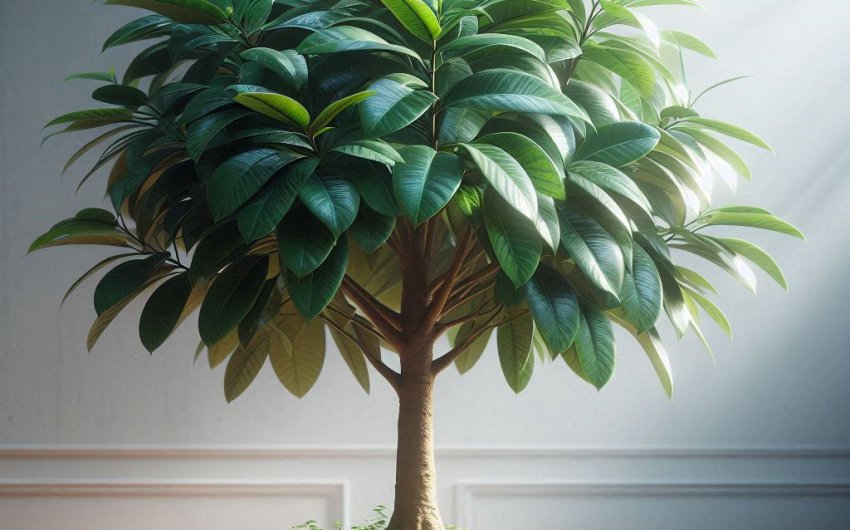
The rubber tree (Ficus elastica) is a truly stunning houseplant. With its large, glossy leaves – often a deep green, rich burgundy, or variegated with pink and cream – it brings a touch of tropical elegance to any home. It can grow quite tall, even reaching tree-like proportions indoors, making it a dramatic statement plant. However, many rubber tree owners eventually face a common and worrying problem: leaf drop. Seeing those beautiful leaves turn yellow and fall off can be disheartening. The good news is, rubber tree leaf drop is almost always a sign that your plant needs a little adjustment in its care. Let's learn how to understand what your Ficus elastica is telling you and keep its foliage full and vibrant.
What is a Rubber Tree and Why Does It Drop Leaves?
Before we dive into solutions, let's get familiar with the rubber tree and its natural habits.
Where Does the Rubber Tree Come From?
Rubber trees are native to tropical and subtropical regions of South Asia, specifically India and Malaysia. In their natural habitat, they can grow into massive trees, up to \(100\) feet tall, developing large trunks and aerial roots.
- Warm and humid: They thrive in consistently warm temperatures and high humidity.
- Bright, indirect light: In forests, they grow under the canopy of taller trees, meaning they get plenty of bright light but are protected from direct, scorching sun.
- Well-draining soil: They are used to soil that drains well but stays consistently moist.
Why Are My Rubber Tree Leaves Falling Off?
Leaf drop in a rubber tree is almost always a sign of stress. These plants are creatures of habit and don't like sudden changes. When their environment isn't quite right, their first response is often to shed leaves as a way to conserve energy or adapt to less-than-ideal conditions. It's their way of telling you something is wrong! Common causes include issues with watering, light, temperature, or even pests.
Top Reasons for Rubber Tree Leaf Drop (and How to Fix Them!)
Let's break down the most common reasons your Ficus elastica might be shedding leaves and what you can do about it.
1. Improper Watering: The Most Common Cause
This is hands-down the number one reason for rubber tree leaf drop. Both too much and too little water can cause problems.
Overwatering:
- How it looks: Leaves turn yellow, often starting from the bottom of the plant. They might feel soft or mushy. The soil will often feel constantly wet and may smell musty. Eventually, leaves will drop.
- Why it happens: When a rubber tree is overwatered, the roots sit in soggy soil, which starves them of oxygen. This leads to root rot, a fungal disease that prevents roots from taking up water and nutrients. The leaves then turn yellow and drop because they aren't getting what they need.
- The fix:
- Check soil moisture: Only water when the top \(2\) to \(3\) inches of soil are dry to the touch. Stick your finger in to feel.
- Drainage is key: Ensure your pot has drainage holes! Never let your plant sit in standing water in a saucer.
- Repot if severe: If you suspect root rot (mushy, smelly roots), gently remove the plant, prune away any rotted roots, and repot in fresh, well-draining potting mix.
- Learn to feel the weight: Lift the pot when it's dry and when it's just watered. You'll learn the difference in weight, which helps you know when to water.
Underwatering:
- How it looks: Leaves might curl inward or droop. They will often turn crispy and brown, sometimes starting at the edges, before eventually dropping. The soil will be bone dry.
- Why it happens: If the plant doesn't get enough water, it can't support all its leaves and will shed some to conserve moisture.
- The fix: Water thoroughly when the top \(2\) to \(3\) inches of soil are dry. Water until water drains out the bottom of the pot. If the soil has become very dry and compacted, you might need to bottom water by placing the pot in a basin of water for \(30\) minutes to an hour to allow the soil to soak up water from the bottom.
2. Insufficient Light: Not Enough Brightness
Rubber trees are not low-light plants. They need plenty of bright light to thrive.
- How it looks: Leaves may become duller in color, growth will slow significantly, and eventually, older (lower) leaves will yellow and drop. The new leaves might also be smaller.
- Why it happens: Without enough light, the plant can't perform photosynthesis (the process of turning light into energy) effectively. It then sheds leaves to reduce its energy demands.
- The fix:
- Bright, indirect light: Place your rubber tree near a window that gets plenty of bright light but where the direct sun's rays don't hit the leaves, especially hot afternoon sun. An east-facing window is often ideal. A south or west-facing window might be too intense without a sheer curtain.
- Rotate the plant: Turn your plant every week or two to ensure all sides get even light exposure.
- Supplemental lighting: If natural light is limited, consider using a grow light, especially during darker winter months. A good grow light for houseplants can make a big difference.
3. Temperature Extremes and Drafts: Too Hot, Too Cold, Too Windy
Rubber trees are tropical plants and prefer stable, warm temperatures.
- How it looks: Leaves might yellow, curl, or simply drop suddenly. Cold drafts can cause rapid leaf drop, often of otherwise healthy-looking leaves.
- Why it happens:
- Cold: Temperatures below \(50\) degrees Fahrenheit (\(10\) degrees Celsius) can shock the plant and cause leaves to drop. Cold drafts from open windows in winter or even being too close to an exterior door can also be problematic.
- Heat: While they like warmth, sudden intense heat (like from a heating vent) or temperature fluctuations can also stress them.
- The fix:
- Stable environment: Keep your rubber tree in a room with consistent temperatures, ideally between \(65\) and \(80\) degrees Fahrenheit (\(18\)-\(27\) degrees Celsius).
- Avoid vents and doors: Place the plant away from drafty windows, exterior doors that open frequently, and heating or air conditioning vents.
- Avoid sudden moves: Try not to move your plant from a warm spot to a cold spot suddenly.
4. Low Humidity: Dry Air Discomfort
While not as critical as for ferns, rubber trees appreciate higher humidity.
- How it looks: Leaf edges or tips might turn brown and crispy. This can make the leaves generally look less vibrant and eventually lead to drop.
- Why it happens: Our indoor air, especially in winter with heating, can be too dry for these tropical natives. Dry air pulls moisture from the leaves faster than the roots can supply it.
- The fix:
- Mist occasionally: Mist the leaves a few times a week with room-temperature water.
- Pebble tray: Place the pot on a saucer filled with pebbles and a little water (making sure the pot doesn't sit directly in the water).
- Humidifier: For very dry homes, a room humidifier can benefit your rubber tree and other houseplants. You can find effective humidifiers for plants.
5. Repotting Shock or New Environment
Rubber trees don't like change.
- How it looks: Leaves may drop a few days or weeks after repotting or moving to a new spot. This is especially common when bringing a new plant home.
- Why it happens: The plant is simply stressed by the change in its environment or the disturbance to its roots during repotting. It's a temporary reaction.
- The fix:
- Patience: Give the plant time to adjust. It's normal for it to lose a few leaves initially.
- Provide ideal conditions: Ensure all other care factors (watering, light, temperature) are perfect during this adjustment period to help it recover faster.
- Repotting: Only repot when necessary (e.g., root-bound). When you do, choose a pot only one size larger and be gentle with the roots.
6. Pests: Tiny Troubles
Pests can weaken your rubber tree and lead to leaf drop if not addressed.
- How it looks: Look for tiny bugs on the leaves (especially undersides), sticky residue (honeydew), or distorted/damaged leaves.
- Why it happens: Pests like spider mites, mealybugs, and scale insects feed on the plant's sap, weakening it and causing stress.
- The fix:
- Inspect regularly: Check your plant's leaves (top and bottom) regularly for signs of pests.
- Wipe leaves: Regularly wipe the leaves with a damp cloth to remove dust and deter pests.
- Insecticidal soap/Neem oil: For an infestation, treat with insecticidal soap or neem oil spray, ensuring thorough coverage. Repeat as directed until pests are gone. A good neem oil spray for plants can be very useful.
7. Nutrient Deficiencies or Over-fertilizing
- Nutrient Deficiency:
- How it looks: Yellowing, overall dullness, stunted growth. Oldest leaves might brown and drop first.
- Why it happens: The soil nutrients have been used up.
- The fix: Fertilize your rubber tree every \(2\) to \(4\) weeks during the spring and summer growing season with a balanced liquid houseplant fertilizer. Reduce or stop fertilizing in fall and winter.
- Over-fertilizing:
- How it looks: Similar to underwatering initially (crispy brown tips/edges), but you might also see a white crust of salt buildup on the soil surface.
- Why it happens: Too much fertilizer burns the roots.
- The fix: Flush the soil with plenty of water to leach out excess salts. Use fertilizer at half strength or less frequently.
General Care Tips to Keep Your Rubber Tree Thriving
Beyond fixing specific problems, consistent good care is the best way to prevent rubber tree leaf drop and encourage healthy growth.
What Kind of Pot and Soil Should I Use?
- Pot with drainage: Always use a pot with a drainage hole! This is non-negotiable for preventing root rot.
- Appropriate size: Don't put a small plant in a huge pot. A pot that's too big holds too much moisture. Only go up one size (e.g., from an \(8\)-inch to a \(10\)-inch pot) when repotting.
- Well-draining potting mix: Use a high-quality, well-draining potting mix. You can add perlite or bark chips to improve drainage if your mix seems too heavy. A good houseplant potting mix is crucial.
How Often Should I Repot My Rubber Tree?
- Every 1-2 years: Young, fast-growing rubber trees may need repotting every year or two.
- Check roots: Look for roots circling the bottom of the pot or coming out of the drainage holes. This means it's root-bound and needs a bigger pot.
- Fresh soil: Even if not root-bound, replenishing the soil every few years provides fresh nutrients and aeration.
How Do I Keep the Leaves Clean?
- Wipe leaves: Regularly wipe the large, glossy leaves with a damp, soft cloth to remove dust. Dust can block light and hinder photosynthesis. It also helps you spot pests early.
Can I Prune My Rubber Tree?
- Encourage bushiness: You can prune your rubber tree to control its height or to encourage it to branch out and become bushier. New growth will typically emerge from the node (where a leaf was attached) just below your cut.
- Leggy plants: If your plant is getting too tall and "leggy" (long stem with few leaves), pruning the top can help it branch lower down.
- Timing: Prune in spring or early summer when the plant is actively growing.
- Caution: Wear gloves when pruning, as the white milky sap (latex) can be irritating to skin and is toxic if ingested.
What About Winter Care?
- Reduced watering: Your rubber tree will grow more slowly in winter due to less light. Reduce watering frequency, allowing the soil to dry out more between waterings.
- Stable conditions: Protect it from cold drafts. If your home humidity drops a lot due to heating, consider using a humidifier.
- Less fertilizing: Do not fertilize in fall and winter.
By being mindful of these key care factors – especially watering and light – you can avoid the frustrating issue of rubber tree leaf drop. A happy Ficus elastica will reward you with years of beautiful, lush foliage, adding a striking tropical vibe to your living space. Pay attention to what your plant is telling you, and you'll be well on your way to a thriving rubber tree!