
What Are the Best Practices for Growing a Philodendron Pink Princess Indoors?
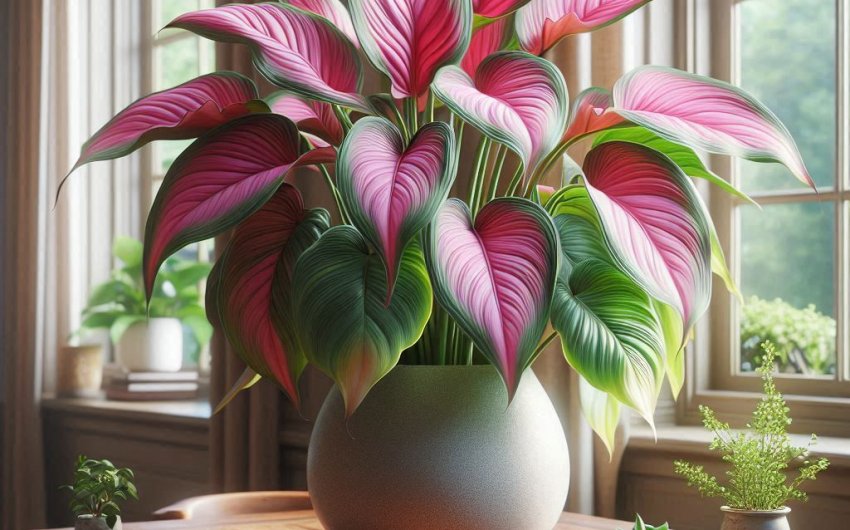
Few houseplants capture the imagination quite like the Philodendron Pink Princess. With its deep green, almost black, heart-shaped leaves splashed with vibrant, bubblegum pink variegation, it's a living work of art. This striking contrast makes it a highly sought-after plant among collectors and beginners alike, transforming any indoor space into a tropical haven with a touch of daring color.
However, the "Pink Princess" (often abbreviated to PPP by enthusiasts) isn't just a pretty face. To truly thrive and display its stunning variegation, it requires specific care. While it shares some general needs with its Philodendron cousins, its unique coloring means paying closer attention to certain environmental factors. Getting the light, water, and humidity just right is key to unlocking its full potential and ensuring those coveted pink splashes truly shine.
This comprehensive guide will delve into the best practices for growing a Philodendron Pink Princess indoors. We'll cover everything from finding the perfect spot for optimal variegation to mastering its watering needs, understanding soil requirements, and even troubleshooting common issues. Get ready to cultivate a truly regal specimen that will be the envy of your plant collection!
What makes Philodendron Pink Princess so special?
The Philodendron Pink Princess (Philodendron erubescens 'Pink Princess') stands out in the vast world of houseplants for several compelling reasons, making it a highly coveted and iconic plant among enthusiasts.
1. Striking variegation
This is undoubtedly its most famous feature. Unlike many variegated plants that feature white or yellow patterns, the 'Pink Princess' boasts a unique and vibrant pink variegation.
- Color palette: The base leaf color is a deep, dark green, almost black, creating a dramatic contrast with the bright, bubblegum pink splashes, streaks, and blocks that appear on the foliage. The exact amount and pattern of pink can vary from leaf to leaf, and even within the same plant.
- Irregular patterns: The variegation is often irregular, making each leaf a unique piece of art. Some leaves might be almost entirely green, others heavily splashed with pink, and some even half-and-half (known as "half-moon" leaves), creating endless visual interest.
- Why it's special: Natural pink variegation is relatively rare in the plant kingdom, and to have it presented on such a robust and attractive leaf shape makes the 'Pink Princess' truly exceptional.
2. Aroid family charm
As a member of the Philodendron genus (which belongs to the Araceae family, known as Aroids), the Pink Princess shares many desirable characteristics with its relatives.
- Heart-shaped leaves: Its iconic heart-shaped foliage is classic Philodendron, adding a lush, tropical feel to any space.
- Vining habit: It's a vining plant, meaning it will grow long stems and eventually trail or climb if given support. This allows for diverse display options, from hanging baskets to moss poles.
- Aerial roots: Like many Aroids, it produces aerial roots along its stems. These roots help the plant cling to surfaces in its natural habitat and absorb moisture from the air. In a home environment, they're a good sign of a healthy vining plant ready to climb.
3. "Rare" plant appeal
For a period, the Philodendron Pink Princess was considered a very rare and expensive plant, which further fueled its mystique and desirability. While its price has become more accessible in recent years due to increased propagation, it still retains that aura of being a special, premium houseplant. Its consistent beauty and unique pink color keep it high on many plant wish lists.
4. Statement piece
Due to its eye-catching variegation, a well-grown Philodendron Pink Princess instantly becomes a focal point in any room. It adds a pop of unexpected color and sophisticated elegance that can elevate your indoor decor. It's not just a green filler; it's a living art piece.
In essence, the Philodendron Pink Princess is special because it combines the easy-care nature of many Philodendrons with a truly unique and breathtaking visual appeal, making it a rewarding and stunning addition to any indoor plant collection.
What are the ideal light conditions for a Pink Princess?
Providing the ideal light conditions is arguably the most critical factor for a thriving and beautifully variegated Philodendron Pink Princess. The right light encourages vibrant pink splashes, while too little or too much can lead to disappointing results.
1. Bright, indirect light is paramount
- Sweet spot: The Philodendron Pink Princess absolutely thrives in bright, indirect light. This means it should be placed in a location where it receives plenty of ambient brightness but is not exposed to direct, unfiltered sunlight for prolonged periods.
- What it looks like: Think of a spot near a sunny window that gets bright light but is perhaps slightly shaded by a sheer curtain, or a few feet away from a very bright window.
- Why it's important: This type of light mimics the conditions under the canopy of trees in its native tropical habitat.
2. The role of light in variegation
- More light, more pink: The amount of light directly impacts the intensity and amount of pink variegation your plant produces.
- Optimal light: In bright, indirect light, the plant is stimulated to produce more chlorophyll in its green parts (for photosynthesis) but also expresses its pink pigments more vividly and abundantly.
- Too little light: If your Pink Princess doesn't get enough light, its new leaves will likely be mostly green, with very little or no pink variegation. The plant is trying to maximize its chlorophyll production to compensate for the low light, suppressing the pink. It might also become leggy (stretched out with long gaps between leaves).
- Too much direct light: Direct, intense sunlight (especially afternoon sun) can scorch the delicate variegated parts of the leaves, leading to crispy brown spots on the pink and green areas. It can also cause the pink to fade or become dull. The sun is too strong, effectively "bleaching" the color.
3. Best window locations
- East-facing window: Often ideal, providing gentle morning sun for a few hours and bright, indirect light for the rest of the day.
- North-facing window: Can work if it's a very large, unobstructed window, but might be too dim for really vibrant pinks, especially in winter.
- South or West-facing window: Excellent for brightness, but requires a sheer curtain or moving the plant a few feet back from the window to filter out harsh direct afternoon sun. The goal is bright light, not scorching rays.
4. Supplementing with grow lights
- Consistency: If you live in a climate with long, dark winters, or if your home simply lacks consistently bright natural light, a grow light can be an excellent investment.
- Type: Choose a full-spectrum LED grow light. A common choice is a Barrina T5 grow light.
- Placement: Place the grow light a safe distance from the plant (check manufacturer recommendations, often 12-24 inches) to provide consistent bright, indirect light for 10-14 hours a day. This is particularly helpful in promoting and maintaining vibrant pink variegation.
By carefully managing the light conditions, you'll ensure your Philodendron Pink Princess not only grows healthily but also proudly displays the spectacular pink splashes that make it so special.
How much water does a Philodendron Pink Princess need?
Getting the watering right is another critical aspect of Philodendron Pink Princess care. Like many aroids, they appreciate consistency but are highly susceptible to root rot if overwatered. The key is to find the perfect balance between moisture and allowing the roots to breathe.
1. The "damp but not soggy" rule
- Principle: Your Philodendron Pink Princess prefers its soil to be consistently moist, but it absolutely despises sitting in soggy, waterlogged conditions.
- Why it's important: Constantly wet soil deprives the roots of oxygen, leading to root rot, which is a common killer of houseplants. Rotting roots cannot absorb water, causing the plant to wilt (ironically, looking like it's underwatered).
2. When to water: The "dry top inch or two" method
- Check the soil: Before watering, always check the moisture level of the potting mix. Stick your finger 1-2 inches (2.5-5 cm) deep into the soil.
- Water when dry: If the top 1-2 inches of soil feel dry to the touch, it's time to water. If it still feels damp, wait a few more days and check again.
- Don't water on a schedule: Never water on a fixed schedule (e.g., "every Wednesday"). Your plant's watering needs will change based on the season, light levels, temperature, humidity, and even the size of its pot. Always check the soil first.
- Lift the pot: For smaller pots, you can also learn to gauge moisture by lifting the pot. A dry pot will feel significantly lighter than a wet one.
3. How to water: Thoroughly and with drainage
- Bottom watering (preferred): Many enthusiasts prefer bottom watering for Philodendrons. Place the potted plant in a sink or basin filled with about 2-4 inches (5-10 cm) of lukewarm water. Let the pot sit and soak up water through its drainage holes for 20-30 minutes, or until the top of the soil feels moist. This encourages roots to grow downwards.
- Top watering: If top watering, slowly pour water over the entire soil surface until you see water draining freely from the bottom of the pot. Ensure all the soil gets wet.
- Discard excess water: After watering, always allow the pot to drain completely for 15-30 minutes. Never let your Philodendron Pink Princess sit in standing water in its saucer, as this will lead to root rot.
4. Adjust for seasons and environment
- Growing season (Spring & Summer): During warmer months and active growth, your plant will use more water and may need watering more frequently.
- Dormant season (Fall & Winter): Growth slows down significantly in cooler, darker months. The plant will use much less water, and overwatering is a very common problem during this time. Reduce watering frequency.
- Humidity: Higher ambient humidity can slow down soil drying, so you might water less often.
- Light: Plants in brighter light will transpire more and dry out faster, requiring more frequent watering.
By mastering this "soak and dry" watering technique and adjusting to your plant's specific environment and seasonal needs, you'll provide the perfect moisture balance for your Philodendron Pink Princess to thrive and avoid the dreaded root rot.
What is the best potting mix for a Philodendron Pink Princess?
The potting mix you choose for your Philodendron Pink Princess is almost as important as light and watering. It needs to provide the right balance of drainage, aeration, and moisture retention to support its sensitive root system and mimic its natural tropical environment. Standard potting soil alone is usually not ideal.
1. Why standard potting soil isn't enough
- Too dense: Regular all-purpose potting soil is often too dense and holds onto too much moisture for Philodendrons, especially their delicate aerial roots.
- Lack of aeration: A dense mix can compact over time, reducing air pockets around the roots, leading to suffocation and root rot.
- Nutrient retention: While good for many plants, it may hold onto too many nutrients for a plant that prefers a slightly leaner environment.
2. The ideal qualities of a potting mix
The best potting mix for a Philodendron Pink Princess should be:
- Well-draining: Excess water must be able to flow out easily and quickly to prevent soggy conditions.
- Aerated (chunky): Plenty of air pockets are crucial for healthy root respiration.
- Moisture-retentive (but not soggy): It needs to hold enough moisture to keep the roots consistently damp between waterings without becoming waterlogged.
- Slightly acidic: Philodendrons generally prefer a slightly acidic to neutral pH (around 6.0-7.0).
3. Key components for a custom mix
The best approach is often to create your own "chunky aroid mix" using a combination of different materials. Here are the common components:
- Base (Potting Soil / Coco Coir):
- High-quality potting soil: Use a well-draining, peat-free or peat-reduced potting mix as your base. This provides initial nutrients and retains some moisture.
- Coco Coir: An excellent alternative to peat moss. It's sustainable, has good water retention, and improves aeration.
- Ratio: Start with about 1 part of your chosen base.
- Aeration (Perlite / Pumice):
- Perlite: Lightweight, white volcanic glass that greatly improves drainage and aeration. It's inexpensive and widely available. A large bag of perlite is essential for any plant parent.
- Pumice: Another excellent porous, inorganic material that doesn't break down quickly. Provides aeration and some moisture retention.
- Ratio: Add about 1 part of perlite or pumice (or a mix of both).
- Chunkiness / Drainage (Orchid Bark / Horticultural Charcoal):
- Orchid Bark (fir bark): Adds significant chunkiness, promoting excellent airflow and drainage. It also provides some moisture retention as it's slightly absorbent. Choose smaller grades for houseplants.
- Horticultural Charcoal: Improves drainage, absorbs impurities and odors, and helps prevent bacterial/fungal growth.
- Ratio: Add about 0.5 to 1 part of orchid bark, with an optional smaller amount of horticultural charcoal.
- Worm Castings (optional nutrient boost):
- Add a small amount (e.g., a handful per pot) of worm castings for a slow-release, natural nutrient boost.
4. Recommended mix recipes (starting points)
- Basic Aroid Mix: 1 part high-quality potting mix / coco coir + 1 part perlite + 1 part orchid bark.
- More Chunky (for plants prone to overwatering): 1 part high-quality potting mix / coco coir + 1 part perlite + 1.5 parts orchid bark + 0.5 part horticultural charcoal.
5. Why the right mix matters for aerial roots
The chunky nature of these mixes also benefits the plant's aerial roots. In nature, these roots cling to trees and absorb moisture and nutrients from the air and tree bark. In a pot, a chunky mix allows these roots to explore and breathe within the substrate, promoting overall plant health.
By using a well-draining, airy potting mix, you'll create an environment that closely mimics the Philodendron Pink Princess's natural habitat, greatly reducing the risk of root rot and encouraging robust growth and stunning variegation.
What humidity levels does a Pink Princess prefer?
Like most Philodendrons and other tropical houseplants, the Philodendron Pink Princess originates from humid jungle environments. Therefore, providing adequate humidity levels in your home is vital for its health, growth, and overall appearance. Low humidity is a common stressor that can lead to various problems.
1. Why humidity is important
- Natural habitat: In their native habitat, Philodendrons experience consistently high humidity, often above 60-80%. Their leaves and aerial roots are adapted to absorb moisture from the air.
- Preventing crisping and browning: In dry indoor environments (especially common in winter with heating systems or in arid climates), the plant loses water through its leaves (transpiration) faster than its roots can take it up. This leads to common symptoms like:
- Crispy or brown leaf edges and tips.
- Slow or stunted growth.
- Leaves failing to unfurl properly, sometimes getting stuck.
- Overall dull appearance or lack of vigor.
- Supporting aerial roots: High humidity encourages healthy development of aerial roots, which help the plant cling to supports and absorb moisture.
2. Ideal humidity range
- The Philodendron Pink Princess thrives when humidity levels are consistently above 60%. Levels between 50-60% can be acceptable, but anything below 40-50% will likely cause stress over time.
3. How to increase humidity
If your home's air is dry, there are several effective ways to boost the humidity around your Pink Princess:
- Humidifier (most effective): This is the best and most consistent way to increase ambient humidity for your plant (and for yourself!). A room humidifier placed near your plant or in the room where it resides will provide a continuous source of moisture.
- Pebble Tray: Place the potted plant on a shallow tray filled with pebbles and water. Ensure the bottom of the pot is not sitting in the water, as this can lead to root rot. As the water evaporates from the pebbles, it creates a localized zone of higher humidity around the plant. This is a good solution for individual plants or small groups.
- Grouping Plants: Plants naturally release moisture into the air through a process called transpiration. Grouping several houseplants together can create a beneficial microclimate with slightly higher humidity.
- Location: Avoid placing your Pink Princess near drafty windows, air conditioning vents, or heating vents, as these can drastically dry out the air around the plant. Kitchens and bathrooms often have naturally higher humidity levels, making them good spots for humidity-loving plants.
- Terrariums or cloches (for small plants): For smaller Pink Princess plants or cuttings, temporarily placing them in a terrarium, a clear plastic bag, or under a glass cloche can create a miniature high-humidity environment. Ensure good airflow within to prevent fungal issues.
- Misting (least effective as sole solution): While many people mist their plants, it provides only a very temporary boost in humidity (minutes, not hours). If done frequently and correctly (a fine mist from a plant mister around the foliage, not directly on it), it can help a little, but relying solely on misting is generally insufficient for Calatheas. It can also encourage fungal issues if water sits on leaves for too long.
By paying attention to and providing consistent humidity levels, you'll help your Philodendron Pink Princess maintain its lush foliage, unfurl new leaves easily, and showcase its stunning variegation without crispy edges.
How and when should you fertilize a Philodendron Pink Princess?
Fertilizing your Philodendron Pink Princess provides essential nutrients to support its vigorous growth and vibrant variegation. However, like with watering, balance is key – too much fertilizer can harm the plant, while too little can lead to stunted growth.
1. Why fertilize?
- Nutrient replenishment: As your plant grows and you water it, nutrients in the potting mix are used up or leached out. Fertilizer replenishes these nutrients.
- Vigorous growth: Adequate nutrients support the plant's overall health, encouraging new leaves and robust stem growth.
- Variegation: While light is the primary driver of variegation, a healthy, well-nourished plant is better equipped to express its genetic potential for color.
2. When to fertilize: The "growing season" rule
- Active growth: Only fertilize your Philodendron Pink Princess during its active growing season, which is typically spring and summer. This is when the plant is putting out new leaves and needs extra energy.
- Dormancy: Do NOT fertilize in fall and winter. During these cooler, darker months, most houseplants slow down their growth and may even enter a period of dormancy. Fertilizing during dormancy can lead to a build-up of salts in the soil, which can burn the roots and damage the plant.
- New plants/recent repotting: Avoid fertilizing newly acquired plants for at least a month, to allow them to acclimate. Also, don't fertilize immediately after repotting, as fresh potting mix usually contains enough nutrients for a few weeks to months.
3. What type of fertilizer to use
- Balanced liquid fertilizer: A liquid fertilizer specifically formulated for houseplants or a general-purpose balanced fertilizer (e.g., 5-5-5 or 10-10-10 NPK ratio) is a good choice.
- Dilution is key: This is the most important rule for Philodendrons. Always dilute the fertilizer to half or even quarter strength of what the package recommends. Philodendrons are sensitive to over-fertilization, which can cause root burn and yellowing leaves. A liquid fertilizer like Schultz Liquid Plant Food is easy to dilute.
- Slow-release granular (optional): Some gardeners prefer slow-release granular fertilizers mixed into the soil, which release nutrients over several months. If using these, follow the package instructions carefully and avoid adding too much.
4. How often to fertilize
- Moderation: During the growing season (spring and summer), fertilize your Philodendron Pink Princess about once every 2-4 weeks at the diluted strength.
- After watering: Always apply fertilizer to soil that is already slightly damp, not bone dry. This helps prevent root burn. You can water your plant first, then follow up with the diluted fertilizer solution.
5. Signs of over-fertilization
- Yellowing or browning leaf tips/edges: This is a classic sign of fertilizer burn.
- Crispy roots: If you unpot the plant, roots might look blackened and crispy.
- White crust on soil surface: A sign of salt build-up from excess fertilizer.
- Sudden wilting: Can occur if roots are severely burned.
6. What to do if you over-fertilize
- Flush the soil: If you suspect over-fertilization, drench the soil with plain, lukewarm water several times (allowing it to drain thoroughly between flushes). This helps wash away excess salts.
- Repot: In severe cases, repotting into fresh soil might be necessary.
By fertilizing your Philodendron Pink Princess regularly but sparingly and only during its active growth period, you'll provide the necessary nutrients for a healthy, robust plant that continues to produce those coveted vibrant pink leaves.
How do you provide support and prune a Philodendron Pink Princess?
The Philodendron Pink Princess is a vining plant, and understanding how to provide support and when and how to prune it will significantly impact its growth habit, overall health, and the intensity of its variegation.
1. Providing support for climbing
- Vining nature: In its natural habitat, Philodendron erubescens climbs trees, using its aerial roots to cling to surfaces. Replicating this support indoors is crucial for robust growth and often leads to larger leaves and better variegation.
- Why support is beneficial:
- Larger leaves: Philodendrons tend to produce larger, more mature leaves when they have something to climb on.
- Stronger growth: Climbing encourages the stem to strengthen and grow thicker.
- Better variegation: While light is primary, a well-supported, mature plant often displays more stable and impressive variegation.
- Aesthetics: It creates a more upright and architectural look compared to a sprawling or trailing plant.
- Types of support:
- Moss Pole (highly recommended): A moss pole or a coco coir pole is ideal. The plant's aerial roots can latch onto the moist moss or coir, mimicking a tree trunk.
- Installation: Place the moss pole in the pot when you first get the plant or when repotting. Gently guide the stem(s) towards the pole and use soft plant ties or clips to secure them initially.
- Maintenance: Keep the moss pole damp by misting it or watering it when you water the plant. This encourages aerial roots to root into the pole.
- Trellis: A small indoor trellis can also provide good support, especially for younger plants.
- Stake: A simple wooden or bamboo stake can offer temporary support, but the plant won't be able to root into it.
- Moss Pole (highly recommended): A moss pole or a coco coir pole is ideal. The plant's aerial roots can latch onto the moist moss or coir, mimicking a tree trunk.
- Trailing: If you prefer a trailing look (e.g., in a hanging basket), allow the stems to cascade. While still beautiful, the leaves might remain smaller and the variegation might not be as pronounced as with a climbing plant.
2. Pruning for health and variegation
Pruning a Philodendron Pink Princess can serve several purposes: maintaining shape, promoting bushiness, and encouraging better variegation.
- When to prune: The best time to prune is during the active growing season (spring or summer) when the plant can quickly recover and produce new growth.
- Tools: Always use sharp, sterile pruning shears or scissors. Sterilize them with rubbing alcohol before each use.
- Reasons for pruning:
- To encourage bushiness: If your plant is getting leggy (long stems with sparse leaves) or you want a bushier appearance, you can prune the main stem(s). Cut just below a node (where a leaf or aerial root emerges). New growth will typically branch out from the node(s) below the cut, leading to a fuller plant.
- To manage size and shape: Prune back overgrown stems to keep the plant at a manageable size or to sculpt its form.
- To remove unvariegated or "reverted" sections: Sometimes, a Pink Princess will start producing entirely green leaves, losing its variegation. This is called reversion.
- Solution: Identify the part of the stem that is producing all-green leaves. Trace it back to where the last variegated leaf appeared. Prune the stem just below that point. This encourages the plant to put energy into the variegated sections and hopefully produce new, pinker growth from the node below the cut.
- To remove damaged or yellowing leaves: Prune away any yellow, brown, or damaged leaves to redirect the plant's energy to healthy growth. Cut them off at the base of the stem or petiole.
- Propagation: The cuttings you take during pruning can often be propagated to create new Philodendron Pink Princess plants!
By actively providing support and strategically pruning your Philodendron Pink Princess, you'll guide its growth, enhance its beauty, and ensure it remains a healthy and stunning centerpiece in your indoor garden.
How do you troubleshoot common Philodendron Pink Princess problems?
Even with the best care, your Philodendron Pink Princess might occasionally show signs of distress. Understanding common problems and how to troubleshoot them will help you quickly diagnose and resolve issues, keeping your plant healthy and vibrant.
1. Lack of pink variegation (new leaves are mostly green)
- Problem: New leaves are coming out mostly or entirely green, or the pink is very dull.
- Cause: This is almost always due to insufficient light. The plant is trying to compensate for low light by producing more chlorophyll (green pigment) to photosynthesize effectively, at the expense of its pink variegation.
- Solution:
- Increase light: Move the plant to a brighter location with more bright, indirect light.
- Add a grow light: If natural light is limited, supplement with a full-spectrum LED grow light.
- Prune reverted stems: If an entire stem has reverted to all-green leaves, prune it back to the last leaf that had good variegation. This encourages the plant to put energy into the variegated parts.
2. Brown, crispy leaf edges or tips
- Problem: The edges or tips of the leaves are turning brown and crispy.
- Cause:
- Low humidity: The most common culprit. The air is too dry, causing the plant to lose moisture through its leaves faster than its roots can absorb it.
- Underwatering: Less common, but very prolonged underwatering can also lead to crispy leaves.
- Fertilizer burn: Too much fertilizer can cause salt buildup that burns the leaf tips.
- Solution:
- Increase humidity: Use a humidifier, pebble tray, or group plants together.
- Adjust watering: Ensure you're watering thoroughly when the top inch or two of soil is dry.
- Flush soil: If you suspect fertilizer burn, flush the soil with plenty of plain water to wash out excess salts. Reduce future fertilizer strength/frequency.
3. Yellowing leaves
- Problem: Leaves are turning yellow.
- Cause:
- Overwatering/Root Rot: The most common reason. Yellowing often comes with mushy or droopy leaves, and soggy soil.
- Nutrient deficiency: Less common, but overall yellowing of older leaves can indicate a lack of nitrogen or other nutrients.
- Natural aging: Older, lower leaves will naturally yellow and drop off over time.
- Light stress: Too much direct sun can sometimes cause yellowing as a form of sunburn.
- Solution:
- Check watering: Feel the soil deeply. If wet, immediately address potential root rot (unpot, prune, repot in fresh soil).
- Fertilize: If soil is dry and plant hasn't been fertilized, give it a diluted feed during the growing season.
- Adjust light: If in harsh direct sun, move to brighter indirect light.
- Observe: If it's just one or two old leaves, it might be normal.
4. Drooping or wilting leaves
- Problem: Leaves are limp and drooping.
- Cause:
- Underwatering: Soil is bone dry. Leaves are limp but not mushy. (Easy fix: water thoroughly).
- Overwatering/Root Rot: Soil is wet or soggy. Leaves are limp and often yellowing or mushy. (Serious fix: unpot, prune, repot).
- Temperature shock: Sudden cold drafts or extreme heat.
- Solution: Carefully assess soil moisture. This is the key differentiator between underwatering and overwatering. Then apply the appropriate solution.
5. Stunted growth or small new leaves
- Problem: The plant isn't growing much, or new leaves are significantly smaller than older ones.
- Cause:
- Insufficient light: The plant doesn't have enough energy to grow.
- Lack of nutrients: Needs fertilizer during the growing season.
- Root bound: Plant has outgrown its pot and roots are circling, inhibiting growth.
- Low humidity: Leads to overall stress and slow growth.
- Solution: Check light, fertilize during growing season, check for root-boundness (repot if needed), increase humidity.
6. Pests (Mealybugs, Spider Mites, Thrips)
- Problem: Visible tiny bugs, sticky residue, fine webbing, or distorted new growth.
- Cause: Infestation by common houseplant pests.
- Solution: Isolate the plant. Treat with insecticidal soap, neem oil, or manually remove pests (e.g., with rubbing alcohol swabs for mealybugs). Repeat treatments consistently to break the pest life cycle.
By being observant and knowing these troubleshooting tips, you can keep your Philodendron Pink Princess not just alive, but thriving, displaying its full, spectacular pink variegation.