
How Can I Ensure Proper Drainage for My African Violet (Saintpaulia)?
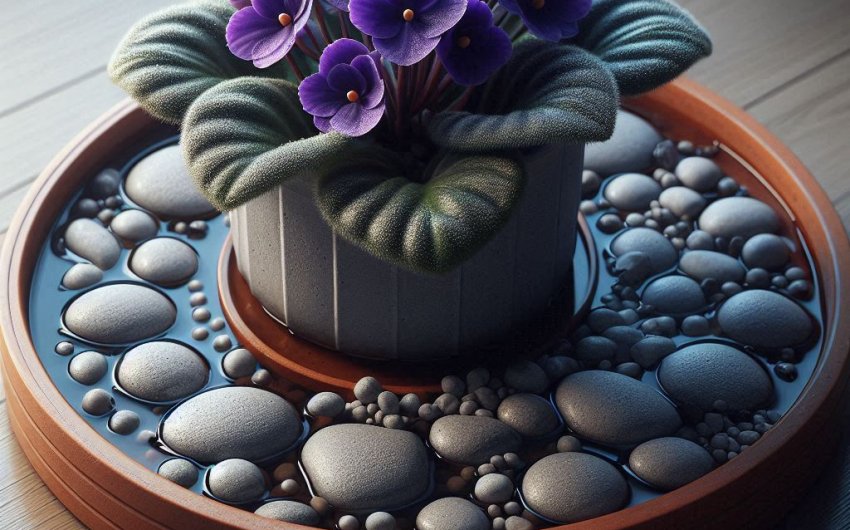
African Violets (Saintpaulia) are beloved houseplants, cherished for their vibrant, velvety flowers and compact size. They bring a touch of elegance and color to any indoor space, and with the right care, they can bloom almost continuously throughout the year. However, these beautiful plants have a particular sensitivity that often trips up even experienced plant enthusiasts: their roots absolutely despise sitting in soggy soil. Ensuring proper drainage is not just important for African Violets; it's arguably the single most critical factor for their survival and prolific blooming. Without it, their delicate roots quickly succumb to rot, leading to a rapid decline and ultimately, plant death. This guide will delve deep into every aspect of providing the perfect drainage for your African Violet, from choosing the right pot and soil to mastering watering techniques, ensuring your plant thrives for years to come.
Why is Proper Drainage So Crucial for African Violets?
African Violets are native to the East African cloud forests, where they grow on mossy rocks or in thin layers of organic matter. This natural habitat gives us vital clues about their preferences: they like consistent moisture but absolutely no standing water around their roots.
The Threat of Root Rot
The biggest enemy of an African Violet is root rot. This happens when roots sit in waterlogged soil for too long, depriving them of oxygen.
- Lack of Oxygen: Plant roots, just like us, need oxygen to "breathe" and carry out their essential functions, like absorbing water and nutrients. When soil is saturated with water, the air pockets are filled with water, cutting off the oxygen supply.
- Anaerobic Conditions: This creates anaerobic conditions (meaning "without oxygen") in the soil. These conditions are perfect for harmful fungi and bacteria that thrive in oxygen-deprived environments.
- Root Damage: These pathogens attack the suffocated roots, causing them to turn soft, mushy, and brown or black. Once the roots are damaged, the plant can no longer take up water and nutrients, even if the soil itself is wet.
- Above-Ground Symptoms: You might see signs of root rot above ground, such as wilting leaves (even though the soil is wet!), yellowing leaves, mushy stems, stunted growth, and eventually, the entire plant collapsing.
African Violets Are Particularly Sensitive
While many houseplants suffer from root rot, African Violets are especially susceptible for a few reasons:
- Delicate Root Systems: They have fine, fibrous root systems that are easily damaged by excess moisture.
- Compact Growth: Their rosette-like growth habit can make it harder for air to circulate around the base of the plant if the soil is too wet.
Ensuring water can flow freely through the potting mix and out of the pot is the fundamental step to keeping your African Violet healthy and vibrant.
Choosing the Right Pot for Drainage
The pot itself plays a huge role in drainage. Forget about aesthetics for a moment; function comes first.
1. Drainage Holes Are Non-Negotiable
This is the golden rule. An African Violet pot must have drainage holes at the bottom. Without them, water has nowhere to go, guaranteeing root rot.
- One large hole or several small ones? Either is fine, as long as water can exit freely.
- Saucers: Always place a saucer or tray underneath to catch excess water, but make sure to empty the saucer within 15-30 minutes after watering. Don't let the plant sit in standing water.
2. Pot Material: Plastic vs. Terracotta
Both have pros and cons, but plastic often wins for African Violets.
Plastic Pots
- Pros:
- Retain Moisture: Plastic is non-porous, so it doesn't absorb water from the soil. This means the potting mix stays moist longer, reducing the frequency of watering. This is often preferred for African Violets because they like consistent moisture (but not sogginess).
- Lightweight: Easy to move.
- Inexpensive: Readily available and affordable.
- Cons:
- Less Breathable: Roots get less air through the pot walls compared to terracotta.
- Overwatering Risk: Because they retain moisture, it's easier to overwater if you're not careful.
- Recommendation: Many experienced African Violet growers prefer plastic pots due to their ability to maintain consistent moisture. Look for specially designed African Violet plastic pots that are typically shallower and wider.
Terracotta (Clay) Pots
- Pros:
- Breathable: The porous nature of terracotta allows air to pass through the pot walls, providing more oxygen to the roots.
- Evaporates Water: Water evaporates through the sides of the pot, causing the soil to dry out faster. This reduces the risk of overwatering.
- Cons:
- Dries Out Quickly: You'll need to water more frequently, sometimes daily in warm, dry conditions. This can be problematic for African Violets which prefer consistent moisture.
- Can Wick Moisture: If placed on an absorbent surface, terracotta can wick moisture away from the plant too quickly.
- Salt Buildup: Mineral salts from water or fertilizer can accumulate on the outside of the pot, leaving white crusty rings.
- Recommendation: While good for drainage, terracotta might dry out African Violet soil too quickly unless you are extremely diligent with watering. If you use terracotta, be extra vigilant about checking soil moisture.
3. Pot Size: Don't Go Too Big!
This is a very common mistake. An African Violet should be planted in a pot that is relatively small compared to the size of the plant.
- Rule of Thumb: The diameter of the pot should be about one-third the diameter of the plant's leaf span. So, for a plant with a 9-inch leaf span, use a 3-inch pot.
- Why small is better:
- Less Excess Soil: A smaller pot means less excess potting mix that can hold onto water.
- Faster Drying: The soil in a smaller pot dries out more quickly, reducing the risk of root rot.
- Encourages Blooming: African Violets often bloom better when their roots are slightly pot-bound.
- Repotting: Only repot when the plant outgrows its pot (roots fill the pot, or leaves extend well beyond the pot's edge), and only go up one pot size at a time.
4. Self-Watering Pots
Some African Violet enthusiasts swear by self-watering pots. These pots have a reservoir at the bottom that holds water, and a wicking system (often a wick or a false bottom) that draws water up into the soil as the plant needs it.
- Pros: Provide consistent moisture to the roots, which African Violets love, without the risk of overwatering the top. Reduces watering frequency.
- Cons: Still require a suitable potting mix. The reservoir needs to be refilled regularly. Some gardeners find they can still lead to soggy conditions if the mix is too heavy or the reservoir is constantly full.
- Recommendation: Can be a great option, especially for busy gardeners. Look for African Violet self-watering pots.
Choosing and Creating the Perfect Potting Mix for Drainage
The potting mix you use is just as important as the pot itself, if not more so. Standard all-purpose potting mixes are usually too heavy and dense for African Violets.
Characteristics of an Ideal African Violet Mix
The best mix for African Violets is:
- Extremely well-draining: Water should flow through it almost instantly.
- Lightweight and airy: Provides plenty of air pockets for roots.
- Retains some moisture: Not so fast-draining that it dries out instantly.
- Slightly acidic: African Violets prefer a pH of about 6.0 to 6.5.
Ingredients in an African Violet Mix
A quality African Violet potting mix is usually a blend of at least three main components:
Peat Moss or Coco Coir (for Moisture Retention & Acidity/Neutrality):
- Peat Moss: The traditional base. It's lightweight and holds a lot of water while still providing some aeration. It's naturally acidic, which African Violets like. Look for sphagnum peat moss.
- Coco Coir: A sustainable alternative to peat. It also holds moisture well, provides aeration, and re-wets easily. It's generally pH neutral.
- Ratio: Often makes up 50% or more of the mix.
Perlite or Coarse Sand (for Aeration & Drainage):
- Perlite: This is crucial. It's a lightweight, porous volcanic rock that creates excellent air pockets and allows water to flow through rapidly. It doesn't absorb water itself, but its irregular shape keeps the mix from compacting.
- Coarse Sand (Horticultural Sand): Not fine playground sand, which can compact. Coarse horticultural sand or grit can also improve drainage.
- Ratio: Usually 25-40% of the mix.
Vermiculite (for Moisture Retention & Aeration):
- Vermiculite: This mineral expands when heated, creating lightweight, absorbent flakes. Unlike perlite, it does absorb water, so it helps keep the mix consistently moist, while still contributing to aeration.
- Ratio: Often 10-25% of the mix.
Commercial African Violet Mixes
You can buy pre-made African Violet potting mix at garden stores. These are usually formulated with the right balance of these ingredients.
- Check Ingredients: Even with commercial mixes, check the ingredient list to ensure it's light and airy. Some cheaper "potting soils" might be too heavy.
- Avoid "Potting Soil": Never use standard potting soil or garden soil, as they will compact and lead to root rot.
Making Your Own African Violet Mix
Many enthusiasts prefer to mix their own to achieve the perfect balance and save money. A common recipe is:
- 1 part Peat Moss or Coco Coir
- 1 part Perlite
- 1 part Vermiculite
You can adjust these ratios slightly based on your environment and watering habits. For example, if you tend to overwater, add a bit more perlite.
Important Note on Drainage Layers (DO NOT Use Them!)
It's a common myth that putting a layer of gravel, broken pot pieces, or even sand at the bottom of the pot improves drainage. This is false and actually harmful.
- Perched Water Table: A drainage layer creates a "perched water table" where water collects just above the gravel, leading to a saturated zone right where your roots are. Water will only drain from the top soil once the layer above the gravel is fully saturated.
- Decreases Drainage: Instead of helping, it makes the effective rooting depth shallower and creates a soggy zone.
- Conclusion: Never put anything at the bottom of your African Violet pot except potting mix.
Watering Techniques for Optimal Drainage and Health
Even with the perfect pot and mix, improper watering can still lead to drainage issues and root rot. How you water is just as important as what you water with.
1. Water from the Bottom (Wick Watering or Capillary Mat)
This is the preferred method for many African Violet growers, as it allows the plant to take up water as it needs it, avoiding wet leaves and crown rot.
Wick Watering
- How it works: A nylon or acrylic wick is threaded through the drainage hole of the pot, extending into the potting mix and dangling into a water reservoir below. The wick draws water up into the soil by capillary action.
- Pros: Provides continuous, consistent moisture. Prevents leaves from getting wet (which can cause spots or rot).
- Setup: You'll need a specialized African Violet wick pot or make your own by threading a nylon wick through a regular pot's drainage hole.
- Maintenance: Ensure the reservoir is filled with room-temperature water. Flush the soil by top-watering every few weeks to prevent salt buildup.
Capillary Mat Watering
- How it works: A thick, absorbent mat (like a capillary mat for plants) is placed on a waterproof tray. The mat is kept consistently moist, and pots with drainage holes are placed directly on the mat. The soil in the pots absorbs water from the mat.
- Pros: Can water multiple plants at once. Consistent moisture. Prevents wet leaves.
- Setup: Cut the mat to fit your tray. Keep the mat evenly moist.
- Maintenance: Periodically flush soil by top-watering.
2. Water from the Top (Carefully!)
If you don't use bottom watering, top watering is fine, but you must be very careful.
- Use Room-Temperature Water: Cold water can shock the plant and cause unsightly spots on leaves.
- Avoid the Leaves and Crown: African Violets are extremely sensitive to water on their leaves (especially cold water) and in their crown (the center where new leaves emerge). Water on these parts can cause unsightly brown spots or, worse, fatal crown rot.
- Application: Use a watering can with a long, thin spout to direct water only to the soil. Water slowly and evenly until you see water draining from the bottom holes.
- Empty Saucer: Immediately empty any standing water from the saucer within 15-30 minutes.
3. Knowing When to Water
This is often where root rot problems begin. Never water on a schedule. Always check the soil moisture.
- The "Feel" Test: Stick your finger about 1 inch deep into the potting mix. If it feels dry, it's time to water. If it feels even slightly damp, wait.
- Lifting the Pot: Over time, you'll learn the weight of your potted plant. A dry pot will feel noticeably lighter than a wet one.
- Don't Let It Dry Out Completely: While good drainage is key, African Violets don't like to dry out completely. Aim for consistently moist soil, not soggy, and not bone dry.
- Wilting: If your plant starts to wilt slightly, it's usually a sign of underwatering. Water immediately. However, if it wilts and the soil is wet, it's likely root rot – which means it's underwatering due to damaged roots.
Other Factors Affecting Drainage and African Violet Health
Even with perfect pot and soil, other environmental factors can influence drainage and overall health.
Air Circulation
Good air circulation helps the potting mix dry out more evenly and reduces the risk of fungal diseases (like crown rot) that thrive in stagnant, humid conditions.
- Don't Crowd Plants: Space your African Violets so air can flow around them.
- Fan: In humid or stagnant environments, a small oscillating fan for plants can provide gentle air movement.
Temperature and Humidity
- Optimal Temperature: African Violets thrive in temperatures between 65-75°F (18-24°C). Temperatures outside this range can stress the plant and make it more susceptible to problems.
- Humidity: While mites hate humidity, African Violets love it (50-60% is ideal). Higher humidity helps the leaves, but good soil drainage is still crucial for roots. If humidity is very high, soil may dry slower, so adjust watering.
Fertilization
- Avoid Over-Fertilizing: Too much fertilizer can lead to a buildup of salts in the soil, which can harm roots and affect drainage.
- Leaching/Flushing: Periodically (e.g., every 1-2 months), thoroughly drench the soil with plain water until a lot drains from the bottom. This helps flush out excess salts. (This is especially important with bottom-watering methods). Use a balanced African Violet fertilizer at a diluted strength.
Repotting
- Regular Repotting: Repot your African Violet annually or bi-annually, even if you keep it in the same size pot. This refreshes the potting mix, which degrades over time, becoming compacted and less effective at drainage and aeration. When repotting, gently remove old soil and any unhealthy roots.
Ensuring proper drainage for your African Violet is a multi-faceted process, encompassing the right pot, the ideal potting mix, and diligent watering techniques. It requires attention to detail and a commitment to understanding the specific needs of this beautiful plant. By mastering these elements, you'll be well on your way to cultivating robust, continuously blooming African Violets that are a joy to behold in your home.