
What Specific Care Does a Ponytail Palm (Beaucarnea recurvata) Need?
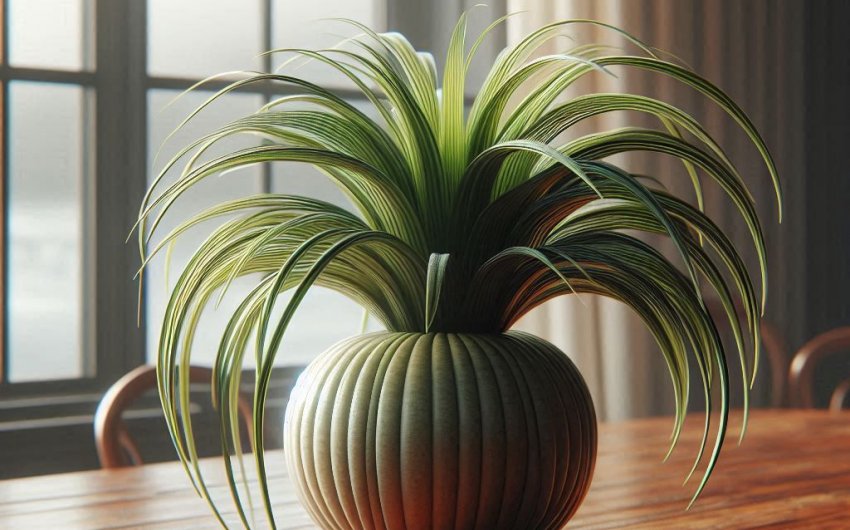
The Ponytail Palm (Beaucarnea recurvata) is a truly unique and eye-catching houseplant. With its swollen, bulbous base that tapers into a slender trunk and a cascade of long, thin, ribbon-like leaves, it definitely lives up to its name. Despite its palm-like appearance, it's actually a succulent related to agaves and yuccas, making it remarkably easy to care for. Its drought-tolerant nature and forgiving attitude make it an excellent choice for beginner plant parents or anyone looking for a low-maintenance, architectural addition to their indoor space. But "easy care" doesn't mean "no care." Understanding the specific care needs of your Ponytail Palm will ensure it thrives and grows into a majestic specimen.
Why is Understanding Its Native Habitat Important?
To properly care for any plant, it's always helpful to look at its natural environment. The Ponytail Palm comes from dry regions, and this tells us a lot about its care preferences.
Where Does the Ponytail Palm Come From?
The Ponytail Palm is native to semi-desert regions of southeastern Mexico.
- Dry Climate: It grows in arid (dry) environments where rainfall is infrequent and often comes in short, heavy bursts.
- Well-Draining Soil: The soil in these regions is typically rocky and drains very quickly, meaning water doesn't sit around the roots for long.
- Lots of Sun: It's accustomed to intense, direct sunlight for most of the day.
How Does Its "Trunk" Help It Survive?
The distinctive swollen base of the Ponytail Palm isn't just for show; it's a vital adaptation.
- Water Storage: This caudex (the scientific term for the swollen stem) acts like a natural reservoir. It stores water during rainy periods, allowing the plant to draw upon these reserves during long droughts.
- Drought Tolerance: This water storage ability is why the Ponytail Palm is so incredibly drought-tolerant and forgiving if you forget to water it. It's a succulent in disguise!
Understanding these adaptations (dry climate, quick-draining soil, water storage) is the foundation for providing the right specific care for your Ponytail Palm indoors.
What are the Light Requirements for a Ponytail Palm?
Light is one of the most important factors for the health of any houseplant, and for the Ponytail Palm, more is almost always better.
How Much Light Does It Need?
- Bright, Direct Light is Best: Ponytail Palms thrive in bright light, including direct sunlight. Think of their desert origins. Place them in your brightest window, such as a south-facing or west-facing window in the Northern Hemisphere, where they can get several hours of direct sun daily.
- Tolerates Bright, Indirect Light: While direct sun is ideal, they can tolerate bright, indirect light. However, in lower light conditions, their growth will slow down, and they might become "leggy" (stretched out) or their signature curly leaves might become less pronounced.
- Avoid Low Light: Do not place a Ponytail Palm in a low-light area. It will quickly decline, leading to yellowing leaves and a lack of vigor.
What are the Signs of Too Little Light?
- Leggy Growth: The stem or "trunk" becomes elongated and stretched, with leaves spaced far apart, as the plant reaches for light.
- Fading Leaf Color: The vibrant green of the leaves might become dull or pale.
- Reduced Vigor: Overall slow growth or no new growth.
Can a Ponytail Palm Get Too Much Sun?
- Outdoor Acclimation: If you move your indoor Ponytail Palm outdoors for the summer, it's crucial to acclimate it gradually to full sun. Start by placing it in a shaded spot for a few days, then move it to partial sun, and finally to full sun over a week or two. Sudden exposure to intense direct sun can cause sunburn, especially if it's been living in lower light indoors.
- Indoor Sun: Indoors, it's very rare for a Ponytail Palm to get too much sun from a window, even a south-facing one.
What is the Ideal Watering Schedule for a Ponytail Palm?
This is where understanding its succulent nature is key. Overwatering is the quickest way to kill a Ponytail Palm.
How Often Should You Water?
- Allow Soil to Dry Completely: The golden rule for Ponytail Palms is to allow the soil to dry out completely between waterings. And don't just check the top inch; check several inches down, or even the bottom of the pot.
- Deep Watering: When you do water, water thoroughly until you see water draining from the bottom of the pot. This ensures all the roots get a drink.
- Seasonal Adjustment:
- Spring/Summer (Growing Season): Water more frequently (perhaps every 2-4 weeks, depending on light, temperature, and pot size).
- Fall/Winter (Dormant Season): Reduce watering significantly. You might only need to water once every 4-6 weeks, or even less, especially if it's in a cooler spot. The plant uses less water when not actively growing.
- Test the Weight: A good trick is to lift the pot when the soil is dry and again after watering. You'll learn to feel the difference in weight. A moisture meter can also be a helpful tool.
What are the Signs of Overwatering?
- Soft, Mushy Trunk/Base: This is the most serious sign. If the caudex (bulbous base) feels soft or mushy, it indicates root rot, and the plant is likely dying.
- Yellowing Leaves: Older leaves (at the bottom of the ponytail) turning yellow and then brown, sometimes mushy.
- Drooping Leaves: Leaves that look limp and unhealthy.
- Foul Smell from Soil: A rotten smell indicates anaerobic conditions and decaying roots.
What are the Signs of Underwatering?
- Crispy, Brown Leaf Tips: The tips of the leaves turn brown and crispy. This is a common and usually harmless symptom that can also be caused by low humidity, but if widespread, it points to underwatering.
- Shriveling Base (Severe): In extreme, prolonged underwatering, the bulbous base might start to shrivel or wrinkle. This means it has used up its water reserves. Water immediately.
What is the Best Soil Mix for a Ponytail Palm?
Because they store water in their base and are prone to root rot, the right soil mix is vital for Ponytail Palms.
Why Well-Draining Soil is Essential?
- Mimic Native Habitat: As discussed, their native soil is fast-draining. Your potting mix needs to mimic this.
- Prevent Root Rot: This is the primary goal. Water must pass through quickly, allowing air pockets around the roots.
What is an Ideal Soil Mix Recipe?
A standard potting mix is usually too heavy. Create a custom blend:
- 50% Cactus/Succulent Potting Mix: A good base that is already designed for drainage. You can find cactus potting mix.
- 25% Perlite or Pumice: These lightweight, porous materials greatly improve drainage and aeration. Perlite is widely available.
- 25% Coarse Sand or Small Gravel: Horticultural sand (not play sand, which compacts) or small aquarium gravel further enhances drainage and adds weight for stability.
Mix these components thoroughly. The final mix should feel gritty and airy, not dense.
What About Humidity and Temperature Needs?
Given its desert origins, the Ponytail Palm isn't fussy about humidity.
Humidity Levels: Not a Concern
- Tolerant of Low Humidity: Unlike many tropical houseplants, the Ponytail Palm thrives in normal household humidity levels, even very dry indoor air. You do not need to mist it or provide a humidity tray.
- Crispy Tips: Brown, crispy leaf tips are a common cosmetic issue and are often caused by low humidity or underwatering. While they don't harm the plant, increasing humidity can help if it bothers you.
Temperature Range: Warm is Best
- Warm Temperatures: Ponytail Palms prefer warm temperatures, ideally between 60-80°F (15-27°C).
- Cold Tolerance: They are surprisingly tolerant of cooler temperatures for short periods, even down to 20°F (-6°C) if kept dry. However, consistent cold will slow their growth significantly and can stress them.
- Avoid Drafts: Keep them away from cold drafts from windows or doors, especially in winter.
How to Fertilize a Ponytail Palm?
Ponytail Palms are not heavy feeders. Less is definitely more.
When and How to Fertilize?
- Growing Season Only: Fertilize only during the active growing season (spring and summer). Do not fertilize in fall or winter when the plant is dormant.
- Diluted Liquid Fertilizer: Use a balanced liquid houseplant fertilizer (e.g., 10-10-10 or 5-10-5 NPK) at half or even quarter strength.
- Infrequent Application: Fertilize sparingly, perhaps once every 2-4 months during the growing season. Many growers only fertilize once a year or not at all if they repot annually with fresh potting mix.
- Organic Options: You can also use worm castings mixed into the topsoil annually for a gentle, slow release of nutrients.
What are the Signs of Over-Fertilizing?
- Leaf Burn: Brown or crispy leaf tips or margins can indicate fertilizer burn.
- White Crust on Soil: A white crust on the soil surface can be a buildup of salts from fertilizer.
- Stunted Growth (Paradoxically): Too much fertilizer can damage roots and actually inhibit growth.
When and How to Repot a Ponytail Palm?
Ponytail Palms don't mind being a little bit root-bound, and they grow slowly, so they don't need frequent repotting.
When to Repot?
- Every 2-3 Years (or Less): Repotting is typically needed only every 2-3 years, or even less frequently for very slow growers.
- Signs of Needing Repotting:
- Roots growing out of the drainage holes.
- Water runs straight through without being absorbed.
- The plant's growth has completely stalled (and you've ruled out other issues).
- The caudex is taking up almost all the pot space.
- Spring is Best: Repot in the spring, at the beginning of its active growing season.
How to Repot?
- Choose the Right Pot: Select a pot that is only one size larger than the current pot (e.g., from a 6-inch to an 8-inch pot). Too large a pot will hold too much moisture and increase root rot risk. Always use a pot with drainage holes. Terracotta pots are excellent as they allow some moisture to evaporate through the sides.
- Prepare Soil Mix: Mix your well-draining Ponytail Palm soil mix.
- Remove from Old Pot: Gently slide the plant out of its old pot. Loosen any circling roots at the bottom.
- Planting Depth: Plant your Ponytail Palm at the same depth it was in its old pot. The top of the bulbous base should be visible above the soil line, just as it would be in its natural environment. Do not bury the entire caudex.
- Water Lightly: After repotting, water lightly. The newly loosened roots are more susceptible to rot if soaked immediately. Wait a week or so before resuming normal watering.
Troubleshooting Common Ponytail Palm Problems
While generally resilient, Ponytail Palms can show distress. Here's how to interpret the signs.
Brown, Crispy Leaf Tips
- Causes: Most common issue. Usually caused by low humidity (normal in many homes), underwatering, or mineral buildup/salt burn from tap water or over-fertilizing.
- Solution: Ensure consistent watering (allowing to dry out first). If using tap water, consider using filtered water or rainwater. Flush the soil periodically (water heavily until water flows out for several minutes) to remove salt buildup.
- Pruning: You can trim off the brown tips with sharp scissors, following the natural curve of the leaf, but avoid cutting into the green healthy part.
Yellowing Leaves (Especially Lower Leaves)
- Causes:
- Overwatering/Root Rot: Most common cause, especially if leaves are also soft or mushy.
- Nutrient Deficiency: Less common in a well-fed plant, but possible if never fertilized.
- Natural Aging: Older, lower leaves will naturally yellow and fall off over time.
- Solution: Immediately check soil moisture. If soggy, stop watering. You may need to unpot to check for root rot. If it's natural aging, remove the leaf.
Mushy, Soft Base (Caudex)
- Cause: Severe overwatering and root rot.
- Solution: This is very serious and often fatal. If caught early, you might be able to unpot, cut away all soft, rotten parts (sterilizing your knife between cuts), allow the cut areas to "callus" (dry out) for several days, then repot in fresh, dry, well-draining soil. Do not water for a few weeks. It's a last-ditch effort.
Pests
- Rare: Ponytail Palms are generally pest-resistant.
- Mealybugs/Spider Mites: Occasionally, you might find mealybugs (small, white, cottony masses) or spider mites (tiny pests causing webbing and speckling).
- Solution: Isolate the plant. For mealybugs, wipe them off with a cotton swab dipped in rubbing alcohol. For spider mites, increase humidity and spray with insecticidal soap.
With its striking appearance and easy-going nature, the Ponytail Palm is a rewarding plant to grow. By providing it with bright light, infrequent but thorough watering, and a fast-draining soil mix, you'll ensure this charming "palm" thrives for decades, becoming a beloved and unique focal point in your home. Its specific care needs are simple once you understand its desert origins, making it a true joy for any plant enthusiast.