
Best Garden Furniture Options for Cold Climates
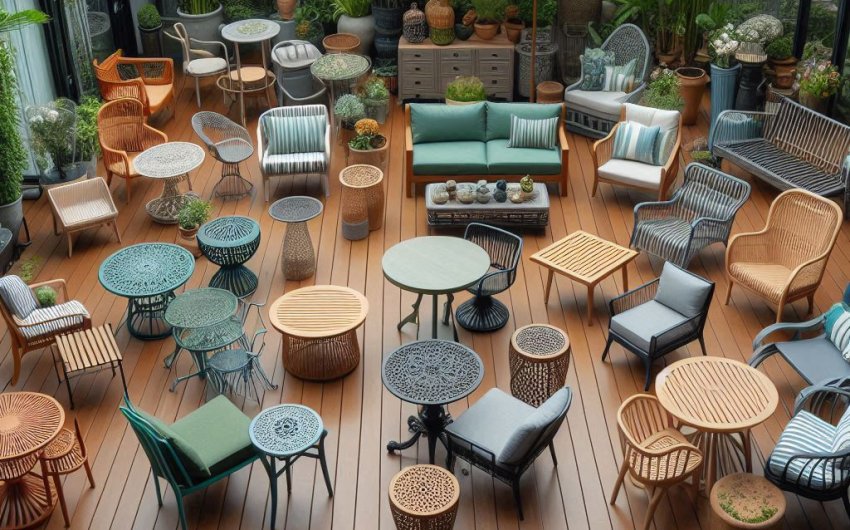
Gardening in a cold climate presents unique challenges, not just for your plants, but for your outdoor living spaces too. While the thought of enjoying a crisp autumn morning or a rare sunny winter day on your patio is appealing, selecting the right garden furniture for these conditions is crucial. Sub-zero temperatures, heavy snow, freezing rain, and harsh winds can quickly degrade materials not designed to withstand them, leading to cracking, rusting, fading, and a significantly shortened lifespan for your outdoor furnishings.
Choosing garden furniture for cold climates isn't just about aesthetics; it's about investing in durability and resilience. You need materials that can endure the brutal winter elements without losing their charm or falling apart after just a few seasons. This guide will explore the best materials and considerations for outdoor furniture in colder regions, ensuring your patio, deck, or balcony remains a functional and inviting extension of your home, even when the mercury drops.
Why Does Cold Climate Affect Garden Furniture?
Cold climates don't just bring chilly temperatures; they bring a whole host of environmental challenges that are particularly harsh on garden furniture. Understanding these specific stressors helps in making informed choices about materials and maintenance.
1. Freeze-Thaw Cycles
This is arguably the most damaging aspect of cold climates for many outdoor materials.
- How it Works: Water penetrates tiny cracks, pores, or unsealed surfaces in materials like wood, concrete, or ceramic. When the temperature drops below freezing, this trapped water turns into ice and expands. When it thaws, the ice melts, leaving a slightly larger void. This cycle repeats countless times throughout winter, gradually widening cracks, causing surfaces to chip (spall), and leading to structural fatigue.
- Affected Materials: Porous materials like natural wood (especially if untreated), concrete, cast stone, terracotta, and even grout in mosaic tables are highly susceptible. Improperly sealed metal can also be affected if water seeps into underlying layers.
- Damage: Cracking, splitting, spalling (flaking of the surface), delamination (layers separating), and structural weakening.
2. Moisture (Snow, Ice, Freezing Rain)
Beyond the freeze-thaw cycle, the sheer presence of moisture is a major culprit.
- Rot and Decay: For wood furniture, continuous dampness (from melting snow or persistent rain) provides ideal conditions for mold, mildew, and wood-rotting fungi to thrive.
- Rust: For ferrous metals (wrought iron, steel), constant exposure to moisture and oxygen directly leads to rust. Snow and ice often contain de-icing salts, which can accelerate the rusting process.
- Staining: Prolonged contact with wet leaves, melting snow, or rusty metal can stain porous materials.
3. Extreme Low Temperatures
While direct freezing is part of the freeze-thaw cycle, prolonged very low temperatures can also impact materials.
- Brittleness: Some plastics or lower-quality synthetic materials can become brittle and prone to cracking or breaking in extremely cold temperatures.
- Weakened Adhesives/Finishes: Adhesives and surface coatings (paints, varnishes) can become less flexible and more prone to cracking or peeling at very low temperatures.
4. Harsh Winds
Cold climates often come with strong, biting winds.
- Physical Damage: High winds can cause lightweight furniture to be blown around, potentially damaging the furniture itself or other property.
- Increased Moisture Exposure: Wind can drive rain and melting snow into crevices and joints that might otherwise remain dry.
5. UV Radiation (Even in Winter)
While less intense than summer, UV rays are still present, especially if reflecting off snow.
- Fading: UV light can still contribute to fading of colors in fabrics or finishes, though it's less pronounced than in warmer months.
- Degradation: Over time, UV can degrade the surface of materials, making them more susceptible to other forms of weather damage.
When choosing garden furniture for cold climates, the primary considerations become: how well does the material resist water absorption, expansion from freezing, degradation from extreme cold, and the corrosive effects of moisture? Investing in materials designed for these challenges will ensure your outdoor pieces remain beautiful and functional for many winters to come.
What Are the Best Materials for Garden Furniture in Cold Climates?
Selecting materials that inherently resist the unique challenges of cold climates is paramount for durable and long-lasting garden furniture. Here are the top choices that can truly brave the winter elements.
1. Powder-Coated Aluminum
This is arguably the best overall choice for cold-weather patio furniture.
- Why it's Good:
- Rust-Proof: Aluminum is naturally non-ferrous, meaning it does not rust. This is a huge advantage in wet winter conditions.
- Lightweight (But can be made heavy): While inherently light, higher quality aluminum furniture is often designed with thicker gauges or solid construction to provide stability against wind, without becoming impossibly heavy.
- Durable Finish: The powder coating process applies a thick, durable, chip-resistant finish that protects the metal from scratches and prevents oxidation (which appears as a white powdery residue). It's designed to withstand extreme temperatures without cracking or peeling.
- Low Maintenance: Requires minimal cleaning beyond soap and water.
- Considerations: Dark colors can get cold to the touch in winter or hot in summer sun.
- Ideal for: Any style, from sleek modern to classic. Excellent for all cold climates, including those with heavy snow or coastal areas with salt spray. A heavy gauge powder coated aluminum outdoor set offers stability.
2. High-Quality All-Weather Wicker (HDPE Resin Wicker)
Not all "wicker" is created equal. For cold climates, look specifically for high-density polyethylene (HDPE) resin wicker.
- Why it's Good:
- Truly Weatherproof: HDPE resin is resistant to UV fading, moisture, mold, mildew, and crucially, it remains flexible and won't become brittle and crack in freezing temperatures.
- Durable Frame: The synthetic wicker is woven over a sturdy, often aluminum frame, ensuring rust-proof stability.
- Comfortable: Provides a more comfortable and inviting feel than rigid materials.
- Considerations: Quality varies greatly. Cheaper PVC or lower-grade resin wicker will crack and break in the cold. Invest in reputable brands that specify HDPE or a similar high-quality material.
- Maintenance: Low maintenance, easy to clean with soap and water.
- Ideal for: Those seeking a natural, woven aesthetic with true year-round durability and comfort. A premium all-weather HDPE wicker patio set is designed for this.
3. Teak Wood
Teak is a classic for outdoor furniture and holds up exceptionally well in cold climates due to its unique properties.
- Why it's Good:
- Natural Durability: Teak is naturally rich in oils and rubber, making it highly resistant to rot, decay, insects, and moisture penetration. This natural resistance helps it withstand freeze-thaw cycles.
- Strength: It's a very dense hardwood, making furniture exceptionally sturdy and stable.
- Beautiful Patina: If left untreated, teak weathers to a beautiful, silvery-gray patina, which many find highly desirable and indicates the wood is healthy.
- Considerations:
- High Cost: Teak is one of the most expensive outdoor furniture materials.
- Maintenance (Optional): To maintain its original golden-brown color, teak needs annual cleaning and oiling with a teak oil for outdoor furniture. Without this, it will gray.
- Weight: Heavier than aluminum or synthetic wicker, but still movable.
- Ideal for: Those seeking timeless elegance, natural materials, and willing to invest in a long-lasting, robust set. A solid teak outdoor dining set will last decades.
4. Stainless Steel
For a sleek, modern, and exceptionally durable option.
- Why it's Good:
- Exceptional Strength: Very robust and can handle heavy loads and strong winds.
- Corrosion Resistant: High-grade stainless steel (especially marine-grade 316L) is highly resistant to rust and corrosion, even in wet, salty, or polluted environments.
- Minimalist Aesthetic: Its clean lines and metallic sheen perfectly complement modern outdoor designs.
- Temperature Tolerance: Handles extreme cold well without becoming brittle.
- Considerations:
- Very High Cost: One of the most expensive materials.
- "Tea Staining": Lower grades of stainless steel (like 304) can develop superficial rust spots ("tea staining") in harsh environments, though these are typically cosmetic and can be cleaned. Marine-grade 316L is recommended for best performance in severe cold and coastal areas.
- Heat/Cold Conduction: Can get very cold in winter and hot in summer sun.
- Maintenance: Requires regular cleaning to remove water spots and fingerprints.
- Ideal for: Modern, minimalist spaces where supreme durability and a sleek aesthetic are paramount, and budget is less of a concern. A marine-grade stainless steel outdoor sofa can withstand the toughest conditions.
Materials to Be Cautious With (or avoid) in Cold Climates
- Wrought Iron/Steel (Unless perfectly maintained): While strong, highly prone to rust. Any chip in paint will quickly lead to rust. Requires vigilant maintenance.
- Cheap Plastics/Resins: Can become brittle and crack in freezing temperatures.
- Soft Woods (Pine, Fir, untreated Cedar): Highly susceptible to rot, cracking, and decay from moisture and freeze-thaw cycles without extensive sealing and regular maintenance.
- Mosaic/Tile Tops: Grout can crack and tiles can pop off due to freeze-thaw if not perfectly sealed and maintained, or brought indoors.
- Untreated Concrete/Cast Stone: Highly susceptible to spalling (flaking) from freeze-thaw cycles unless properly sealed and maintained.
For the best performance and longevity in cold climates, prioritize powder-coated aluminum and high-quality HDPE resin wicker for their rust-proof, weather-resistant qualities, and teak or stainless steel for premium, long-lasting options.
What Factors Should I Consider for Cold Climate Furniture?
Beyond the material itself, several crucial factors play into selecting and maintaining garden furniture for cold climates. Paying attention to these details will ensure your investment lasts and remains enjoyable.
1. Durability and Construction Quality
This is paramount for surviving harsh winters.
- Joints and Fasteners: Check how the furniture is constructed. Welded joints (for metal) or robust mortise and tenon joints (for high-quality wood) are more durable than bolted or screwed connections that can loosen with expansion and contraction.
- Material Thickness/Gauge: Thicker aluminum tubing or denser wood generally indicates higher quality and better resistance to warping, bending, or breaking in extreme conditions.
- Finish Quality: For powder-coated furniture, look for a thick, even finish that shows no signs of bubbling or chipping. This is your primary defense against moisture.
2. Weight and Stability
- Wind Resistance: Cold climates often bring strong winds. Heavy furniture made of solid wood, stainless steel, or sturdy aluminum is less likely to be blown over or around. For lighter aluminum or resin wicker sets, consider designs with a wider base or add sandbags/weights to the bottom if left out in exposed, windy areas.
- Maneuverability for Storage: If you plan to move your furniture indoors for the winter, consider its weight and whether it's foldable or easy to disassemble. A heavy duty furniture dolly can assist with heavier pieces.
3. Weather Resistance of Cushions and Fabrics
While the frame is crucial, the comfort elements also need to withstand the cold.
- High-Performance Fabrics: Invest in cushions made from solution-dyed acrylic fabrics like Sunbrella or similar high-performance brands (e.g., Olefin, Revolution). These fabrics are specifically designed for outdoor use:
- Fade-Resistant: Resist UV degradation, keeping their color vibrancy.
- Water-Resistant/Quick-Drying: Repel water and dry quickly, preventing mold and mildew.
- Mold and Mildew Resistant: Inhibits fungal growth, which is rampant in damp winter conditions.
- Foam Density: Choose cushions with dense, quick-drying foam.
- Storage: Even with the best fabrics, storing cushions indoors or in a waterproof outdoor cushion storage box during prolonged wet weather or winter is highly recommended to extend their lifespan and keep them pristine.
4. Drainage and Water Management
- Avoid Trapped Water: Choose furniture designs that don't have areas where water can collect and freeze. For tables, look for slatted tops or designs that allow water to drain easily.
- Elevate Legs: If furniture legs sit directly on a patio or deck, use small risers or glides to lift them slightly off the ground. This prevents legs from sitting in standing water or snowmelt, which can lead to rot for wood or accelerate rust for metal.
- Self-Draining Cushions: Some high-end cushions are designed with mesh bottoms or quick-drying foam to facilitate water drainage.
5. Maintenance Commitment
- Realistic Assessment: Be realistic about how much maintenance you're willing to do.
- Low Maintenance: Powder-coated aluminum, high-quality HDPE resin wicker are truly low maintenance. Just clean them occasionally.
- Medium Maintenance: Teak will require annual oiling to maintain its color, or cleaning if you let it gray.
- High Maintenance: Wrought iron or steel (if painted) will require regular inspection for chips and rust touch-ups.
- Cleaning Tools: Have the right tools on hand: a soft brush, mild soap, and a garden hose with adjustable nozzle for rinsing.
6. Storage Solutions
- On-Site Storage: If you plan to store furniture for winter, consider where it will go. Do you have a shed, garage, or covered patio?
- Furniture Covers: Invest in heavy-duty, breathable outdoor furniture covers. These protect against direct snow, ice, and UV. Ensure they are breathable to prevent moisture buildup underneath, which can cause mildew.
- Foldable/Stackable: For smaller spaces or if storage is limited, consider foldable chairs or tables, or stackable chairs.
By considering these factors thoughtfully, you can choose and care for garden furniture that not only looks great but truly withstands the rigors of a cold climate, ensuring your outdoor space remains a welcoming oasis all year round.
How Do I Protect My Garden Furniture in Cold Climates?
Even if you've invested in the most durable, cold-climate-friendly materials, providing an extra layer of protection during the harshest months will significantly extend the lifespan and preserve the beauty of your garden furniture. Proactive winterization is key.
1. Thorough Cleaning Before Winter
- Remove All Debris: Before putting furniture away or covering it, thoroughly clean every piece. Remove all dirt, dust, pollen, bird droppings, and sap. Pay special attention to crevices where moisture and grime can accumulate.
- Mild Soap and Water: For most materials (aluminum, resin wicker, fabric), a solution of mild dish soap and warm water with a soft brush or cloth is sufficient.
- Rinse and Dry Completely: Rinse thoroughly to remove all soap residue, then allow the furniture to dry completely – this is critical! Trapped moisture under covers or during storage can lead to mold, mildew, rust (for steel/iron), or even freeze-thaw damage. This might take several sunny, dry days.
- Teak/Wood: If you oil your teak, do it in the fall after cleaning. For other woods, ensure any sealants or paints are in good condition and reapply if needed before winter.
2. Store Indoors (Best Option for Longevity)
- Ideal Location: If space permits, bringing your outdoor furniture indoors for the winter is the absolute best way to protect it from harsh cold, moisture, and freeze-thaw cycles.
- Suitable Spaces: An unheated garage, shed, basement, or even a protected storage unit are ideal.
- Preparation: Ensure furniture is clean and dry. Store cushions separately, preferably in airtight containers to prevent pest damage or mildew. A large waterproof storage bag for cushions is perfect.
- Stacking/Disassembly: Stack chairs or disassemble larger pieces if needed to save space.
3. Use High-Quality Outdoor Furniture Covers (If Storing Outdoors)
If indoor storage isn't an option, furniture covers are your next best defense.
- Quality Matters: Invest in heavy-duty, durable, and breathable covers. Avoid cheap plastic tarps that can trap moisture and cause condensation, leading to mold/mildew. Look for materials like woven polyester with a waterproof backing and vents. A premium breathable patio furniture cover will prevent condensation.
- Proper Fit: Choose covers that fit your furniture snugly but allow for some air circulation. Tie-downs or elastic hems are good for securing against wind.
- Ventilation: Ensure covers have vents to allow air to circulate and prevent moisture buildup, which can lead to mold.
- Sloping: Position covers so water and snow can shed off, preventing pooling. Use props or inverted buckets under the cover if needed to create a peak.
- Elevate: Ensure furniture legs are not directly sitting on perpetually wet ground; use small risers or blocks.
4. Specific Considerations for Different Materials (If Left Outdoors)
- Aluminum & HDPE Resin Wicker: These materials are generally robust enough to stay outdoors year-round. However, covering them will help prevent dirt buildup and prolong the life of the finish. Store cushions separately.
- Teak: Teak can remain outdoors. If you let it weather to gray, no special winter treatment is needed beyond cleaning. If you maintain its golden color with oil, ensure it's oiled before winter.
- Stainless Steel: High-grade (316L) stainless steel can stay out. Regular cleaning is still important. A cover can reduce cleaning needs.
- Wrought Iron/Steel (Painted): If leaving out, inspect meticulously for any chips or scratches in the paint. Touch up immediately with a rust-preventative paint before covering. The cover is crucial for these materials.
- Mosaic/Stone Tops: These are highly susceptible to freeze-thaw damage.
- Mosaic Tables: If possible, remove the tabletop and bring it indoors. If not, ensure it's perfectly sealed.
- Stone Features (Birdbaths, Planters, Fountains): Crucially, drain all water from them before the first frost. Turn birdbath bowls upside down. If the item is porous, cover it. For large, irreplaceable items, consider professional winterization services or construct a temporary wooden shelter around them.
5. Annual Spring Check-Up
- Inspection: In spring, after uncovering or bringing furniture out, inspect each piece carefully.
- Clean: Give everything a good cleaning.
- Tighten/Repair: Tighten any loose bolts or screws. Touch up any chipped paint or apply new coats of oil/sealant as needed. Address any signs of rust immediately.
By adopting a diligent winterization routine, tailored to the specific materials of your garden furniture, you can significantly protect your investment and ensure your outdoor living space remains beautiful and functional for many more seasons of enjoyment in cold climates.