
What Are the Best Practices for Composting in a Greenhouse Environment?
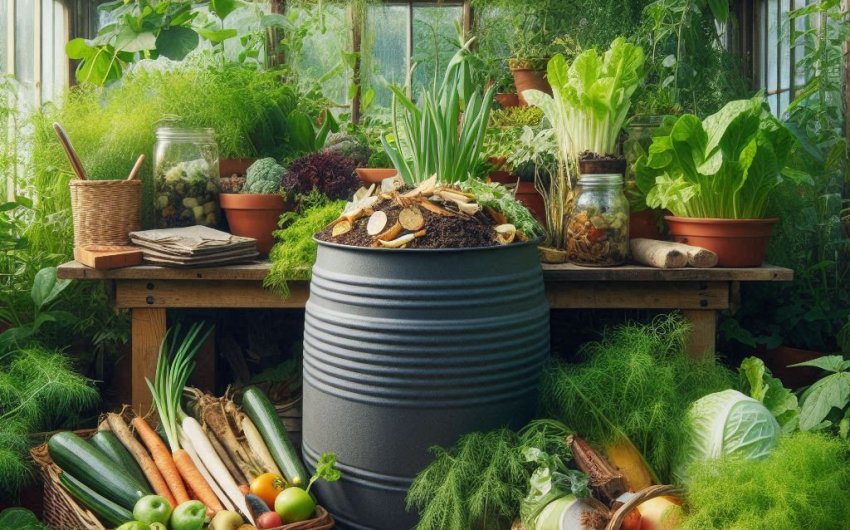
Why Compost in a Greenhouse?
Composting is an ancient art, transforming kitchen scraps and garden waste into nutrient-rich garden gold. But bringing this process inside a greenhouse offers some unique advantages. A greenhouse is a controlled environment, meaning you can manage warmth and moisture more easily, which are key ingredients for successful composting.
First off, think about resourcefulness. Your greenhouse itself generates waste: spent plant material, old growing media, and plant trimmings. Instead of hauling these materials away, why not recycle them right where they're produced? This closes the loop, turning potential waste into a valuable resource for your greenhouse plants.
Secondly, a greenhouse provides warmth. This warmth means you can keep your compost pile active year-round, even in colder climates. The microbes that do the composting work love warmth. This speeds up the decomposition process, giving you finished compost faster than an outdoor pile might, especially in winter. You can get a head start on your spring planting with ready-to-use compost.
Lastly, having a compost pile inside or very close to your greenhouse means convenience. No long treks to the outdoor compost bin in the rain or snow. Your ingredients and your finished product are right where you need them for potting mixes, top dressing, or amending your greenhouse beds. It’s about making your greenhouse ecosystem more self-sufficient and efficient.
What Are the Benefits of Greenhouse Composting?
Composting specifically within or directly adjacent to a greenhouse offers a range of benefits that go beyond just making compost. It creates a symbiotic relationship that can enhance your entire greenhouse operation.
Faster Decomposition
One of the biggest advantages of greenhouse composting is speed. The consistent warmth and often higher humidity inside a greenhouse create ideal conditions for the microbes that break down organic matter.
- Year-Round Activity: Unlike outdoor piles that slow down or go dormant in cold weather, a greenhouse compost pile can remain active throughout the winter. This means continuous decomposition, leading to finished compost even when the ground outside is frozen.
- Optimal Temperatures: Greenhouses help maintain warmer temperatures, which directly translates to faster microbial activity. This can significantly reduce the time it takes to produce usable compost, potentially cutting the process down from months to weeks for "hot" composting methods. This accelerated process means you have a more consistent supply of nutrient-rich compost for your greenhouse plants.
Convenient Access to Compost Materials
Proximity is a huge advantage. Your greenhouse is a hub for plant activity, and that means a constant supply of suitable compost materials.
- Direct Recycling: All those spent plants, trimmed leaves, vegetable scraps from your greenhouse crops, and old potting mix can go straight into the compost bin. There's no need to carry them across the yard or store them separately. This direct recycling makes it easier to keep your greenhouse tidy and efficient.
- Reduced Waste Hauling: By composting your greenhouse waste on-site, you dramatically reduce the amount of material you need to haul to the curb or an outdoor compost pile. This saves time, effort, and potentially even disposal fees. It's truly a closed-loop system where what's produced in the greenhouse returns to the greenhouse.
Enhanced Plant Health
The finished compost produced in your greenhouse is a powerhouse for plant vitality. It’s perfect for the very plants that helped create it.
- Nutrient-Rich Soil Amendment: Compost improves soil structure, helps soil retain water and nutrients, and provides a slow-release source of essential nutrients for plants. Using it in your greenhouse beds or potting mixes leads to healthier, more robust plants that are better able to resist pests and diseases.
- Improved Potting Mixes: Incorporating your own greenhouse compost into commercial potting mixes can enhance their fertility and water retention, custom-tailoring the mix for your specific needs.
- Beneficial Microorganisms: Compost is teeming with beneficial bacteria, fungi, and other microorganisms that contribute to a healthy soil food web. These microbes help plants access nutrients and can even suppress disease-causing organisms. Using this living compost directly in your greenhouse fosters a thriving microbial environment for your greenhouse plants.
Contribution to Greenhouse Heating (Minor but Present)
While not a primary heating source, an actively decomposing compost pile does generate heat, which can offer a subtle benefit to your greenhouse environment.
- Supplemental Warmth: A large, hot compost pile can reach internal temperatures of (130^\circ\text{F}) to (160^\circ\text{F}) ((54^\circ\text{C}) to (71^\circ\text{C})). While this heat usually dissipates quickly, a continuously active pile will release some warmth into the surrounding air. In a well-insulated greenhouse, this can slightly raise the ambient temperature, potentially reducing heating costs a tiny bit, especially during cooler periods.
- Humidity Boost: The decomposition process also releases water vapor, which can contribute to the humidity within the greenhouse. This can be beneficial for many greenhouse plants that prefer higher humidity.
These combined benefits make greenhouse composting a highly valuable practice for any serious greenhouse gardener.
What Are the Challenges of Greenhouse Composting?
While beneficial, composting in a greenhouse isn't without its unique challenges. Addressing these upfront will ensure a smoother, more successful process.
Odor Management
One of the most common concerns about any indoor compost pile is smell. Improperly managed compost can indeed produce unpleasant odors.
- Anaerobic Decomposition: The main cause of bad odors is anaerobic decomposition (decomposition without oxygen). This happens when a compost pile becomes too wet and compacted, pushing out all the air. Microbes that work without oxygen produce strong, foul-smelling gases.
- Prevention: To prevent odors, ensure your compost pile has a good mix of "greens" (nitrogen-rich, often moist) and "browns" (carbon-rich, often dry). Aim for a balanced carbon-to-nitrogen (C:N) ratio of around 25:1 to 30:1. Turn your pile regularly with a compost aerator or pitchfork to introduce oxygen. Keep the moisture level like a wrung-out sponge, not soaking wet.
- Solutions: If your pile starts to smell, it's usually too wet and needs more brown, dry materials and turning. Adding shredded newspaper, dry leaves, or wood shavings can help absorb excess moisture and provide carbon.
Pest Attraction
Warm, moist, food-filled environments are attractive to more than just beneficial microbes. Pests can be a significant issue in a greenhouse compost pile.
- Common Pests: Flies (fruit flies, fungus gnats), rodents (mice, rats), and even some crawling insects can be drawn to an open or poorly managed compost pile.
- Prevention:
- No Meat or Dairy: Never add meat, bones, dairy products, oily foods, or pet waste to your greenhouse compost. These are guaranteed to attract pests.
- Bury Food Scraps: When adding kitchen scraps, bury them deep within the pile, covering them with a layer of brown materials. This hides them from flies and discourages rodents.
- Secure Bins: Use a lidded, rodent-proof compost bin rather than an open pile, especially if you have rodent problems. Look for models with solid sides and a secure lid.
- Maintain Heat: A hot, actively composting pile is less attractive to pests, as the high temperatures are unpleasant for them, and rapid decomposition breaks down food sources quickly.
- Solutions: If pests become an issue, reassess your material inputs, ensure good C:N balance, and increase turning to maintain higher temperatures. Consider moving easily accessible food scraps to a vermicomposting bin instead.
Space Requirements
Even a small compost bin takes up valuable space inside a greenhouse, especially if your greenhouse is already packed with plants.
- Size Matters: Assess the size of your greenhouse and the amount of organic waste you generate. If space is limited, you might need a smaller-scale composting solution.
- Bin Selection: Consider vertical compost bins or tumblers that take up less floor space. Some even have a smaller footprint than traditional open bins.
- External Composting: If your greenhouse is truly tiny, perhaps a compost tumbler placed just outside the greenhouse door is a better compromise. It still benefits from proximity and the ability to easily add materials.
Maintaining Proper Carbon-to-Nitrogen (C:N) Ratio
Achieving the right C:N ratio (roughly 25:1 to 30:1) is crucial for efficient, odor-free composting, and it can be tricky indoors.
- Source of Materials: Greenhouse waste (spent plants, trimmings) tends to be high in nitrogen (greens). You'll need a consistent supply of carbon-rich "browns" to balance it out.
- Brown Material Storage: Plan for storing enough dry, carbon-rich materials like shredded leaves, newspaper, cardboard, or wood shavings to balance your nitrogen-rich greenhouse waste. Having a storage bin for browns near your compost helps.
- Solutions: If you're consistently short on browns, consider purchasing some materials like wood pellets (untreated), straw, or even finely shredded paper. If you have an outdoor space, collect and store a large quantity of fall leaves specifically for your greenhouse compost.
Addressing these challenges directly will lead to a more effective and enjoyable greenhouse composting experience.
What Types of Composting Systems Work Best in a Greenhouse?
Choosing the right composting system for your greenhouse depends on your space, how much waste you generate, and how much effort you want to put in.
Traditional Hot Composting Bins
This is the classic method for fast, efficient compost production.
- Description: This involves creating a pile or using a multi-compartment compost bin designed for active aeration and turning. The goal is to reach and maintain high temperatures ((130^\circ\text{F}) to (160^\circ\text{F}) or (54^\circ\text{C}) to (71^\circ\text{C})) to quickly break down materials and kill weed seeds and pathogens.
- Best For: Gardeners with larger greenhouses and a consistent supply of both "greens" and "browns." If you want usable compost relatively quickly.
- Pros: Fast decomposition, produces high-quality compost, heat helps kill pathogens and weed seeds, can add a tiny bit of ambient warmth to the greenhouse.
- Cons: Requires regular turning (every few days to a week), careful management of C:N ratio and moisture, can be bulky, needs more space.
- Recommended Bins: Look for sturdy, well-ventilated compost bins with good air circulation. A simple three-bin system (one for fresh, one for active, one for finished) is ideal if you have the space. A GeoBin compost bin can work well for this, or you can build one from pallets or wire mesh.
Compost Tumblers
Compost tumblers are enclosed, rotating bins that make turning your compost much easier.
- Description: These units typically sit off the ground and can be rotated manually to mix the compost ingredients. They come in various sizes and materials, often plastic.
- Best For: Smaller greenhouses or if you want a cleaner, more contained option. Good for those who don't want to use a pitchfork to turn a pile.
- Pros: Easy to turn, contained (reduces odors and pests), can be faster than static piles if managed well, relatively clean.
- Cons: Limited capacity compared to open piles, can be expensive, sometimes hard to add bulky materials, may not get as hot as large piles.
- Recommended Tumblers: A compost tumbler with multiple chambers allows you to have one batch cooking while adding new materials to another. Look for durable, UV-resistant models.
Vermicomposting Bins (Worm Composting)
This method uses specialized composting worms to break down organic materials.
- Description: Worm bins, or vermiculture systems, house red wigglers (Eisenia fetida) or other composting worms that eat organic waste and excrete nutrient-rich worm castings (worm poop). These castings are an excellent soil amendment.
- Best For: Small greenhouses, those with limited space, or gardeners primarily interested in composting kitchen scraps. Ideal for managing food waste without odors.
- Pros: Very low odor if managed correctly, produces highly valuable worm castings, quiet, doesn't require turning, excellent for breaking down kitchen scraps, relatively compact.
- Cons: Can't handle large volumes of woody materials or branches, temperatures should be moderate (worms are sensitive to extremes), not suitable for meat/dairy, requires sourcing and maintaining worms.
- Recommended Bins: A worm composting bin like a Worm Factory 360 or a simple DIY plastic tub with holes. Ensure good drainage and ventilation.
Trench Composting (In-Ground)
This is a very simple method where you bury organic waste directly into greenhouse beds.
- Description: You dig a trench or hole directly in your greenhouse garden bed, bury organic materials, and then cover them with soil. The materials decompose in place.
- Best For: Raised beds or in-ground beds in a greenhouse. Those who want a very low-effort, continuous composting method.
- Pros: Extremely simple, no separate compost bin needed, feeds the soil directly, avoids odors and pests (if buried deeply), improves soil where you plant.
- Cons: Slower decomposition, can't handle large volumes, doesn't produce "finished" compost to mix into potting soil, may temporarily disrupt planting areas.
- How to Do It: Dig a trench about (12) inches deep between rows of existing plants or in an area you plan to plant later. Fill with kitchen scraps and greenhouse waste, then cover with at least (6-8) inches of soil.
Each system has its merits. You might even combine them, using a vermiculture bin for kitchen scraps and a traditional bin or tumbler for larger greenhouse plant waste.
What Materials Can Be Composted in a Greenhouse?
The success of your greenhouse compost largely depends on the materials you put into it. The key is to achieve a good balance of "greens" (nitrogen-rich) and "browns" (carbon-rich).
"Green" Materials (Nitrogen-Rich)
These materials provide the nitrogen that microbes need to grow and multiply. They often add moisture.
- Greenhouse Plant Trimmings: This is your most obvious source! Leaves, stems, and spent foliage from your greenhouse plants (vegetables, flowers, herbs). Chop them into smaller pieces to speed decomposition.
- Spent Plants/Crop Residues: After harvesting, instead of tossing old plants, add them to the compost pile. Examples include tomato vines (if disease-free), cucumber plants, old lettuce, etc.
- Kitchen Scraps: Fruit and vegetable peels, cores, rinds, coffee grounds (including filters), tea bags, and stale bread. Avoid meat, dairy, and oily foods in greenhouse compost to prevent odors and pests.
- Fresh Grass Clippings: If you have an outdoor lawn and collect clippings, these are a powerful nitrogen source. Use in thin layers to prevent matting and odors.
- Weeds (Carefully!): Non-seeding weeds from your greenhouse beds can go in. If your compost pile consistently gets hot ((130^\circ\text{F}) or (54^\circ\text{C}) and above), it can kill weed seeds. If not, avoid putting seeding weeds in.
- Manure: Manure from herbivores (chickens, rabbits, horses, cows) is an excellent nitrogen source. Make sure it's aged or composted first to prevent burning plants or introducing pathogens/weed seeds. You can purchase composted manure.
"Brown" Materials (Carbon-Rich)
These provide the carbon for energy and structure for good airflow. They are often dry.
- Dried Leaves: A fantastic source of carbon. If you have outdoor trees, collect and store fall leaves for year-round greenhouse composting. Shred them with a leaf shredder or lawnmower for faster breakdown.
- Shredded Newspaper/Cardboard: Non-glossy newspaper, brown paper bags, and corrugated cardboard (remove tape and labels) are great carbon sources. Shred them finely for best results. A paper shredder can help.
- Wood Shavings/Sawdust: If you do woodworking, untreated wood shavings or sawdust are excellent. Use in moderation, as they can be slow to break down and may temporarily rob nitrogen from the pile.
- Straw: Another good source of carbon, providing good bulk and airflow. You can purchase straw bales.
- Old Potting Mix: Used potting soil or growing media (especially if it contains peat or coco coir) can be added as a brown material. It adds bulk and helpful microorganisms.
- Small Twigs/Chipped Wood: If you have a wood chipper, small chipped branches from outside your greenhouse can be added as browns. Make sure they are small.
Materials to Avoid in Greenhouse Compost
To prevent odors, pests, and the spread of disease, certain materials should never go into your greenhouse compost pile:
- Meat, Fish, Bones, Dairy, and Oily Foods: These attract rodents, flies, and other pests, and can create strong, unpleasant odors.
- Diseased Plants: If your greenhouse plants show signs of disease (fungal spots, wilts, blights), do not add them to your compost pile, especially if you're not achieving consistently high "hot" compost temperatures. Many plant pathogens can survive and then reinfect new plants when you use the finished compost. It's safer to bag and dispose of diseased plant material.
- Pesticide/Herbicide Treated Materials: Do not compost plants that have been recently sprayed with systemic pesticides or herbicides, as these chemicals can persist in the compost and harm your greenhouse plants.
- Pet Waste: Animal waste from carnivorous or omnivorous pets can contain harmful pathogens.
- Weeds with Seeds (Unless Hot Composting): As mentioned, unless your pile reaches and holds high temperatures, you risk spreading weed seeds throughout your greenhouse beds when you use the compost.
- Walnut Leaves/Twigs: Black walnut trees produce juglone, a chemical that can inhibit the growth of many plants. It can persist in compost.
By carefully selecting and balancing your compost materials, you'll produce high-quality garden gold that benefits your greenhouse plants.
How Do You Manage a Greenhouse Compost Pile for Success?
Successful greenhouse composting involves actively managing your pile to keep the decomposition process efficient and prevent problems.
Layering "Greens" and "Browns"
The key to a balanced, fast-cooking compost pile is the right mix of carbon and nitrogen. Aim for a ratio of roughly 2 parts browns to 1 part greens by volume.
- Start with Browns: Begin your compost bin with a layer of coarser, carbon-rich material (like small twigs or straw) at the bottom to ensure good drainage and airflow.
- Alternate Layers: Add materials in alternating layers of "greens" and "browns." For example, a layer of kitchen scraps (greens) followed by a layer of shredded leaves (browns). This helps achieve the ideal C:N ratio and prevents greens from becoming too compacted and anaerobic.
- Chop and Mix: Chop or shred larger materials into smaller pieces (no more than (2) inches for best results). This increases the surface area for microbes to work on. Mix new additions into the existing pile rather than just layering them on top.
Maintaining Proper Moisture Levels
Moisture is essential for microbial activity, but too much or too little can cause problems.
- Like a Wrung-Out Sponge: The ideal moisture content for a compost pile is similar to a wrung-out sponge – damp but not dripping wet.
- Adding Water: If your pile feels dry or crumbly, add water as you turn it. Use a garden hose or a watering can to moisten dry spots.
- Preventing Excess Moisture: Too much moisture leads to anaerobic conditions and odors. If your pile is too wet, add more dry, brown materials like shredded newspaper or dry leaves to absorb the excess. Good drainage in your compost bin is also important. Greenhouse humidity can contribute moisture, so monitor your pile closely.
Regular Turning and Aeration
Turning your compost pile is crucial for providing oxygen to the microbes and mixing materials.
- Why Turn? Aerobic microbes (the ones that break down quickly and don't smell bad) need oxygen. Turning introduces air into the pile, preventing compaction and anaerobic conditions. It also helps distribute moisture and microbes evenly, leading to faster, more uniform decomposition.
- How Often? For "hot" composting, turn your pile every few days to once a week, especially when it's actively heating up. For slower, "cold" composting, turning once a month or less is fine, but it will take longer.
- Tools: Use a pitchfork or a compost aerator to mix the materials thoroughly, bringing the outside layers to the inside and vice versa.
Monitoring Temperature
Monitoring the temperature helps you gauge the activity of your microbes and indicates if your pile is "cooking" effectively.
- Compost Thermometer: A compost thermometer is a valuable tool. Insert it into the center of the pile.
- Ideal Temperatures: For "hot" composting, aim for temperatures between (130^\circ\text{F}) and (160^\circ\text{F}) ((54^\circ\text{C}) and (71^\circ\text{C})). These temperatures indicate active microbial breakdown and help kill weed seeds and pathogens.
- Troubleshooting:
- Pile isn't heating up: It's likely too dry (add water), too low in nitrogen (add more greens like kitchen scraps or grass clippings), or too small (build a bigger pile).
- Pile is too hot: This usually isn't a problem, but if it gets much above (160^\circ\text{F}), it might be breaking down too quickly. Turn it to introduce air and cool it down slightly.
By following these management practices, you'll be well on your way to creating beautiful, beneficial compost right inside your greenhouse.
What Are Some Creative Uses for Greenhouse Compost?
Once you've successfully created that rich, earthy greenhouse compost, the possibilities for its use are endless, directly benefiting your greenhouse plants and beyond.
Enhancing Potting Mixes
This is one of the most common and beneficial uses for your greenhouse compost.
- Boost Fertility: Commercial potting mixes are often sterile and low in nutrients. Mixing in compost adds a slow-release source of essential plant nutrients, reducing the need for synthetic fertilizers.
- Improve Structure and Drainage: Compost improves the texture of potting mixes, helping them retain moisture while also ensuring good drainage and aeration around plant roots.
- Introduce Beneficial Microbes: It inoculates your potting mix with a healthy community of beneficial bacteria, fungi, and other microorganisms that help plants absorb nutrients and suppress disease.
- Recommended Ratio: Start by mixing your greenhouse compost at a ratio of about 1 part compost to 3 or 4 parts potting mix for most general uses. For very hungry plants, you might increase the ratio slightly.
Top Dressing Greenhouse Beds and Potted Plants
A layer of compost applied to the surface of the soil acts like a slow-release fertilizer and soil conditioner.
- Nutrient Boost: Sprinkle a half-inch to an inch of finished compost around the base of your greenhouse plants (in raised beds or directly in the ground) or on top of the soil in potted plants.
- Moisture Retention: This layer helps suppress weeds (though less effectively than a thick mulch) and retains soil moisture, reducing watering frequency.
- Soil Life Support: It provides a continuous food source for earthworms and other beneficial soil organisms, which then further integrate the compost into the soil.
- Mulch Alternative: While not as long-lasting as wood chip mulch, compost can serve as a beneficial, short-term mulch layer that gradually feeds the soil.
Seed Starting and Propagation
High-quality, finely sieved compost can be an excellent component of your seed-starting mix.
- Nutrient for Seedlings: While pure compost can sometimes be too strong for delicate seedlings, mixing it with a sterile seed starting mix provides gentle nutrients as seedlings develop.
- Improved Drainage: Compost adds beneficial structure, helping your seed-starting mix drain well while retaining adequate moisture.
- Sieve Compost: For seed starting, you'll want to use very fine, finished compost. Use a soil sieve to remove any uncomposted lumps or debris.
- Recommended Ratio: Use a small amount, perhaps 1 part compost to 4-5 parts seed starting mix.
Making Compost Tea
Compost tea is a liquid fertilizer made by steeping compost in water. It's like a nutrient-rich brew for your plants.
- How to Make It: Place some finished compost in a porous bag (like a burlap sack or old stocking) and steep it in a bucket of water for 24-48 hours. For an aerated version, use an aquarium air pump to bubble air through the water.
- Benefits: Compost tea provides a quick boost of nutrients and beneficial microbes to plants. It can be used as a foliar spray (on leaves) or a soil drench. Some gardeners believe it helps suppress diseases when applied as a foliar spray due to the beneficial microbial populations it introduces.
- Application: Dilute the compost tea (e.g., 1 part tea to 10 parts water) before applying to plants using a garden sprayer. Use it within a few hours of making it, as the beneficial microbes are most active when fresh.
Boosting Greenhouse Beds
If you have in-ground beds or raised beds in your greenhouse, digging in compost is a fantastic way to improve the soil.
- Soil Structure: For sandy soils, compost improves water retention. For clay soils, it improves drainage and makes the soil more workable.
- Long-Term Fertility: Regular additions of compost build up the organic matter content in your greenhouse beds, leading to healthier, more productive soil over time.
- Application: Spread a 2-4 inch layer of finished compost over your beds and gently work it into the top 6-12 inches of soil using a garden fork or rototiller. Do this before planting a new crop or at the end of the growing season.
The versatility of greenhouse compost makes the effort of composting truly worthwhile, directly contributing to the health and abundance of your greenhouse harvests.