
How Can I Use Composting to Manage and Reduce Garden Waste During the Fall Season?
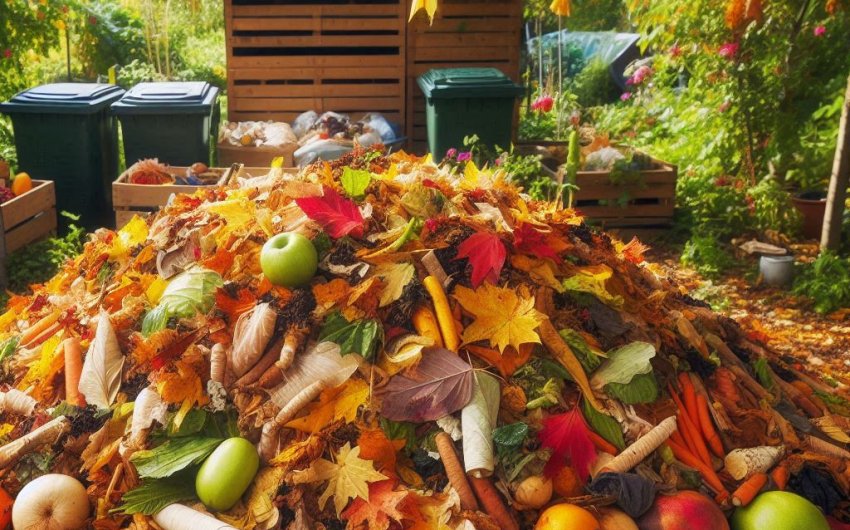
As the vibrant colors of summer give way to the crisp air and changing leaves of autumn, gardeners find themselves facing a new set of tasks. The garden, once bursting with life, slowly begins its retreat, leaving behind a bounty of spent plants, fallen leaves, and other organic matter. For many, this marks the beginning of the annual garden cleanup, often resulting in piles of "waste" destined for the curb or the landfill. But what if there was a way to transform this perceived waste into a valuable resource, enriching your garden for seasons to come?
This is where composting comes in. Far from being a messy chore, composting is a magical process where nature's decomposers — tiny microorganisms, worms, and fungi — work their wonders, breaking down organic materials into a dark, crumbly, nutrient-rich soil amendment known as compost. And fall, with its abundant supply of leaves and other garden debris, is arguably the best time to supercharge your composting efforts. It's a sustainable cycle, turning what would otherwise be discarded into "black gold" for your garden beds, vegetable patches, and even houseplants.
Learning to compost your fall garden waste is not just about being eco-friendly; it's about building healthier soil, reducing your reliance on chemical fertilizers, and saving money. It transforms your garden into a self-sustaining system, where every spent leaf or trimmed stem contributes to the next season's growth. It's an easy, natural, and incredibly rewarding practice that benefits both your garden and the environment. Let's dig into how you can harness the power of composting this fall to manage and reduce your garden waste.
What is Composting and Why Do It in Fall?
Understanding the basics of composting and recognizing why fall is such a prime time for it will help you kickstart your efforts.
What Exactly is Composting?
Composting is simply the controlled decomposition of organic materials. Think of it as speeding up nature's way of recycling. Instead of just letting leaves rot slowly in a pile, we create the perfect conditions for microorganisms (tiny living things we can't see) to break down everything into a dark, earthy substance called compost. This compost is incredibly good for your garden soil. It's not soil itself, but a soil amendment, meaning you mix it into your soil to make it better. It improves soil structure, helps soil hold water and nutrients, and provides food for plants.
Why is Fall the Best Time to Compost?
Fall is prime composting season for several reasons:
- Abundant "Brown" Materials: Fall provides an endless supply of "brown" materials, mainly fallen leaves. Brown materials are rich in carbon and are essential for a good compost pile. They provide the bulk and structure.
- Garden Cleanup provides "Green" Materials: As you clean up your garden beds, you'll have spent annuals, vegetable plant remains (as long as they're disease-free), and perennial trimmings. These are your "green" materials, rich in nitrogen.
- Ideal Temperatures: The cooler temperatures of fall are often perfect for composting. It's not too hot, which can dry out the pile, and not too cold to stop activity entirely. The pile will naturally heat up from decomposition, keeping the process going even as outside temperatures drop.
- Prepare for Spring: Starting a pile in fall means you'll have a batch of beautiful, nutrient-rich compost ready to use in your garden by spring planting time. It's like preparing a gourmet meal for your plants well in advance!
What are "Greens" and "Browns" in Composting?
To make good compost, you need a balance of "greens" and "browns".
- "Greens" (Nitrogen-rich): These are usually fresh, moist materials. They provide the nitrogen that microorganisms need to multiply and break down the carbon. Examples include fresh grass clippings, kitchen fruit and vegetable scraps, coffee grounds, and fresh garden trimmings. They tend to be wetter and can get smelly if piled alone.
- "Browns" (Carbon-rich): These are usually dry, woody materials. They provide the carbon that makes up the bulk of the compost and prevents the pile from becoming slimy. Examples include fallen leaves, shredded branches, straw, cardboard, and newspaper. They tend to be drier and more airy. A good general rule of thumb is to aim for a mix of about 2-3 parts brown material to 1 part green material by volume. This balance helps the compost heat up, break down efficiently, and avoids bad odors.
What is the Role of Air and Water in Composting?
Besides greens and browns, your compost pile needs two other key ingredients:
- Air (Oxygen): Composting is an aerobic process, meaning it requires oxygen. Without enough air, the pile can become anaerobic (without oxygen), leading to foul odors and a much slower decomposition process. Turning your compost pile regularly helps to aerate it.
- Water (Moisture): The microorganisms doing all the hard work need moisture to survive and thrive. Your compost pile should feel like a wrung-out sponge—damp, but not soggy. If it's too dry, decomposition will slow down. If it's too wet, it can become anaerobic. A quick sprinkle with a garden hose nozzle can help if it feels dry.
What Garden Waste Can Be Composted in Fall?
Fall cleanup provides a wealth of materials perfect for your compost pile. Knowing what to add (and what to avoid) is essential.
Are Fallen Leaves Good for Compost?
Absolutely! Fallen leaves are a fantastic compost ingredient and are usually the most abundant "brown" material in the fall. They are rich in carbon and provide excellent bulk and aeration to your pile.
- Shredding is best: Whole leaves can mat together and slow down decomposition, especially larger ones like maple leaves. Run over them with a lawnmower, use a leaf shredder, or gather them in a bag and chop them with a weed wacker. Shredded leaves break down much faster. A leaf shredder can make quick work of a large volume of leaves.
- Avoid diseased leaves: Do not compost leaves from trees or plants that show signs of fungal diseases (like black spot on roses) or other plant diseases. These pathogens can survive the composting process and spread to your garden when you use the finished compost.
Can I Compost Spent Annuals and Vegetable Plants?
Yes, spent annuals and vegetable plant remains are excellent "green" materials. As you pull them from your garden beds, chop them into smaller pieces to speed decomposition.
- Chop 'em up: Smaller pieces break down faster. Use your pruners or a shovel to chop up larger stalks.
- Avoid diseased plants: Just like leaves, do not compost any vegetable plants that show signs of disease (e.g., tomato blight, powdery mildew). Remove and discard them to prevent disease spread.
- Avoid seedy weeds: If you have weeds that have gone to seed, it's generally best to avoid composting them unless you have a very hot compost pile (one that reaches consistently high temperatures over 130°F, which can kill weed seeds). Otherwise, you might just be spreading weeds around your garden when you use the compost.
What About Perennial Trimmings?
As you cut back your perennials for winter, their trimmings are another valuable addition.
- Chop Woody Stems: Tougher, woody stems will take longer to break down. Chop them into 2-4 inch pieces.
- Avoid Tough, Diseased Stems: Very thick, woody branches are better suited for chipping or yard waste pickup. Again, if a perennial had a disease, don't compost those parts.
Can I Add Grass Clippings and Kitchen Scraps?
While fall is dominated by leaves, don't forget your other ongoing compostables:
- Grass clippings: These are a fantastic "green" material. Mix them well with brown leaves to prevent them from becoming a slimy, smelly mess.
- Kitchen fruit and vegetable scraps: All your fruit peels, vegetable trimmings, coffee grounds, and tea bags are perfect "greens." Avoid meat, dairy, oily foods, and pet waste. A small kitchen compost bin makes collecting these scraps easy.
What Should NOT Go Into the Compost Pile?
Some things are NOT suitable for your compost pile:
- Diseased plants: As mentioned, these can spread pathogens.
- Weeds with seeds: Unless you have a very hot pile.
- Meat, bones, dairy, and oily foods: These can attract pests (rodents, raccoons) and create foul odors.
- Pet waste: Contains pathogens harmful to humans.
- Chemically treated materials: Like lumber, or grass that's been treated with herbicides, as these chemicals can harm your plants.
- Coal ash: Contains heavy metals.
- Black walnut tree leaves/wood: Contain juglone, a compound toxic to many plants.
How Do You Start a Compost Pile or Bin?
You don't need fancy equipment to start composting, but a good setup can make the process more efficient and tidy.
What is the Best Location for a Compost Pile?
Choose a location for your compost pile that is:
- Convenient: Close enough to your garden and kitchen so it's easy to add materials, but not so close that it's in the way.
- Shaded/Partially Shaded: A spot that gets some shade will help prevent the pile from drying out too quickly, especially in hot weather.
- Well-drained: Avoid low-lying areas where water might collect.
- Near a water source: So you can easily moisten the pile if needed.
- Away from structures: Give it a little breathing room from your house or fence.
What are Different Types of Compost Bins?
There are many ways to contain your compost. Choose what fits your space and budget:
- Simple Pile: The easiest and cheapest! Just a mound of materials on the ground. Can be a bit messy, but it works.
- Wire Mesh Bin: Inexpensive and easy to set up. Just make a cylinder out of wire mesh fencing (about 3-4 feet in diameter) and secure it. Allows for good airflow.
- Pallet Bin: Made from four wooden pallets wired together. Free if you can find discarded pallets, and provides good airflow.
- Plastic Tumbler: These bins rotate, making turning the compost much easier and less messy. They are often more expensive but are good for smaller spaces and can speed up decomposition. A compost tumbler is a popular option for many.
- Three-Bin System: For serious composters, this uses three connected bins: one for new materials, one for actively decomposing materials, and one for finished compost. This allows for continuous composting.
How Do You Layer Your Compost Pile?
A good way to build a compost pile is by layering "greens" and "browns." This helps ensure a good mix and proper air circulation.
- Start with a base layer of coarse, woody "browns" (like small branches or straw) to allow for air circulation.
- Add a layer of "greens" (e.g., kitchen scraps, fresh trimmings).
- Add a thicker layer of "browns" (e.g., shredded leaves).
- Lightly moisten each layer as you add it.
- Repeat these layers. It's like making a compost lasagna! The idea is to create a diverse mix throughout the pile, rather than having large clumps of just one type of material.
Should You Add a Compost Starter?
A compost starter is not strictly necessary, but it can help kickstart the decomposition process, especially in a new pile. It usually contains beneficial microorganisms and nutrients. You can also use a thin layer of finished compost or a shovel-full of garden soil as a natural starter, as they already contain the microbes needed for decomposition. Just sprinkling some compost starter can get things moving faster.
How Do You Maintain Your Compost Pile in Fall and Winter?
Once your compost pile is built, a little maintenance will ensure it breaks down efficiently, even as the seasons change.
How Often Should You Turn Your Compost?
Turning your compost pile is crucial for aeration and mixing. It brings fresh oxygen to the microorganisms and distributes moisture and materials evenly.
- Active Composting (Warm Pile): If you want quick compost, turn the pile every few days or once a week. This helps it heat up and decompose faster. You'll notice steam rising when you turn a hot pile.
- Passive Composting (Slower Pile): If you're not in a hurry, turning once a month or even just a few times a season is fine. Decomposition will still happen, just more slowly. Use a compost fork or garden fork for turning. A compost turning tool can make this task much easier and less strenuous.
How Do You Keep Your Compost Pile Moist?
During fall, rainfall might keep your pile moist enough. However, always check the moisture level regularly. Stick your hand into the pile; it should feel damp like a wrung-out sponge. If it's too dry, decomposition will slow down. Give it a good sprinkle with the hose. If it's too wet, add more "brown" materials like dry leaves or shredded cardboard to absorb excess moisture and provide more air pockets.
What Happens to the Compost Pile in Winter?
Composting doesn't stop in winter, but it does slow down significantly, especially in colder climates. The activity of microorganisms decreases as temperatures drop.
- Pile size matters: Larger piles will retain heat better and continue to decompose slowly even when it's freezing outside.
- Add materials: You can continue to add kitchen scraps throughout the winter, but decomposition will be very slow until spring.
- Insulate (optional): Some people insulate their compost piles in winter with straw bales or tarps to help retain heat and keep the process going a little faster. Come spring, as temperatures rise, the pile will "wake up" and activity will increase rapidly.
How Do You Prepare the Compost for Spring Use?
By late fall, your compost pile should be fairly substantial. Allow it to "cook" over the winter. By spring, the material at the bottom and center of the pile should be dark, crumbly, and earthy-smelling – this is your finished compost.
- Harvest from the bottom: If you have a bin that allows it, remove finished compost from the bottom.
- Sift (optional): For a finer compost, you can sift it through a compost sifter to remove any larger, undecomposed pieces, which can then be returned to the active pile.
- Let it cure: If you have a large batch, you can let it "cure" for a few weeks or months. This simply means letting it sit, allowing any remaining active decomposition to finish and stabilize the nutrient levels.
How Do You Use Finished Compost in Your Garden?
Once you have that beautiful "black gold," it's time to put it to work in your garden. Compost is incredibly versatile and beneficial.
How Do You Use Compost as a Soil Amendment?
The most common way to use compost is as a soil amendment.
- Amending new beds: Before planting new garden beds or vegetable patches in spring, spread a 2-4 inch layer of compost over the top of the soil and gently work it into the top 6-8 inches. This will dramatically improve soil structure, fertility, and drainage.
- Improving existing beds: For established beds, you can also gently fork compost into the top few inches of soil around existing plants, being careful not to disturb their roots. Compost adds organic matter, which is vital for healthy soil. It acts like a sponge, helping sandy soils hold water and nutrients, and loosening heavy clay soils to improve drainage and aeration.
How Do You Use Compost as a Top Dressing or Mulch?
Compost makes an excellent top dressing or mulch.
- Top dressing: Spread a 1-2 inch layer of compost around the base of existing plants, trees, and shrubs. This slowly releases nutrients into the soil with each watering and provides a protective layer.
- Mulch: A thicker layer (2-3 inches) of compost can also act as an organic mulch. It helps suppress weeds, retain soil moisture, and moderate soil temperatures. As it slowly breaks down, it continuously feeds the soil. This is especially good for perennial beds and vegetable gardens.
Can You Use Compost for Potting Mixes?
Yes! Finished compost can be a component of homemade potting mixes. It adds nutrients and improves the texture of the mix. However, it shouldn't be used as 100% of your potting mix, as it can be too dense or rich for some plants in containers. A common mix is 1 part compost, 1 part topsoil, and 1 part perlite or coarse sand for drainage. Using compost in your potting mix can reduce the need for synthetic fertilizers.
How Do You Make Compost Tea?
Compost tea is a liquid fertilizer made by steeping compost in water. It's often used as a foliar spray (sprayed on leaves) or a soil drench (watered onto the soil) to provide a quick boost of nutrients and beneficial microbes to plants.
- Simple method: Put a few shovels of finished compost into an old pillowcase or burlap bag and steep it in a bucket of water for a day or two. The resulting brown liquid is compost tea.
- Aerated method: For an even better tea, you can use an air pump (like for an aquarium) to bubble air through the compost and water mixture. This encourages beneficial aerobic microbes. Always dilute compost tea before using it, typically to the color of weak tea. A compost tea brewer can help you create aerated compost tea.
How Does Composting Benefit the Environment?
Beyond your garden, composting has significant environmental benefits:
- Reduces Landfill Waste: It diverts organic materials from landfills, where they would produce methane, a potent greenhouse gas, as they decompose without oxygen.
- Reduces Need for Chemical Fertilizers: By providing natural nutrients, compost reduces your reliance on synthetic fertilizers, which can have negative environmental impacts (e.g., runoff into waterways).
- Improves Soil Health: Healthy soil sequesters carbon (stores it from the atmosphere), helping to combat climate change.
- Conserves Water: Compost-rich soil holds more water, meaning you need to water your plants less frequently. Composting is a simple, powerful way to make your gardening more sustainable and contribute to a healthier planet.