
What Are the Benefits of Using Compost in Hydroponic or Aquaponic Systems?
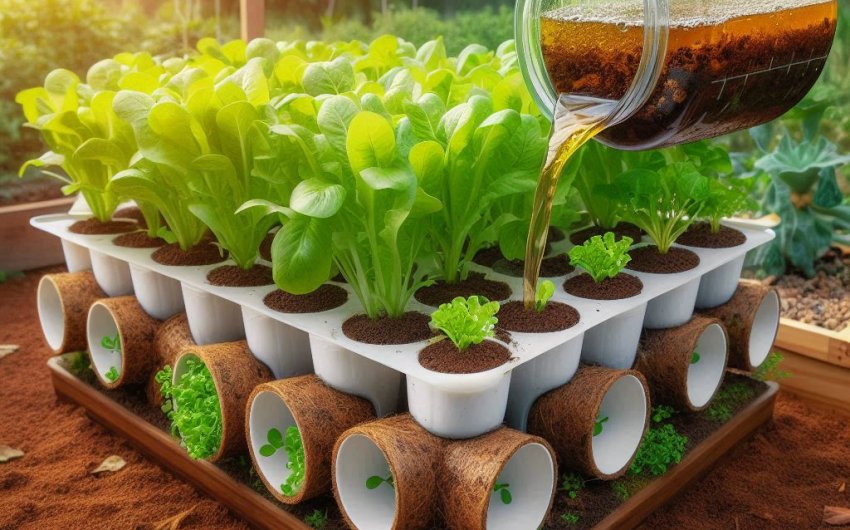
Hydroponics and aquaponics are cutting-edge ways to grow plants without soil, using nutrient-rich water. They're often seen as highly technical, modern farming methods that rely on precise chemical solutions. And for many traditional systems, that's absolutely true. You mix synthetic nutrients into water, and plants thrive. But what if there was a way to make these advanced systems even more natural, more sustainable, and potentially healthier for your plants and the environment?
Enter compost. This "black gold" from traditional soil gardening seems like an unlikely partner for soil-less systems. Yet, when used correctly, compost and its extracts can bring a host of unexpected benefits to hydroponic and aquaponic setups. It can introduce beneficial biology, provide natural nutrients, and help create a more resilient growing environment. It's about bringing the wisdom of healthy soil into the efficiency of water-based farming. Let's explore the surprising and powerful role that compost can play in unlocking new levels of success in your hydroponic or aquaponic system.
What are Hydroponic and Aquaponic Systems?
Before we talk about compost, let's quickly define these two innovative gardening methods, as they are often confused. Both involve growing plants without soil, but they differ in how nutrients are provided.
What is Hydroponics?
Hydroponics is a method of growing plants in a soilless medium (like rockwool, coco coir, or perlite) or directly in water, where the roots are bathed in a nutrient-rich water solution.
- Key Feature: Nutrients are provided by dissolving specific, usually synthetic, mineral salts directly into the water. The grower is responsible for precisely balancing these nutrients based on the plants' needs.
- Common Systems:
- Deep Water Culture (DWC): Roots are submerged in a nutrient solution.
- Nutrient Film Technique (NFT): A thin film of nutrient solution flows over the roots.
- Ebb and Flow (Flood and Drain): The growing medium is periodically flooded with nutrient solution and then drains.
- Drip Systems: Nutrient solution is dripped directly onto the base of plants.
- Benefits: Faster growth, higher yields, less water use (due to recycling), no weeds, less land needed. You can easily find Hydroponic Grow Kits for beginners.
What is Aquaponics?
Aquaponics is a symbiotic system that combines aquaculture (raising aquatic animals like fish) with hydroponics (growing plants without soil). It creates a miniature ecosystem.
- Key Feature: Fish waste provides the nutrients for the plants. The fish waste (ammonia) is converted by beneficial bacteria into nitrates, which are then absorbed by the plants. The plants, in turn, filter the water, returning clean water to the fish tank.
- How it Works:
- Fish Tank: Fish produce waste containing ammonia.
- Biofilter: Beneficial bacteria (nitrifying bacteria) colonize surfaces (like bio-balls or clay pebbles) and convert ammonia into nitrites, then into nitrates.
- Grow Beds: Plants absorb the nitrates and other nutrients from the water as it flows through their root systems.
- Recirculation: Cleaned water returns to the fish tank.
- Benefits: Produces both protein (fish) and produce (plants). Very water-efficient (minimal water changes once established). No need for synthetic fertilizers. Reduced reliance on land. You can start with a Small Aquaponics System.
While these systems are highly efficient, they often lack the complex microbial communities found in healthy soil. This is where compost can come into play.
What is Compost and Why is it Relevant to Soil-less Systems?
Compost is traditionally seen as a soil amendment, but its inherent properties and the biology it contains make it surprisingly relevant and beneficial for hydroponic and aquaponic systems.
What Exactly is Compost?
Compost is simply organic matter (like food scraps, leaves, and yard waste) that has been broken down by microorganisms into a stable, dark, crumbly, and nutrient-rich material. It's often called humus or "black gold."
Why is Compost Relevant to Hydroponic and Aquaponic Systems?
Traditionally, hydroponics relies on inert growing media and synthetic nutrient solutions, often viewed as "sterile." Aquaponics relies on bacteria in the biofilter to convert fish waste. However, both systems can benefit from the rich biological and nutritional properties of compost.
- Beneficial Microbes: Healthy compost is teeming with a diverse array of beneficial bacteria, fungi, and other microorganisms. These microbes play crucial roles in nutrient cycling, disease suppression, and promoting plant health in soil. While soil-less systems might have some microbial life, they rarely achieve the diversity and resilience of a healthy soil biome.
- Organic Nutrient Source (for Compost Tea): Compost contains a wide spectrum of plant nutrients in various forms. While you can't put solid compost directly into a hydroponic reservoir (it would clog pumps and decompose anaerobically), you can extract its beneficial properties in a liquid form called compost tea.
- Disease Suppression: Many beneficial microbes found in compost can outcompete or even actively attack plant pathogens, offering a natural line of defense against diseases like root rot.
- Trace Minerals and Growth Hormones: Beyond the main NPK nutrients, compost contains a rich array of trace minerals and naturally occurring plant growth hormones (like auxins, cytokinins) that are not always precisely replicated in standard synthetic nutrient solutions.
- Buffering Capacity: The organic compounds in compost (when extracted) can offer some buffering capacity to nutrient solutions, helping to stabilize pH fluctuations.
The key is that you won't be putting solid compost into your system. Instead, you'll be using compost extracts or creating a biologically active environment inspired by compost.
How Does Compost Improve Nutrient Cycling and Plant Growth?
One of the most profound benefits of introducing compost (in extract form) into hydroponic and aquaponic systems is its ability to enhance nutrient cycling and directly boost plant growth through natural means.
What is Compost Tea and How Does it Deliver Nutrients?
Compost tea is a liquid extract made by steeping finished compost in water. It's how you get the benefits of compost into a soil-less system.
- Nutrient Delivery: While not a complete, standalone nutrient solution, compost tea provides a gentle, supplemental dose of:
- Trace Minerals: Many micronutrients (like iron, manganese, zinc, boron) that might be missing or limited in standard hydroponic solutions or that need a boost in aquaponic systems.
- Humic and Fulvic Acids: These are powerful organic compounds in compost. They can chelate (bind to) mineral nutrients, making them more available for plant uptake. They also stimulate root growth.
- Enzymes and Plant Growth Hormones: Naturally occurring enzymes and hormones (like auxins and cytokinins) in compost tea can stimulate overall plant vigor and root development.
- Method:
- Passive (Steeped) Tea: Place finished compost in a porous bag (like an old nylon stocking or mesh bag). Suspend it in non-chlorinated water (let tap water sit for 24 hours to off-gas chlorine) for 12-24 hours.
- Aerated Compost Tea (ACT): This is generally preferred for its microbial benefits. It involves continuously bubbling air through the water and compost mixture for 12-36 hours using an aquarium air pump and air stone. This multiplies beneficial aerobic microbes. You can find Compost Tea Brewers or make your own.
- Application: Dilute the finished tea (to a light brown color) and add it to your nutrient reservoir (hydroponics) or directly into the fish tank (aquaponics), or use as a foliar spray.
How Do Beneficial Microbes Enhance Nutrient Availability?
This is where the "living" aspect of compost really shines in soil-less systems.
- Hydroponics: While not usually aiming for a full soil microbiome, introducing beneficial microbes via compost tea can help:
- Solubilize Nutrients: Some microbes can help break down certain nutrient forms into ones more readily available for plants.
- Reduce Salt Buildup: Certain microbes can help manage and reduce the buildup of mineral salts in the hydroponic solution.
- Aquaponics: Compost tea introduces additional nitrifying bacteria and other beneficial microbes that can:
- Boost Nitrification: Enhance the conversion of fish waste (ammonia to nitrites to nitrates), making nutrients more readily available for plants and keeping the water cleaner for fish.
- Improve System Cycling: Help speed up the initial "cycling" process of a new aquaponics system and maintain stable nutrient levels.
- Overall Plant Vigor: A healthier microbial environment (even in a soil-less context) can lead to stronger plant immune systems, better stress tolerance, and more efficient nutrient absorption.
By strategically introducing compost extracts, hydroponic and aquaponic systems can leverage natural biological processes to enhance nutrient cycling, leading to healthier plants and potentially reducing reliance on synthetic nutrient mixes.
What Role Does Compost Play in Disease Suppression?
Disease outbreaks, especially root rot, can be devastating in both hydroponic and aquaponic systems. Compost offers a powerful, natural line of defense by introducing beneficial microorganisms that can actively suppress plant pathogens.
How Do Beneficial Microbes Suppress Diseases?
The diverse microbial community found in healthy compost can combat plant diseases through several mechanisms:
- Competitive Exclusion: Beneficial microorganisms (bacteria and fungi) from the compost tea colonize the root zone (or growing medium/water) of the plants. They rapidly multiply and simply outcompete harmful pathogens for space, nutrients, and resources, effectively "crowding out" the bad guys.
- Antagonism and Antibiosis: Some beneficial microbes produce natural antibiotics or other compounds that are toxic or inhibitory to plant pathogens, preventing their growth and spread.
- Predation/Parasitism: Certain beneficial fungi (like Trichoderma spp.) or bacteria can directly parasitize or prey upon disease-causing organisms.
- Induced Systemic Resistance (ISR): Microbes in compost tea can trigger a plant's own natural defense mechanisms. This means the plant becomes more resistant to a wider range of diseases, much like an immune system booster.
What are Common Diseases Affected?
- Root Rot (e.g., Pythium, Phytophthora): These water molds are common in both hydroponic and aquaponic systems, especially if oxygen levels are low or temperatures are too high. Beneficial microbes from compost tea can directly combat these pathogens and improve the overall root environment.
- Fungal Diseases: While less common directly in hydroponic water, foliar fungal diseases (like powdery mildew) can sometimes affect plants. Applying compost tea as a foliar spray can help create a protective barrier of beneficial microbes on leaf surfaces, suppressing these pathogens.
How to Apply Compost Tea for Disease Suppression?
- Hydroponics: Add diluted aerated compost tea directly to your nutrient reservoir. The beneficial microbes will circulate through the system and colonize the plant roots.
- Aquaponics: Introduce diluted aerated compost tea into your fish tank or sump. The microbes will enhance the biofilter's activity and contribute to a healthier water environment for both fish and plants.
- Foliar Spray: For existing plants, especially if you notice signs of foliar fungal issues, apply diluted compost tea as a spray directly onto the plant leaves. Ensure good coverage (top and bottom of leaves). You can use a Garden Sprayer for Compost Tea.
By leveraging the natural disease-suppressing power of compost tea, you can create a more resilient and healthier hydroponic or aquaponic system, reducing the need for chemical treatments and promoting vigorous plant growth.
What are the Considerations for Using Compost in Soil-less Systems?
While the benefits of using compost in hydroponic and aquaponic systems are compelling, it's crucial to understand how to use it safely and effectively. Direct application of solid compost is generally not advisable.
Why Can't I Just Add Solid Compost to My Hydroponic Reservoir?
- Clogging: Solid compost particles would quickly clog pumps, tubes, and emitters in a hydroponic system, leading to system failure.
- Anaerobic Decomposition: If submerged in water without sufficient oxygen (which happens in many hydroponic reservoirs), the solid compost would decompose anaerobically, producing foul odors and potentially harmful compounds (like alcohols and organic acids) that can damage plant roots and attract undesirable bacteria.
- pH Fluctuations: The breakdown of solid organic matter can cause unpredictable and rapid pH swings in your nutrient solution, making it difficult to maintain stability.
- Pathogen Risk: While good compost is largely free of human pathogens, introducing unmanaged solid organic matter into a warm, wet environment without constant aeration can create conditions for unwanted microbial growth.
Why Can't I Just Put Compost in My Aquaponics System?
- Fish Safety: Solid compost added directly to the fish tank could release compounds or create conditions (like ammonia spikes from anaerobic decay) that are toxic to fish.
- Cloudiness: It would make the water cloudy and difficult to maintain clarity.
- Clogging: Similar to hydroponics, solid particles would clog pumps and filters.
What is the Safest Way to Incorporate Compost?
The safest and most effective way to introduce the benefits of compost into hydroponic and aquaponic systems is through aerated compost tea.
- Aerated Compost Tea (ACT): This is the gold standard. When you actively bubble air through the compost and water mixture, you create an oxygen-rich environment that promotes the growth of beneficial, aerobic microbes while discouraging harmful anaerobic ones. The final tea is a liquid extract, free of solid particles.
- Filtering/Straining: Even with ACT, it's important to adequately filter or strain the finished tea before adding it to your system to prevent any fine particles from entering pumps or lines. Use a fine mesh sieve or cheesecloth.
- Dilution: Always dilute compost tea before adding it to your system. Start with a conservative dilution (e.g., 1 part tea to 10 parts water) and observe your plants' response before increasing.
- Regular Monitoring: When introducing any new input, monitor your system's pH, EC/TDS (electrical conductivity/total dissolved solids), and nutrient levels closely. In aquaponics, also monitor fish health and water parameters (ammonia, nitrites, nitrates).
- Source of Compost: Use only high-quality, finished, and well-made compost to brew your tea. Poor quality compost can introduce problems.
Are There Other Indirect Uses?
- Worm Castings: High-quality Worm Castings can also be used to brew worm tea, which shares many benefits with compost tea.
- Growing Media: While not part of the nutrient solution, compost can be used as an ingredient in custom growing media blends for hydroponic systems that use inert substrates (e.g., coco coir, perlite, vermiculite). For example, a 10-20% compost mix with coco coir can be used for seedlings before transplanting into the hydroponic system, giving them an initial biological boost.
By understanding these considerations and carefully using aerated compost tea, you can successfully harness the natural power of compost to enhance the health and productivity of your hydroponic and aquaponic systems.
What are the Long-Term Benefits of Using Compost in Hydroponic/Aquaponic Systems?
Beyond the immediate boosts in nutrient cycling and disease suppression, integrating compost (through extracts) into your hydroponic or aquaponic systems offers several compelling long-term advantages that align with more sustainable and robust growing practices.
What About Enhanced Plant Resilience?
- Stress Resistance: Plants that benefit from beneficial microbial populations (even in soil-less systems) often exhibit increased resilience to various stresses, including temperature fluctuations, nutrient imbalances, and even some environmental shocks. The microbes help the plant manage stress more effectively.
- Stronger Root Systems: The growth hormones and humic substances in compost tea can promote robust root development, leading to a larger surface area for nutrient and water absorption, and a more stable plant overall.
What About Reduced Reliance on Synthetic Inputs?
- Supplementing Nutrients: In hydroponics, regular application of compost tea can potentially reduce the overall need for certain synthetic mineral nutrients, especially trace elements. While it might not fully replace them in all systems, it can lead to more balanced nutrition from natural sources.
- Reduced Chemical Treatments: By naturally suppressing diseases, the use of compost tea can lessen the need for synthetic fungicides or other chemical treatments for common issues like root rot. This creates a cleaner, safer growing environment.
- Aquaponics Optimization: In aquaponics, adding compost tea can enhance the system's natural nutrient cycling efficiency, potentially reducing the need for any supplemental nutrients (though well-established aquaponics systems already rarely need them) and fostering a more robust biofilter.
What About Increased System Stability?
- pH Buffering: The organic compounds in compost tea can act as buffers, helping to stabilize the pH of your nutrient solution or system water. While not as strong as chemical buffers, it can reduce drastic pH swings, which is beneficial for both plant nutrient uptake and fish health in aquaponics.
- Healthier Biofilter (Aquaponics): Regular additions of beneficial microbes can contribute to a more diverse and stable microbial community in the aquaponics biofilter, leading to more consistent ammonia-nitrate conversion and overall water quality.
What About Potential for Flavor and Quality Improvements?
While anecdotal and subject to more scientific study, many growers report that plants grown with organic inputs (like compost tea) often have enhanced flavor profiles, aromas, and overall quality compared to those grown solely with synthetic nutrients. This is often attributed to the wider range of trace minerals, beneficial compounds, and the holistic interaction provided by a more biologically active growing environment.
What About Aligning with Sustainable Principles?
- Natural Inputs: Using compost in hydroponic and aquaponic systems aligns with broader sustainable and organic gardening principles by emphasizing natural, recycled inputs over manufactured chemicals.
- Resource Efficiency: While both systems are inherently water-efficient, using compost enhances their sustainability by reducing reliance on a manufacturing chain for synthetic nutrients.
- Waste Utilization: It directly utilizes organic waste (from your composting efforts) to produce a valuable resource for these advanced growing methods.
Integrating compost (through aerated tea) into hydroponic and aquaponic systems represents a fascinating bridge between traditional organic gardening wisdom and cutting-edge soilless cultivation. It offers a path to not just grow plants, but to grow healthier, more resilient, and potentially more flavorful produce in a truly sustainable way.