
How Can I Set Up a Composting System for a Farm-to-Table Restaurant?
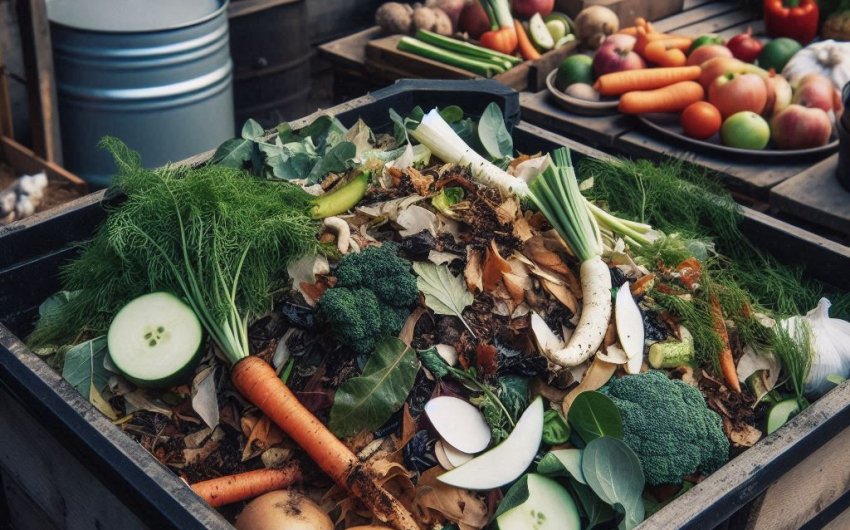
The allure of a farm-to-table restaurant lies in its commitment to fresh, locally sourced ingredients and a sustainable ethos. Diners appreciate knowing where their food comes from and that the establishment cares about its environmental impact. But the journey from farm to table often stops abruptly at the table's edge, where uneaten food and kitchen scraps become waste. For a truly sustainable farm-to-table model, the cycle shouldn't end there.
Implementing a robust composting system can close the loop, turning food waste into a valuable resource that nourishes the very farms supplying your ingredients. It's an extension of the farm-to-table philosophy, demonstrating a full commitment to sustainability, reducing landfill waste, and potentially even cutting costs. Setting up a commercial composting system for a busy restaurant requires careful planning, but the benefits are well worth the effort.
Why is Composting Essential for a Farm-to-Table Restaurant?
For a farm-to-table restaurant, composting isn't just a good idea; it's a natural extension of its core values. It solidifies a commitment to sustainability that resonates deeply with diners and provides tangible benefits for the business and the environment. It transforms the concept of "waste" into a valuable resource, aligning perfectly with a philosophy of fresh, local, and responsible food.
Embracing composting helps a restaurant stand out, operate more efficiently, and become a true leader in sustainable practices within the food industry.
Reinforcing Sustainability and Brand Image
A farm-to-table restaurant thrives on a narrative of freshness, local sourcing, and environmental responsibility. Implementing a visible and effective composting system powerfully reinforces this sustainability and brand image, extending the narrative beyond just the menu.
- Authenticity: It demonstrates a genuine commitment to the "farm-to-table" ethos, proving that the restaurant doesn't just source sustainably but also manages its waste sustainably. This authenticity can be a major differentiator in a competitive market.
- Customer Appeal: Today's diners, especially those attracted to farm-to-table concepts, are increasingly environmentally conscious. Seeing a restaurant actively composting aligns with their values and can foster loyalty. It's a tangible way to show you care.
- Marketing Advantage: A robust composting program provides a fantastic story for marketing. You can highlight your waste diversion efforts on your website, social media, and even on your menu. "Our food scraps go back to the earth to grow more delicious ingredients!" is a powerful message.
- Leadership in the Community: By setting up a successful composting system, a restaurant can become a leader in its local community, inspiring other businesses and residents to adopt similar sustainable practices.
- Employee Engagement: Employees often feel a greater sense of pride and engagement when working for an organization that aligns with positive environmental values.
A visible and functional composting system isn't just about waste management; it's a strategic asset that strengthens a farm-to-table restaurant's identity, reputation, and appeal to its target audience.
Reducing Landfill Waste and Costs
The most immediate and tangible benefits of composting for any business, especially a restaurant, are significantly reducing landfill waste and associated costs. Restaurants generate a huge amount of food waste, which can be expensive to dispose of.
- Decreased Waste Volume: Food scraps and other organic materials make up a large percentage of restaurant waste. By diverting these to compost, the overall volume of waste going into dumpsters and then to landfills dramatically decreases.
- Lower Hauling Fees: Waste haulers often charge based on the volume or weight of trash. Reducing your waste volume through composting can directly translate into lower waste collection bills. For some restaurants, these savings can be substantial over a year.
- Environmental Impact of Landfills: When food waste ends up in landfills, it decomposes without oxygen (anaerobic decomposition), producing methane. Methane is a potent greenhouse gas that contributes significantly to climate change. By composting (aerobic decomposition), you prevent methane emissions, contributing to a healthier planet.
- Avoiding Landfill Taxes/Regulations: In some regions, landfills are becoming increasingly regulated or face escalating taxes on waste. Composting can help a business navigate these challenges and avoid potential future penalties.
- Resource Recovery: Instead of waste, food scraps become a valuable resource – rich compost that can be used to enrich soil, helping to grow more food. This truly closes the loop.
The financial and environmental incentives to compost food waste are compelling, making it a smart business decision for any farm-to-table restaurant.
Creating Valuable Soil Amendment
One of the most exciting aspects of composting is turning what was once considered waste into a highly beneficial product: rich, nutrient-dense compost. For a farm-to-table restaurant, this valuable soil amendment can be used in several ways, directly connecting back to its core mission.
- Enhancing Partner Farms: The most fitting use for the finished compost is to return it to the farms that supply the restaurant's ingredients. This "full circle" approach allows the nutrients from the uneaten food to go back into the soil, enriching it for future crops. This strengthens the relationship with local farmers and demonstrates a truly closed-loop system. The compost improves soil structure, water retention, and provides essential nutrients, potentially reducing the need for synthetic fertilizers.
- On-Site Garden (if applicable): If the restaurant has its own herb garden, small vegetable patch, or even container gardens for garnishes, the finished compost can be used directly on-site to nourish these plants. This provides a tangible, immediate benefit.
- Community Gardens: The compost can be donated to local community gardens, school gardens, or urban farms, further extending the restaurant's positive environmental impact and community engagement.
- Cost Savings on Soil Amendments: If the restaurant (or its partner farms) currently purchases soil amendments or topsoil, having a supply of free, high-quality compost can lead to direct cost savings.
The ability to transform restaurant waste into a valuable soil amendment solidifies the farm-to-table commitment, providing a tangible, beneficial product that enhances the very source of the restaurant's ingredients.
Enhanced Public Relations and Community Engagement
A visible commitment to composting offers fantastic opportunities for a farm-to-table restaurant to enhance its public relations and deepen its community engagement. It's a positive story that resonates with a wider audience.
- Positive Press: Composting initiatives are newsworthy. Local media, sustainable living blogs, and food publications are often keen to cover businesses that are genuinely committed to environmental stewardship. This can lead to valuable free publicity.
- Awards and Recognition: Many environmental awards and certifications (local and national) recognize businesses with strong sustainability programs, including composting. Earning such accolades can further boost the restaurant's reputation and appeal.
- Educational Opportunities: The restaurant can host tours or workshops, showcasing its composting system to local schools, garden clubs, or community groups. This positions the restaurant as an educational resource and a leader.
- Partnerships: The compost program can foster deeper partnerships with local farms (as recipients of the compost) or waste management companies.
- Employee Morale: Employees often feel a greater sense of purpose and pride when working for a company that actively engages in positive environmental practices. This can lead to increased employee retention and a more dedicated team.
- Customer Loyalty: Customers who learn about the restaurant's composting efforts may feel a stronger connection and loyalty, choosing to support a business that aligns with their values. This goes beyond just the food quality.
By embracing composting, a farm-to-table restaurant can weave a compelling story of environmental responsibility, fostering deeper connections with its customers and community, and ultimately strengthening its brand.
Key Considerations Before Setting Up Your System
Setting up a composting system for a farm-to-table restaurant is different from a home composting setup. The volume of waste is significantly higher, the types of waste are more varied, and health regulations are stricter. Before you even think about bins, you need to lay the groundwork with careful planning and research.
Thinking through these key considerations will help you choose the right system, ensure compliance, and make your composting efforts efficient and sustainable in the long run.
Local Regulations and Permits
This is the very first and most crucial step. Local regulations and permits will dictate what you can and cannot compost, how much, where, and how you must handle it. Ignoring these can lead to fines, operational shutdowns, and a negative impact on your business.
- Health Department Regulations:
- Food Waste Handling: Health departments have strict rules about handling food waste to prevent pests, odors, and contamination. This often impacts storage, transport, and processing.
- Meat and Dairy: Many regulations prohibit or heavily restrict the composting of meat, bones, and dairy products in on-site composting systems due to concerns about pathogens, odors, and pest attraction.
- Permitting: You may need specific permits for on-site composting facilities, especially for commercial volumes.
- Zoning Ordinances: Check local zoning laws to ensure that composting is allowed on your property, especially if you plan to do it outdoors. There might be rules regarding proximity to property lines or residential areas.
- Waste Management Policies:
- Commercial Composting Facilities: If you plan to use an off-site commercial composting service, research local providers. They will have specific requirements for what they accept (e.g., food scraps only, no packaging) and how materials must be separated and collected.
- Food Waste Bans: Some cities or states are implementing food waste bans from landfills, making composting or other organic waste diversion mandatory. Be aware of these current and upcoming laws.
- Environmental Protection Agency (EPA): While less direct for small-scale on-site, the EPA provides guidance on composting that local regulations often derive from.
- Action Steps:
- Contact Your Local Health Department: This is your primary point of contact. Explain your plan for composting food waste and ask about all applicable regulations and permits.
- Consult Local Waste Management Authority: Inquire about commercial composting services available in your area and their specific acceptance policies.
- Check Zoning Laws: Review your property's zoning classification and associated regulations.
Thoroughly researching and complying with local regulations and permits is non-negotiable for a successful and compliant restaurant composting system.
Volume and Type of Waste
The sheer volume and type of waste your farm-to-table restaurant generates will heavily influence the kind of composting system that is feasible and effective. This is a critical assessment.
- Waste Audit: Before deciding on a system, conduct a waste audit for a week or two.
- Quantify: Measure the amount of food waste generated daily (e.g., by weighing it). This will give you a sense of the scale you need to handle.
- Categorize: Identify the types of food waste:
- Pre-consumer waste: Plate scrapings, spoiled ingredients, trim from food preparation (fruit and vegetable scraps, coffee grounds, eggshells).
- Post-consumer waste: Uneaten food from diners' plates (potentially including meat, dairy, bones, oils). This is often the most problematic category for composting.
- Other organics: Napkins, paper towels (if compostable), wooden stirrers.
- Implications for System Choice:
- On-site Composting: If your volume of post-consumer waste is high, or if you want to compost meat/dairy, a basic backyard pile is out. You'd need specialized systems like aerated static piles, in-vessel composters, or vermicomposting systems, which are much more complex and costly.
- Commercial Composting Service: Many commercial composting services primarily accept pre-consumer fruit and vegetable scraps, coffee grounds, and some other plant-based materials. They often have stricter rules about meat, dairy, and oils due to their own processing limitations and pathogen concerns. You'll need separate bins for different types of waste.
- Labor and Space: Higher volumes and diverse waste types require more dedicated space for bins and more labor for collection, separation, and processing.
Accurately assessing the volume and type of waste is crucial for selecting a composting system that can actually handle your restaurant's output efficiently and legally.
Space and Location
The space and location available for your composting system will be a major determining factor in what kind of setup you can implement. Restaurants often have limited outdoor space, so this needs careful consideration.
- On-Site Composting:
- Outdoor Space: Do you have enough outdoor space for a compost pile, bins, or an in-vessel composter? Consider square footage, accessibility for turning/maintenance, and proximity to buildings/neighbors.
- Location Away from Main Areas: Ideally, the composting system should be located away from dining areas, entrances, and neighboring properties to prevent any potential odor issues or pest attraction.
- Accessibility: It needs to be easily accessible for kitchen staff to bring out scraps and for maintenance (turning, adding water).
- Shelter: Protecting the compost system from direct sun and heavy rain can help regulate temperature and moisture, improving efficiency.
- Permitting: Remember, zoning laws and health codes often have strict rules about the location of composting facilities.
- Off-Site Composting (Collection & Storage):
- Indoor Collection Bins: You'll need designated bins in the kitchen for different types of compostable waste (e.g., food scraps, paper napkins). These need to be clearly labeled and easily accessible for staff. They should be sturdy and possibly include a commercial kitchen compost bin with a foot pedal for hands-free use.
- Outdoor Storage for Pick-up: You'll need a designated, secure, and easy-to-access area for larger outdoor collection bins where your compostable waste will be stored until the commercial composting service picks it up. These bins should be lidded and easy to clean.
Regardless of the system, inadequate space and a poor location can lead to operational difficulties, odor complaints, pest problems, and non-compliance with regulations, so planning this carefully is crucial.
Staff Training and Buy-In
Even the best composting system will fail without adequate staff training and buy-in. Your kitchen and front-of-house staff are the front lines of waste separation, and their understanding and commitment are paramount to success.
- Why it's Crucial:
- Proper Separation: The biggest challenge in restaurant composting is often contamination. Staff must clearly understand what goes into which bin (e.g., food scraps, general waste, recycling). One contaminated batch can ruin an entire load of compostables.
- Efficiency: Well-trained staff will make the separation process quick and seamless, minimizing disruption to kitchen operations.
- Motivation: If staff understand why composting is important (environmental benefits, cost savings, brand image), they are more likely to commit to the program.
- Key Training Elements:
- Clear Labeling: Use highly visible, easy-to-understand labels on all bins, ideally with pictures for different types of waste. Consider color-coding bins. You can get compost bin labels specifically designed for waste separation.
- Regular Training Sessions: Conduct initial training for all staff, and refresher training sessions periodically, especially when new staff are hired.
- Demonstrations: Show staff exactly how to separate different waste items.
- FAQ/Troubleshooting Guide: Provide a simple guide for common questions or tricky items.
- Designated Champion: Appoint a "compost champion" on staff who can answer questions, monitor bins, and encourage compliance.
- Feedback Loop: Encourage staff to provide feedback on what's working or what's challenging about the system.
- Gaining Buy-In:
- Communicate Benefits: Explain the environmental benefits, cost savings, and positive public relations aspects of the composting program.
- Involve Staff in Planning: Get their input on where bins should go and how the process can be streamlined.
- Celebrate Successes: Share successes (e.g., "We diverted X pounds of waste this month!") to keep morale high.
Staff training and buy-in transform a mere waste diversion plan into a successful, integrated sustainability program for your restaurant.
Choosing the Right Composting System
With the initial considerations in mind, you can now start exploring the various composting systems available. Your choice will depend heavily on the volume and type of waste, available space, local regulations, and your budget. There isn't a one-size-fits-all solution for restaurants.
You'll generally choose between sending your waste off-site to a commercial facility or processing it on-site. Each approach has distinct advantages and requirements.
Option 1: Commercial Composting Service (Off-Site)
For many farm-to-table restaurants, especially those with limited space or a desire for minimal on-site effort, contracting with a commercial composting service (off-site) is the most practical and efficient solution.
- How it Works: You collect your compostable food waste in designated bins (often provided by the service) at your restaurant. The commercial composting service then picks up these bins on a regular schedule and transports the waste to a large-scale composting facility for processing.
- Pros:
- Handles Larger Volume: Commercial composting facilities are equipped to handle vast quantities of organic waste, including materials that are difficult to compost on-site (like meat, dairy, and large bones), though acceptance policies vary by facility.
- Less On-Site Effort/Space: Requires minimal physical space on your property for processing (just for collection bins). There's no need for turning piles or monitoring temperatures.
- Compliance with Regulations: These facilities are usually permitted to handle a broader range of food waste types and comply with all health and environmental regulations.
- Reduced Odor/Pest Risk: Waste is sealed in bins and removed regularly, significantly reducing on-site odor and pest attraction.
- Expert Management: The actual composting process is managed by experts, ensuring a high-quality finished product.
- Cons:
- Cost: There is typically a regular service fee, similar to trash collection. However, this may be offset by reduced general waste hauling fees.
- Limited Control: You have no direct control over the composting process or the end use of the compost. You can't use the compost yourself unless the service offers a "compost back" program.
- Dependence on Service Availability: Only an option if a reliable commercial composting service operates in your area and accepts restaurant food waste.
- Implementation Steps:
- Research Local Services: Find commercial composting services in your region that cater to restaurants.
- Understand Accepted Materials: Confirm their specific list of accepted and prohibited items (e.g., "no plastic," "only pre-consumer scraps," "meat/dairy okay?").
- Bin Setup: Work with the service provider to set up appropriate collection bins in your kitchen and designated outdoor pick-up areas. These bins are often specially designed to be easy to clean and sealable.
- Staff Training: Crucial for ensuring proper waste separation at the source.
For many farm-to-table restaurants, commercial composting services offer the most practical and environmentally responsible way to divert large volumes of food waste.
Option 2: On-Site Composting (Internal)
For farm-to-table restaurants with ample outdoor space, lower waste volumes, or a strong desire for a completely closed-loop system, on-site composting can be a rewarding option. This involves managing the entire composting process at your location.
- Pros:
- Full Control: You control the entire process, from what goes in to how the compost is processed.
- Direct Use of Compost: You can directly use the finished compost on your own herb garden, vegetable patch, or return it to partner farms, creating a truly visible closed loop.
- Reduced Hauling Fees (Potentially): Eliminates commercial composting service fees, but still requires general waste hauling.
- Educational Opportunity: Can be a great educational feature for staff and even guests.
- Cons:
- Labor Intensive: Requires significant ongoing labor for collection, turning, monitoring, and maintaining the compost system.
- Space Requirements: Needs dedicated outdoor space.
- Health and Pest Risks: Greater potential for odors and attracting pests (rodents, insects) if not managed meticulously. This is a major concern for a restaurant environment.
- Strict Regulations: Much stricter health and environmental regulations to navigate compared to off-site collection. May require special permits for commercial food waste.
- Limited Acceptable Waste: Standard home composting methods usually cannot handle meat, dairy, or cooked foods due to pest and odor issues and potential for pathogens. You'll still need a separate disposal method for these.
- Expertise Needed: Requires a good understanding of composting science to manage effectively and safely.
- Types of On-Site Systems (for food waste):
- Aerated Static Pile Composting: Involves building a large pile with a network of pipes to blow air through it. This is more controlled and can reach higher temperatures, suitable for larger volumes and possibly some cooked foods.
- In-Vessel Composting: Uses a contained system (a drum or rotating chamber) to accelerate decomposition. More expensive but offers better odor and pest control. Good for medium volumes.
- Vermicomposting (Worm Composting): Uses specialized composting worms to break down food scraps. Excellent for smaller volumes of plant-based food waste. Produces high-quality worm castings. Not suitable for meat/dairy or high volumes. A large-scale vermicomposting bin could be considered for specific types of waste.
- Hot Composting (Binned Systems): For primarily plant-based food waste and yard waste, building a contained "hot" compost pile with multiple bins for rotation can work, provided rigorous management to deter pests and control odors. You'd need sturdy three-bin composting system or similar setups.
On-site composting offers a deep dive into sustainability but requires significant resources, expertise, and strict adherence to regulations. It's often best suited for restaurants with smaller, more controlled organic waste streams.
Setting Up Your System: Practical Steps
Once you've chosen your composting system (commercial service or on-site), it's time to put the practical steps into action. This involves everything from where waste is sorted in the kitchen to how it's stored and collected. A well-designed workflow is crucial for success in a busy restaurant environment.
These steps ensure efficiency, cleanliness, and adherence to regulations, making composting an integrated and smooth part of daily operations.
1. Kitchen Collection and Separation
The success of any composting system starts at the source: the kitchen. Efficient collection and separation of compostable waste are paramount to avoid contamination and streamline the process.
- Designated Bins:
- Placement: Place clearly labeled compost bins (often smaller, manageable sizes) in strategic locations throughout the kitchen: near prep stations, dishwashing areas, and potentially even bussing stations for post-consumer waste.
- Clear Labels: Use large, easily readable labels with both text and pictures/icons (e.g., a banana peel, coffee grounds) showing what goes in the compost bin and, just as importantly, what doesn't (e.g., plastic wrap, foil, meat/dairy if not accepted). Color-coding helps (e.g., green for compost, black for trash, blue for recycling). You can buy various kitchen compost caddy options for smaller, individual stations.
- Lids: All kitchen compost bins must have tight-fitting lids to control odors and prevent fruit flies or other pests.
- Liners (Optional but Recommended): Consider using compostable bags to line the bins. These bags are made from plant-based materials that break down in a composting facility. This makes emptying cleaner and faster for staff. Look for bags certified compostable (e.g., BPI certified compostable bags).
- Staff Training (Reiterated): This is where staff buy-in and training truly pay off. Staff need to understand the importance of separation and feel empowered to do it correctly. Regular reminders, visual aids, and a "compost champion" are key.
- Monitoring and Feedback: Periodically check the bins for contamination. If you find incorrect items, use it as a learning opportunity with staff, not a punitive one.
- Pre-Scraping Dishes: For post-consumer waste, train staff to scrape plates into the compost bin before they go to dishwashing. This is faster and prevents food from washing into drains.
Efficient kitchen collection and separation is the backbone of a successful restaurant composting system, ensuring high-quality feedstock for your chosen method.
2. Intermediate Storage
Once the compostable waste is collected from the kitchen, it needs a safe and hygienic place for intermediate storage before it's picked up by a commercial service or transported to your on-site composting system.
- Container Choice:
- Large, Durable Bins: Use large, sturdy, lidded bins for outdoor intermediate storage. These are typically wheeled bins, similar to large trash cans but designated for compostables.
- Sealed and Pest-Proof: The bins must have tight-fitting, secure lids to prevent odors from escaping and to deter pests (rodents, flies, scavenging animals). Metal or thick plastic bins are generally best.
- Easy to Clean: Choose bins that are easy to hose out and sanitize regularly to maintain hygiene and prevent odors.
- Location:
- Accessible: The intermediate storage area should be easily accessible from the kitchen for staff emptying smaller internal bins.
- Out of Sight: Ideally, it should be in a discreet location, away from customer view, dining areas, and neighboring properties to minimize any potential odor or visual impact.
- Shade/Cool: If possible, locate the bins in a shaded or cool area, especially in warm climates, to slow down decomposition and reduce odors between pick-ups.
- Secure: Ensure the area is secure, especially if bins are left overnight, to prevent tampering or scavenging.
- Frequency of Transfer: Depending on the volume of waste and the heat, smaller kitchen bins should be emptied into the larger outdoor storage bins at least once a day, if not more frequently, to prevent odors indoors.
- Lining (Optional): If using a commercial service that allows it, lining these larger outdoor bins with commercial-grade compostable bags can further simplify the process and keep bins cleaner.
Proper intermediate storage is crucial for maintaining hygiene, controlling odors, and managing pests while waiting for your compostable waste to be processed. A large commercial outdoor compost bin with wheels can be helpful.
3. Collection Schedule
Establishing a clear and consistent collection schedule is vital for the success of your restaurant composting system, whether you're using an off-site service or managing it on-site. This schedule directly impacts hygiene, odor control, and efficiency.
- For Commercial Composting Services:
- Match Volume to Frequency: Work with your chosen commercial composting service to set up a collection schedule that matches your restaurant's waste volume. If you generate a lot of waste, you might need daily or every-other-day pick-ups. For smaller volumes, 2-3 times a week might suffice.
- Avoid Overfilling: Ensure your collection bins are never overfilled, as this makes them difficult to move, seal, and can lead to spills and pest issues.
- Communicate Changes: If your waste volume fluctuates significantly (e.g., during busy seasons or holidays), communicate this to your service provider to adjust the schedule temporarily.
- For On-Site Composting Systems:
- Regular Transfer: Establish a daily or every-other-day schedule for transferring collected food waste from kitchen bins to your main on-site compost pile or composter. This prevents waste from sitting and becoming smelly indoors.
- Consistent Turning/Aeration: If you're managing a traditional compost pile, a regular turning schedule (e.g., 2-3 times a week for a hot pile, or once a week for slower methods) is crucial for proper decomposition and odor control.
- Monitoring: Regularly check your on-site compost pile for moisture levels and temperature to ensure it's actively breaking down.
- Benefits of a Consistent Schedule:
- Odor Control: Frequent collection/transfer prevents food waste from fermenting and producing strong odors.
- Pest Deterrence: Less time food waste sits exposed, less attractive it is to pests.
- Hygiene: Keeps both internal and external areas cleaner.
- Efficiency: Integrates into staff routines and minimizes disruption.
A well-planned and adhered-to collection schedule is a key operational component that underpins a hygienic, effective, and sustainable composting system for your restaurant.
Maintaining and Troubleshooting Your Composting System
Even with the best setup, a composting system requires ongoing maintenance and troubleshooting to ensure it continues to function effectively. This is where the art and science of composting come into play. Ignoring issues can lead to odors, pests, and a stalled process.
Regular attention ensures your composting efforts remain productive and contribute to your farm-to-table restaurant's sustainability goals.
Balancing Greens and Browns (For On-Site Systems)
For on-site composting systems, achieving the right balance of greens and browns is perhaps the most fundamental principle for successful decomposition. This ratio impacts decomposition speed, temperature, and odor control.
- Greens (Nitrogen-Rich): These are fresh, moist materials that provide nitrogen. They are the "fuel" for the microbes.
- Restaurant Examples: Fruit and vegetable scraps, coffee grounds, tea bags, uneaten plant-based cooked food (depending on system rules).
- Browns (Carbon-Rich): These are dry, fibrous materials that provide carbon. They are the "energy source" and "structure" for the microbes.
- Restaurant Examples: Paper napkins (if compostable), cardboard (ripped into small pieces), wood stirrers, paper coffee filters. You may also need to source additional browns like dry leaves, wood chips, or sawdust if your kitchen waste is predominantly green. You can often buy bags of untreated wood chips for composting if needed.
- The Ideal Ratio: Aim for roughly a 25-30 parts carbon to 1 part nitrogen by weight, which often translates to about 2-3 parts browns to 1 part greens by volume. Don't worry about being exact; it's more about observation.
- Why Balance Matters:
- Speed of Decomposition: The right balance encourages rapid microbial activity, leading to hot, fast decomposition.
- Odor Control: Too many greens lead to a wet, anaerobic (no oxygen) pile that smells like rotten eggs or ammonia. Browns absorb moisture and provide airflow, preventing these odors.
- Temperature: A balanced mix helps the pile heat up to optimal temperatures for breaking down materials.
- Troubleshooting the Balance:
- Smells Like Ammonia: Too much nitrogen (greens). Add more browns (e.g., shredded cardboard, dry leaves).
- Smells Rotten/Slimey: Too wet and not enough airflow. Add more browns and turn the pile.
- Not Breaking Down/Cold: Too many browns or too dry. Add more greens (or a nitrogen source) and water if dry, then turn.
Mastering the balance of greens and browns is the fundamental skill for successfully managing an on-site composting system.
Monitoring Moisture and Temperature (For On-Site Systems)
For on-site composting, especially if aiming for hot composting (rapid decomposition), regularly monitoring moisture and temperature is essential. These are the two environmental factors that largely control microbial activity.
- Moisture:
- Ideal Level: The compost pile should feel like a wrung-out sponge – damp, but not soggy. If you squeeze a handful, a few drops of water should come out.
- Too Dry: Decomposition slows significantly or stops. Microbes need water to survive and work.
- Too Wet: Reduces oxygen flow, leading to anaerobic conditions, slow decomposition, and foul odors.
- Adjusting: If dry, add water as you turn. If wet, add more dry browns and turn to aerate.
- Temperature (for Hot Composting):
- Ideal Range: A hot compost pile should reach temperatures between 130°F and 160°F (55°C and 70°C). This heat indicates rapid microbial activity and is crucial for killing weed seeds and pathogens.
- Monitoring Tool: Use a compost thermometer (long probe) inserted into the center of the pile.
- Too Cold: Indicates a lack of active decomposition. Usually means too dry, too many browns, or insufficient size.
- Too Hot: Rare in home systems, but extremely high temps (above 170°F) can kill beneficial microbes. Turning the pile will cool it down.
- Why Monitor?:
- Efficiency: Ensures optimal conditions for rapid breakdown.
- Safety: High temperatures kill pathogens that might be in food waste.
- Troubleshooting: Helps identify what's going wrong if the pile isn't performing as expected.
Regularly monitoring moisture and temperature allows you to be an active manager of your compost pile, ensuring it's always working efficiently and safely.
Pest and Odor Management
For a restaurant composting system, meticulous pest and odor management is non-negotiable. Any issues here can quickly lead to health code violations, customer complaints, and a ruined reputation.
- Odor Prevention:
- Balance Greens/Browns: The most common cause of bad odors in compost piles is too many greens and lack of aeration. Proper carbon/nitrogen balance and regular turning are key.
- Bury Food Scraps: Always bury fresh food scraps deep within the pile, covering them with a layer of browns (like wood chips or shredded leaves). Never leave them exposed on top.
- Sealed Bins: Use tight-fitting lids on all kitchen and intermediate storage bins.
- Regular Cleaning: Wash collection bins regularly with soap and water to prevent residues and odors.
- Pest Deterrence (Flies, Rodents, Raccoons):
- Containment: Use sturdy, sealed compost bins or secure enclosures that are inaccessible to animals. Metal bins are harder for rodents to chew through than plastic.
- Bury Food: Again, never leave food waste exposed.
- Avoid Problem Materials (for on-site): Strictly adhere to rules about not composting meat, dairy, and oily foods in a typical on-site system, as these are major pest attractants. Even for commercial services, ensure bins are well-sealed.
- Cleanliness: Keep the area around your compost system clean and free of spills.
- Regular Turning: Active, hot compost piles are less attractive to pests as the heat and rapid decomposition are less hospitable.
- Physical Barriers: Consider fencing or other physical barriers around your composting area if animals are a persistent problem.
- Odor Neutralizers (Temporary): For very minor odor issues, some commercial compost deodorizers can be used as a temporary solution, but they don't fix the underlying problem.
- Diligent Monitoring: Regularly inspect your system for signs of pests (droppings, chewed bins) or persistent odors. Address issues immediately.
Proactive pest and odor management ensures your restaurant composting system remains a clean, unobtrusive, and positive addition to your business operations.
Final Product Utilization and Testing
The ultimate goal of any composting system is usable, high-quality compost. Knowing how to assess the final product and how it will be utilized is the culmination of your efforts.
- What is Finished Compost?: Finished compost (often called "black gold") is dark brown or black, crumbly, and has an earthy smell. You should no longer be able to identify the original materials (like those old vegetable scraps).
- Testing (For On-Site Compost):
- Smell Test: It should smell like fresh earth, not rotten or sour.
- Visual Test: It should be uniform in texture and color, with no recognizable food scraps.
- Germination Test (Optional but good): Plant a few fast-growing seeds (like radish) in a small amount of your finished compost. If they germinate and grow well, the compost is mature and safe to use.
- Utilization Options:
- Return to Partner Farms: As discussed, this is the ideal closed-loop for a farm-to-table restaurant. Coordinate logistics for transport to the farm.
- On-Site Gardens: Use directly in your restaurant's herb or vegetable gardens.
- Community Donation: Donate to local community gardens, school gardens, or urban farming initiatives.
- Landscaping: Use as a soil amendment for existing trees, shrubs, or ornamental beds around the restaurant property.
- Storage of Finished Compost: Store finished compost in a covered bin or pile to protect it from leaching nutrients due to rain and from drying out completely.
The successful utilization of your final compost not only demonstrates the tangible benefits of your system but also completes the virtuous cycle of sustainability for your farm-to-table restaurant.