
What Role Does Compost Play in Sustainable Landscaping Practices?
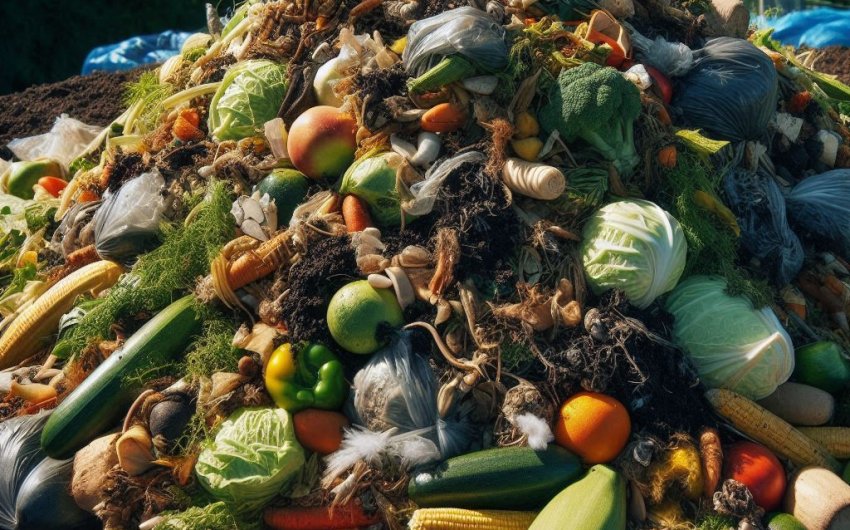
Our landscapes, whether they are small home gardens or large public parks, have a big impact on the environment. How we design and care for these outdoor spaces can either help or harm the planet. For a long time, traditional landscaping often meant using lots of water, chemical fertilizers, and generating a lot of waste. But more and more, people are realizing there's a better way: sustainable landscaping. This approach focuses on working with nature, not against it, to create beautiful and healthy outdoor spaces that use fewer resources and cause less pollution.
At the heart of almost every sustainable landscaping practice, you'll find one unsung hero: compost. This "black gold" made from decomposed organic matter is more than just a soil amendment. It's a cornerstone of eco-friendly gardening, playing a vital role in everything from reducing waste to saving water. Compost is like the ultimate multi-tool for a greener landscape. Let's explore the many ways compost helps create beautiful, thriving outdoor spaces while also protecting our planet.
What is Sustainable Landscaping?
Before diving into compost, it's important to understand what sustainable landscaping actually means. It's a way of designing, building, and maintaining outdoor spaces that aims to be environmentally friendly, resource-efficient, and beneficial for both people and nature.
What are the Core Principles of Sustainable Landscaping?
Sustainable landscaping is based on several key ideas:
- Reduce Resource Consumption: This means using less water, less energy (for mowers, blowers), and fewer raw materials.
- Minimize Waste: Diverting yard waste and food scraps from landfills by composting them, and recycling landscape materials.
- Conserve and Protect Natural Resources: This includes protecting water quality, promoting healthy soil, and reducing pollution.
- Enhance Biodiversity: Creating habitats for local wildlife (birds, beneficial insects, pollinators) and choosing a variety of native plants.
- Promote Healthy Ecosystems: Designing landscapes that function more like natural ecosystems, with balanced relationships between plants, soil, water, and wildlife.
- Reduce Chemical Inputs: Minimizing or eliminating the use of synthetic fertilizers and chemical pesticides, which can harm soil life, water, and beneficial organisms.
- Long-Term Viability: Creating landscapes that are durable, adaptable, and require less intensive maintenance over time.
How Does it Differ from Traditional Landscaping?
- Water Use: Traditional often relies on extensive irrigation; sustainable focuses on drought-tolerant plants and efficient watering.
- Plant Choices: Traditional might use non-native plants requiring more inputs; sustainable prioritizes native plants that are adapted to the local climate and soil.
- Chemicals: Traditional often uses synthetic fertilizers and pesticides; sustainable minimizes or eliminates them, relying on organic methods.
- Waste: Traditional often sends yard waste to landfills; sustainable composts and recycles.
- Maintenance: Traditional might involve frequent mowing, blowing, and pruning; sustainable aims for less intensive, more natural maintenance.
Sustainable landscaping is a holistic approach, viewing the garden as an interconnected system. And in this system, compost plays a starring role. It's not just a product; it's a process that embodies many of these core principles.
How Does Compost Improve Soil Health in Sustainable Landscaping?
Healthy soil is the foundation of any thriving landscape, especially a sustainable one. It's a living ecosystem, not just dirt. Compost is perhaps the most effective tool for building and maintaining incredibly healthy soil.
How Does Compost Improve Soil Structure?
Compost helps soil structure in almost magical ways, regardless of your soil type.
- For Clay Soil (Heavy, Compacted): Clay soil has very tiny particles that stick together tightly, leading to poor drainage and compaction. Compost acts like a "glue" for these small particles, clumping them into larger aggregates. This creates air pockets, improves drainage, and makes the soil easier for roots to penetrate.
- For Sandy Soil (Light, Drains Too Quickly): Sandy soil has large particles with big spaces between them, causing water and nutrients to drain away too fast. Compost is spongy and holds onto water and nutrients. It fills those large spaces, binding to the sand particles and improving the soil's ability to retain moisture and nutrients.
- For All Soils: Improved structure means better aeration (more oxygen for roots), better water infiltration and retention, and easier root growth. This reduces compaction, a common problem in many landscapes. You can find Soil Aerators to help, but compost does it naturally over time.
How Does Compost Provide Nutrients Slowly?
Unlike synthetic fertilizers, which give a quick burst of readily available nutrients, compost works differently.
- Slow Release: Compost releases its nutrients slowly over time as microorganisms continue to break down its organic matter. This provides a steady, balanced diet for plants, preventing nutrient leaching and fertilizer burn.
- Balanced Nutrients: Compost contains a wide range of essential plant nutrients – not just Nitrogen, Phosphorus, and Potassium (NPK), but also secondary macronutrients like Calcium and Magnesium, and all the vital micronutrients (like Iron, Boron, Zinc). These are often lacking in synthetic fertilizers.
- Nutrient Cycling: The microbes in compost help make existing nutrients in the soil more available to plants. They essentially "unlock" nutrients that plants couldn't access otherwise.
How Does Compost Enhance Soil Biology?
Soil isn't dead dirt; it's teeming with life, and compost is food for that life.
- Feeds Microbes: Compost introduces and feeds billions of beneficial microorganisms (bacteria, fungi, protozoa, nematodes) into the soil. These microbes perform countless vital functions: breaking down organic matter, cycling nutrients, suppressing disease, and improving soil structure.
- Attracts Earthworms: Earthworms absolutely love compost. As they tunnel through the soil, they create channels that improve aeration and drainage. Their castings (worm poop) are also incredibly rich in nutrients and beneficial microbes. You can even add Worm Castings directly to your soil.
- Disease Suppression: A diverse and healthy soil microbiome (the community of microorganisms) can naturally suppress plant diseases by outcompeting harmful pathogens or even attacking them.
By adding compost, you're not just feeding your plants; you're feeding the entire soil food web, which creates a resilient, self-sustaining ecosystem underneath your landscape. This is the ultimate sustainable practice.
What Role Does Compost Play in Water Conservation?
Water is a precious resource, and using it wisely is a cornerstone of sustainable landscaping. Compost plays a huge, often overlooked, role in helping landscapes become more water-efficient.
How Does Compost Improve Water Retention?
- Spongy Nature: Compost is largely made of decomposed organic matter, which has a very porous, spongy structure. This structure allows it to absorb and hold a remarkable amount of water.
- Increased Water-Holding Capacity: When you add compost to your soil, it increases the overall water-holding capacity of that soil. This means your soil can store more water after rain or irrigation.
- Available Water: The water held by compost is slowly released and remains available to plant roots over a longer period.
Think of healthy, compost-amended soil as a giant sponge that slowly releases moisture, whereas unamended sandy soil is like a sieve, and compacted clay soil acts like a brick, shedding water rather than absorbing it.
How Does This Reduce Irrigation Needs?
- Fewer Waterings: Because the soil can hold more water, you won't need to water your plants as often. The periods between necessary irrigations become much longer.
- Deeper Root Growth: Compost creates a more hospitable environment for roots. When roots can grow deeper into the soil, they can access water from lower depths, making the plant more resilient to dry spells.
- Reduced Runoff: Improved soil structure from compost also means that water penetrates the soil more easily. This reduces surface runoff, preventing water waste and soil erosion. Instead of water running off your compacted lawn and into the street, it soaks deeply into the soil where it's needed.
For gardeners concerned about water usage, incorporating compost into landscape beds and lawns is one of the most effective strategies to cut down on your water bill and conserve this vital resource. It creates a truly drought-tolerant garden from the ground up.
How Does Compost Contribute to Waste Reduction?
One of the most direct and impactful roles of compost in sustainable landscaping is its ability to turn waste into a valuable resource. It directly addresses the problem of organic waste in landfills.
What is Organic Waste?
Organic waste refers to any material that comes from living organisms and can decompose. This includes:
- Yard Waste: Grass clippings, fallen leaves, branches, dead plants, weeds.
- Food Scraps: Fruit and vegetable peels, coffee grounds, tea bags, eggshells.
How Does Composting Divert Waste from Landfills?
- Reduced Landfill Volume: When you compost your food scraps and yard waste, these materials don't end up in landfills. This significantly reduces the amount of trash going into waste sites, saving valuable landfill space.
- Less Methane Gas: This is a huge environmental benefit. When organic matter breaks down in a landfill, it does so without oxygen (anaerobically). This process produces methane gas, a potent greenhouse gas that is much more damaging than carbon dioxide in trapping heat in the atmosphere. Composting, on the other hand, is an aerobic process (with oxygen), which produces carbon dioxide (a greenhouse gas, but less potent than methane) and beneficial humic compounds.
- Creating a Valuable Product: Instead of being "waste," these materials are transformed into compost, a nutrient-rich soil amendment that improves your landscape without the need for manufactured fertilizers or peat moss.
What About the "Reduce, Reuse, Recycle" Principle?
Composting fits perfectly into the waste hierarchy:
- Reduce: While it doesn't directly reduce waste generation, it changes the fate of waste.
- Reuse: You're reusing organic materials in your garden.
- Recycle: It's a form of recycling natural resources.
By integrating composting into your sustainable landscaping practices, you're actively participating in a circular economy, where resources are used and reused rather than being thrown away. You can use various Compost Bins to manage your organic waste. This simple act has profound positive environmental impacts.
How Does Compost Help Reduce the Need for Chemical Fertilizers and Pesticides?
One of the cornerstones of sustainable landscaping is minimizing the use of synthetic chemicals. Compost plays a pivotal role in achieving this goal, creating a naturally resilient and healthy landscape.
How Does Compost Reduce the Need for Synthetic Fertilizers?
- Natural Nutrient Source: As we discussed, compost is a complete, slow-release fertilizer. It provides all the macro and micronutrients plants need in a balanced form.
- Improves Nutrient Cycling: The healthy soil life fostered by compost makes existing nutrients in the soil more available to plants. This means plants can use what's already there more efficiently, reducing the need to add more.
- Builds Soil Fertility Over Time: Consistent application of compost builds long-term soil fertility, reducing dependency on external chemical inputs year after year. Synthetic fertilizers are a quick fix; compost is a permanent solution.
- Reduces Leaching: Because compost releases nutrients slowly and improves soil structure, nutrients are less likely to leach (wash away) into groundwater or runoff into streams and rivers, reducing water pollution.
By regularly amending your soil with compost, you create a naturally fertile environment where plants thrive without relying on manufactured fertilizers.
How Does Compost Help Reduce the Need for Pesticides?
This might seem less direct, but a healthy soil ecosystem promoted by compost leads to healthier, more resilient plants, which are better able to resist pests and diseases naturally.
- Stronger Plants: Plants growing in nutrient-rich, biologically active soil developed with compost are generally stronger and more vigorous. Healthy plants are better able to withstand pest attacks and recover from damage. They also have robust immune systems, similar to humans.
- Beneficial Microbes: Compost introduces a diverse population of beneficial microorganisms into the soil. Some of these microbes can actively suppress disease-causing pathogens by:
- Competition: Outcompeting harmful fungi and bacteria for resources.
- Antagonism: Producing compounds that are toxic to pathogens.
- Induced Resistance: Triggering a plant's natural defense mechanisms.
- Improved Plant Nutrition: Plants with balanced nutrition (from compost) are less attractive to certain pests that target weak or stressed plants.
- Attracts Beneficial Insects: A biodiverse garden (which compost encourages) provides habitat and food sources for beneficial insects that prey on garden pests. For instance, ladybugs eat aphids, and parasitic wasps attack caterpillars. You can buy Beneficial Insect Release to start your population.
By creating a healthy soil environment with compost, you're building a landscape that is naturally more resistant to problems, significantly reducing the need for chemical pesticides. This protects pollinators, wildlife, and ensures a safer environment for your family.
What Are Other Sustainable Landscaping Practices Enhanced by Compost?
Compost is not a standalone solution, but it greatly enhances many other sustainable landscaping practices, helping them be more effective and successful.
How Does Compost Support Native Plantings?
Native plants are a cornerstone of sustainable landscaping because they are adapted to local climate and soil conditions, requiring less water and fewer inputs.
- Soil Preparation: Even native plants benefit from healthy soil. While they are tough, introducing compost during bed preparation can help improve initial establishment, especially in disturbed urban soils that may be compacted or low in organic matter.
- Nutrient Cycling: Compost helps establish the necessary soil food web that native plants rely on for nutrient uptake in their natural environments.
- Water Efficiency: By increasing the soil's water-holding capacity, compost further enhances the drought tolerance of native plants, making them even more resilient during dry periods. You can find regional Native Plant Seeds.
How Does Compost Benefit Rain Gardens and Stormwater Management?
Rain gardens are shallow depressions designed to capture and filter stormwater runoff, preventing it from overwhelming storm drains and polluting waterways.
- Improved Infiltration: Amending the soil in a rain garden with ample compost dramatically improves its ability to absorb and infiltrate large volumes of rainwater quickly. This is essential for preventing standing water and allowing the water to be naturally filtered by the soil and plant roots.
- Nutrient Absorption: Compost helps retain nutrients and pollutants from runoff, preventing them from entering natural water bodies.
- Plant Health: The enhanced soil structure and fertility from compost help the plants in the rain garden (often native, water-tolerant species) thrive, improving their ability to absorb water and filter pollutants. You might incorporate specific Rain Garden Plants.
How Does Compost Help with Carbon Sequestration?
Carbon sequestration is the process of capturing and storing atmospheric carbon dioxide, helping to reduce greenhouse gases.
- Soil Organic Carbon: When organic matter (like compost) is added to soil, a portion of that carbon becomes stable soil organic carbon (humus), effectively "sequestering" carbon from the atmosphere in the soil.
- Healthy Soil, More Carbon: Healthy, biologically active soils with high organic matter content (thanks to compost) are much better at storing carbon than degraded soils. This makes our gardens and landscapes active participants in fighting climate change.
Compost is an incredibly versatile and powerful tool for achieving a truly sustainable landscape. It's not just about gardening; it's about making a positive impact on the environment, one healthy shovelful of soil at a time.