
How Can I Compost Fish and Seafood Waste Safely and Effectively?
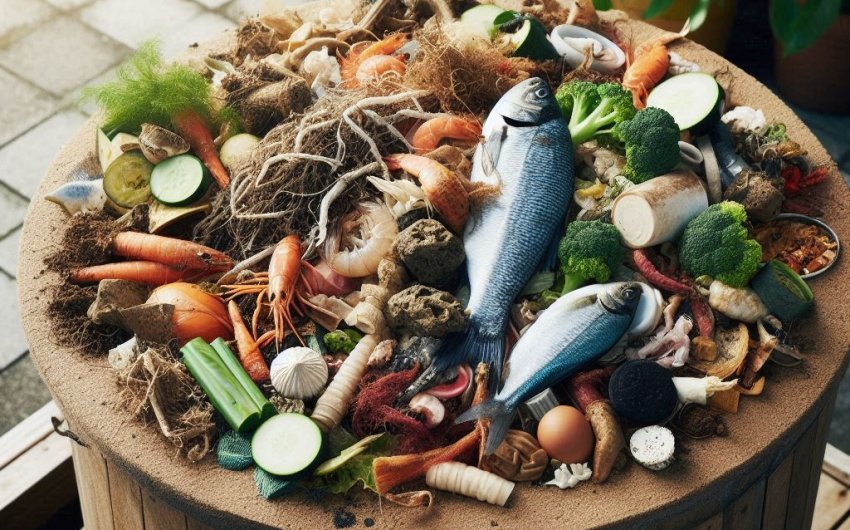
Composting is an amazing way to turn kitchen scraps and yard waste into rich, dark soil that can work wonders for your garden. Most gardeners are familiar with composting fruit and vegetable peels, coffee grounds, and leaves. But what about fish and seafood waste? This often gets put in the "don't compost" pile due to concerns about smell and pests.
However, composting fish and seafood waste is absolutely possible, and it can add incredible nutrients to your compost, far beyond what typical kitchen scraps provide. Fish and seafood are packed with nitrogen, phosphorus, calcium, and many other trace minerals that plants love. The trick is to do it safely and effectively to avoid attracting unwanted critters and dealing with unpleasant odors.
This guide will dive deep into the world of composting fish and seafood waste. We'll cover why it's so beneficial, the risks involved, and most importantly, step-by-step methods to do it right. Get ready to transform your seafood leftovers into garden gold!
Why Compost Fish and Seafood Waste?
You might be wondering why go through the extra steps to compost something that seems so tricky. The answer lies in the incredible benefits that fish and seafood waste brings to your compost and, ultimately, to your garden soil.
Rich in Essential Nutrients
This is the biggest reason! Fish and seafood waste are incredibly potent sources of plant nutrients that are less abundant in typical kitchen scraps.
- Nitrogen (N): Fish and seafood are very high in nitrogen. Nitrogen is essential for leafy green growth, strong stems, and overall plant vigor. It's what makes your plants look lush and healthy. Most backyard composts can be low in nitrogen if they don't have enough "greens," and fish waste provides a powerful boost.
- Phosphorus (P): They also contain significant amounts of phosphorus. Phosphorus is vital for root development, flowering, and fruiting. It's what helps your plants produce beautiful blooms and abundant harvests.
- Calcium (Ca): Fish bones, scales, and shells are excellent sources of calcium. Calcium is crucial for strong cell walls, preventing issues like blossom end rot in tomatoes and peppers, and improving overall plant structure.
- Trace Minerals: Beyond the main nutrients, fish and seafood are rich in a wide array of trace minerals like magnesium, sulfur, zinc, iron, and boron. These are micronutrients that plants need in smaller amounts, but they are absolutely essential for healthy growth and function. Getting a diverse range of these minerals in your compost means healthier, more resilient plants.
Boosts Microbial Activity in Your Compost
The protein and fats in fish and seafood waste are a feast for the microbes (tiny living organisms) that do the hard work of composting.
- Faster Breakdown: When these materials are added correctly, they can significantly speed up the decomposition process in your compost pile. The microbes thrive on the rich food source, generating heat and breaking down materials more quickly.
- Diverse Microbes: Introducing new types of organic matter encourages a wider variety of beneficial microbes in your compost. A diverse microbial community leads to a more balanced and effective composting process.
Mimics Natural Processes: Sea to Soil
For centuries, indigenous communities have used fish remains to fertilize crops, placing them directly into planting holes. Composting fish and seafood waste in a controlled manner mimics this natural "sea to soil" cycle, returning valuable nutrients to the earth. It's a sustainable way to cycle nutrients that would otherwise be discarded.
Reduces Landfill Waste and Odor
Instead of throwing away fish heads, bones, and shells, which can be smelly in your trash can and end up in a landfill, composting them provides an environmentally friendly alternative.
- Reduced Landfill Burden: Diverting organic waste from landfills helps reduce the amount of trash that needs to be buried.
- Methane Reduction: When organic matter rots in landfills without oxygen, it produces methane, a potent greenhouse gas. Composting, when done with proper aeration, produces less methane.
- Odor Control (When Done Right): While fresh fish waste can be stinky, properly burying and managing it in a hot compost pile prevents those odors from escaping into your trash or attracting pests.
Contributes to a Circular Economy
By taking waste from your kitchen (or fishing trips) and turning it into a valuable resource for your garden, you're participating in a circular economy. You're closing the loop, turning "waste" into "food" for your plants, reducing your reliance on purchased fertilizers, and creating a more self-sufficient garden system.
In summary, while it requires a bit more care than composting vegetable scraps, the nutritional punch that fish and seafood waste delivers to your compost and garden soil makes it a highly worthwhile endeavor for any ambitious gardener.
What Are the Risks of Composting Fish and Seafood Waste?
While the benefits are clear, it's also important to be aware of the potential downsides and risks when composting fish and seafood waste. Knowing these challenges allows you to take proper precautions and ensures a safe and effective composting process.
Odor: The Most Common Concern
This is often the first thing people think of when considering composting fish waste.
- Rotten Smell: Fish and seafood break down quickly, and if not managed properly, they can produce very strong, unpleasant, rotten odors. This is due to the breakdown of proteins, which release compounds like amines and ammonia.
- Attracts Pests: The strong smell is a beacon for a variety of unwelcome visitors.
Attracting Pests and Critters
This is the biggest safety and nuisance issue. The smell and the rich food source in fish and seafood waste are incredibly attractive to many animals.
- Rodents: Rats and mice are highly attracted to meat and fish scraps. They can quickly infest your compost pile, dig burrows, and then become a problem in your home or garden.
- Raccoons, Skunks, Opossums: These larger scavengers have an excellent sense of smell and will readily dig into an exposed compost pile to get to the food. This can lead to your compost pile being scattered and a general mess.
- Flies and Maggots: Exposed fish waste will quickly attract flies, which lay eggs that hatch into maggots. While maggots are part of the decomposition process, most people don't want an abundance of them in their compost or flying around their yard.
- Domestic Animals: Your own dogs and cats might also be attracted to the smell and try to dig into the pile, potentially getting sick or spreading the waste around.
Slow Breakdown (If Not Managed Well)
While fish waste can break down quickly in a hot, active compost pile, if your pile isn't hot enough or isn't balanced, the fish can decompose slowly and become a smelly, lingering problem.
- Anaerobic Decomposition: If buried too deep without enough oxygen (anaerobic conditions), fish waste will rot rather than compost, producing foul, sulfurous odors.
- Grease/Oil: Large amounts of fish oil or grease can slow down the composting process and create an undesirable, greasy mess. These are best avoided or added in very small amounts.
Potential for Pathogens
While generally less of a concern in a hot compost pile that reaches high temperatures, some people worry about pathogens (disease-causing germs) from raw meat or fish.
- High Temperatures are Key: A properly managed hot compost pile reaches temperatures (130-160°F or 54-71°C) that kill most harmful bacteria. This is why a "cold" composting method is generally not recommended for fish waste.
- Avoid Using on Edibles Immediately: Even with hot composting, it's wise to use the finished compost on non-edible plants first, or allow it to mature for a longer period before applying it to vegetable gardens.
Attracting Undesirable Bacteria/Fungi
An imbalanced compost pile can sometimes favor the growth of undesirable bacteria or fungi, which might contribute to odors or slower breakdown if not enough "browns" are present.
Overall Management Challenge
Composting fish and seafood waste requires more careful management, attention, and knowledge compared to composting purely plant-based materials. It's not a "set it and forget it" process if you want to avoid problems.
Understanding these risks is the first step to mitigating them. By using the right techniques, especially hot composting and careful burial, you can largely overcome these challenges and safely turn your fish and seafood waste into a valuable garden amendment.
What Supplies Do You Need to Compost Fish and Seafood Waste?
To successfully and safely compost fish and seafood waste, you'll need more than just a pile in the backyard. Having the right tools and materials ready will make the process much smoother and help prevent problems like odors and pests.
1. A Hot Compost Bin or System
This is perhaps the most critical piece of equipment. Hot composting is essential for breaking down fish and seafood waste quickly and killing potential pathogens and odors.
- Closed Compost Bin: A sealed, rodent-proof compost bin is highly recommended. These can be made from sturdy plastic or metal. Look for features like:
- Secure Lid: Essential to keep pests out and odors in.
- Good Ventilation: Holes or vents are needed for aeration (oxygen flow) to ensure aerobic decomposition (which means good composting, not rotting).
- Tumbler Composters: These are excellent for composting fish and seafood waste. They are sealed, easy to turn (which helps aeration and heats up the pile), and can often reach higher temperatures more easily. A dual-chamber tumbler like a Tumbling Composter allows you to have one batch cooking while you add new scraps to another.
- Three-Bin System (for larger quantities): If you have a lot of space and a consistent supply of waste, a three-bin system (made from pallets, wire mesh, or lumber) can work. However, you'll need to ensure the bins are very well-managed, reaching high temperatures consistently, and that fish waste is always deeply buried. This method is harder to make completely critter-proof.
- Bokashi Composting (Pre-treatment): While not a compost bin itself, a Bokashi system is an anaerobic (without oxygen) pre-composting method that uses beneficial microbes to ferment food scraps, including meat and fish. The fermented waste is then buried in the garden or added to a regular compost pile, where it breaks down much faster. It effectively controls odors and deter pests during the pre-composting phase. A Bokashi composting kit might include two buckets and the special "bran."
2. "Brown" (Carbon-Rich) Materials
You'll need a large supply of dry, carbon-rich materials, often called "browns," to mix with your nitrogen-rich fish waste.
- Shredded Leaves: An excellent and readily available brown. Stockpile them in the fall.
- Straw: Another great choice, airy and absorbent.
- Wood Chips/Sawdust (Untreated): Use sparingly if fine, as they can compact. Coarser wood chips are better. Only use untreated wood.
- Shredded Newspaper/Cardboard: Rip up plain, uncolored newspaper or cardboard (no glossy paper, tape, or labels).
- Dry Grass Clippings: If dry and not treated with chemicals.
- Why You Need Them: Browns absorb odors, help balance the compost's carbon-to-nitrogen ratio, and provide the bulk and structure needed for good aeration. You'll need at least 2-3 parts brown material for every 1 part fish waste.
3. "Green" (Nitrogen-Rich) Materials (Beyond Fish Waste)
While fish waste is a green, having other greens helps balance the pile and keep it active.
- Fresh Grass Clippings: If not treated with chemicals.
- Vegetable and Fruit Scraps: Your usual kitchen waste (peels, cores, stale bread).
- Coffee Grounds and Tea Bags: Excellent nitrogen sources.
- Used Plant Material: Spent flowers, garden trimmings (non-diseased).
4. Tools for Management
- Compost Thermometer: Essential for hot composting. It allows you to monitor the internal temperature of your pile, ensuring it's reaching and maintaining the ideal heat (130-160°F or 54-71°C) to break down fish and kill pathogens. A good compost thermometer often has a long probe.
- Pitchfork or Compost Aerator: For turning your compost pile regularly (especially crucial for open bins or tumblers). Turning helps introduce oxygen, which is vital for aerobic decomposition and heat generation. A robust compost aerator tool can make turning much easier.
- Bucket with a Tight-Fitting Lid: For temporarily collecting fresh fish and seafood waste in your kitchen before you take it to the compost bin. This contains odors.
- Gloves: For hygiene and protection.
- Shovel: For moving browns and finished compost.
- Watering Can or Hose: To maintain proper moisture levels in your compost pile.
5. Collection and Storage
- Temporary Collection Bin: A small, lidded kitchen countertop compost bin for daily scraps. You can then transfer the fish waste (along with other scraps) to your outdoor system. A charcoal-filtered kitchen compost bin helps with immediate odor control.
- Storage for Browns: Have an easily accessible pile or bin of dry browns (leaves, straw) near your compost system. You'll be using a lot of them.
Having these supplies on hand before you start will set you up for a successful and odor-free experience when composting fish and seafood waste. Preparation is key to avoiding those common composting pitfalls.
How to Compost Fish and Seafood Waste Safely and Effectively: Step-by-Step
Now for the main event! Here’s a detailed, step-by-step guide on how to safely and effectively compost fish and seafood waste in your backyard. The key is careful management, especially burying the waste deeply and ensuring a hot, active compost pile.
Method 1: Hot Composting (Recommended for Most Gardeners)
This method generates high temperatures that break down fish quickly and safely, minimizing odors and deterring pests.
Step 1: Collect and Prepare Your Fish Waste
- Source: Use fish scraps (heads, bones, skin, guts) from cleaning fish, shellfish shells (crab, shrimp, lobster), and even small amounts of leftover cooked fish.
- Size Matters: Break down large pieces. Chop fish heads and bones into smaller chunks (1-2 inches) if possible. Shells can also be crushed. Smaller pieces break down faster. Use a sturdy knife or even a hammer for bones, wear gloves and eye protection if doing this.
- Limit Quantity: Don't add huge amounts of fish waste at once, especially when starting. A small bucket full is usually sufficient for a single addition to a standard home compost pile.
- Store Temporarily: If you're not adding it immediately, store fresh fish waste in a sealed container in the freezer. This prevents odors and decomposition until you're ready to compost.
Step 2: Build or Prepare Your Hot Compost Pile
- Choose Your Bin: Use a closed, rodent-proof compost bin or a tumbler. This is non-negotiable for fish waste.
- Layer the Base: Start with a good 6-12 inch layer of "brown" materials (shredded leaves, straw, wood chips) at the bottom of your compost bin. This provides a porous base for drainage and airflow.
- Get Ready with Browns: Have a large pile of "brown" materials ready and easily accessible near your compost bin. You will need a lot of it.
Step 3: Bury the Fish Waste Deeply (The Crucial Step!)
This is the most important step for preventing odors and attracting pests.
- Create a Pocket: Dig a deep hole or create a depression in the center of your compost pile. It needs to be at least 12-18 inches deep. If using a tumbler, clear a space.
- Add Fish Waste: Place your prepared fish and seafood waste into this deep hole.
- Cover with Greens: Immediately cover the fish waste with a layer of fresh "green" materials (e.g., fresh grass clippings, vegetable scraps). This helps kick-start the decomposition process directly on top of the fish.
- Cover with Browns (Thick Layer!): Now, bury the entire addition completely and thoroughly with a thick layer (at least 12 inches) of dry "brown" materials. The browns act as an odor filter and a physical barrier to pests.
- Water In: Lightly moisten the newly added layers with water. The compost pile should feel like a damp sponge.
Step 4: Turn and Monitor for Heat
This is what makes it "hot" composting.
- Regular Turning: For optimal results, turn your compost pile every few days to once a week. Turning introduces oxygen, which fuels the microbes and helps generate and maintain high temperatures (130-160°F or 54-71°C).
- Use a Compost Thermometer: Stick a compost thermometer into the center of the pile to monitor the temperature. If it's not heating up, it might need more nitrogen (add more greens or even a sprinkle of blood meal) or more moisture, or better aeration (more turning).
- Maintain Moisture: Check the moisture content when you turn. If it feels too dry, add water as you turn. If it's too wet, add more browns.
Step 5: Be Patient and Observe
- Breakdown Time: Fish and seafood waste breaks down relatively quickly in a hot compost pile – often within a few weeks, sometimes faster. Bones and shells will take longer but will eventually decompose.
- Odor Check: There should be little to no objectionable odor if managed correctly. If you smell a foul, rotting odor, it usually means your pile is too wet or lacks oxygen. Turn it more frequently and add more browns. If you smell ammonia, you have too much nitrogen; add more browns.
- Avoid Overloading: Resist the urge to add more fish waste until the previous batch has largely disappeared and the pile is heating up again.
Method 2: Trench Composting (for Small, Occasional Additions)
This method is simpler but generally only suitable for small, infrequent amounts of fish waste and for gardeners with plenty of unused garden space. It doesn't rely on a hot pile.
- Dig a Trench/Hole: In an unused part of your garden, dig a trench or hole that is at least 12-18 inches deep. Make sure it's away from paths and living areas.
- Add Fish Waste: Place a small amount of fish waste at the bottom of the trench.
- Cover Deeply: Immediately and completely cover the fish waste with at least 12 inches of soil. Tamp down the soil firmly. You can plant directly over the trench.
- Rotate Locations: Don't use the same spot repeatedly. Rotate your trench composting locations around your garden.
Method 3: Bokashi Composting (Pre-Treatment)
Bokashi is a fermentation process that treats food waste (including meat and fish) indoors, before it goes into your compost pile or garden.
- Collect Scraps: Place food scraps (including fish waste) into a specialized airtight Bokashi bucket.
- Add Bran: Sprinkle a layer of Bokashi bran (which contains beneficial microbes) over the scraps each time you add them.
- Press Down: Press the scraps down firmly to remove air.
- Seal: Keep the bucket sealed.
- Ferment: After filling, let the bucket sit sealed for 1-2 weeks for fermentation. It will smell like pickles or vinegar, not rotten.
- Bury or Compost: Once fermented, the "Bokashi tea" can be drained and used as a liquid fertilizer (diluted). The solid fermented waste is then buried directly into the garden soil (it breaks down very quickly) or added to a regular compost pile, where it will integrate much faster and won't attract pests. This is a very effective way to manage fish waste without odor concerns indoors or in the compost pile.
By carefully choosing your method and following these steps, you can safely and effectively enrich your compost with the powerful nutrients from fish and seafood waste, leading to a healthier and more productive garden.